
Table of Contents
- Pre-Game Strategy: Analyzing Sunlight Zones and Soil pH Basics
- Blueprint 1: The Sunny Mailbox Splash using Marigolds and Zinnias
- Blueprint 2: The 4×4 Raised Bed Mix of Perennials and Annuals
- Blueprint 3: The Shady Nook Layout with Hostas and Impatiens
- Planting Day Guide: Digging, Spacing, and Essential Beginner Tools
- The Final Flourish: Your Living Canvas
- Cultivating Clarity: Common Questions
Transform your outdoor space into a personal sanctuary that reflects your unique style and personality. Designing a flower garden is much like layering a room with textures and colors; it requires a thoughtful eye and a bit of creative courage.
Whether you have a sprawling lawn or a small balcony, you can create a blooming oasis that feels both high-end and welcoming.
Successful gardening does not require a massive budget or years of professional experience to achieve stunning results. By selecting a cohesive palette and hardy perennials, you can build a sustainable landscape that looks professionally curated.
We will focus on practical layouts and smart plant choices that maximize visual impact without draining your resources or your time.
Grab your gardening gloves and prepare to cultivate a space that truly resonates with your home aesthetic. From mastering color theory in the soil to placing containers for perfect balance, these steps will guide you through the rewarding process.
It is time to turn your vision into a living, breathing reality that you will cherish for seasons to come.
Pre-Game Strategy: Analyzing Sunlight Zones and Soil pH Basics
Before buying a single seed, visualize your garden like a living room. You would not put a velvet sofa on a rain-soaked patio. Plants are the same.
Analyzing your space ensures your green focal points thrive rather than just survive. It creates a seamless flow between nature and your home.
Mapping Your Light Zones
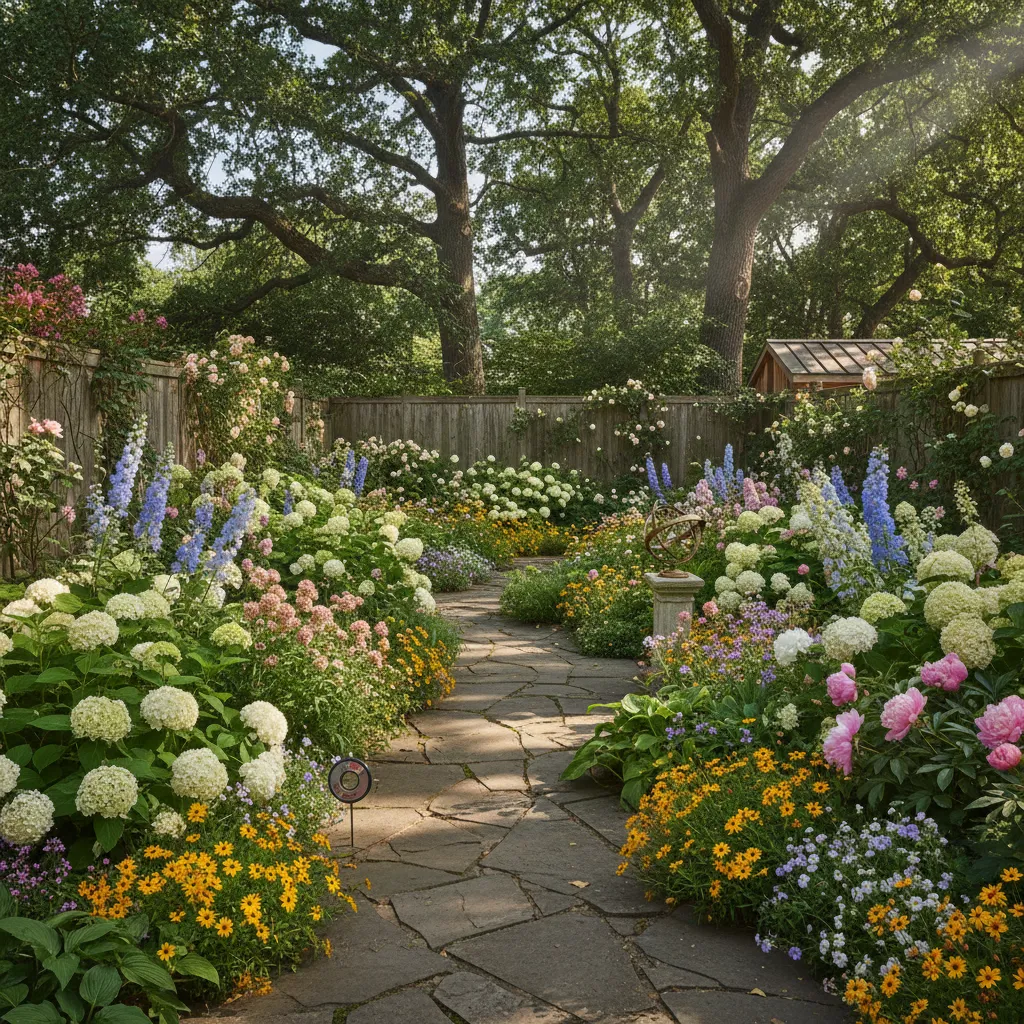
Light is the primary texture of your garden. It changes how colors read and how plants grow. Observe your yard at three key times: 9 AM, noon, and 3 PM.
Full sun areas feel energetic and bright. These spots receive six or more hours of direct light daily. They are perfect for vibrant, heat-loving blooms.
Partial shade offers a softer, ambient glow. These areas get about 3 to 6 hours of sun. The light here is often dappled, filtered through tree canopies.
Your garden’s lighting is the most honest designer; listen to where the shadows fall before you plant.
Knowing these zones helps you define the layout. You might use cheap outdoor flower bed border ideas to physically mark where the full sun ends and the cool shade begins.
| Zone Type | Direct Light Duration | Vibe & Function |
|---|---|---|
| Full Sun | 6+ Hours | High energy, bright colors, robust growth. Ideal for veggies and bold perennials. |
| Partial Shade | 3–6 Hours | Relaxed, cooling atmosphere. Great for lush leafy greens and soft pastels. |
| Full Shade | < 3 Hours | Moody, organic, and textural. Focus on ferns and foliage over heavy blooms. |
Understanding the Soil Palette
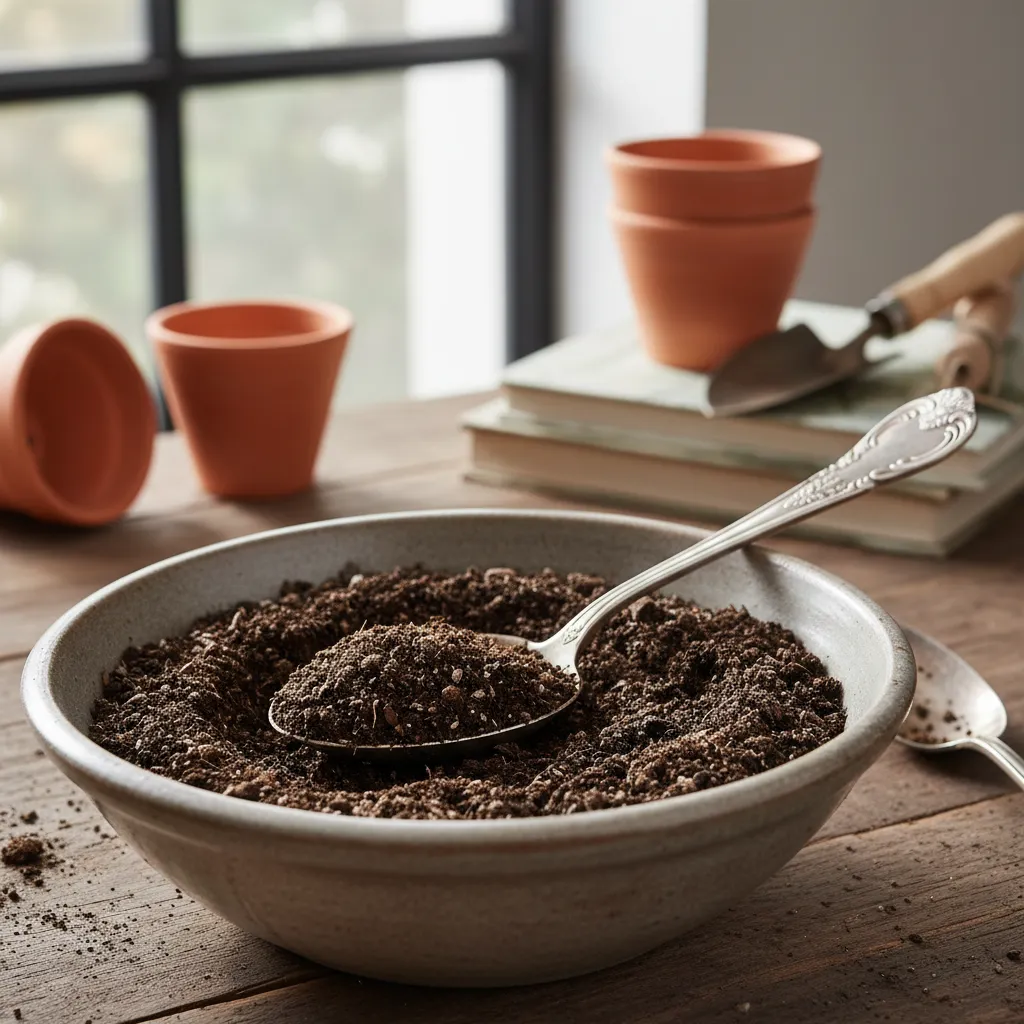
Soil is the canvas. Its texture and pH level dictate the health of your design. You want soil that feels like crumbled chocolate cake; rich, dark, and loamy.
Soil pH measures acidity. It runs from Acidic (sour) to Alkaline (sweet). Most plants prefer a neutral middle ground, allowing them to absorb nutrients efficiently.
If you have difficult ground soil, do not panic. You can curate specific vignettes using containers. Look into easy hand painted flower pots to bypass ground soil issues entirely.
The secret of good gardening is to plant the right plant in the right place.
Beth Chatto, Beth Chatto’s Plants & Gardens
A simple DIY pantry test can reveal your soil’s leanings. Scoop some soil into a bowl. Add vinegar. If it fizzes, your soil is alkaline.
If it does not fizz, add water and baking soda to a new sample. A reaction here means acidic soil. This simple chemistry helps you pick the right plant palette.
The Dirt Dish
- Snap photos of your garden at 9 AM, 12 PM, and 3 PM, then swipe through them quickly on your phone to instantly visualize the movement of shadows and identify your true sun traps.
- If the pantry test reveals your soil is too acidic, sprinkle wood ash to neutralize it; for alkaline soil, try working in used coffee grounds or pine needles to restore balance.
- Test a location before you commit by placing a potted plant in the spot for a week; if it struggles, you can easily move it without the stress of transplanting.
Blueprint 1: The Sunny Mailbox Splash using Marigolds and Zinnias
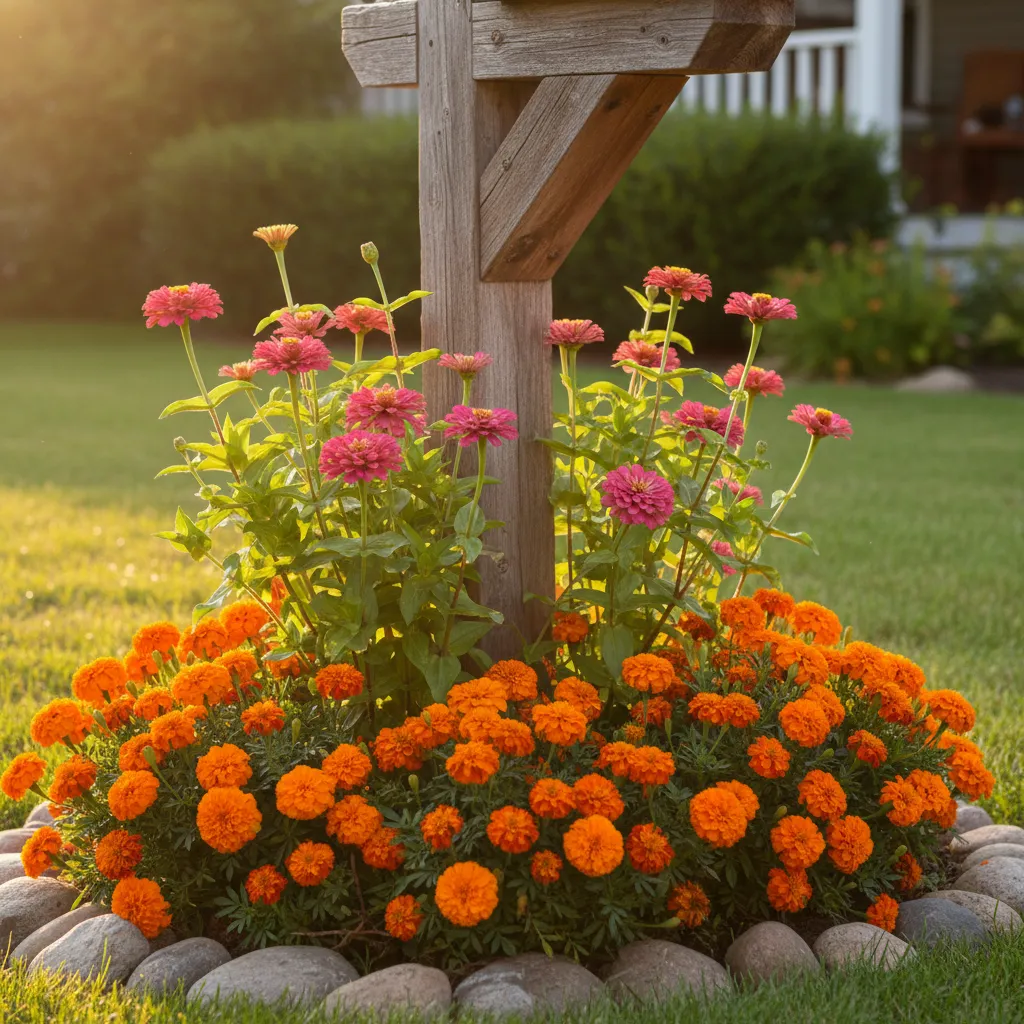
Creating a vignette around your mailbox is the quickest way to boost curb appeal. It transforms a utilitarian post into a welcoming statement piece.
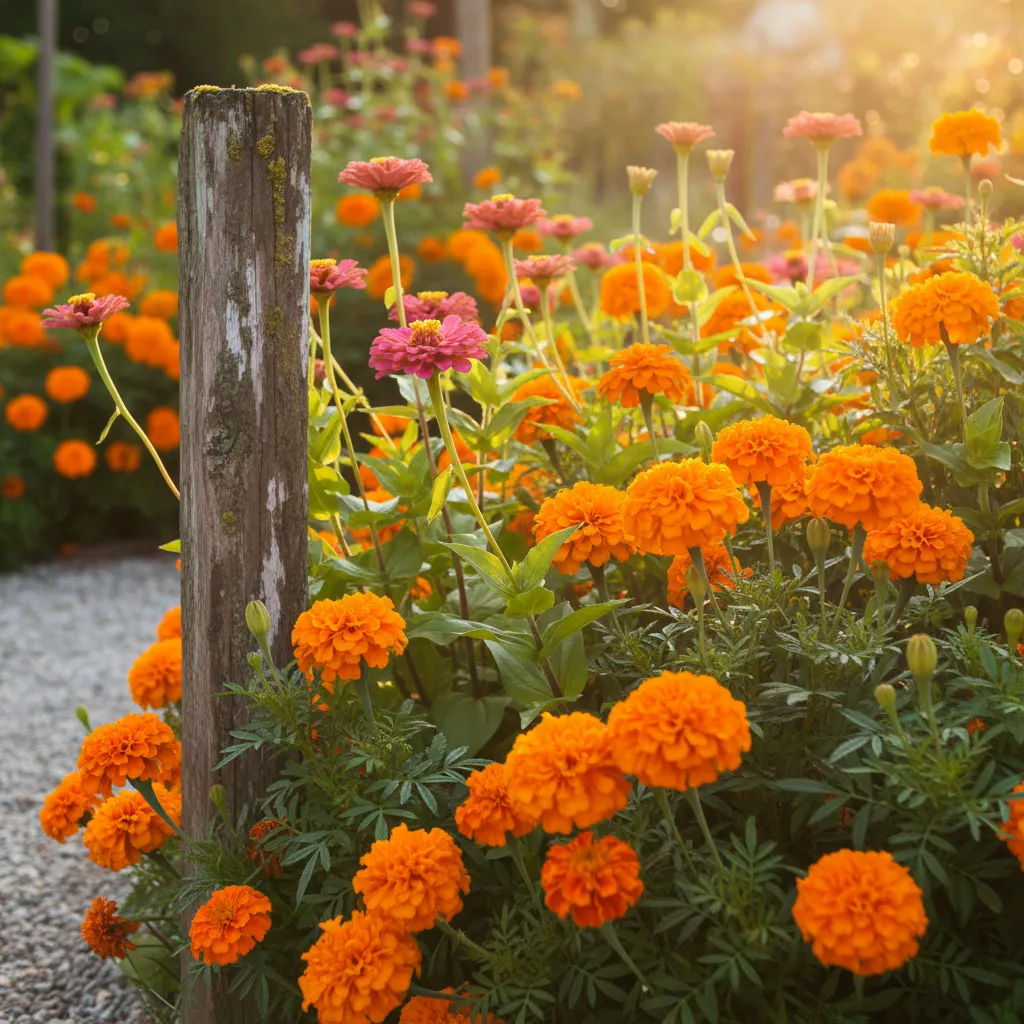
For beginners, the combination of Marigolds and Zinnias is unbeatable. These varieties thrive in full sun and handle heat with impressive resilience.
Zinnias provide vertical structure with their tall, sturdy stems. They act as the architectural backdrop, drawing the eye upward.
Marigolds serve as the textured ground cover. Their dense, fern-like foliage hides the soil, while their blooms add a rich, velvet-like warmth.
This pairing creates a natural spatial flow. It feels organic yet curated, offering a “cottage garden” vibe without the complex maintenance.
A garden doesn’t need to be large to be impactful; a splash of color at the curb sets the tone for the entire home.
Curb Appeal Cheat Sheet
- Pinch the central stem of young Zinnias when they are about 12 inches tall to encourage branching, which results in a bushier shape and more blooms.
- Marigolds act as a natural pest repellent; their distinct scent deters nematodes and beetles, acting as a protective shield for your mailbox garden.
- Because mailboxes are often exposed to reflected heat from the street, apply a 2-inch layer of mulch to retain soil moisture and keep roots cool.
Designing the Layout
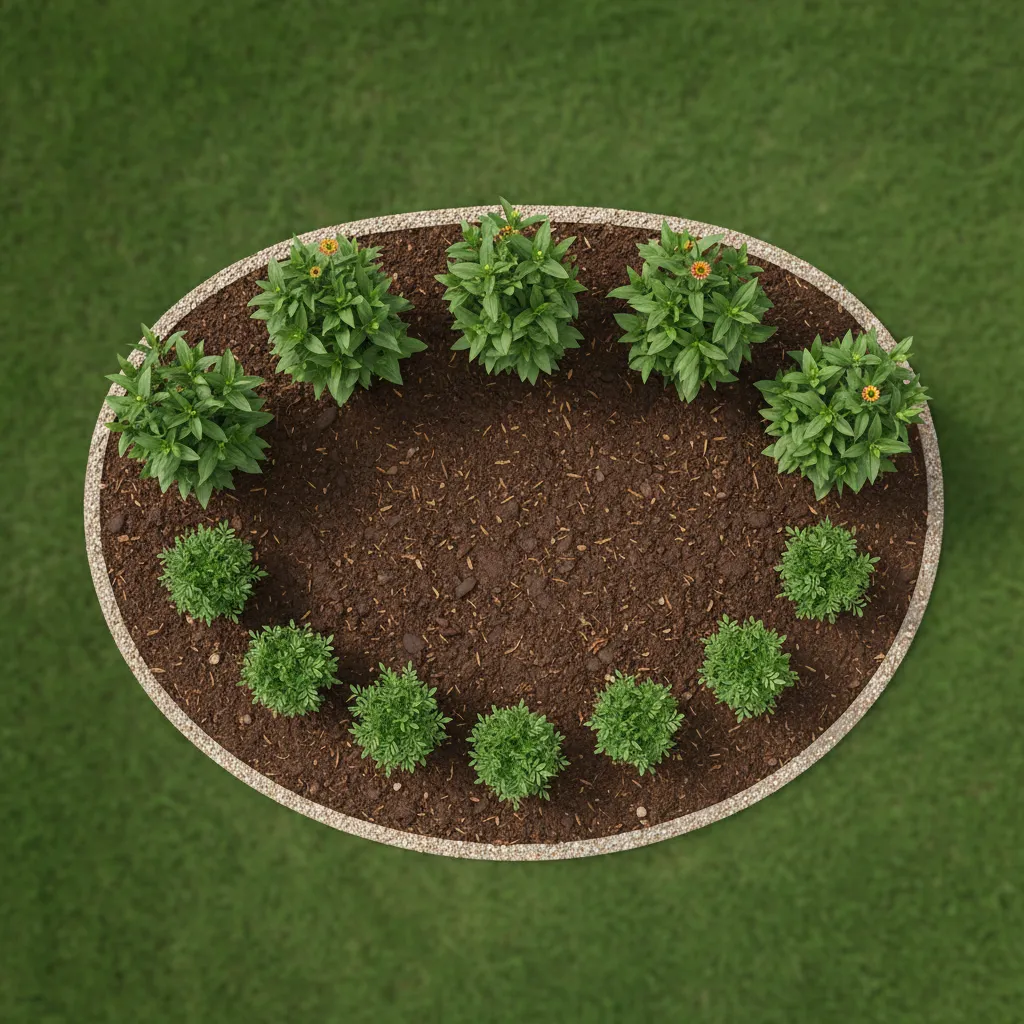
To achieve a professional look, you must consider scale and layering. Avoid planting in a straight line, which can look rigid and sparse.
Arrange the plants in a semi-circle around the post. Place the taller Zinnias in the back, closest to the timber, to anchor the design.
Plant the Marigolds in the front row. This “stadium seating” approach ensures every bloom receives sunlight and remains visible from the street.
If you want to expand this concept to the rest of your property, explore top simple small front yard landscaping ideas on a budget for inspiration.
Functionality is key here. Ensure the plants do not obstruct the mail carrier’s access or block the view of house numbers.
Zinnias are one of the easiest annuals to grow, growing quickly and blooming heavily. They make a massive burst of color in your garden.
The Old Farmer’s Almanac, Growing Zinnias
Designer Layout Hack
- Use the rule of three by planting in odd-numbered groups to create a more organic and visually pleasing flow than even pairings.
- Leave at least 6-12 inches of clearance around the mailbox door and flag to ensure the mail carrier has unobstructed access.
- Incorporate a layer of mulch after planting to define the semi-circle shape and keep the stadium seating layers looking crisp and weed-free.
The Planting Checklist
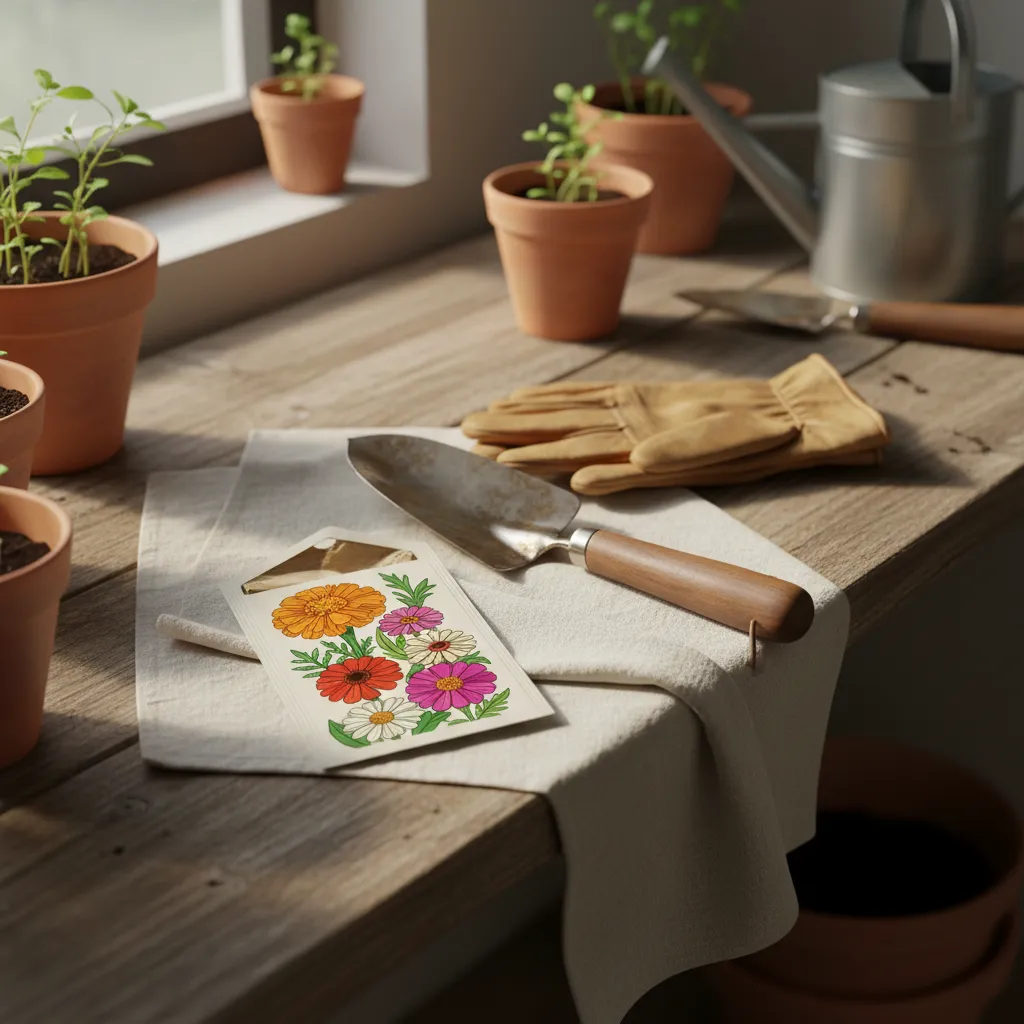
Success lies in preparation. Before you plant a single seed or seedling, ensure the area is ready to support vigorous growth.
The soil around mailboxes is often compacted. Loosen the dirt to a depth of six inches to allow delicate roots to penetrate easily.
- Sun Exposure: Confirm the spot gets at least 6 hours of direct sunlight.
- Soil Quality: Mix in organic compost to improve drainage and nutrient density.
- Water Access: Ensure a hose reaches the post, as pavement radiates heat and dries soil.
- Edging: Install a simple border to keep grass out and mulch in.
Defining the edge is crucial for a polished look. You can find creative solutions in our guide to cheap outdoor flower bed border ideas to elevate your yard.
Pro Planting Hacks
- Test for soil compaction by pushing a screwdriver into the ground; if it resists, keep loosening the dirt to help roots thrive.
- If your mailbox is near a busy street, choose salt-tolerant varieties to survive winter road runoff.
- Water the area deeply 24 hours before you plan to dig to make the soil much easier to work with.
Visual Palette Strategy
Choosing the right colors impacts the mood. Since this is a high-traffic visual point, select a palette that complements your home’s exterior.
| Color Combination | Visual Effect | Best For |
|---|---|---|
| Yellow & Orange | High Energy, Warmth | Blue or Grey Exteriors |
| Pink & White | Soft, Romantic, Airy | Brick or Wood Siding |
| Red & Gold | Bold, Dramatic Contrast | White or Beige Stucco |
| Purple & Yellow | Complementary Pop | Modern, Neutral Homes |
To maintain this aesthetic, “deadhead” spent blooms weekly. Pinching off old flowers encourages the plants to direct energy into new growth.
This simple maintenance keeps the texture lush and prevents the arrangement from looking leggy or unkempt late in the season.
Design Pro Secrets
- Apply the 60-30-10 rule: use 60% of a dominant color, 30% of a secondary shade, and 10% for a bold accent to create professional visual depth.
- Feed your display with a water-soluble bloom-booster fertilizer every two weeks to maintain intense color saturation throughout the season.
- Always view your plant combinations in natural outdoor light before planting, as nursery greenhouse lighting can drastically alter how colors appear against your home.
Blueprint 2: The 4×4 Raised Bed Mix of Perennials and Annuals
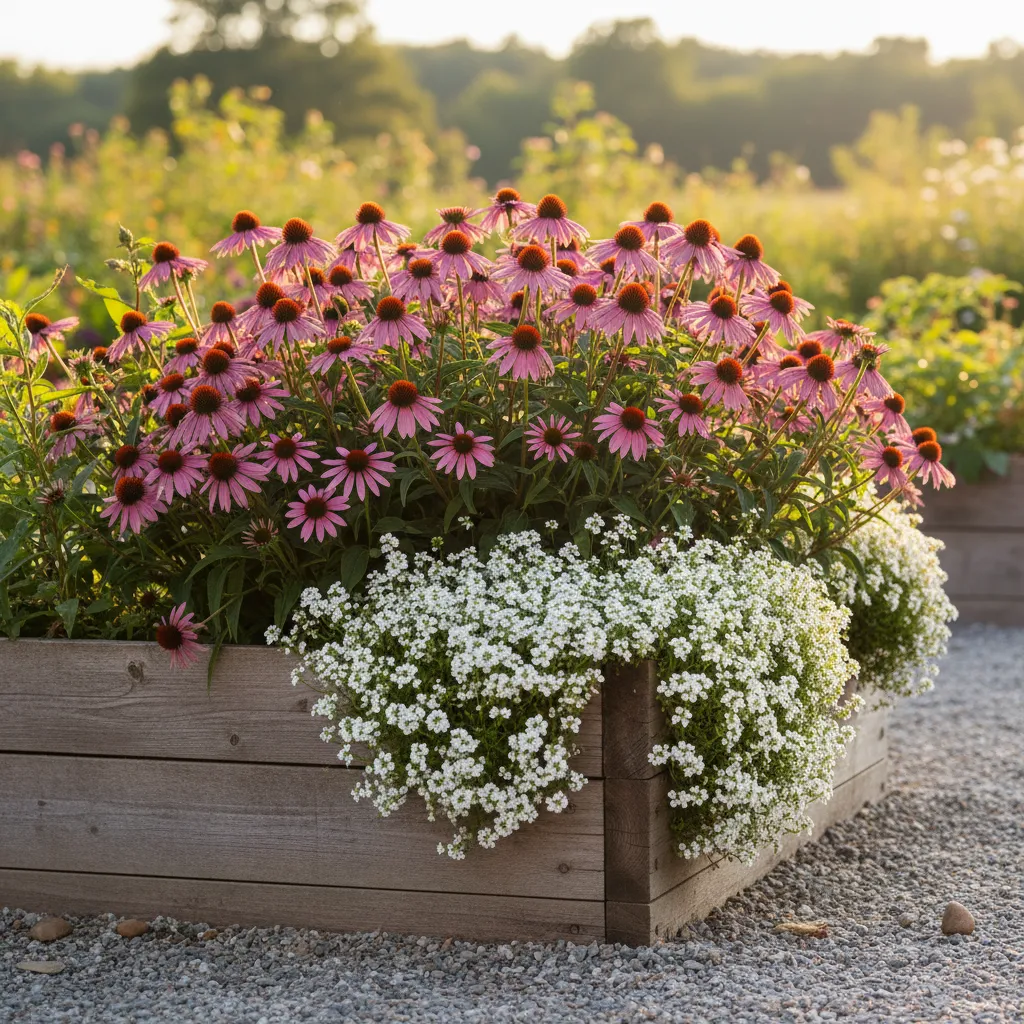
A four-by-four raised bed is the ideal canvas for a beginner gardener. It offers a contained space that is easy to manage while providing ample room for variety.
The beauty of this footprint lies in its accessibility. You can reach the center from any side without stepping into the bed, which preserves the fluffy soil structure.
Limit your space to expand your creativity; a small garden bed is a curated vignette of nature’s best work.
The Structural Foundation
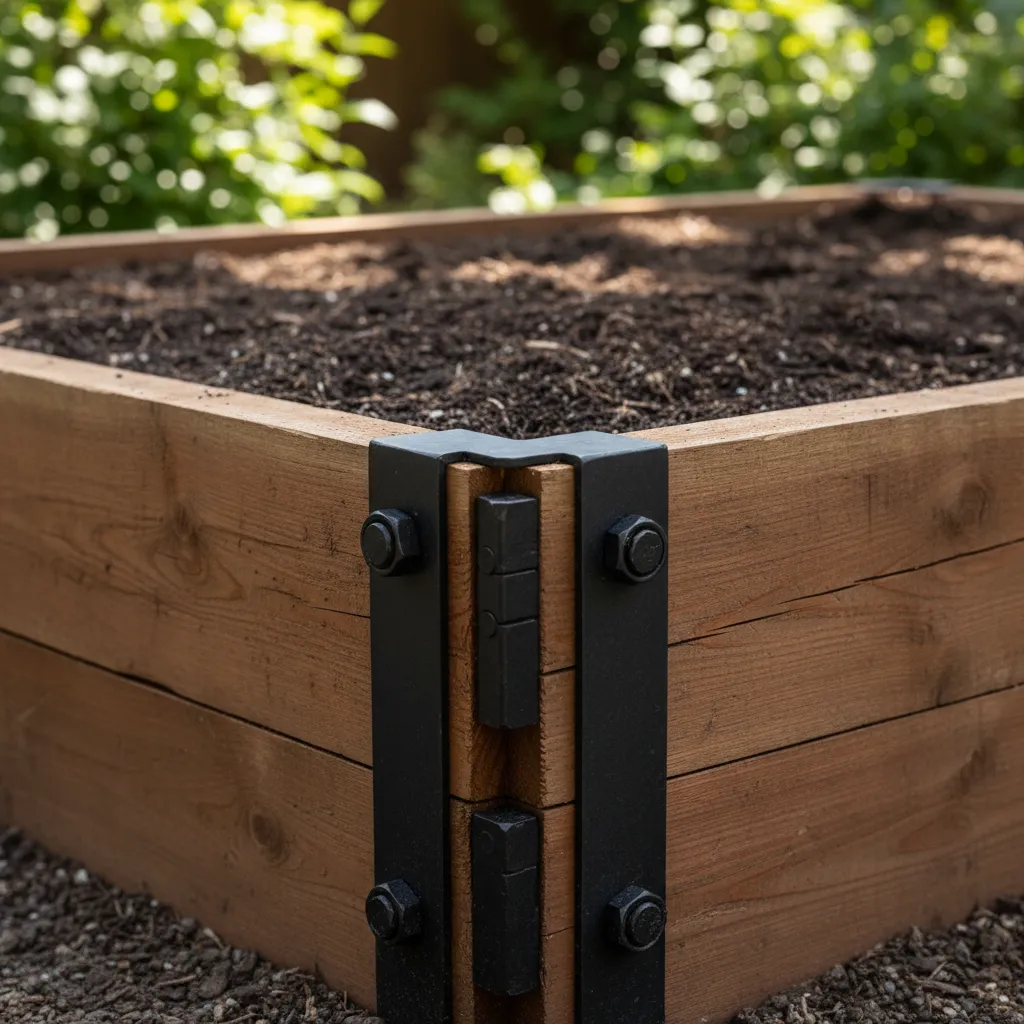
Start with a frame made of untreated cedar or redwood. These materials naturally resist rot and add a warm, organic texture to your yard that silvers elegantly over time.
Place your bed in a spot that receives at least six hours of sunlight. This lighting ensures your blooms remain vibrant and stems grow strong rather than becoming leggy.
If you are looking to integrate this bed into a larger plan, consider how it aligns with chic & easy backyard landscaping designs on a budget.
The Planting Strategy: Mix and Match
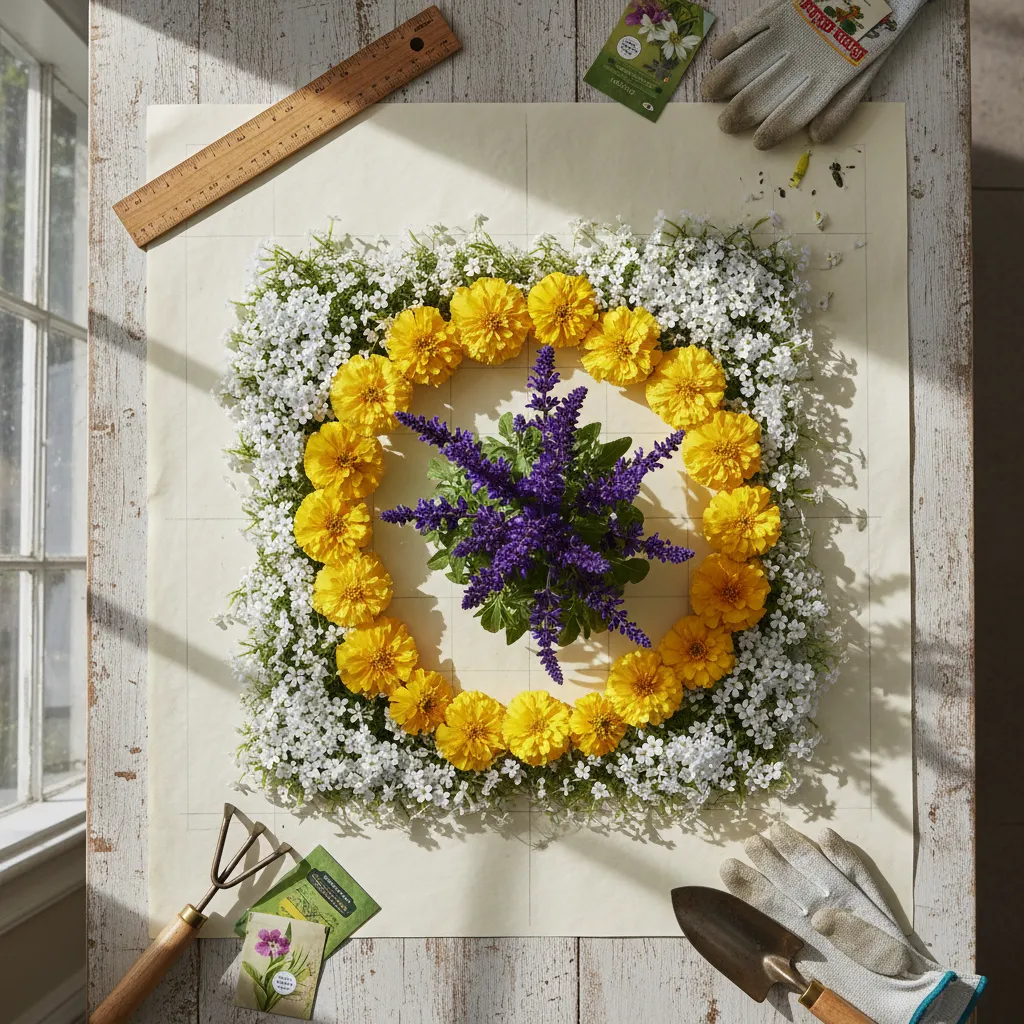
The secret to a dynamic bed is mixing perennials for longevity with annuals for instant impact. This creates a layered look with varying heights and rich textures.
Perennials return every year and form the backbone of your design. They provide sturdy foliage and architectural shapes that anchor the visual weight of the bed.
Annuals serve as your seasonal jewelry. They bloom continuously through the summer, filling gaps with soft petals and vibrant hues that pop against the greenery.
The love of gardening is a seed once sown that never dies.
Gertrude Jekyll, Wood and Garden
Sample Layout for Constant Color
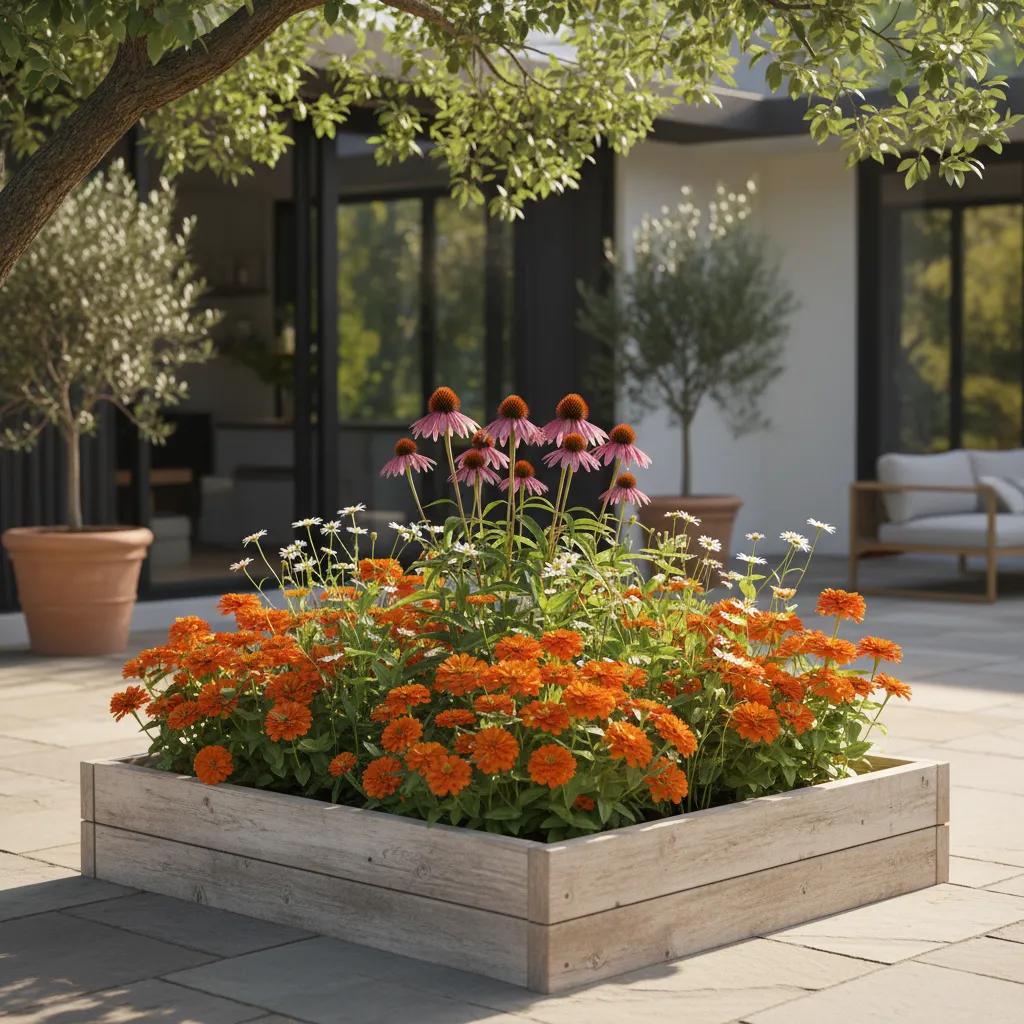
To maximize this small footprint, think in concentric circles or a grid system. This ensures every plant gets the airflow and sunlight it needs to thrive.
Try this proven arrangement for a balanced, aesthetically pleasing display that offers both height and cascading edges.
- Center (The Anchor): Plant one substantial perennial like a Peony or Russian Sage. This creates a tall focal point that draws the eye upward immediately.
- Middle Ring (The Filler): Surround the anchor with medium-height annuals. Zinnias or Snapdragons work well here to add dense color and varied leaf shapes.
- Corners (The Accents): For added personality, you can nestle in easy hand painted flower pots filled with herbs.
- Edges (The Spillers): Finish the perimeter with low-growing plants like Alyssum or Lobelia. They soften the hard lines of the wood by spilling over the sides.
Bloom Box Hacks
- Use twine and small stakes to divide your 4×4 space into a sixteen-square grid, making it easier to visualize the spacing for your ‘spillers’ and ‘fillers’.
- Plant your tallest perennial slightly off-center toward the north side of the bed to ensure it doesn’t cast unwanted shade on the shorter sun-loving annuals.
- Incorporate a layer of mulch around your perennials to help retain moisture and keep the soil temperature consistent, which reduces the frequency of watering during peak summer.
Blueprint 3: The Shady Nook Layout with Hostas and Impatiens
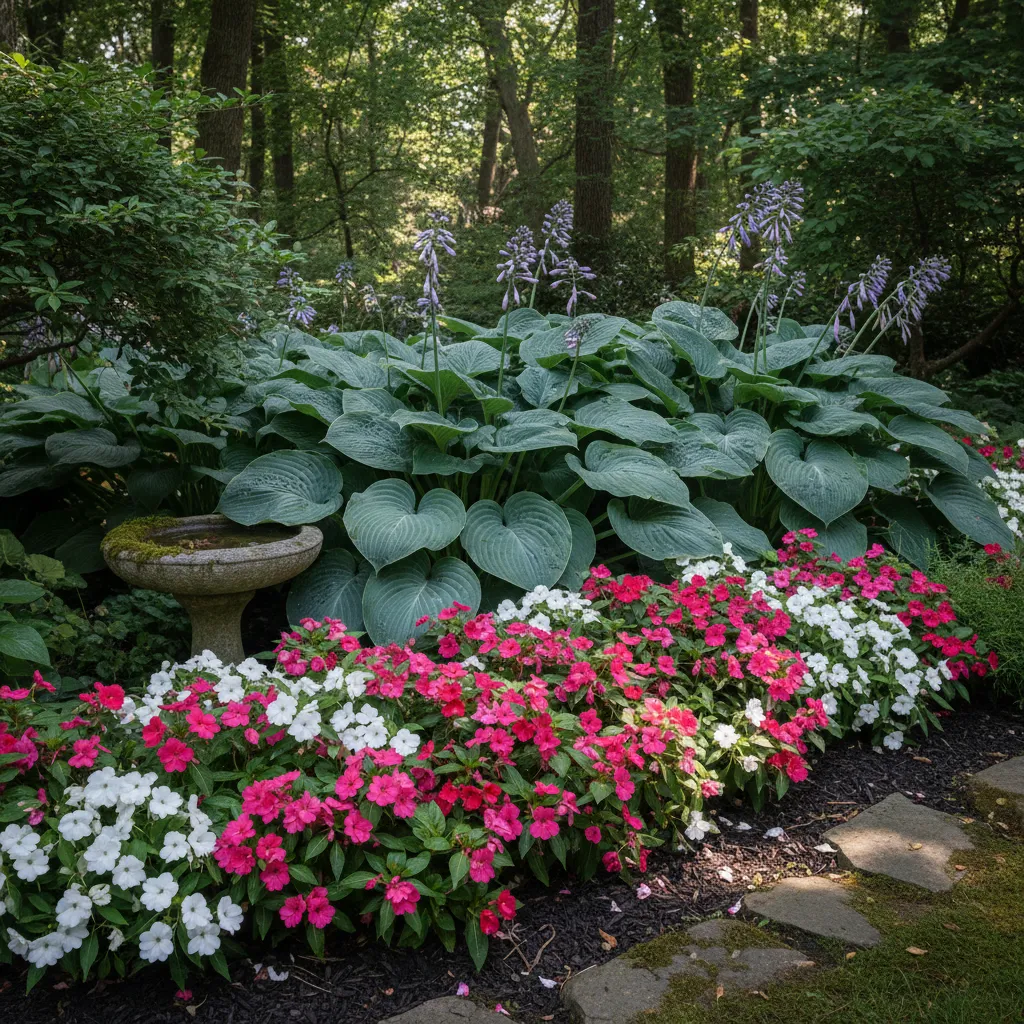
Many beginners view shady corners as difficult problem areas. However, these spaces offer a unique opportunity to create a cool, calming retreat.
The lack of harsh sunlight allows for a focus on lush, deep greens. This blueprint transforms a dark patch into a vibrant, textural display.
We rely on the contrast between bold foliage and delicate blooms. The large, waxy leaves of Hostas provide a structural backdrop for the flowers.
In the garden, shade is not a deficit. It is a canvas for texture, form, and the subtle interplay of light and shadow.
The Shady Glow-Up
- Mix variegated Hosta varieties with white-edged leaves to act as natural reflectors, instantly brightening the darkest corners of your nook.
- Plant Impatiens in clusters rather than single rows to create high-impact ‘color clouds’ that pop against the solid green Hosta backdrop.
- Check soil moisture regularly; while shade stays cooler, large tree canopies can act like umbrellas, preventing rainwater from reaching your plants.
Creating Visual Depth with Foliage
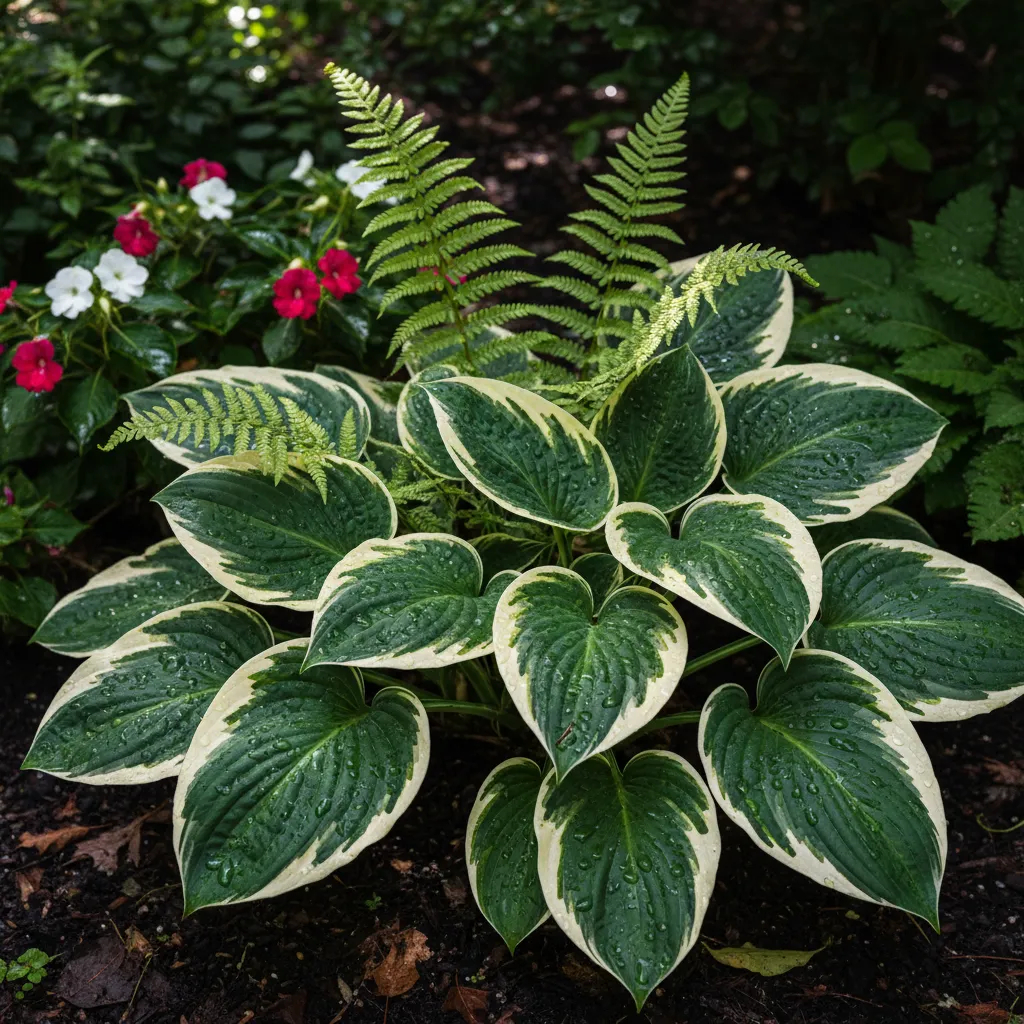
Texture is the secret weapon of a successful shade garden. Without bright sun to highlight color, the surface of the leaf becomes the focal point.
Choose Hostas with variegated leaves, such as those with cream or white edges. These lighter tones reflect minimal light and brighten the gloom.
Mix these broad leaves with fine-textured companions like ferns. This visual tension keeps the eye moving across the garden bed.
To enhance the peaceful atmosphere, consider adding homemade diy hanging bird feeders to the branches above.
The most important thing to remember about shade plants is that they are adapted to low light, not deep darkness. Dappled light is their ideal environment.
Monty Don, The Complete Gardener
Depth-Defying Hacks
- Layer plants by height and leaf size, placing broad hostas behind delicate ferns to create a 3D effect.
- Incorporate silver or white-edged foliage in the furthest corners to draw the eye and make the garden feel more expansive.
- Mix glossy and matte leaf finishes to catch stray light beams and add a sense of movement to the shadows.
The Pop of Color: Impatiens Placement
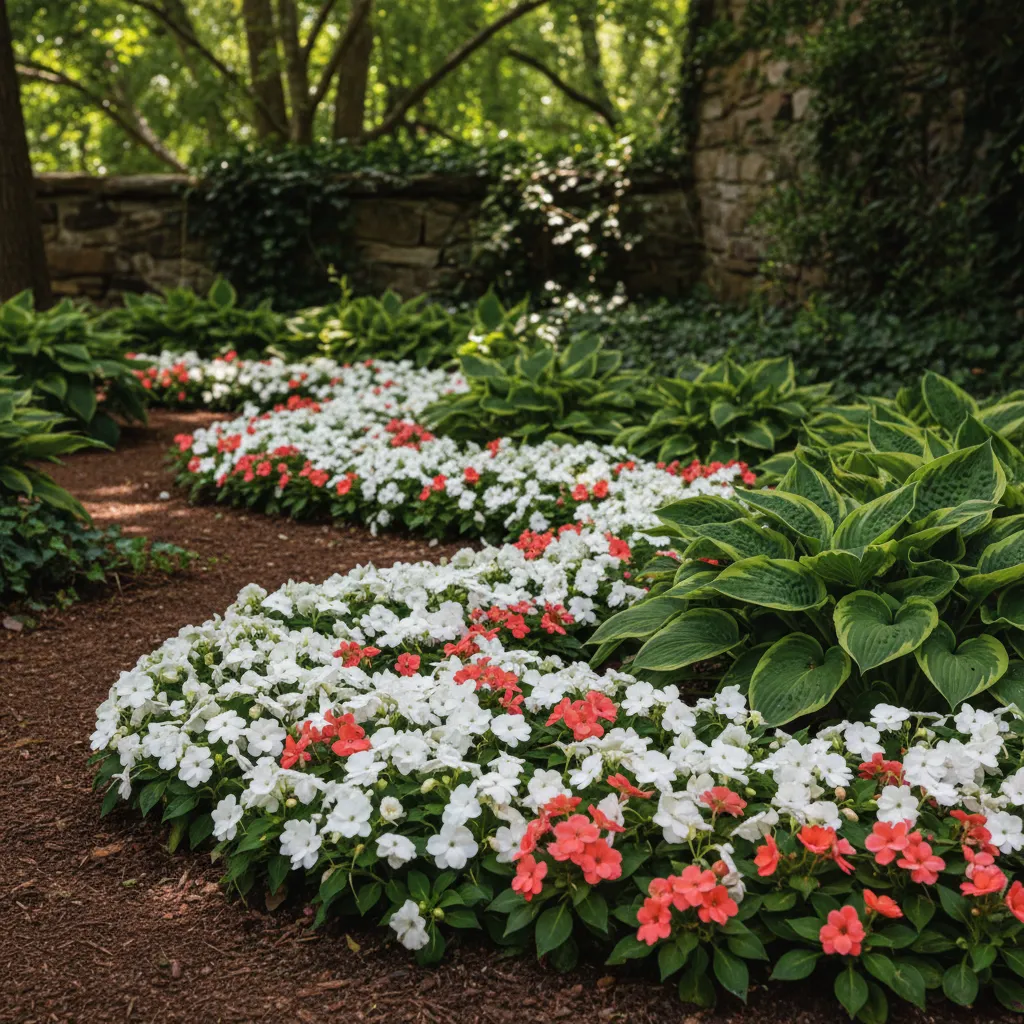
Impatiens are the perfect solution for bringing color to low-light zones. Their petals seem to glow even when they are not in direct sun.
Avoid dark reds or purples, as they tend to disappear in the shade. Instead, select white, bright pink, or coral varieties for maximum impact.
Plant them in drifts of three or five rather than straight lines. This organic grouping mimics how plants grow in a natural woodland setting.
If you are working with limited funds, this high-impact approach aligns well with chic easy backyard landscaping designs on a budget.
Layering Strategy Checklist
To achieve a professional look, you must layer your plants by height. This ensures every plant gets seen and contributes to the overall aesthetic.
- The Backdrop (Height: 18-24 inches): Plant large Blue Angel or Francis Williams Hostas at the back to hide fences or foundations.
- The Middle Ground (Height: 12-15 inches): Add medium-sized ferns or Bleeding Hearts to create a soft, feathery transition zone.
- The Border (Height: 6-10 inches): Plant a dense ribbon of Impatiens along the front edge to define the garden shape.
- The Floor (Groundcover): Use mulch or moss between plants to retain moisture and suppress weeds in the damp soil.
This layout creates a waterfall effect of foliage. It draws the eye downward from the bold back leaves to the delicate colorful border.
Watering is crucial here, as tree roots often compete for moisture. Ensure the soil remains consistently damp but not waterlogged.
Shade Styling Secrets
- Go for Glow: Opt for white or pale lavender impatiens to illuminate the darkest corners of your yard, as these hues reflect the most light at dusk.
- The Power of Odds: Always plant in odd numbers; groups of three, five, or seven create a more natural, fluid look that avoids the stiff appearance of straight lines.
- Pinch for Fullness: Gently pinch back the stems of young impatiens early in the season to encourage branching, which results in a much bushier and flower-heavy border.
Planting Day Guide: Digging, Spacing, and Essential Beginner Tools
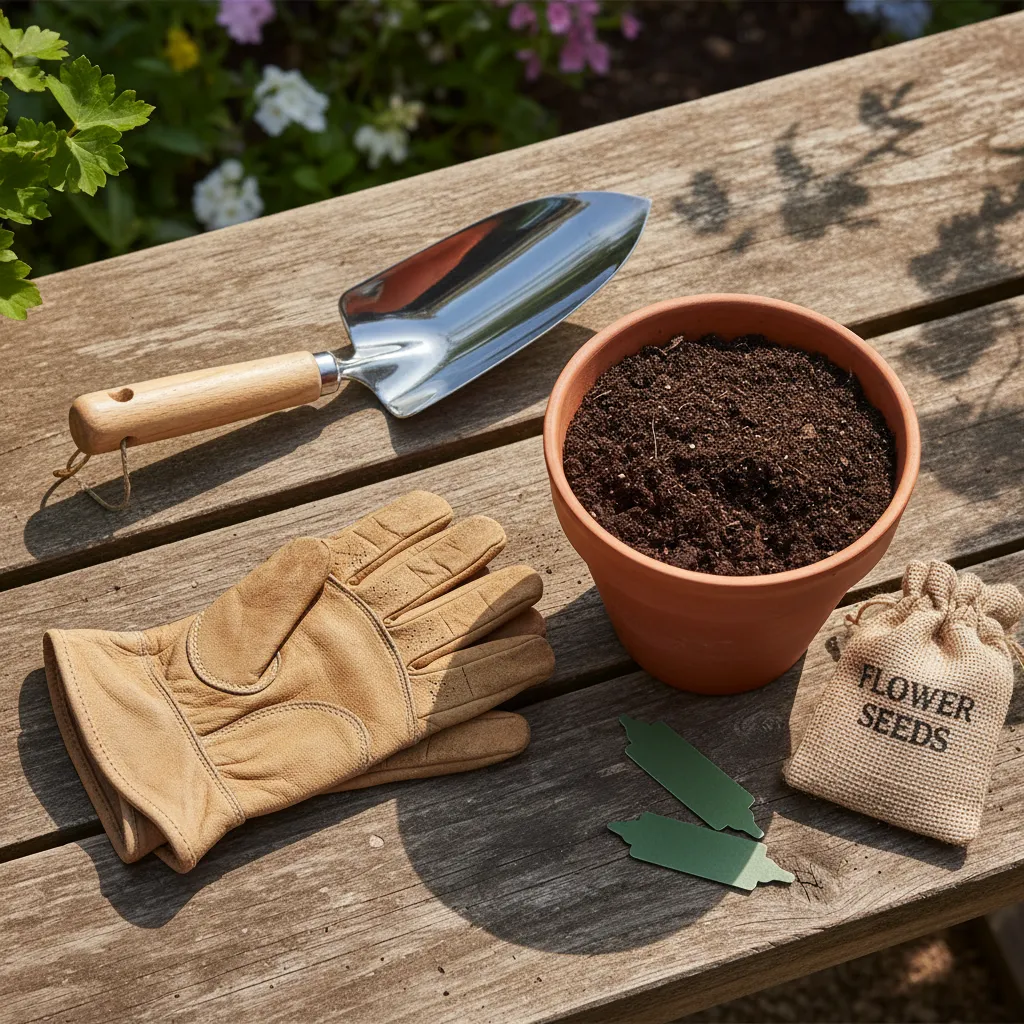
The morning you decide to plant is filled with anticipation. The air feels crisp, and the potential for a lush, vibrant space lies just beneath the soil.
Successful planting relies on preparation rather than luck. Having the right tools and a clear plan transforms hard work into a meditative ritual.
Gardening is not just about the flowers; it is about the rhythm of nature and the quiet joy of getting your hands dirty.
The Minimalist Beginner’s Tool Kit
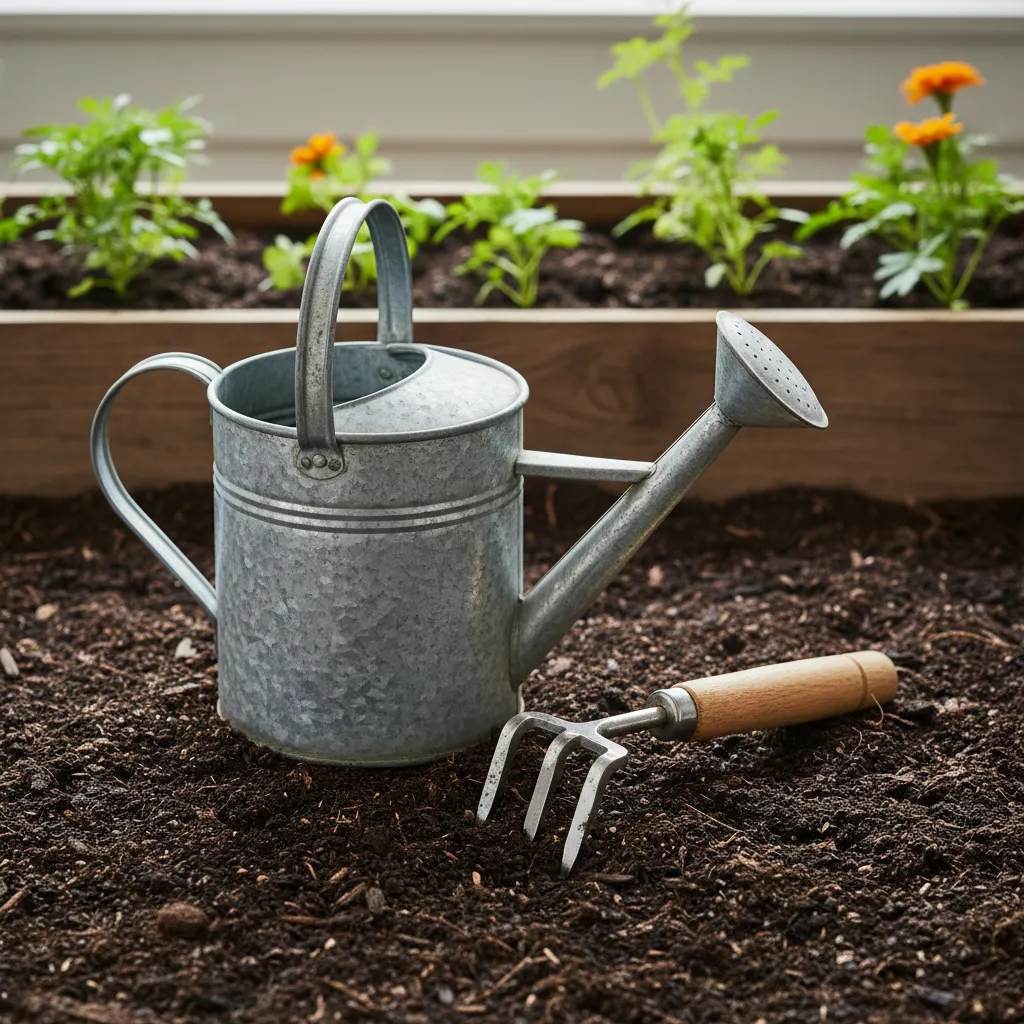
You do not need a shed filled with expensive equipment to start. A few high-quality items will serve you better than a clutter of gadgets.
Focus on ergonomic tools that feel balanced in your hand. This prevents fatigue and allows you to work longer with greater precision.
- Hand Trowel: Look for stainless steel with a wood handle. It cuts through soil cleanly and resists rust over time.
- Garden Gloves: Choose nitrile-coated gloves for wet work or breathable leather for pruning roses and handling rough stems.
- Watering Can: A long-spout design allows you to direct water to the base of the plant, keeping foliage dry and fungal issues at bay.
The Art of Digging and Placement
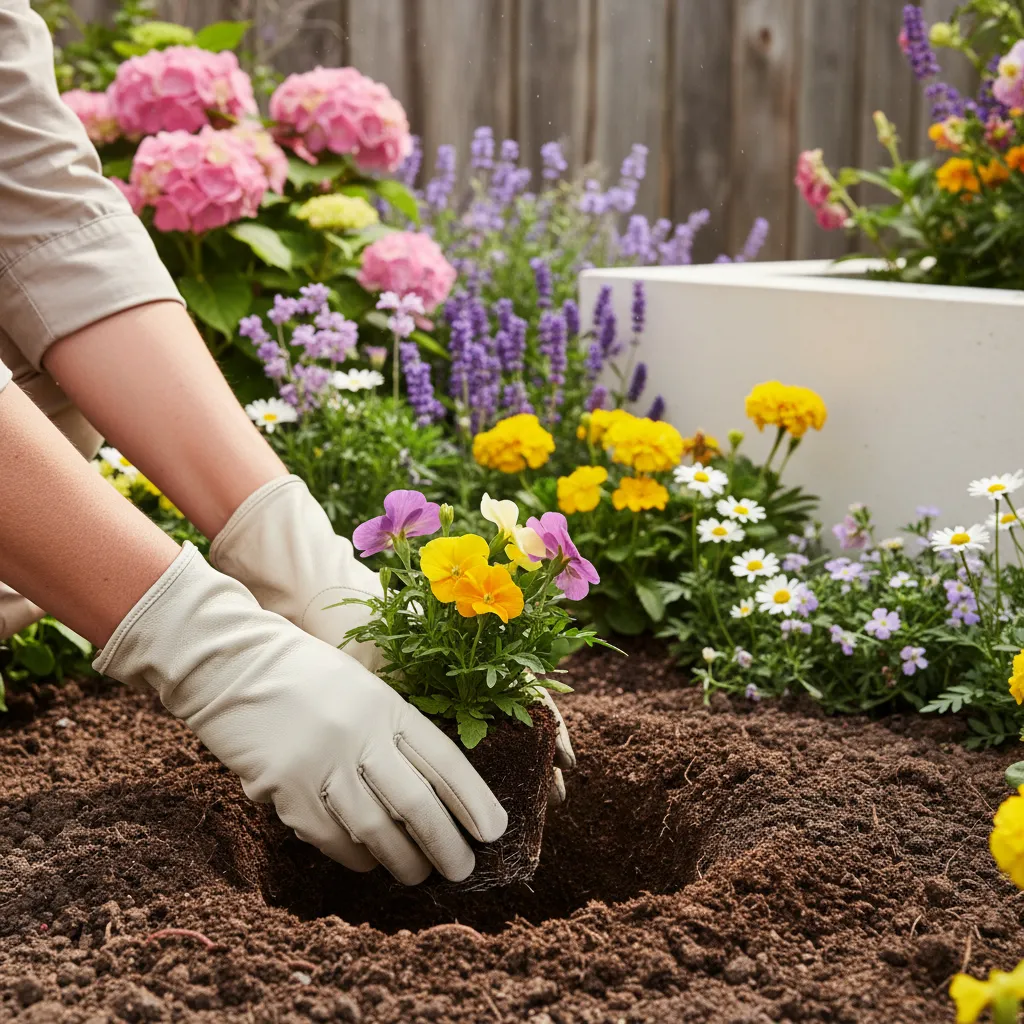
Proper digging ensures your flowers establish strong root systems. This foundational step dictates how resilient your garden will be in the heat.
Dig your hole twice as wide as the pot but no deeper. The top of the root ball should sit level with the soil surface to prevent stem rot.
Gently tease the roots outward before placing the plant. This encourages them to grow into the surrounding earth rather than circling endlessly.
If you are working with containers instead of garden beds, you can explore 30 best fall plant pot ideas for seasonal home decor for inspiration on vessel choices.
To check if your soil is ready for planting, grab a handful and squeeze. It should hold its shape but crumble easily when poked. If it drips water, it’s too wet; if it falls apart like dust, it’s too dry.
The Royal Horticultural Society, Soil Cultivation Guide
Spacing and Visual Flow
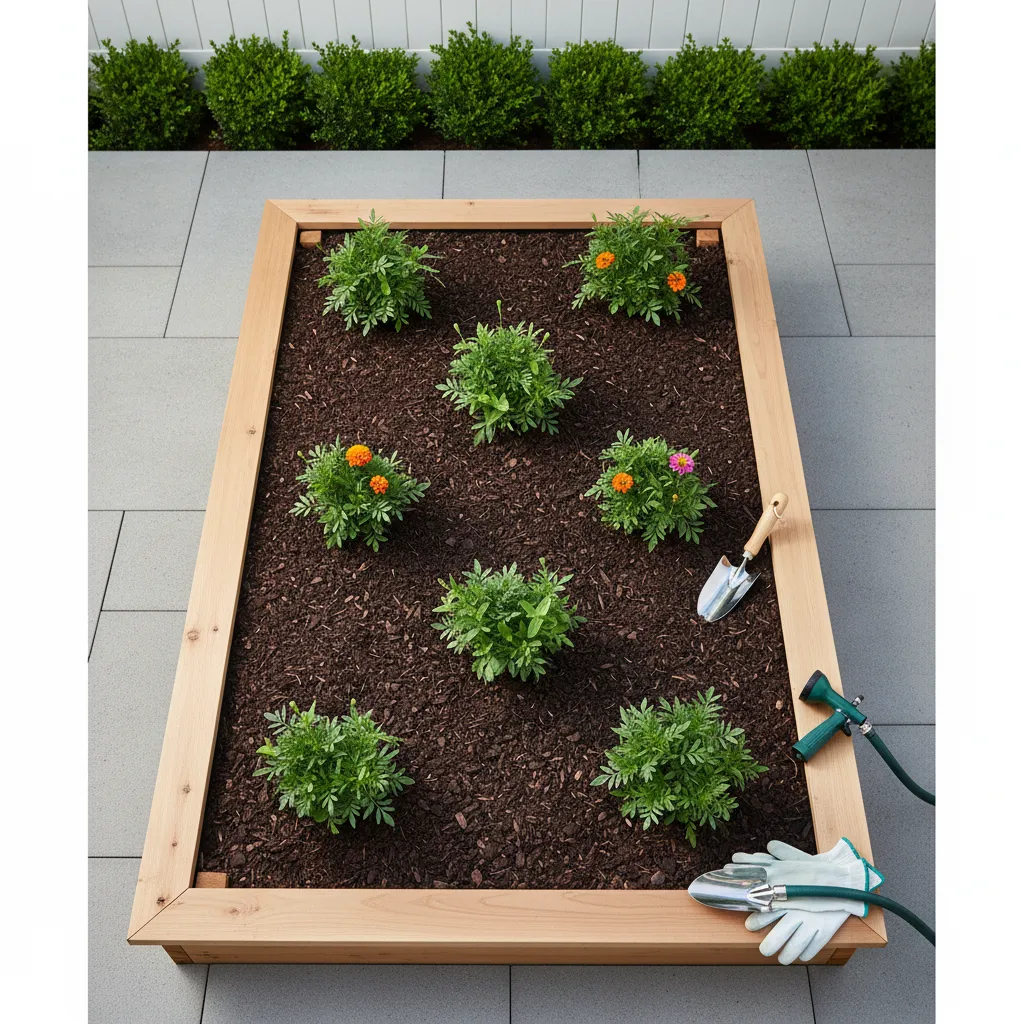
Spacing is where design meets functionality. Plants placed too close compete for nutrients, while those too far apart look sparse and disjointed.
Arrange your plants in odd numbers, such as groups of three or five. This creates a natural, organic look that feels curated rather than rigid.
Think about the mature size of the plant, not just its current size. This foresight prevents overcrowding as the season progresses.
For more inspiration on arranging small areas, review these top simple small front yard landscaping ideas on a budget to master your layout.
| Plant Type | Ideal Spacing | Visual Effect |
|---|---|---|
| Ground Cover | 6 to 12 inches | Creates a dense, carpet-like texture that suppresses weeds. |
| Annual Flowers | 8 to 12 inches | Provides an instant burst of color and a full, lush appearance. |
| Perennials | 12 to 18 inches | Allows room for yearly expansion and better air circulation. |
| Shrubs | 2 to 3 feet | Establishes structural focal points without crowding neighbors. |
Gardener’s Pro Secrets
- Mark your trowel handle with permanent ink at 6-inch intervals to create a built-in ruler for quick and accurate spacing measurements without needing extra tools.
- Water your plants while they are still in their nursery pots about an hour before transplanting to ensure the root ball is fully hydrated and easier to remove.
- In heavy clay soils, dig a square hole instead of a round one; the corners encourage roots to penetrate the surrounding soil rather than circling the edges.
The Final Flourish: Your Living Canvas
Designing a garden is simply extending your home’s aesthetic outdoors. By understanding light and soil, you create a foundation that lets nature do the heavy lifting.
Whether you choose a sunny border or a shady retreat, remember that simple blueprints lead to sophisticated results. Start small, remain purposeful, and keep it manageable.
Your garden is a living design element. Embrace the process, get your hands dirty, and watch as your curated outdoor room blooms into something truly personal.
Cultivating Clarity: Common Questions
Zinnias and Marigolds are incredibly forgiving. They tolerate heat well and add immediate, vibrant structure to your garden design without demanding constant fuss.
Test the soil texture with your finger. If the top inch feels dry and crumbly, it is time to hydrate. Listen to the soil rather than sticking to a rigid calendar.
Absolutely. Container gardening lets you bypass poor soil entirely. It allows you to create curated vignettes on patios or balconies with total control over the mix.
Full sun means at least six hours of direct light. If your space is dimmer, your ‘full sun’ blooms may grow leggy and weak. Always match the plant to your light zone.
