
Table of Contents
- The U-Shaped Layout: Zoning for Privacy and Infinity Pool Integration
- The Linear Pavilion: Solar Path Orientation for Natural Light Control
- The L-Shaped Plan: Optimizing Traffic Flow for Indoor-Outdoor Living
- The Breezeway Connector: Structural Strategies for Cross-Ventilation
- The Split-Level Stack: Analyzing Minimalist Material Palettes and Views
- Designing Your Summer Sanctuary
- Blueprint Breakdown: Common Design Questions
Designing a modern summer villa means creating a sanctuary where sunlight dictates the rhythm of your day.
It is about erasing the boundaries between cool interiors and the lush outdoors to capture the essence of the season.
The best floor plans prioritize airflow and natural light to ensure every corner feels breezy and inviting.
Achieving this effortless look requires a strategic layout that handles high traffic and sandy feet with grace.
Open concept living areas allow for seamless entertaining while smart zoning keeps private retreats quiet and restorative.
You do not need a massive footprint to achieve this; clever furniture placement can maximize even modest square footage.
Whether you are building from scratch or reimagining your current space, the ultimate goal is a home that supports relaxation.
We will explore layouts that balance sleek modern lines with the cozy warmth essential for summer lounging.
Let us dive into designs that turn your vision of a perfect getaway into a tangible reality.
The U-Shaped Layout: Zoning for Privacy and Infinity Pool Integration
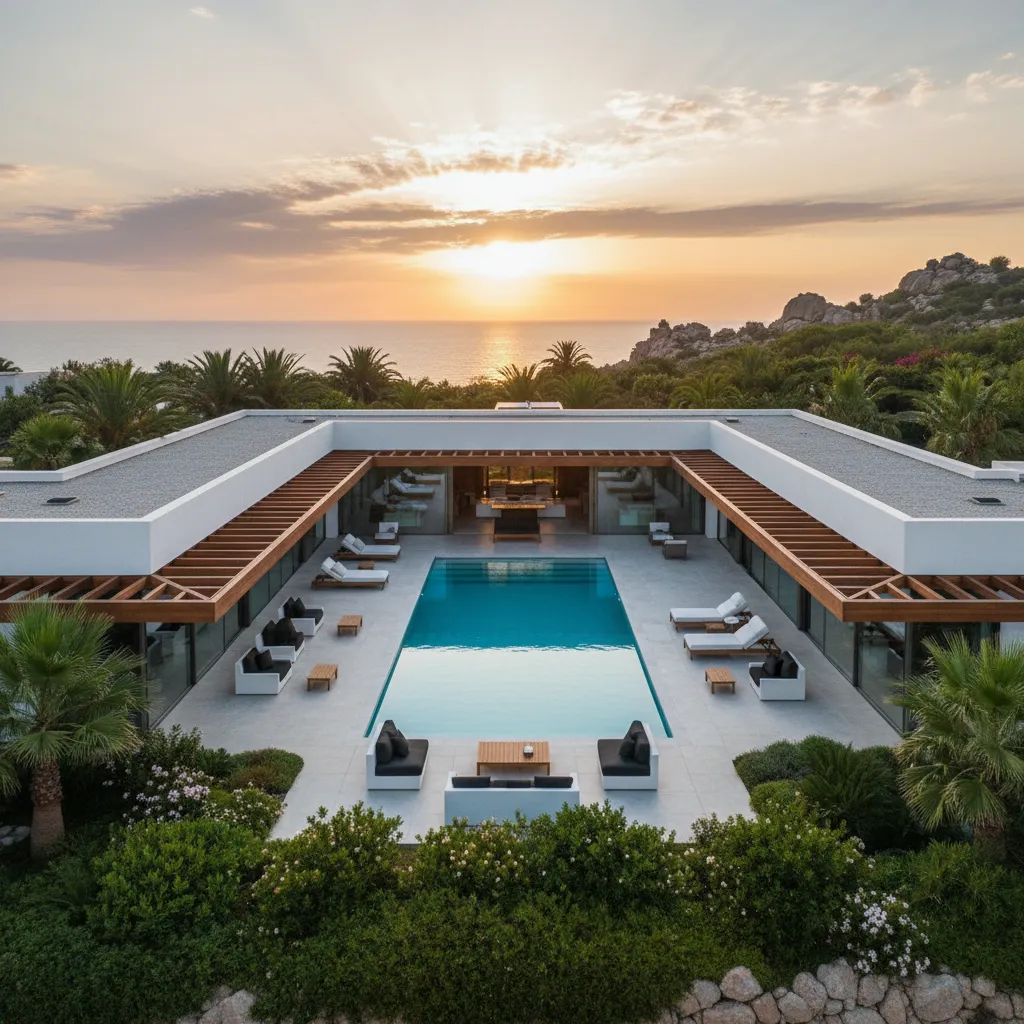
The U-shaped layout is a hallmark of high-end modern villa summer architecture; it naturally divides a home into distinct functional zones.
This configuration wraps around a central focal point. Usually, this is a courtyard or a stunning infinity pool, creating a private sanctuary.
By turning its back to the street, the house focuses inward; this maximizes privacy while maintaining an open feel within the property walls.
Imagine walking across cool polished concrete floors; the spatial flow guides you from the public entry into a secluded outdoor living room.
A U-shaped home feels like a warm embrace, protecting your privacy while opening its heart to the sky and nature.
For those exploring different structural configurations, our 15 modern house floor plans for stylish living guide offers excellent alternatives.
Design Blueprint
- Dedicate one wing of the ‘U’ strictly to sleeping quarters and the opposite wing to social areas to create natural acoustic separation.
- Align the open end of the layout with your best scenic view to create a structural ‘frame’ that turns the landscape into a living artwork.
- Install floor-to-ceiling sliding glass doors on the courtyard-facing walls to completely dissolve the barrier between your indoor lounge and the central pool.
Zoning for Lifestyle and Rest
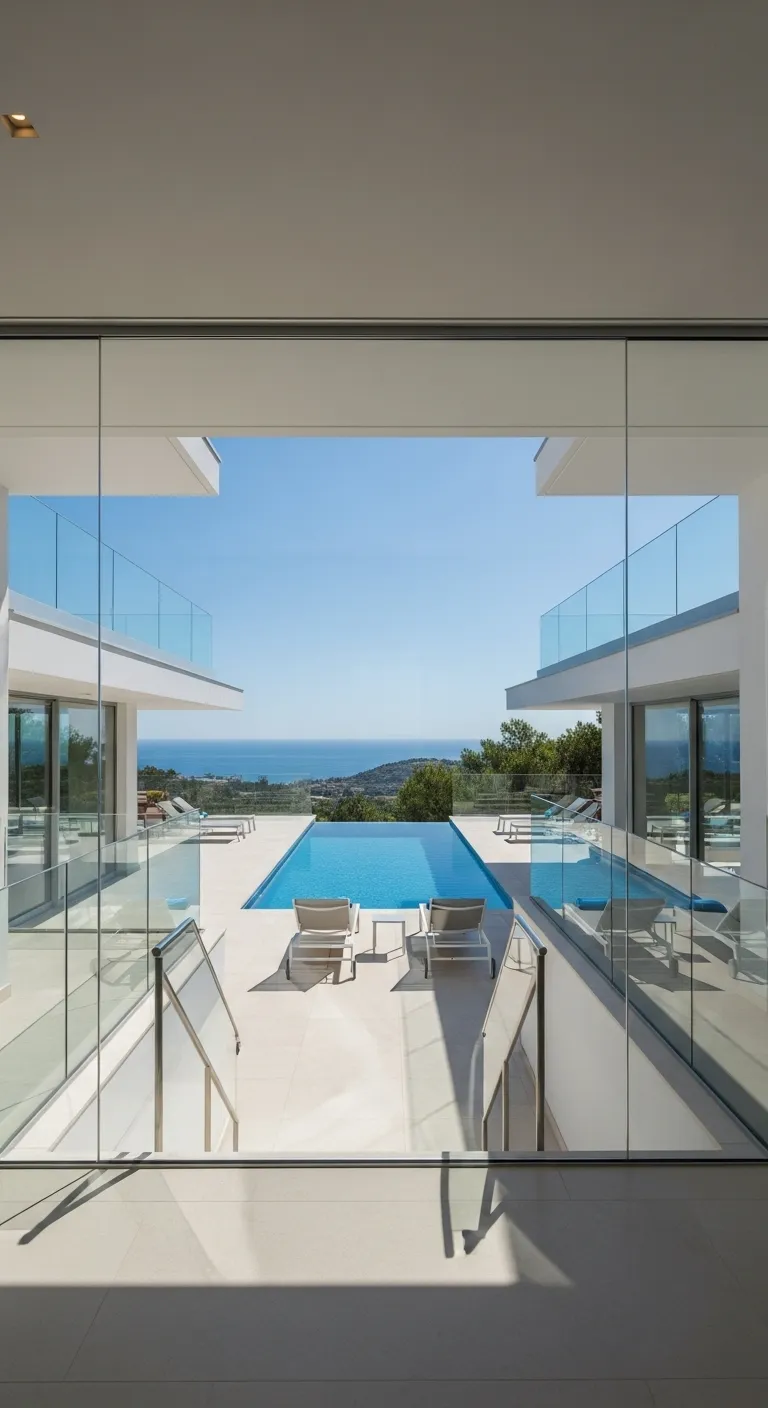
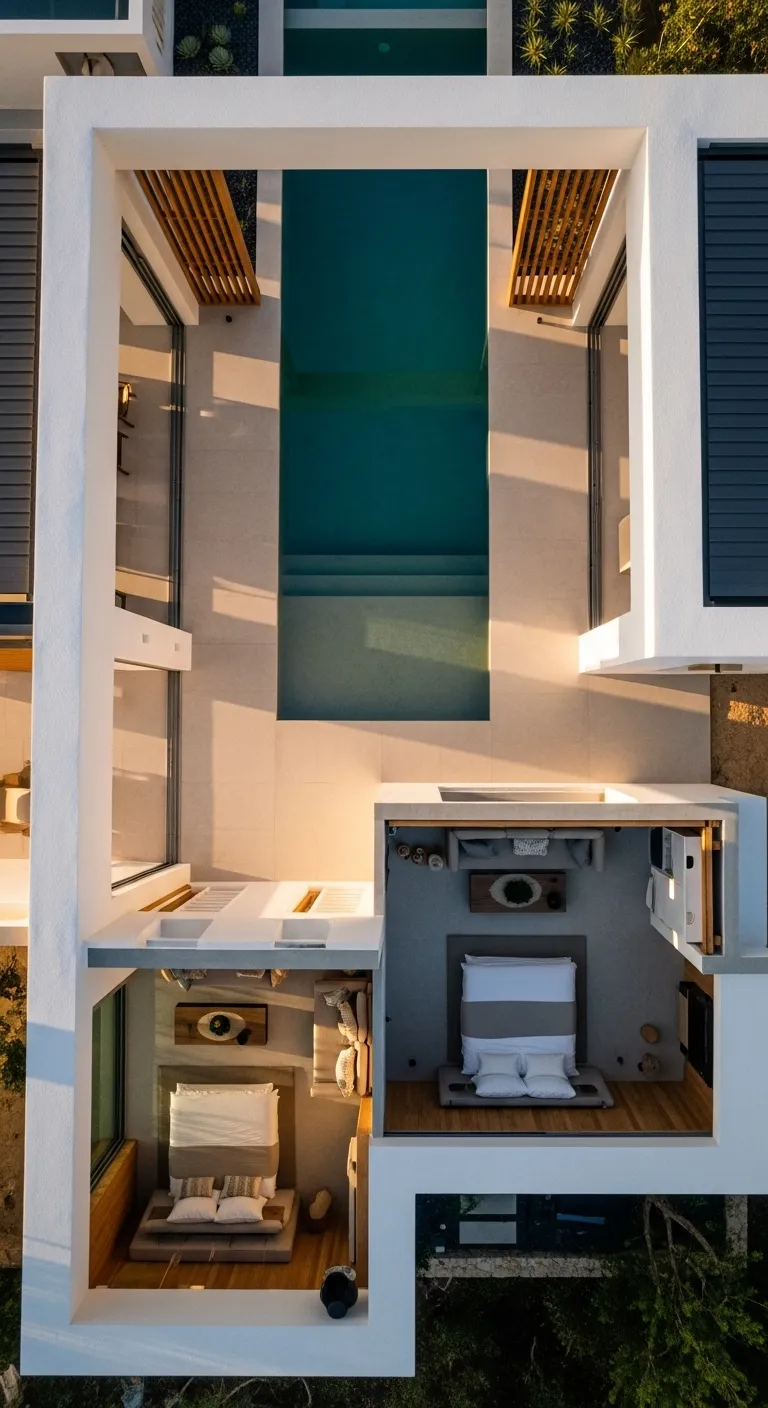
The primary benefit of this layout is the clear separation of wings. One wing typically houses social areas like the kitchen and dining room.
The opposite wing is dedicated to rest; this physical distance ensures that noise from the living area does not disturb the sleeping quarters.
In the bedroom wing, soft textures like linen curtains add warmth, contrasting beautifully with the structural glass and steel elements.
If you are designing this private wing, consider these 13 unique and stylish modern bedroom ideas for inspiration.
This zoning is essential for summer living; guests can enjoy the pool late into the evening without disrupting those who are sleeping.
The plan is the generator. Without a plan, you have lack of order and wilfulness. The plan holds in itself the essence of sensation.
Le Corbusier, Architectural Digest
Architect’s Insight
- Create a functional ‘sound buffer’ by positioning bathrooms, closets, or laundry rooms between the active social wing and the bedroom corridor.
- Soften the acoustics in glass-heavy sleeping quarters by layering high-pile rugs and floor-to-ceiling velvet or linen drapes to absorb echo.
- Install a heavy sliding pocket door at the threshold of the ‘rest wing’ to provide an immediate visual and acoustic seal when entertaining late.
Integrating the Infinity Pool
In a U-shaped floor plan, the pool is not just an accessory; it becomes the visual anchor of the entire home, where every room faces the water.
Reflected light from the water dances on the ceilings, creating a calming, ambient glow that changes throughout the day.
Large sliding glass doors should disappear into the walls; this erases the boundary between the cool interior and the warm summer deck.
Use materials that flow from inside to outside; continuing stone flooring onto the patio visually expands the square footage of the living area.
Layout Comparison: U-Shaped vs. L-Shaped

Choosing the right footprint is critical for your lot. Here is how the U-shaped design stacks up against the popular L-shaped alternative.
| Feature | U-Shaped Layout | L-Shaped Layout |
|---|---|---|
| Privacy Level | Maximum (Enclosed on three sides) | Moderate (Open on two sides) |
| Pool Integration | Central focal point | Side or corner feature |
| Land Requirement | Requires a wider, larger lot | Fits narrow or corner lots well |
| Natural Light | Captures light from multiple angles | Direct light on specific exposures |
Key Architectural Features for Summer Cooling
Modern villa summer architecture relies on passive cooling; the U-shape promotes excellent cross-ventilation through the courtyard.
- Deep Overhangs: Extend the roofline to shade glass walls from high noon sun while allowing low winter sun to enter.
- Courtyard Breezes: Opening doors on opposite sides of the U creates a wind tunnel effect that flushes out hot air.
- Thermal Mass: Use stone or concrete walls; they absorb heat during the day and release it slowly at night.
- Operable Skylights: Install these in the connecting corridor to let rising heat escape from the center of the home.
The result is a home that breathes; it feels airy and minimal, reducing the need for artificial air conditioning even in the heat of summer.
Architect’s Insight
- Install flush track systems for your sliding glass doors to eliminate tripping hazards and create a seamless physical transition between the cool interior and the sun-soaked deck.
- Position underwater pool lighting to angle upwards; this amplifies the water reflection effect on your interior ceilings at night, turning the pool into a dynamic art installation.
- When selecting stone flooring for indoor-outdoor continuity, ensure the exterior pavers have a higher slip-resistance rating while maintaining the same color tone to ensure safety without breaking the visual flow.
The Linear Pavilion: Solar Path Orientation for Natural Light Control

The linear pavilion layout is a hallmark of modern villa architecture, prioritizing a narrow footprint to maximize exposure to natural elements.
By extending the floor plan along an east-west axis, you control how sunlight interacts with your interiors throughout the day; this is vital.
A well-oriented home reduces reliance on artificial lighting, capturing the warm morning glow in the east and soft evening light in the west.
This approach enhances the atmosphere of the space. Imagine walking across warm, sun-drenched raw wood floors during your morning coffee routine.
For those exploring structural options, understanding these modern house floor plans is the first step toward a cohesive design.
Light is not just illumination; it is the brush that paints the mood of your entire home.
Architect’s Insight
- Position private quarters like bedrooms on the eastern side to wake up with natural light, while placing social zones to the west to capture the golden hour.
- Utilize deep roof overhangs on southern exposures to block harsh high-noon summer sun while allowing the lower winter sun to naturally warm the space.
- Leverage the narrow footprint by aligning windows on opposite walls; this creates seamless cross-ventilation to cool the home as effectively as it lights it.
Morning Light vs. Afternoon Shade

Placement of rooms is critical in a linear layout. Kitchens and breakfast nooks thrive on the eastern side of the villa to catch early rays.
This “wakes up” the house naturally; the light here is crisp and energizing, perfect for starting the day without harsh glare.
Conversely, living areas are often best situated to the south or west; however, these areas require protection from the intense afternoon heat.
Deep roof overhangs are a functional necessity here; they block the high summer sun while allowing lower winter sun to penetrate and warm the room.
If you don’t have proper lighting, you don’t have a room. It is the most important element in decorating.
Bunny Williams, House Beautiful
Sun-Savvy Secrets
- No deep eaves? Plant deciduous trees on the western side of your villa. They provide a natural leafy canopy against summer heat but drop their leaves to welcome warming winter sun.
- Maximize the crisp eastern light by placing a large mirror opposite the window in your breakfast nook; it bounces the energizing rays deeper into the home.
- If your living area faces west and overheats, install solar shades or architectural awnings to mimic the function of roof overhangs without requiring structural renovation.
Materiality and Light Absorption

The materials you choose dictate how light behaves once it enters. High-gloss finishes bounce light, making narrow spaces feel expansive.
Matte finishes, such as honed stone or linen upholstery, absorb light; this creates a cozy, hygge vignette that feels grounded and calm.
In darker corners or hallways that miss direct sun, selecting the right palette is key. Using lighter hues can mimic the feeling of brightness.
If you are struggling with dim spaces, consider looking into best paint colors for low-light rooms to artificially boost the luminance.
Key Design Elements for Solar Control
To master the linear pavilion look, focus on these architectural and decorative elements; they balance aesthetics with thermal comfort.
- Operable Clerestory Windows: Install these near the roofline to exhaust rising hot air and admit diffuse northern light.
- Thermal Mass Floors: Use polished concrete or stone to absorb heat during the day and release it slowly at night.
- Automated Solar Shades: Integrate sheer roller shades that cut UV rays without blocking the view of the garden.
- Reflective Palettes: Utilize mirrors and metallic brass accents to bounce light into the deeper parts of the floor plan.
- Strategic Landscaping: Plant deciduous trees on the south side to provide summer shade and winter light when leaves fall.
This careful orchestration of light and structure ensures the home feels organic, connecting the indoors to the passing of the day outside.
The Illumination Edit
- Place a large mirror or metallic accent piece directly opposite a window to bounce sunlight into the room’s deeper, darker corners.
- When selecting paint for dim areas, check the Light Reflectance Value (LRV) on the swatch; aim for 60 or higher to artificially boost brightness.
- Balance high-gloss surfaces with matte textures; like placing a linen rug on polished concrete; to soften harsh glare while maintaining an airy feel.
The L-Shaped Plan: Optimizing Traffic Flow for Indoor-Outdoor Living
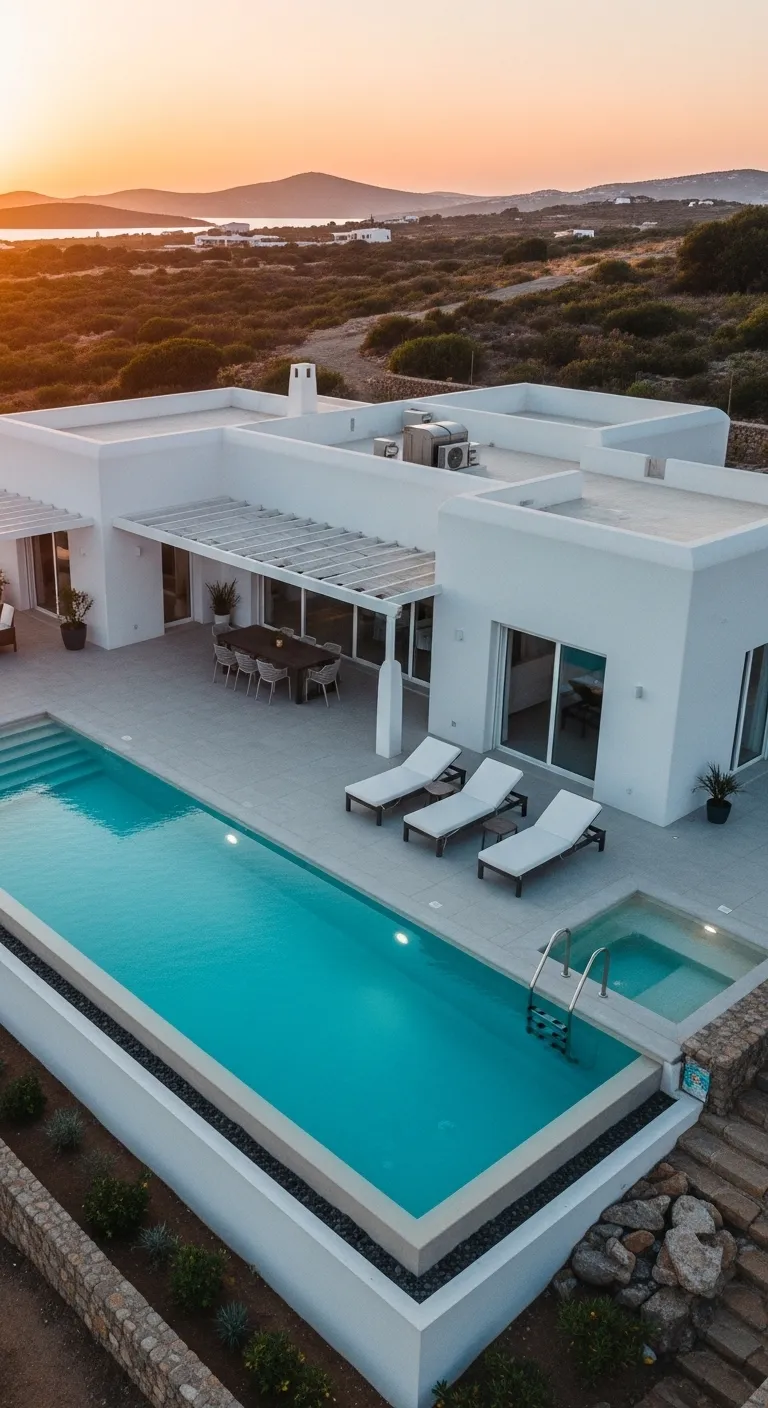
The L-shaped layout is a hallmark of modern summer architecture. It offers a natural solution for privacy while maximizing natural light, creating a sheltered courtyard effect.
Imagine walking across cool, honed limestone floors; the spatial flow guides you effortlessly from the main entrance toward the central outdoor zone where large glass sliders blur the boundaries.
This layout excels at capturing cross-breezes. By orienting the “L” against prevailing winds, you protect the patio while allowing air to circulate through the interior spaces.
Architecture should not just enclose space, but create a dialogue between the indoors and the landscape.
Zoning for Privacy and Entertainment

The primary benefit of this floor plan is the distinct separation of zones. One wing typically houses the social areas, including the kitchen and dining space, keeping noise contained.
The perpendicular wing is dedicated to private quarters. Bedrooms located here remain quiet sanctuaries, even when guests are gathered in the living room; it is perfect for families.
Effective zoning requires smart furniture placement.
If you are working with limited square footage, exploring living and dining room combo ideas can help you maximize the utility of the social wing without clutter.
The Courtyard Connection
The internal angle of the “L” naturally frames an outdoor living area. This space becomes an extension of the home, perfect for a pool or a dining patio; it feels intimate and protected.
Design this area with cohesive materials to enhance the flow. Use the same stone flooring inside and out to visually expand the room; this trick makes the villa feel significantly larger.
The beauty of an L-shaped house is the ability to have a private outdoor space that feels like an extension of the indoor living area.
The Spruce Editors, The Spruce
Optimizing Sunlight and Views
Proper orientation of the plan is critical. In a summer villa, position the long axis to minimize direct afternoon heat while maximizing morning sun; this keeps the interior cool.
Consider the exterior finish carefully. Light-colored stucco or raw concrete reflects heat. For inspiration on finishes, look at modern exterior colors that complement natural landscapes.
| Wing Orientation | Primary Function | Lighting Effect |
|---|---|---|
| North-Facing | Living / Social Areas | Consistent, soft ambient light throughout the day. |
| East-Facing | Kitchen / Breakfast Nook | Bright morning sun; cools down by evening dinner. |
| South-Facing | Pool Deck / Patio | Maximum sun exposure, ideal for summer lounging. |
| West-Facing | Bedrooms (with shades) | Warm golden hour glow; requires blackout curtains. |
Balancing these elements creates a home that breathes. The L-shaped plan remains a top choice for those seeking a modern, functional, and aesthetically pleasing summer retreat.
Architect’s Insight
- Create a seamless visual transition by extending your indoor flooring material onto the outdoor patio; this optical illusion blurs boundaries and makes the living space feel significantly larger.
- Utilize the internal corner where the two wings meet as a functional buffer zone; such as a gallery or entryway; to effectively dampen sound transfer between the social areas and private bedrooms.
- Maximize natural cooling by installing operable windows on the wall opposite your large glass sliders to create a ‘wind tunnel’ effect that flushes out warm air.
The Breezeway Connector: Structural Strategies for Cross-Ventilation

A breezeway is more than a hallway; it acts as the lungs of a modern summer villa. This feature connects living wings while inviting the outdoors in.
By aligning large sliding glass doors on opposite walls, you create a natural wind tunnel; this passive cooling significantly reduces reliance on AC.
True luxury is designing a home that breathes with the rhythm of nature.
The aesthetic appeal lies in the visual break it provides; the transition from a cozy living area to a sleeping wing becomes a sensory experience.
Designing for Maximum Airflow

To maximize the cooling breeze, orientation is key. Position the connector perpendicular to prevailing winds to capture fresh air effectively.
Large openings are essential for this effect. Consider installing wide entrances that blur the line between interior and exterior spaces.
For inspiration on grand entrances, explore 20 double door design ideas to enhance elegance and airflow.
Material choice dictates the atmosphere here. Cool honed stone underfoot provides relief from the summer heat and anchors the space structurally.
To get the best airflow, you want to position your windows or doors across from each other… creating a direct path for the breeze.
Cambria Bold, Apartment Therapy
Key Elements of a Functional Breezeway
Creating a successful connector requires specific architectural components. These elements ensure the space remains durable and visually cohesive.
- Flooring Continuity: Extend the patio paving into the breezeway to dissolve boundaries.
- Roof Overhangs: Deep eaves protect the glass from direct solar gain while allowing light.
- Recessed Tracks: Flush door tracks prevent tripping hazards and maintain a sleek look.
- Durable Finishes: Use weather-resistant materials like teak or sealed concrete.
When styling this area, minimalist restraint is crucial. A single sculptural bench or a large organic planter is often all that is needed.
If you want to add character without clutter, consider how 15 modern exterior colors that wow can influence the breezeway walls.
Lighting should be subtle and ambient. Low-level wall sconces or recessed floor lights guide the path without overpowering the evening view.
Architectural Edge
- Install retractable phantom screens on wide sliding tracks to enjoy the cross-breeze without inviting summer insects into your living space.
- Incorporate adjustable louvered windows alongside main doors to allow for secure, controlled ventilation even during rainstorms or at night.
- Keep the central airflow path unobstructed by avoiding bulky furniture in the breezeway; this ensures the ‘wind tunnel’ effect reaches deep into the connecting wings.
The Split-Level Stack: Analyzing Minimalist Material Palettes and Views

The split-level stack is a sophisticated architectural solution for modern villas; it breaks the monotony of a flat open plan.
By using short flights of stairs, you create distinct zones without closing off the space; this approach maintains a sense of airiness essential for summer homes.
The vertical separation allows for privacy in lounging areas while keeping the kitchen visual; it creates a seamless flow that encourages social interaction.
True minimalism isn’t about having less; it’s about making room for more of what matters: light, air, and the view outside.
Integrating Minimalist Materials
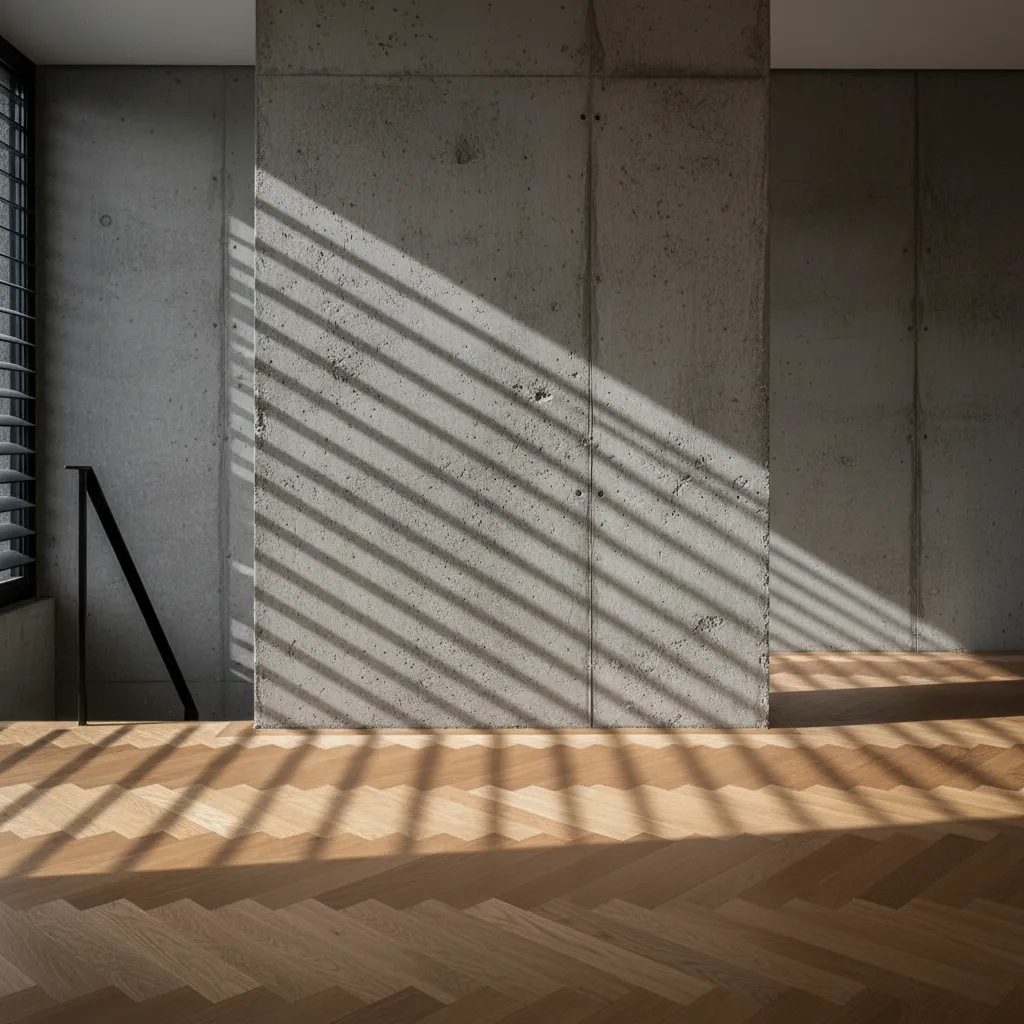
A minimalist palette is crucial for maintaining a calm atmosphere. In summer villas, texture plays a more important role than color.
Raw materials like concrete and natural stone are excellent choices; they provide thermal mass which keeps the interior cool during hot days.
Contrast these cool surfaces with warm timber accents. Oak or walnut slats on the ceiling can soften the acoustics and add organic warmth.
When designing these spaces, functionality is key.
For example, a sleek media area can be tucked into the lower level. You can explore 20 modern living room TV wall ideas to maintain that clean aesthetic.
The view is the most expensive design element you will ever buy. Don’t cover it up. Let the architecture frame nature like a piece of living art.
Kelly Wearstler, Vogue Living Masterclass Feature
Framing Views through Verticality
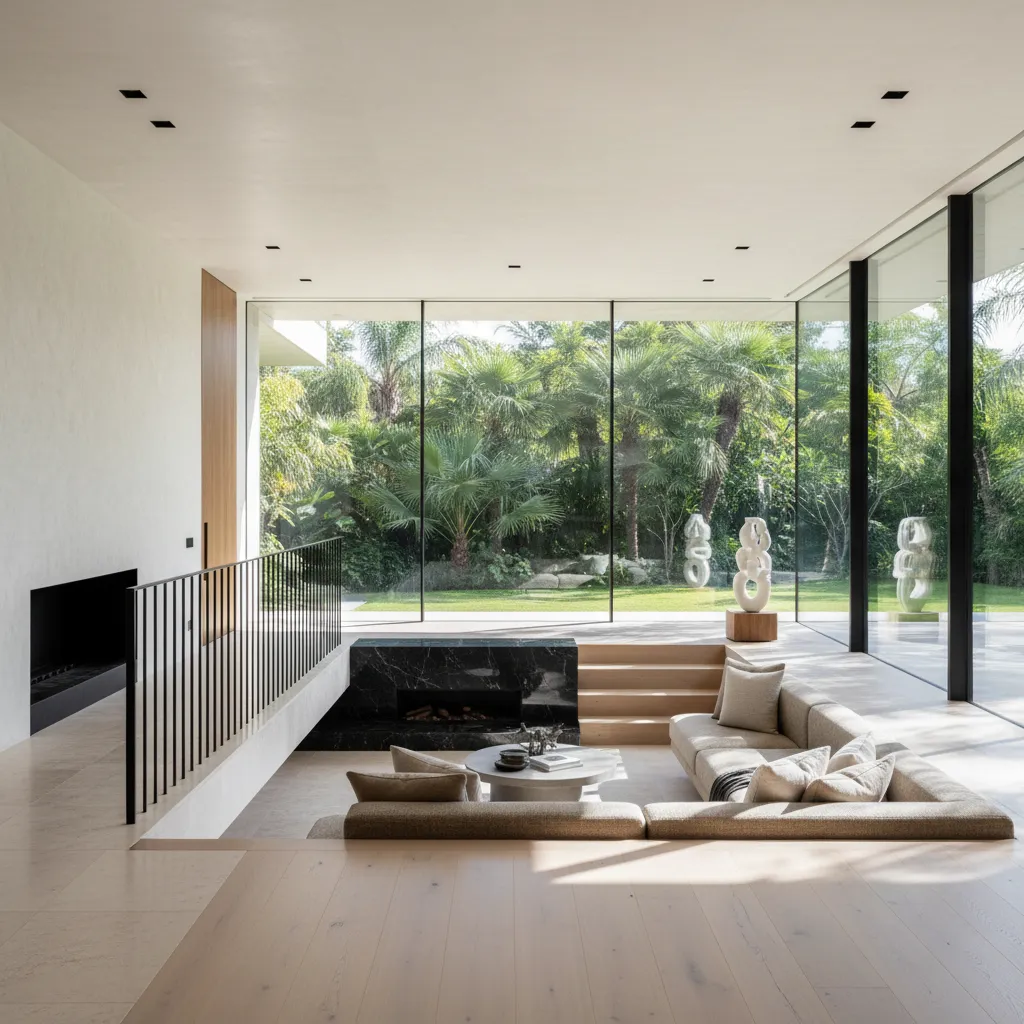
The “stacking” effect of a split-level home offers unique vantage points. Higher levels can look over the furniture below to the horizon.
This layout maximizes the intake of natural light. Sunlight filters through different levels, creating dynamic shadow play throughout the day.
Often, the lowest level transitions into a recreational zone. If you are digging down, consider these unique basement ideas to ensure the space feels bright and integrated, not dark or isolated.
Here are the core principles for designing a view-focused split level:
- Sightlines: Ensure the railing on the upper level is glass or cable to prevent visual obstruction of the landscape when seated.
- Ceiling Height: Vary the heights; compressing the entry creates a dramatic release when stepping into the double-height living area.
- Material Continuity: Use the same flooring material on the stairs as the main floor; this tricks the eye into seeing one continuous space.
- Window Alignment: Align the top of the windows across all levels; this creates a cohesive exterior façade and clean interior lines.
Ultimately, the split-level design creates a journey through the home; it forces you to pause on the landings and appreciate the architecture.
Architectural Insight
- Create a seamless vertical flow by extending the main floor material; such as polished concrete or stone; up the stair treads to trick the eye into seeing one continuous space.
- Preserve sightlines from the upper stack by using frameless glass or thin cable balustrades, ensuring the view remains unobstructed even when seated.
- Balance the acoustic harshness of minimalist raw materials by installing timber slats on ceilings; this adds visual warmth while dampening echoes in double-height zones.
Designing Your Summer Sanctuary
Embracing a U-shaped layout transforms a house into a private retreat; it cleverly balances the need for solitude with the joy of open summer living.
By centering your design around a pool or courtyard, you create a seamless flow; nature becomes part of your daily rhythm, from sunrise to sunset.
Remember, the best floor plan reflects how you live. Whether lounging by the water or resting in a quiet wing, your home should feel like an eternal vacation.
Blueprint Breakdown: Common Design Questions
Ideally, yes. This layout demands width to accommodate the wings and central courtyard; it works best on square or wide rectangular plots rather than narrow urban strips.
It can be. The increased surface area of exterior walls and foundations often drives up costs compared to a simple box, but the lifestyle payoff and natural light are immense.
The design is self-contained. Focus glazing inward toward your private courtyard. Use clerestory windows or solid walls on the street-facing sides for total seclusion.
Absolutely. The narrow wings allow for excellent cross-ventilation. Opening doors on both sides captures breezes, naturally cooling the home without heavy AC use.
