
Table of Contents
- The Remote Worker’s Haven: Cabins with Verified Connectivity
- The Adventure Hub: Cottages with Direct Trailhead Access
- The Secluded Sanctuary: Romantic Couples’ Retreats with Privacy
- The Group Lodge: Accessible Mountain Homes for Large Families
- The Rustic Off-Grid Experience: Essentials for Wilderness Stays
- Crafting Your Alpine Sanctuary
- Woods Wisdom: Design Dilemmas Solved
There is a distinct magic found in mountain living where the air feels crisper and the silence speaks volumes.
Designing a cabin or cottage in these wooded retreats requires a delicate balance of preserving natural charm while introducing modern comforts.
Whether you are nestled in a dense forest or perched on a rocky overlook, the goal is to create a sanctuary that reflects the rugged beauty outside your window.
Achieving that sophisticated yet cozy aesthetic does not imply breaking the bank or starting a massive renovation.
It is often about layering textures like wool and reclaimed wood, choosing the right warm lighting, or knowing exactly where to place a vintage rug for maximum impact.
We will explore how to mix high-end staples with budget-friendly hacks to curate a space that feels curated and lived-in.
Functionality remains the backbone of any successful mountain home design.
From mudrooms equipped for snowy boots to durable fabrics that withstand relaxing weekends, every decision should serve a purpose.
Let us dive into the essential design principles that will help you transform your woodland abode into a timeless retreat that welcomes you home season after season.
The Remote Worker’s Haven: Cabins with Verified Connectivity
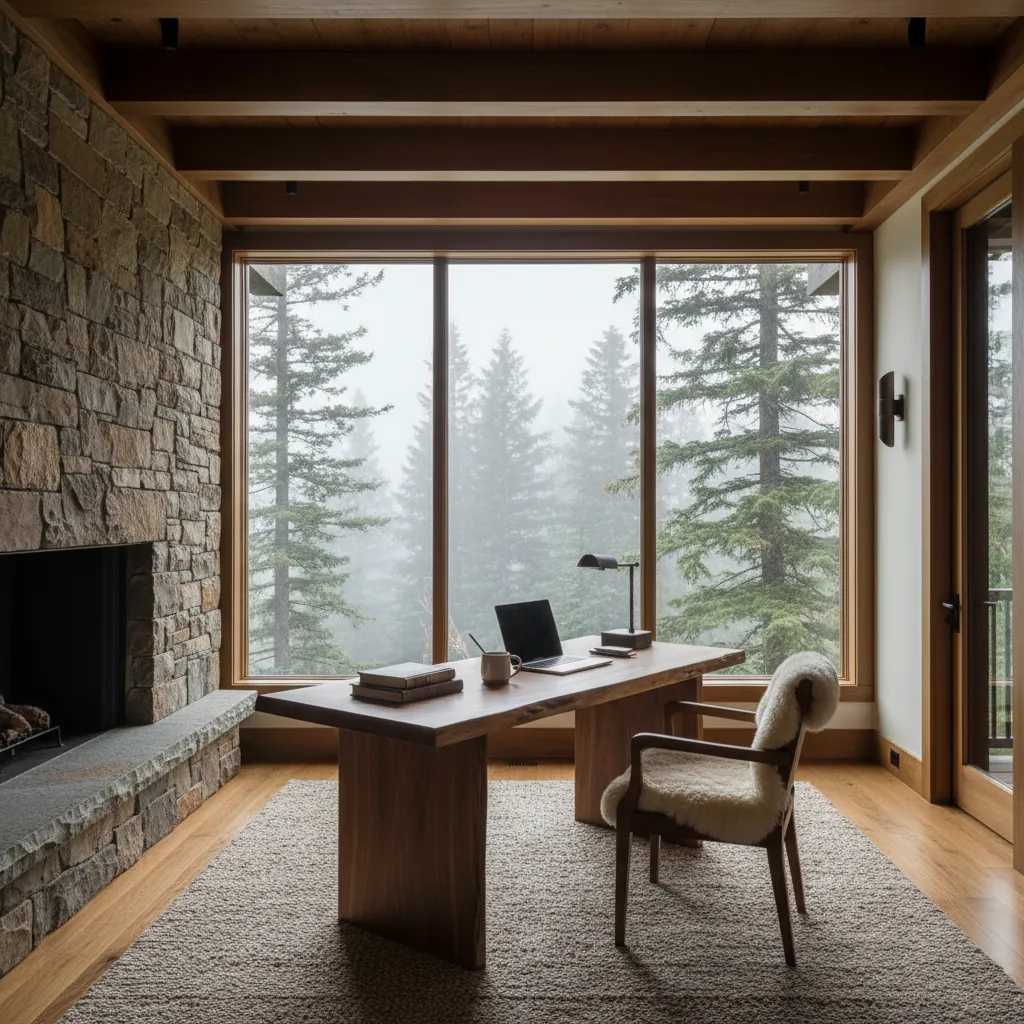
The modern escape to cabins and cottages in the woods mountain regions no longer requires disconnecting from the world completely. Today, the dream is a balance of solitude and signal.
For the remote worker, verified connectivity is as vital as the foundation itself.
High-speed internet allows these rustic sanctuaries to function as year-round residences rather than just weekend getaways.
Designing a workspace in this setting requires a delicate touch. You must blend ergonomic necessity with the organic textures of timber and stone.
True luxury in the modern cabin is the ability to work seamlessly while watching the mist roll over the mountains.
Positioning Your Desk for Flow and Focus

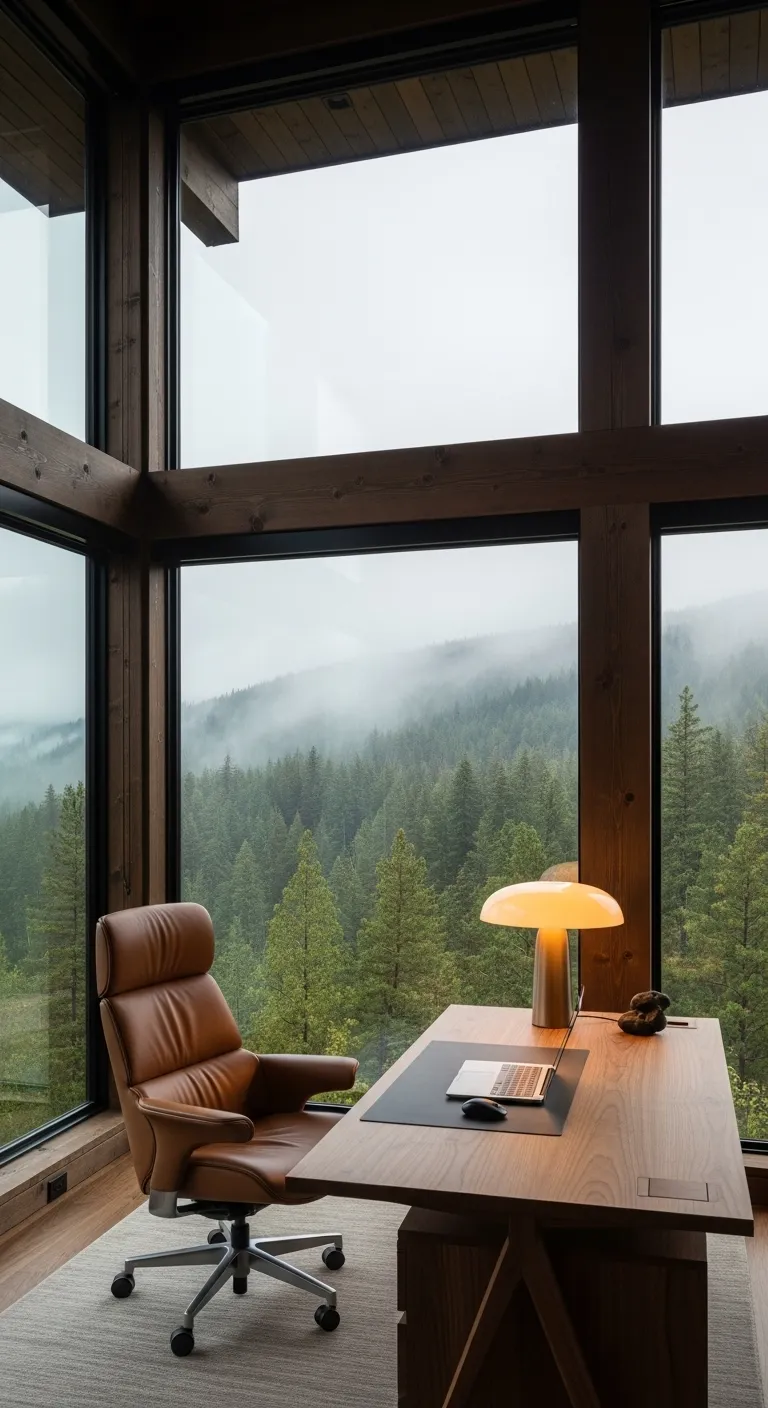
The placement of your desk dictates the energy of your workday. In a cabin environment, the goal is to harness natural light without creating glare on your screens.
Ideally, position your desk perpendicular to the main window. This captures the views of the forest canopy while maintaining a consistent light level for video calls.
To further define the zone, consider the walls surrounding your nook. Utilizing best office paint colors to increase productivity and focus helps mentally separate work from relaxation.
Earthy sage greens or deep charcoal tones often complement the raw wood beams found in mountain architecture.
The key to a functional home office is strictly separating it from your living space. If you can’t have a separate room, use a rug or lighting to define the zone.
Shea McGee, Studio McGee Design Tips
Integrating Tech Without Breaking the Aesthetic
Nothing ruins the cozy vignette of a log cabin faster than a tangle of black wires and blinking plastic routers. Concealment is the secret to maintaining the atmosphere.
Hide modems inside vintage woven baskets or ventilated wooden crates. Use cable clips along the back of furniture legs to keep cords invisible.
If your cabin requires a mesh network for coverage, place satellites on high shelves disguised by trailing plants or pottery.
Selecting the Right Desk Surface
The material of your desk anchors the room. Below is a comparison of popular materials suited for mountain interiors.
| Material | Aesthetic Warmth | Durability | Design Vibe |
|---|---|---|---|
| Live Edge Walnut | High | High (with seal) | Organic Luxury |
| Reclaimed Pine | Very High | Medium (soft) | Rustic Farmhouse |
| Tempered Glass | Low | High | Modern Minimalist |
| Matte Black Metal | Low | Very High | Industrial Chic |
Essential Connectivity Checklist
Before committing to a long-term stay or a renovation, ensure your cabin meets these specific technical standards for seamless remote work.
- Redundant Internet: A primary fiber or satellite line (like Starlink) plus a cellular hotspot backup.
- Mesh Wi-Fi System: Necessary to push a strong signal through thick log walls and stone chimneys.
- UPS Battery Backup: Mountain power grids can be fickle; this keeps your router running during flickers.
- Ergonomic Lighting: A combination of overhead ambient light and a warm task lamp for gloomy days.
By prioritizing infrastructure alongside aesthetics, you create a space where productivity feels natural rather than forced.
Cabin Workspace Wisdom
- Position your desk perpendicular to the main window to enjoy forest views without fighting screen glare or backlighting during video calls.
- Maintain the rustic aesthetic by hiding routers inside ventilated vintage baskets or concealing mesh nodes behind trailing plants on high shelves.
- Plug your modem and router into a UPS battery backup to ensure your internet stays live during frequent mountain power fluctuations.
The Adventure Hub: Cottages with Direct Trailhead Access

For the avid outdoor enthusiast, the ultimate luxury is proximity. Living right at the trailhead transforms the mountain experience completely.
It allows you to wake up and step immediately into the wild. This unique location requires a home design that bridges two very different worlds.
The interior must be rugged enough to handle the elements. Yet, it must remain a soft place to land after a long day of physical exertion.
Basecamp Essentials
- Design a ‘hard-working’ mudroom with radiant floor heating and open-air lockers to dry damp gear quickly, keeping the rugged elements contained at the door.
- Select patina-friendly materials like oiled leather and distressed wood that forgive scratches and dents, allowing your home to age gracefully alongside your adventures.
- Create a dedicated recovery zone, such as a steam shower or a Japanese soaking tub, to soothe tired muscles immediately after stepping off the trail.
The Decompression Zone: Mudrooms with Purpose

The entryway in a trailhead cottage is more than a door; it is a shield. This space acts as a functional airlock for dirt and moisture.
Start with flooring that is impervious to water. Slate tiles or sealed concrete offer a cool, textural contrast to warm wood walls.
Storage here needs to be heavy-duty. Install reinforced iron hooks for weighted packs and deep cubbies for muddy trekking boots.
Many modern cabins integrate utilities here for efficiency. You can implement genius stacked laundry room ideas to handle damp gear instantly.
In a mudroom, durability is just as important as aesthetics. Choose materials that can withstand water, mud, and heavy traffic.
The Editors, House Beautiful
The Entryway Edit
- Install radiant floor heating under stone or concrete tiles; it keeps the space cozy and drastically speeds up the drying time for wet boots and snow-covered gear.
- Protect high-traffic walls by installing beadboard or wainscoting painted in a durable semi-gloss finish, which is far easier to wipe down than standard matte drywall.
- Place a heavy-duty rubber tray filled with river stones under your cubbies to allow water to drain away from soles while adding a natural, textural element.
Durable Textures for Active Living

Furniture in an adventure hub must be forgiving. High-traffic areas require fabrics that resist stains and wear easily.
Leather is an exceptional choice for main seating. It develops a rich patina over time, telling the story of the home’s history.
Pair leather with heavy wool throws for warmth. This combination creates a tactile experience that feels organic and grounded.
To maintain a cohesive flow, use consistent materials throughout. You might explore dark wood bedroom ideas to carry this robust aesthetic into your recovery zones.
True mountain luxury isn’t about gold faucets; it’s about the freedom to step off your porch and directly into the wild.
Rugged Living Hacks
- Opt for full-grain leather over bonded varieties; full-grain is the only type that actually gets stronger and better looking with scratches and age.
- Layer flat-weave wool or cowhide rugs in entryways; they hide trail dust effectively and are far easier to shake out than high-pile carpets.
- Check the ‘double rub’ count on upholstery fabrics; aim for a rating of 30,000 or higher to ensure your sofa can withstand denim, dog claws, and dropped gear.
Essential Elements for Gear-Heavy Homes
Managing equipment is vital in a smaller cottage footprint. Without smart organization, gear can quickly clutter visual flow.
Vertical storage utilizes high wall space effectively. This keeps floor areas clear for movement and improves the room’s spatial flow.
- Heated Flooring: Essential for drying out damp boots and warming cold feet immediately upon entry.
- Open Shelving: extensive use of raw wood shelves allows for quick grab-and-go access for maps and compasses.
- Performance Rugs: Use jute or sisal blends that trap dirt effectively but are easy to shake out outside.
- Dedicated Charging Station: A designated spot for GPS devices and headlamps prevents cable clutter in relaxation areas.
- Washable Slipcovers: Linen or canvas slipcovers offer a breezy look and are practical for homes with dogs.
The goal is to minimize friction between you and the outdoors. A well-designed space gets you out the door faster and welcomes you back warmly.
The Adventure Edit
- Create a DIY boot tray by filling a shallow galvanized pan with smooth river stones. This allows water to drain off muddy boots effectively while adding a rustic texture to your entryway.
- Install a continuous peg rail along the perimeter of the room. It maximizes vertical storage for bulky coats and packs without encroaching on valuable floor space.
- Opt for slipcovers in mid-tone neutrals or heathered fabrics rather than solid darks or whites; they hide dust and pet hair significantly better between washes.
The Secluded Sanctuary: Romantic Couples’ Retreats with Privacy
Privacy is the ultimate luxury when designing a mountain getaway. The goal is to create a space that feels miles away from the rest of the world.
In these retreats, the forest itself acts as a natural curtain. Dense evergreens provide seclusion that man-made fences simply cannot replicate.
True intimacy in design is created when the outside world fades away, leaving only comfort and connection.
To maximize this effect, orient windows toward the most secluded views. This allows you to leave glass uncovered for an immersive nature experience.
Designing the Ultimate Cocoon

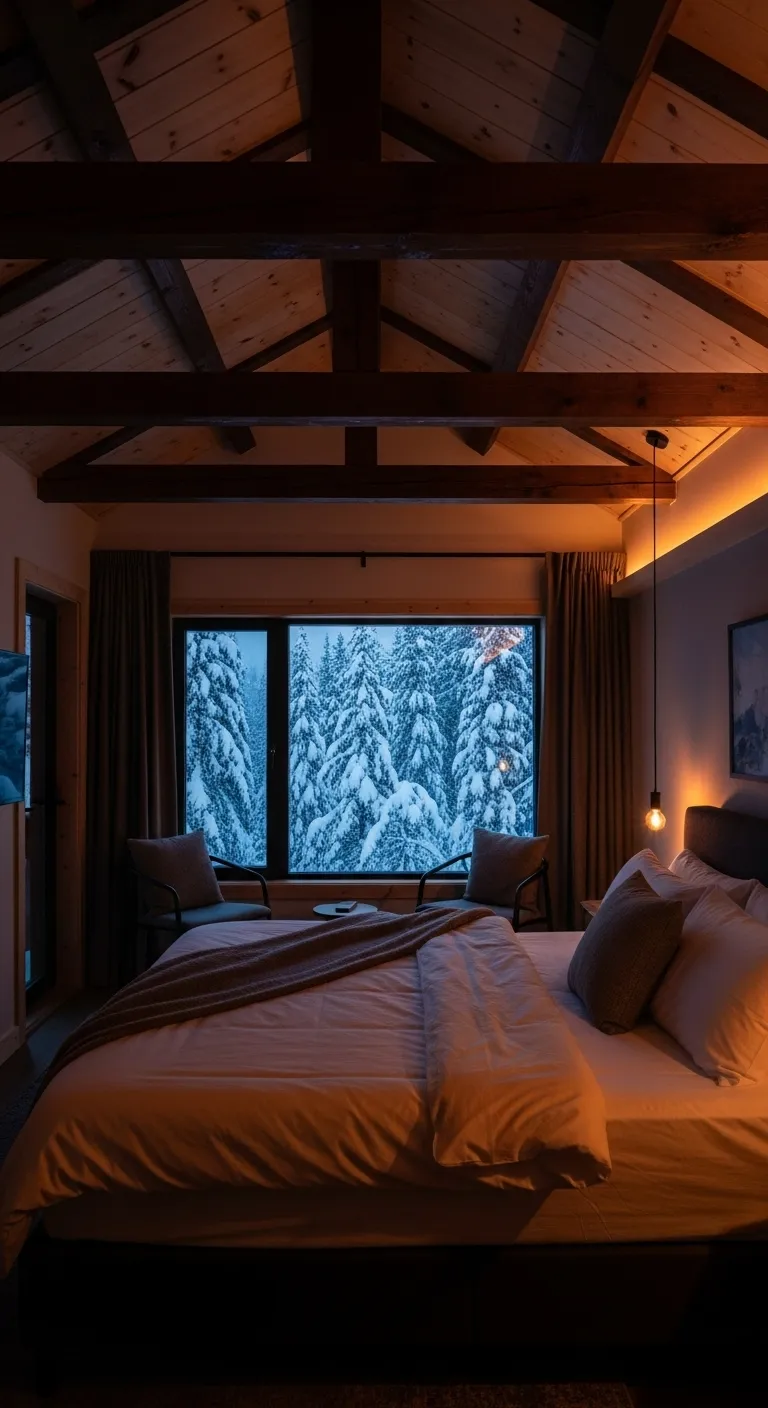
The bedroom serves as the heart of a romantic sanctuary. Texture plays a massive role here, turning a simple room into a tactile experience.
Layering is key for that “hygge” feeling. Combine rough-hewn timber walls with soft linen sheets and heavy wool throws.
Color sets the mood instantly. Deep, moody hues can make the space feel smaller and more intimate, enveloping you in warmth.
For inspiration on setting the right tone, consider exploring romantic bedroom paint colors that enhance low light.
Lighting must be adjustable. Install dimmer switches on every fixture to transition from bright mornings to moody evenings effortlessly.
The Spa-Inspired Bath

Nothing defines a romantic retreat quite like a spa-inspired bathroom. Ideally, position a freestanding tub near a window with a private view.
Use natural stone and raw wood to keep the aesthetic organic. Heated floors are a functional luxury that makes winter mornings delightful.
If total privacy is difficult, use bottom-up shades. They allow natural light to flood in while blocking sightlines from potential hikers.
Intimate Fireside Moments
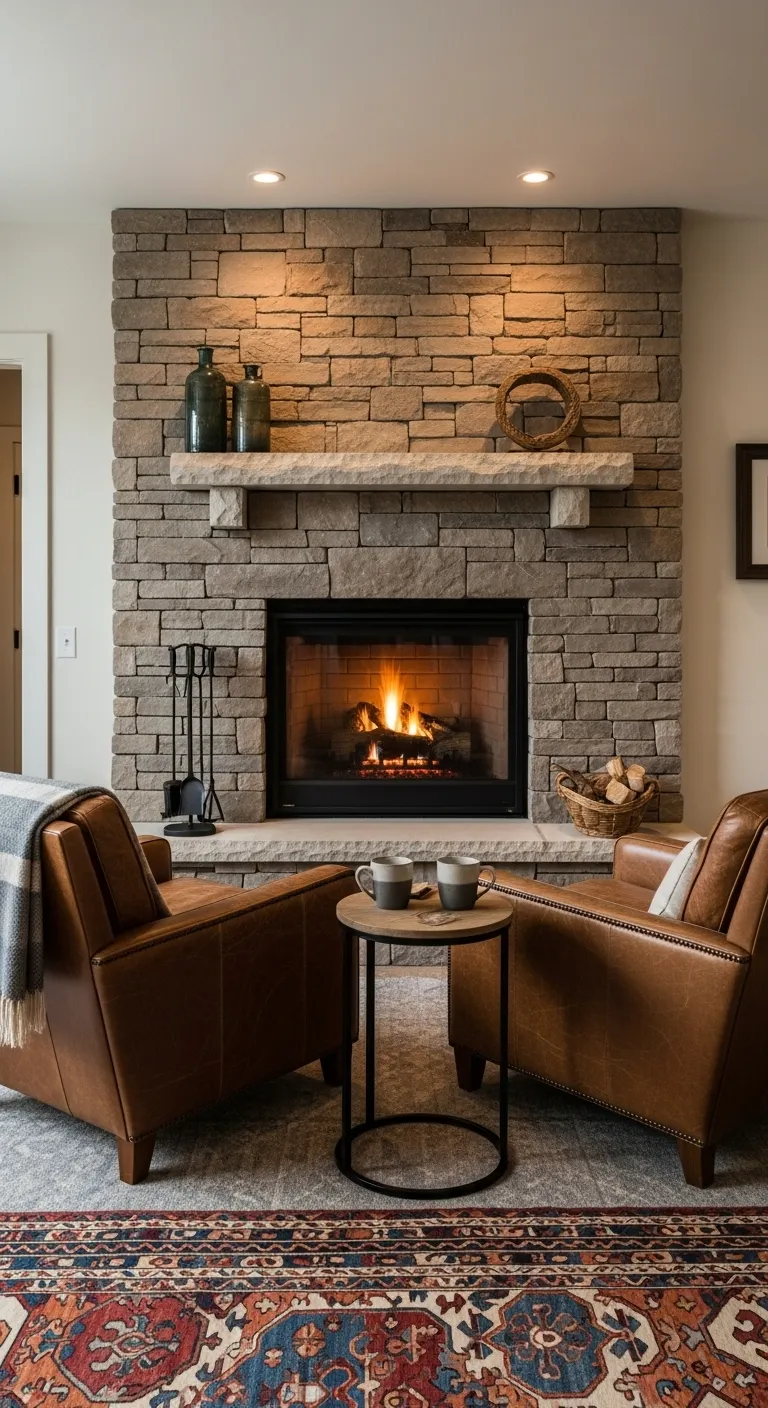
A fireplace is the focal point of any romantic cabin. It anchors the room and provides a primal, comforting warmth that radiators cannot match.
Position seating close to the hearth. Two oversized armchairs or a loveseat encourage conversation and closeness.
You can adapt this vibe for various spaces. Check out these cozy fireplace looks to find a style that fits your specific floor plan.
Study nature, love nature, stay close to nature. It will never fail you.
Frank Lloyd Wright, Frank Lloyd Wright Foundation
Sensory Design Checklist
Creating a romantic atmosphere goes beyond visuals. Engage all five senses to create a truly memorable sanctuary.
| Sense | Design Element | Functional Benefit |
|---|---|---|
| Sight | Warm ambient lighting (2700K bulbs) | Softens shadows and flatters skin tones. |
| Touch | Velvet, boucle, or faux fur | Encourages relaxation through tactile comfort. |
| Scent | Cedar, sandalwood, or smokey notes | Grounds the space in the mountain environment. |
| Sound | Thick rugs and heavy drapes | Absorbs echo to create a quiet, hushed acoustic. |
By focusing on these sensory details, you transform a simple cabin into a restorative escape designed for connection.
Sanctuary Secrets
- The 2700K Rule: Swap bright white bulbs for warm 2700K LEDs. This specific color temperature mimics candlelight, softening shadows and instantly flattering skin tones for a romantic vibe.
- Strategic Seclusion: Install ‘bottom-up’ shades in bathrooms. They allow natural light to flood in from the treetops while blocking sightlines from below, giving you privacy without sacrificing the view.
- Acoustic Intimacy: Don’t underestimate the sound of silence. Use heavy drapes and thick wool rugs to dampen echoes, creating a hushed, quiet environment that feels miles away from the world.
The Group Lodge: Accessible Mountain Homes for Large Families

Designing a mountain retreat for a large group requires a delicate balance. You must merge rugged durability with high-end comfort to keep everyone happy.
The goal is creating a space that handles heavy foot traffic effortlessly. Think wide plank oak floors that hide scratches and expansive entryways.
Accessible design ensures every family member feels welcome. This often starts with an intelligent layout that promotes easy movement between zones.
For ideas on arranging these expansive spaces, looking at 15 Modern House Floor Plans for Stylish Living Guide can provide excellent structural inspiration.
True luxury in a mountain home is the ability to gather together without ever feeling crowded.
Anchoring the Space with a Hearth

The focal point of any group lodge is inevitably the fireplace. It acts as a natural magnet, drawing guests in to warm up after a day on the slopes.
A double-sided stone fireplace works wonders here. It visually separates the dining area from the lounge while keeping the heat evenly distributed.
The texture of rough-hewn stone contrasts beautifully with soft wool throws. This combination creates that quintessential tactile hygge experience.
If you are looking to update your hearth, explore 22 Cozy Fireplace Looks for Any Room for specific style directions.
Ambient lighting is critical in these cavernous rooms. Use warm-toned wall sconces to bring the visual ceiling down, making the room feel intimate.
In a large room, you want to create zones. Rugs are the best way to do this; they anchor the furniture and define the space without walls.
Emily Henderson, Living Room Rules You Should Know
Durability Essentials for High-Traffic Lodges

When hosting multiple families, materials must be forgiving. Surfaces should improve with age rather than showing immediate wear and tear.
Leather upholstery is a top choice for group lodges. It wipes clean easily and develops a rich patina over time that suits the rustic aesthetic.
Functionality is key in the mudroom or entryway. You need distinct “landing zones” for wet boots, heavy coats, and outdoor gear to avoid clutter.
Use this checklist to ensure your lodge is ready for the crowd:
- Performance Fabrics: Choose Crypton or velvet blends that resist staining from spills.
- Slate Flooring: Install natural stone in entryways to handle melting snow and mud.
- Zoned Lighting: Use dimmers on all overhead fixtures to shift from task to mood lighting.
- Acoustic Dampening: Add heavy drapes and plush rugs to absorb sound in high-ceiling rooms.
- Modular Seating: Utilize sectionals that can be rearranged for games or conversation.
Mountain Masterclass
- Assign distinct ‘drop zones’ in the mudroom using labeled baskets or hooks to prevent the inevitable pile-up of wet ski gear and keep entryways clear.
- Combat the echo of high-vaulted ceilings by layering sound-absorbing textures, such as heavy velvet drapes or tapestry wall hangings, to keep conversations intimate.
- Embrace the ‘perfectly imperfect’ look by choosing distressed leather for high-traffic seating; it hides scuffs better than fabric and builds a rich patina over time.
The Rustic Off-Grid Experience: Essentials for Wilderness Stays

Embracing an off-grid lifestyle does not require sacrificing style or comfort. In fact, removing modern distractions often enhances the design.
The absence of electricity invites a focus on tactile experiences. We prioritize materials that feel good to the touch, like raw wool and aged wood.
This approach creates a spatial flow that dictates a slower pace of life. Every object in the room serves a vital purpose while adding visual warmth.
True luxury in the wild is not about excess, but about the intentional quality of every object you touch.
Wilderness Style Notes
- Master the art of analog lighting by styling groups of beeswax candles or brass oil lanterns to highlight the grain of aged wood walls when the sun goes down.
- Replace central heating with tactile layering; drape heavy raw wool throws and sheepskins over furniture to create immediate visual warmth and physical comfort.
- Curate functional decor that encourages a slower pace, such as displaying a vintage chess set or a stack of hardcover books as distinct focal points.
Analog Illumination: Creating a Glow

Lighting without a switch is an art form. It transforms the atmosphere into something intimate and mysterious.
Oil lamps with brass finishes reflect firelight beautifully against timber walls. They offer a warm ambient glow that LEDs cannot replicate.
Position candles near mirrors to double the luminosity. This trick expands the visual space and brightens dark corners effectively.
If you prefer a safer option, rechargeable sconces with a warm kelvin rating work well. They maintain the hygge living room vibe without the open flame.
Illumination Intel
- Cluster candles or lamps in groups of three at varying heights to create a focal point with depth, rather than scattering them individually across a room.
- When buying rechargeable bulbs, strictly ensure the color temperature is 2700K or lower to seamlessly blend with the golden hue of real firelight.
- Trim candle wicks to 1/4 inch before every burn; this prevents black soot from ruining your glass hurricanes and ensures a steady, mesmerizing flame.
The Hearth as a Design Anchor
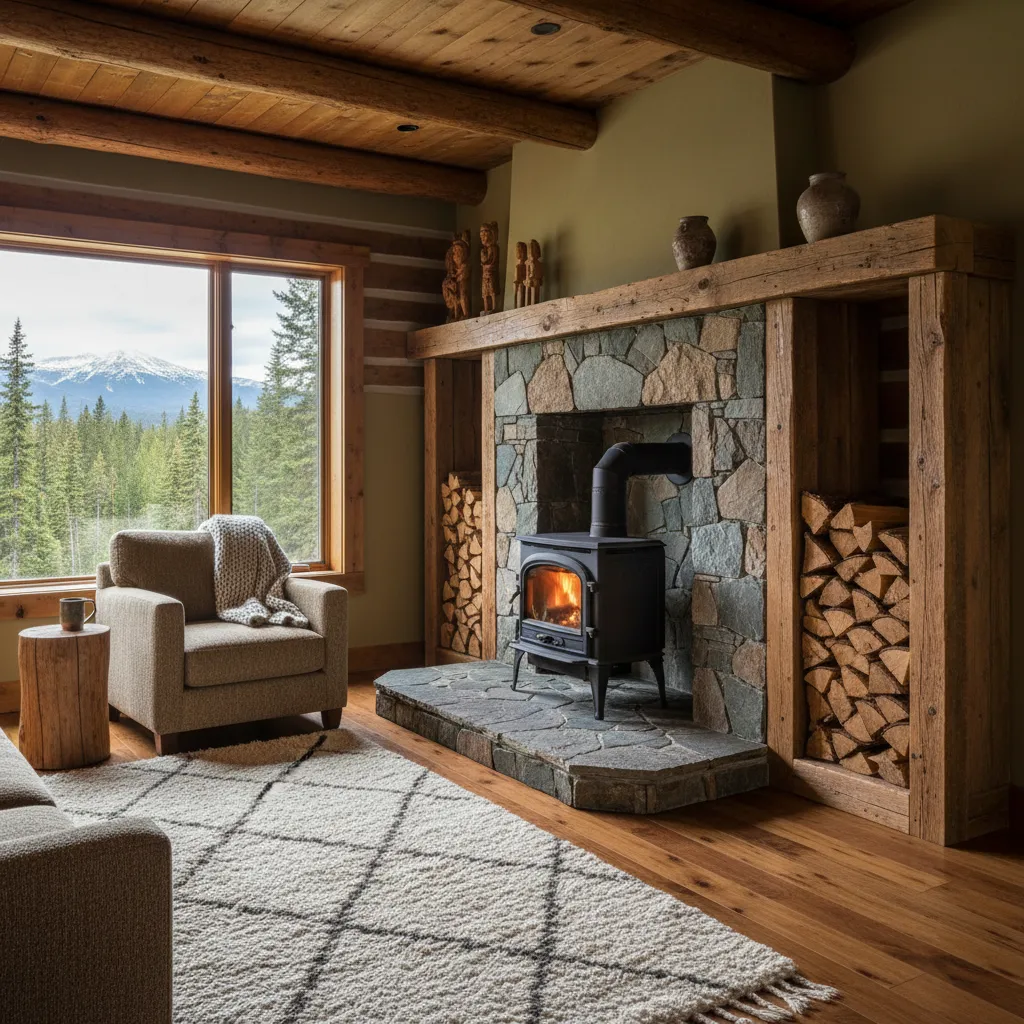
In off-grid stays, the wood stove is the primary focal point. It dictates the furniture arrangement and social flow of the room.
Style your firewood stack as a design element. Exposed logs add organic texture and a rugged, earthy scent to the interior.
Place a cast iron steamer on the stove. This adds humidity to dry mountain air and serves as a charming, functional accessory.
Surround the hearth with durable textiles. A vintage wool rug protects the floor from stray embers while defining the seating vignette.
Texture is the thing that makes a room feel alive.
Kelly Wearstler, Elle Decor Interview
Fireside Styling Secrets
- Dip a damp paper towel or newspaper into cold white ash to scrub soot off the stove glass; it is an eco-friendly trick that leaves the view crystal clear.
- Elevate the room’s sensory experience by adding cinnamon sticks, dried orange peels, or pine needles to the water in your cast iron steamer.
- Use a structured leather tote or a vintage copper bucket for kindling storage to keep small debris contained while adding a layer of sophisticated material contrast.
Manual Water Rituals and Hygiene
Without running water, the wash basin becomes a statement piece. It turns a mundane task into a deliberate ritual.
Choose enamel or ceramic pitchers with generous handles. Pair them with a deep basin set on a sturdy, waterproofed vanity table.
Incorporate linen towels for their quick-drying properties. Linen is naturally antibacterial and softens with every use, perfect for wilderness stays.
Sensory Material Palette for Off-Grid Cabins
To create a cohesive look that feels grounded in nature, adhere to a strict material palette. These elements ensure durability and aesthetic harmony.
| Material | Texture Profile | Functional Benefit |
|---|---|---|
| Raw Brass | Smooth, cool metal that develops a patina. | Reflects candlelight; antimicrobial properties. |
| Sheepskin | Soft, high-pile, and organic. | Provides intense thermal insulation on chairs. |
| Cast Iron | Matte, slightly rough, heavy. | Retains heat efficiently for cooking and warming. |
| Soapstone | Smooth, dense, and powdery soft. | Absorbs heat from stoves and releases it slowly. |
| Oiled Leather | Supple, rich, and durable. | Ages beautifully despite dust and heavy use. |
The Ritual Edit
- Elevate the manual wash experience by adding eucalyptus branches or essential oils to your hot water pitcher for an instant, steam-facial effect.
- Switch to biodegradable castile soap for your basin routine; this allows you to repurpose the ‘gray water’ to hydrate outdoor plants without harming the soil.
- Place soapstone accessories near your woodstove or heat source; their high thermal mass absorbs warmth, allowing them to act as radiant hand warmers long after the fire dies down.
Smart Storage for Rugged Gear

Off-grid cabins require heavy gear, which can quickly clutter a small footprint. Smart vertical storage is essential for maintaining order.
Install sturdy hooks at varying heights. This accommodates heavy parkas and lanterns without consuming valuable floor space.
Use woven baskets under benches to hide muddy boots or kindling. This keeps the visual line clean and organized.
Consider the color palette of your gear as decor. Displaying items in dark wood tones or neutrals maintains visual calm.
Cabin Curator Tip
- Create a self-draining boot tray by filling a galvanized metal tray with smooth river stones; it catches melting snow while adding an earthy textural element.
- Install a continuous peg rail along the perimeter of the room to turn unused wall space into a functional gallery for hanging backpacks, lanterns, and tools.
- Line your woven baskets with removable canvas liners to protect the wicker from moisture and dirt carried in on firewood or muddy gear.
Crafting Your Alpine Sanctuary
The modern cabin offers the perfect marriage of rustic charm and digital capability, allowing you to work where you play.
By carefully positioning your workspace and choosing materials like live edge walnut, you ground your focus in the natural world.
Embrace the tranquility of the woods mountain life. Your productivity will flourish when surrounded by the silence of the forest.
Woods Wisdom: Design Dilemmas Solved
Invest in a mesh network or satellite internet like Starlink. Always test speeds before a long stay and conceal routers in woven baskets to preserve the vibe.
Place your desk perpendicular to a window. This configuration maximizes natural light and views without creating harsh glare on your monitors.
Stick to natural materials. A live edge wood desk or matte black metal accents blend tech with timber, keeping the cozy cabin aesthetic alive.
Earthy tones reign supreme. Sage greens, warm terracottas, and deep charcoal grays define the space while complementing exposed wooden beams.
