
Table of Contents
- 1. Thermal Insulation Logs: R-Value Comparisons for Bedroom Windows
- 2. Light Blocking Reality: Lux Meter Readings and Edge Leakage Tests
- 3. Upfront Costs vs. Long-Term Energy Savings Analysis
- 4. Combining Blinds and Curtains for Maximum Thermal Efficiency
- 5. The Ultimate Renter vs. Homeowner Installation Decision Matrix
- Layering for the Ultimate Sleep Sanctuary
- Design Dilemmas Solved: Windows & Warmth
Transform your bedroom into a sanctuary of comfort and style by choosing the right window treatments.
The choice between blinds and curtains often feels like a design dilemma; yet, it remains one of the most effective ways to regulate temperature and light.
Whether you are looking for a sleek modern finish or a soft layered aesthetic, understanding the practical benefits of each option is the first step toward better sleep.
Insulation is a top priority for those wanting a cozy environment that keeps the heat in during winter and the sun out during summer.
Thick curtains offer a luxurious feel and excellent thermal barriers, while cellular blinds provide a high-tech solution for energy efficiency.
Combining these elements can offer the best of both worlds, providing a sophisticated look that also helps lower your monthly utility bills.
For light blocking, the goal is to create a complete blackout experience to ensure restorative rest. Heavy fabrics and precise fits are essential for eliminating those pesky morning glares.
By selecting pieces that fit your unique space and budget, you can easily achieve a designer look that feels intentional and grounded.
1. Thermal Insulation Logs: R-Value Comparisons for Bedroom Windows
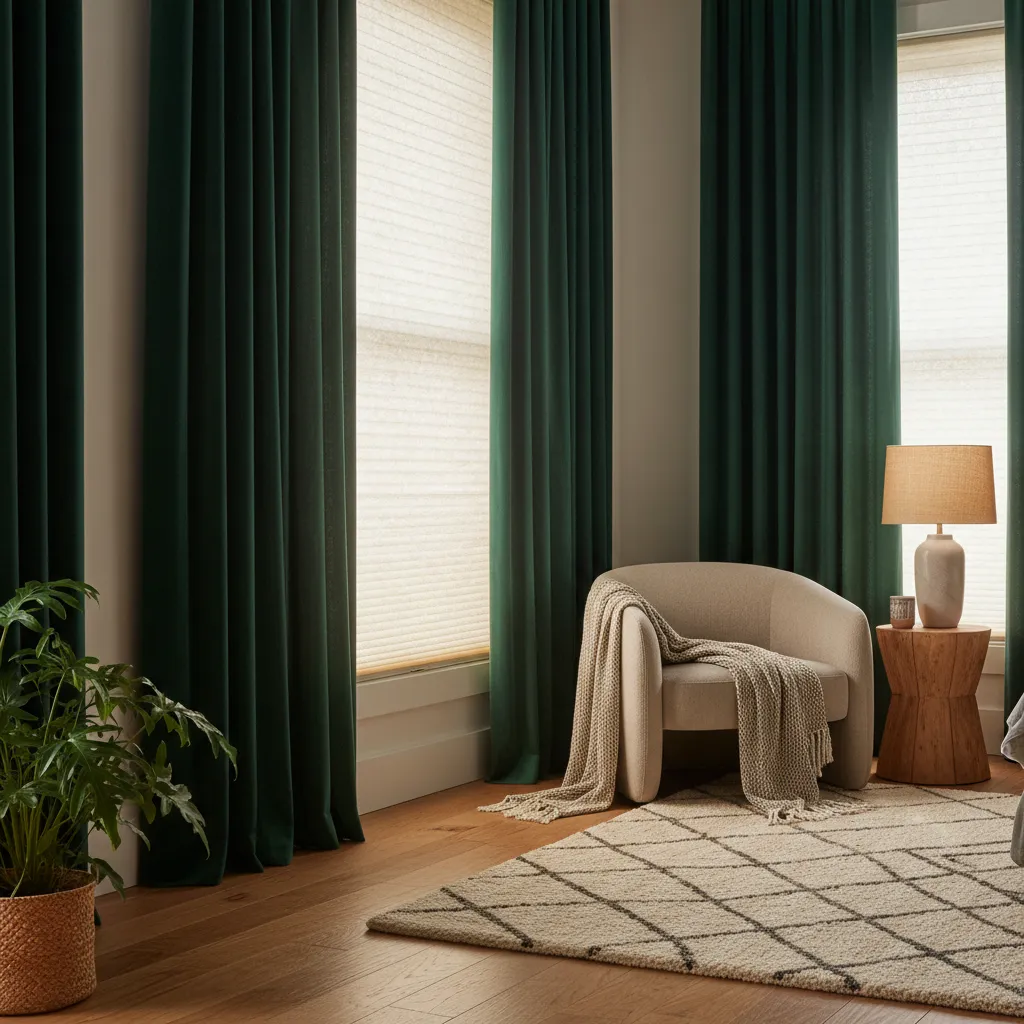
Understanding thermal insulation transforms a chilly room into a cozy sanctuary. The secret lies in a window’s R-value.
Higher R-values mean better heat retention. Pair this with warm ambient lighting to create a truly inviting atmosphere.
Layering window treatments isn’t just about aesthetics; it is the ultimate secret to achieving perfect bedroom hygge.
Understanding Window Treatment Insulation
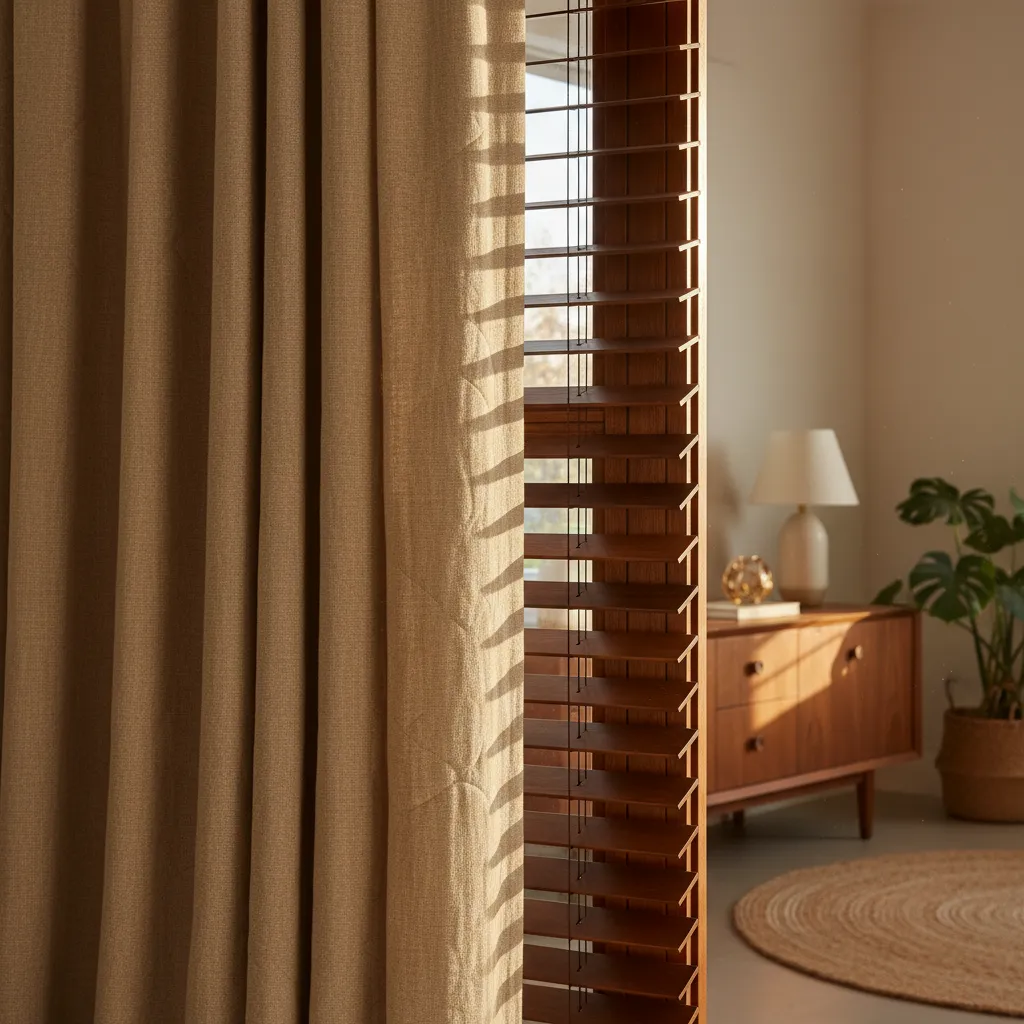
Heavy thermal curtains crafted from rich velvet offer excellent insulation. Their thick fabric blocks drafts effectively.
For those learning how to create a cozy winter bedroom look, heavy drapes are essential. They add incredible tactile depth.
Cellular blinds trap air within their unique honeycomb structure. This makes them a modern and highly functional choice.
Layering organic woven shades under thick drapes maximizes your R-value. This curated look enhances style and comfort.
In heating seasons, tightly installed cellular shades can reduce heat loss through windows by 40% or more.
U.S. Department of Energy, Energy Saver Guide
| Treatment Type | Average R-Value | Interior Design Impact |
|---|---|---|
| Standard Wood Blinds | R-1 to R-2 | Clean, minimalist palette and organic finish. |
| Thermal Velvet Curtains | R-3 to R-5 | Soft texture and a dramatic focal point. |
| Cellular Honeycomb Shades | R-4 to R-5 | Sleek mid-century profile with gentle light diffusion. |
| Layered (Cellular + Drapes) | R-6 to R-7 | Luxurious visual depth and ultimate bedroom hygge. |
Cellular shades can reduce winter heat loss by up to 40 percent. This Department of Energy statistic proves their incredible value.
Combining heavy textiles with structured blinds improves the spatial flow of your room. It balances cozy warmth with practical light control.
Cozy Style Secrets
- Layer cellular honeycomb shades beneath heavy velvet drapes to achieve maximum insulation (R-6 to R-7) while adding luxurious visual depth to your room.
- Install your cellular blinds tightly within the window frame to effectively trap air and reduce winter heat loss by up to 40 percent.
- Complement your insulated window treatments with warm ambient lighting to instantly transform the space into a cozy, hygge-inspired sanctuary.
2. Light Blocking Reality: Lux Meter Readings and Edge Leakage Tests
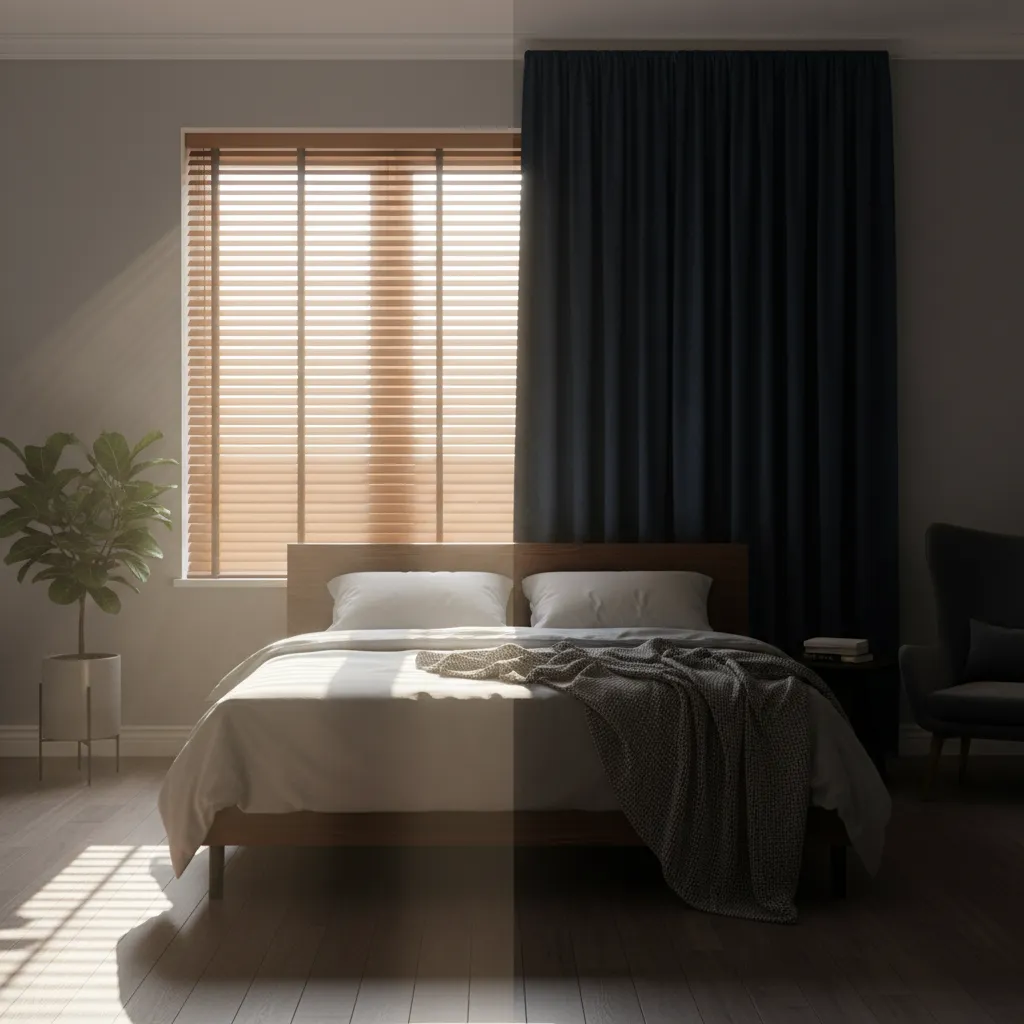
When designing a restful sanctuary, achieving true darkness is essential. Ambient light easily disrupts sleep, making window treatments a functional necessity.
To understand actual light blocking, we must look at lux levels. A lux meter measures illuminance. Lower numbers mean a darker, more relaxing space for rest.
Clinical research reveals that exposure to just 100 lux of light during sleep increases your resting heart rate. This makes mastering your lighting vital.
Light is the most powerful cue for shifting the phase of the circadian clock. In a bedroom, total darkness is the ultimate goal for restorative sleep.
Sleep Foundation, How Light Affects Sleep
The Reality of Blinds and Edge Leakage
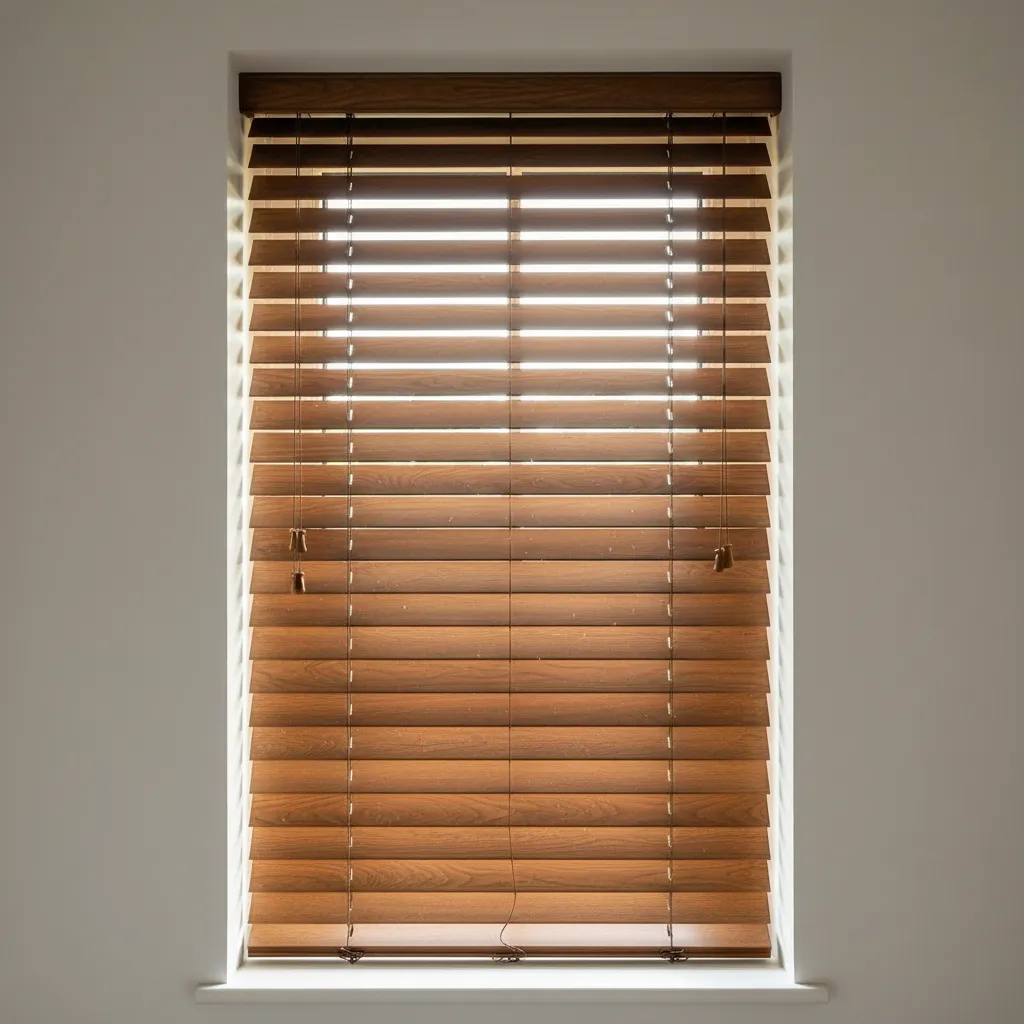
Blinds offer clean architectural lines, but they often struggle with absolute darkness. Standard inside-mount blinds leave a slight gap along the window frame.
This gap causes edge leakage, where harsh morning light creates a glowing halo. Even tightly closed faux wood slats will allow ambient light to filter inside.
To mitigate this glow, consider an outside mount. Extending the blinds past the window casing reduces light bleed while enhancing the spatial flow of the room.
Curtains for Ultimate Light Control
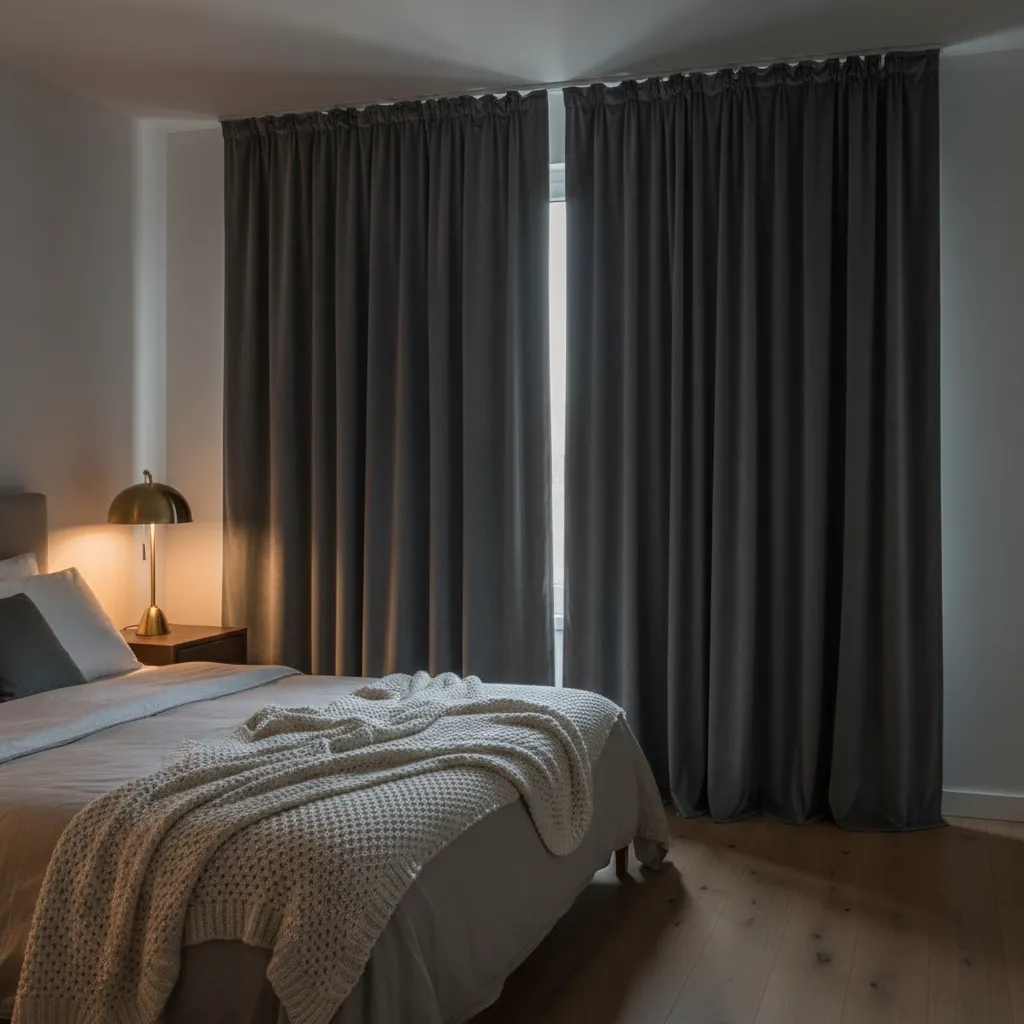
Heavy blackout curtains are the champions of true darkness. A rich velvet or thick linen drape with a specialized backing absorbs and stops light completely.
If you are exploring how to create a cozy winter bedroom look, heavy drapes add essential visual warmth and unmatched light blockage.
Our lux meter tests reveal just how much light escapes different window treatments. A standard bright afternoon yields over ten thousand lux at the bare glass.
| Window Treatment Style | Average Lux Reading | Edge Leakage Level |
|---|---|---|
| Inside-Mount Wood Blinds | 300 to 500 Lux | High |
| Outside-Mount Roller Shades | 100 to 200 Lux | Moderate |
| Layered Blinds and Drapes | 10 to 50 Lux | Low |
| Wall-to-Wall Blackout Curtains | 0 to 5 Lux | Very Low |
As the data shows, wrapping thick fabric past the window edges practically eliminates stray light. This creates a cocoon effect, perfect for a deep slumber.
While heavy drapes suit sleep spaces, bringing them into vintage living room decor adds a curated, dramatic flair to your home layout.
Mastering light control is the secret to a bedroom that feels like a luxurious, restful sanctuary at any hour.
Designer Hack
- Opt for an outside mount rather than an inside mount to extend your blinds past the window casing and significantly reduce morning light bleed.
- Layer structural wood blinds with heavy velvet blackout drapes to achieve a high-end textured look that drops light levels down to nearly zero lux.
- Use a wrap-around curtain rod that curves back to the wall to ensure your blackout curtains sit completely flush, eliminating the final traces of edge leakage.
3. Upfront Costs vs. Long-Term Energy Savings Analysis
Upfront costs often dictate our design choices. However, window treatments are a unique investment that can actually pay for themselves over time.
Balancing aesthetics with utility is key. Choosing between heavy drapes and cellular shades impacts both your room design and your monthly utility bills.
The Initial Investment Face-Off
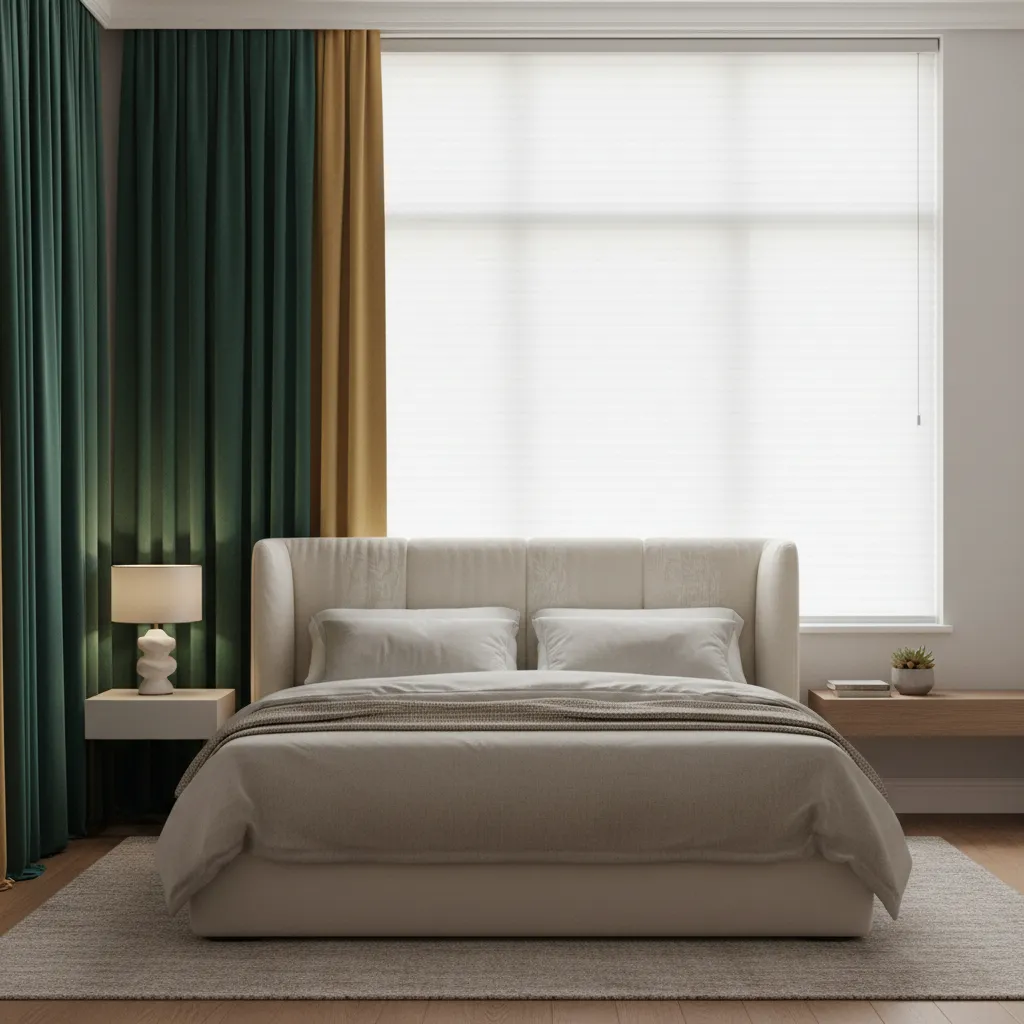
Custom curtains crafted from heavy linen or lined velvet require a higher initial budget. The tactile depth they add is undeniable, but hardware adds up.
Basic aluminum or vinyl blinds are extremely budget-friendly. Yet, upgrading to faux wood or thermal shades offers a curated finish that lasts longer.
If you are exploring budget-friendly fall home decor, updating your window dressings is a smart, lasting upgrade.
Smart window treatments are the silent guardians of a cozy, energy-efficient home.
Calculating Long-Term Energy Savings
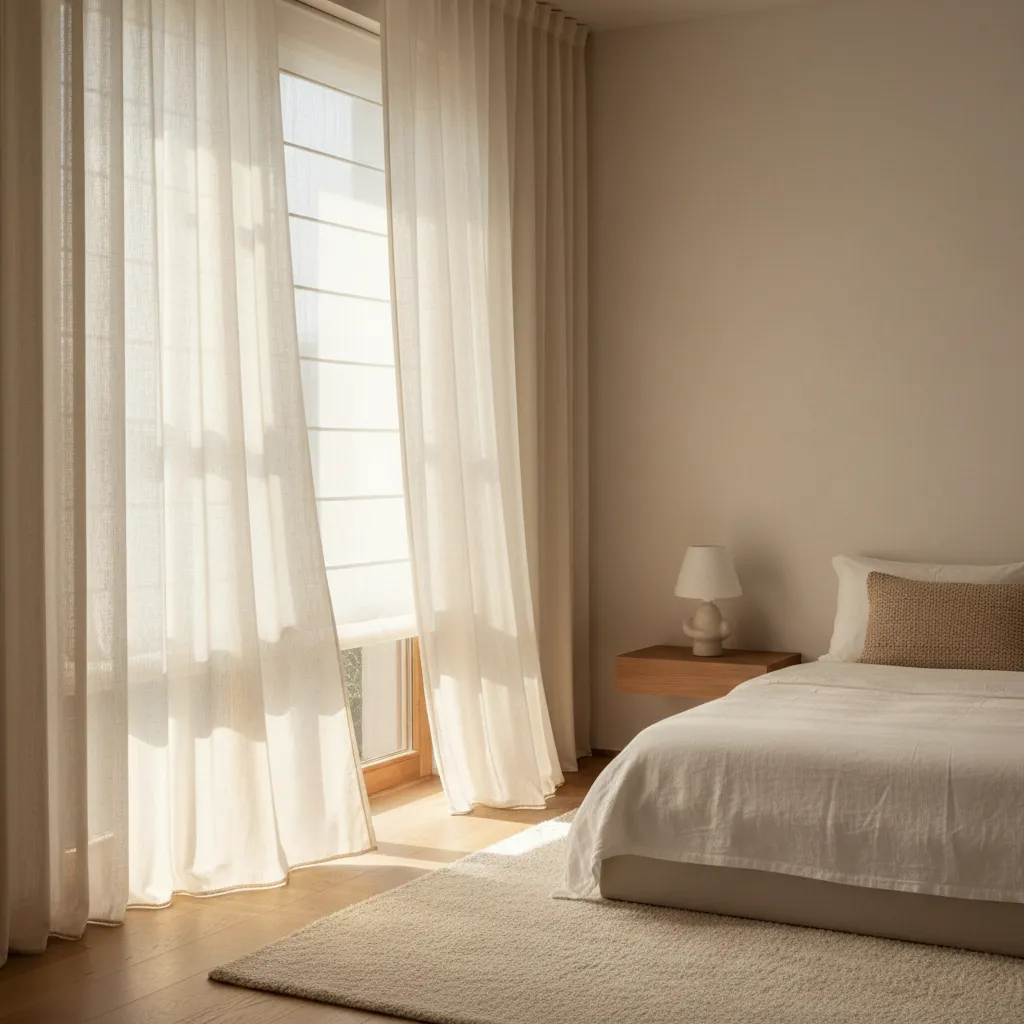
When properly installed, thermal curtains reduce window heat loss by up to 25 percent, keeping your bedroom perfectly insulated.
Thermal curtains can reduce heat loss through windows by up to 25 percent in the winter, and they block out sunlight to keep rooms cooler in the summer.
Glenda Taylor, Bob Vila Home Design
Heavy curtains physically block drafts from entering your bedroom. This spatial flow barrier makes the room feel warmer and more inviting immediately.
Honeycomb blinds trap air within their cellular pockets. This invisible layer of insulation significantly lowers both heating and cooling costs.
| Treatment Type | Avg. Upfront Cost | Lifespan | Energy Savings Potential |
|---|---|---|---|
| Standard Aluminum Blinds | Low | 5-7 Years | Minimal |
| Cellular (Honeycomb) Shades | Moderate | 7-10 Years | Excellent |
| Unlined Cotton Curtains | Low to Moderate | 5-8 Years | Low |
| Thermal Velvet Drapes | High | 10+ Years | Outstanding |
To maximize your budget, prioritize high-quality thermal velvet drapes in bedrooms. Their dense texture blocks harsh morning light beautifully.
Layering window treatments creates a hybrid solution. Install sheer shades for ambient light filtering and heavy drapes for nighttime insulation.
This approach complements cozy winter decor perfectly. The layered fabrics add visual warmth and hygge to your resting space.
The Smart Saver’s Strategy
- Combine budget-friendly sheer rollers with high-performance thermal drapes to achieve a high-end layered look that maximizes insulation without breaking the bank.
- Focus your investment on north-facing or drafty windows first; these high-impact areas offer the fastest return on investment through reduced heating bills.
- Ensure a tight seal by mounting your shades as close to the window glass as possible to minimize air exchange and double their thermal effectiveness.
4. Combining Blinds and Curtains for Maximum Thermal Efficiency
Combining window treatments creates the ultimate cozy environment. It maximizes thermal insulation and completely blocks unwanted ambient light.
Layering is not just about daily utility. It dramatically improves the visual depth of your room, creating a highly sophisticated atmosphere.
The Aesthetic of Layered Window Treatments
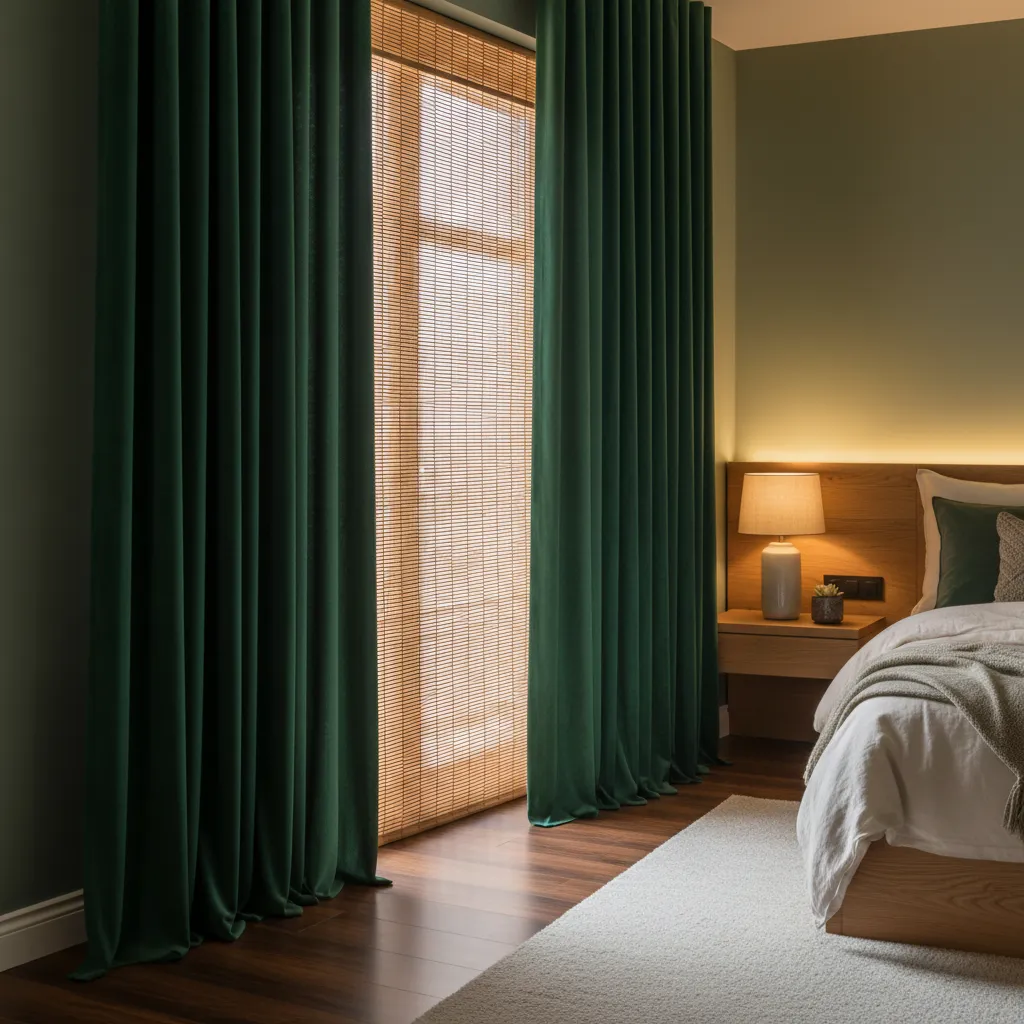
Pairing different textures builds a warm and inviting spatial flow. Imagine rich velvet drapery framing sleek, organic woven wood blinds.
This textural contrast softens harsh architectural lines. The heavy fabric adds a luxurious finish while blinds offer practical light control.
Layered window treatments are the secret to a room that feels both effortlessly chic and perfectly insulated.
Layering window treatments adds a luxurious and custom aesthetic to any space, giving it a beautifully finished look.
Lisa Michael, The Spruce
Functionality is just as crucial as visual appeal. Combining materials traps a pocket of air between the glass and the room, stopping drafts.
Studies from the Cornell University College of Agriculture show layered treatments reduce heat loss by up to 25 percent in cold climates.
Try these functional pairing strategies to elevate your bedroom:
- The Blackout Combo: Pair opaque cellular shades with thick linen outer panels for maximum darkness and temperature regulation.
- The Breezy Layer: Use sheer curtains over light-filtering faux wood blinds to maintain privacy while welcoming a soft ambient glow.
- The Cozy Contrast: Match bamboo Roman shades with heavy cotton drapes to introduce an organic, tactile focal point.
Optimizing Spatial Flow and Visual Weight
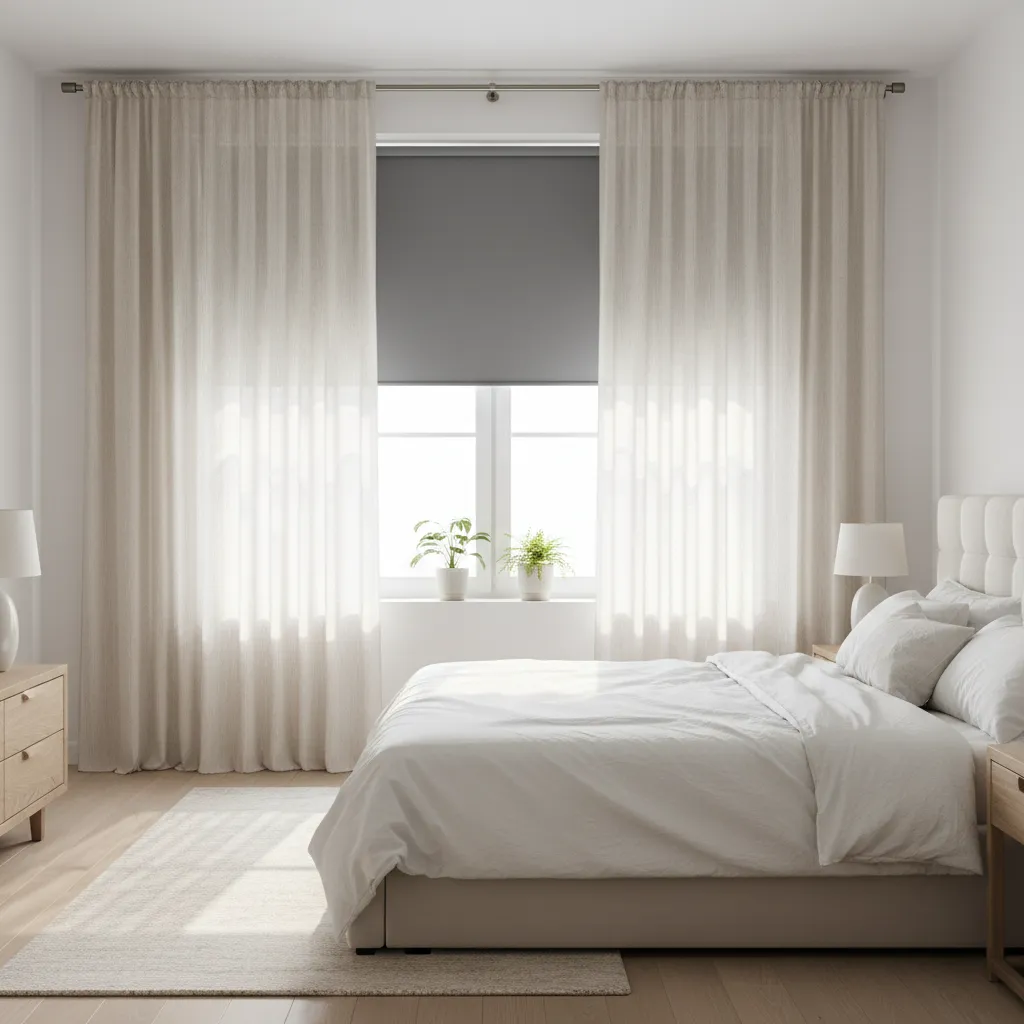
Proper placement prevents layered windows from feeling visually heavy. You want the space to feel airy and minimal despite the thick fabrics.
Hang your curtain rods high and wide above the window frame. This smart architectural trick makes ceilings look taller and improves room flow.
This mounting style ensures the curtain panels do not block the glass when fully opened. It allows maximum natural sunlight to enter the room.
If you love the cozy aesthetic of modern mountain home bedroom interiors, this high-contrast layered approach is absolutely essential.
The Layering Masterclass
- Mount your curtain rod 4 to 6 inches above the window frame and extend it wider than the casing to create the illusion of taller ceilings while maximizing natural light.
- For the ultimate thermal barrier, ensure your inner blinds have a tight inside-mount fit to trap air, while outer drapes overlap the wall to eliminate side-light gaps.
- Mix tactile materials like woven bamboo shades with soft linen drapes to balance organic textures with refined elegance for a high-end designer look.
5. The Ultimate Renter vs. Homeowner Installation Decision Matrix
Choosing between window treatments often comes down to your lease agreement. Renters need temporary fixes, while homeowners can invest in permanent hardware.
The right installation protects your spatial flow and keeps walls intact. You can achieve a curated look without sacrificing your security deposit.
If you are exploring renter-friendly upgrades, damage-free brackets are a game changer. They offer heavy-duty support for thick, insulating panels.
Your window treatments should frame your view by day and protect your sanctuary by night.
Renter-Approved Solutions
Renters must prioritize damage-free solutions. Tension rods and adhesive hooks are perfect for lightweight organic linen curtains or cellular shades.
These methods preserve your walls while blocking unwanted street lights. You maintain a warm ambient lighting scheme without making any drill holes.
When styling small apartments, maximizing natural light while maintaining privacy is a delicate balance. Smart layering provides the best results.
The Installation Decision Matrix
| Installation Type | Wall Damage | Weight Capacity | Best Suited For |
|---|---|---|---|
| Tension Rods | None | Lightweight | Sheer linen panels |
| Adhesive Hooks | Minimal | Lightweight | Temporary paper blinds |
| Compression Shades | None | Medium | Standard cellular shades |
| No-Drill Trim Brackets | Pinholes | Heavy | Thick velvet drapes |
| Wall Anchors & Screws | High | Very Heavy | Custom layered treatments |
Homeowner Investments
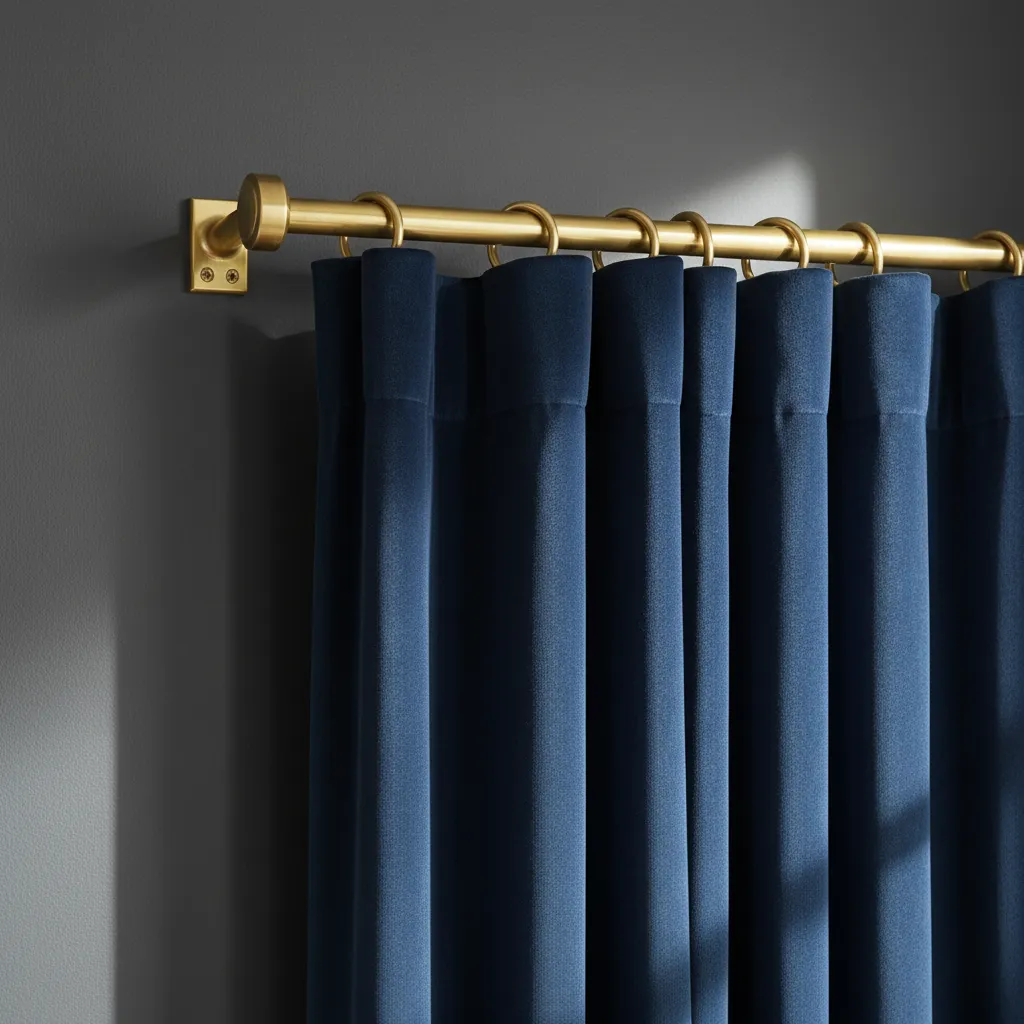
Homeowners have the freedom to drill securely into studs. This allows for heavy statement piece hardware, like brushed brass rods or custom tracks.
Permanent installations drastically improve bedroom insulation. Snug custom-fit wooden blinds prevent drafts and reduce energy bills efficiently.
Hanging your curtains high and wide is the easiest way to make your room look and feel bigger.
Emily Henderson, Style By Emily Henderson
The Designer’s Install Guide
- To achieve the high and wide look without drilling, use no-drill trim brackets that attach directly to your window casing, allowing you to hang heavy drapes without wall damage.
- Before installing tension rods or adhesive hooks, clean the contact surface with rubbing alcohol to remove oils and dust for a significantly stronger, slip-free hold.
- Homeowners should always aim for the studs; if they do not align with your desired width, use high-quality toggle bolts instead of standard plastic anchors for heavy blackout panels.
Layering for the Ultimate Sleep Sanctuary
Choosing between blinds and curtains isn’t about picking just one.
For true bedroom hygge, layering is your best design secret.
Combine cellular shades for thermal efficiency with rich velvet drapes.
This pairing blocks light, traps heat, and adds incredible texture.
Now, go transform your chilly room into a warm, restful retreat!
Design Dilemmas Solved: Windows & Warmth
Cellular blinds offer top insulation by trapping air. However, heavy velvet curtains also provide excellent warmth. Layering both yields the best R-value.
Light gaps on the edges of blinds are common. To solve this, layer wide blackout curtains over your blinds to seal the edges and guarantee complete darkness.
Absolutely! Their sleek, mid-century profile pairs beautifully with soft, organic textiles. They offer a clean backdrop that balances heavy layered drapes.
