
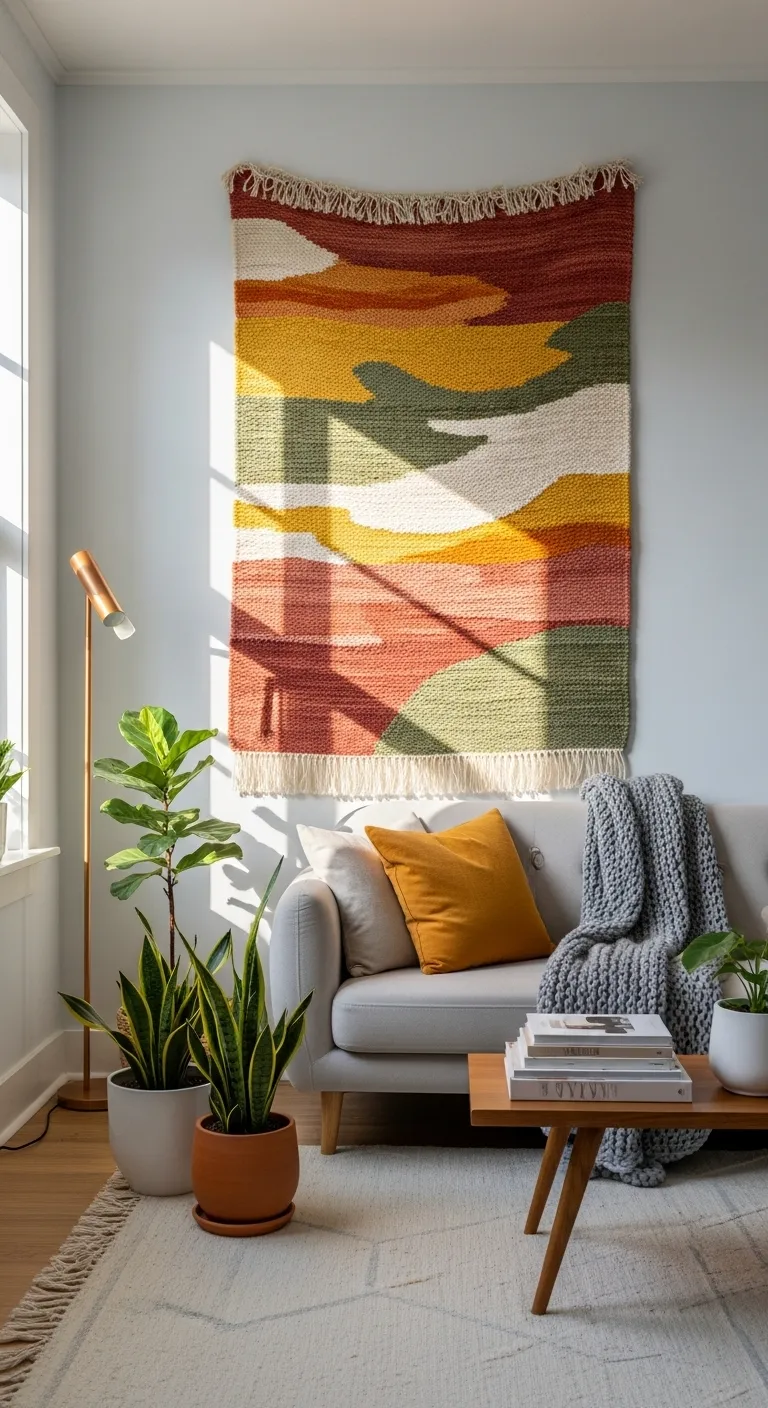
Forget bare walls and predictable artwork.
Decorative tapestries offer a unique and inviting way to infuse your space with texture, color, and character.
More than just wall decor, they can transform a room’s entire atmosphere, adding a layer of warmth and softness that framed prints simply cannot match.
They are the perfect solution for creating a focal point that feels both grand and personal.
Choosing the right tapestry might seem daunting, with so many styles and materials to consider.
From intricate woven wool to minimalist printed cotton, the options are vast.
But finding the perfect piece is easier than you think.
This guide is designed to demystify the process, helping you select a tapestry that not only complements your existing decor but also reflects your personal style without overwhelming your budget.
Let’s explore the world of decorative tapestries together.
We will delve into different materials, from lush velvet to breezy linen. We will also discuss various styles, including modern abstract, classic botanical, and bohemian chic.
You will learn practical tips for hanging and styling your chosen piece. This will ensure it becomes a cherished element of your home’s story.
Get ready to find the perfect textile art to elevate your space.
Choosing Your Tapestry: Aesthetic Styles & Material Comparisons
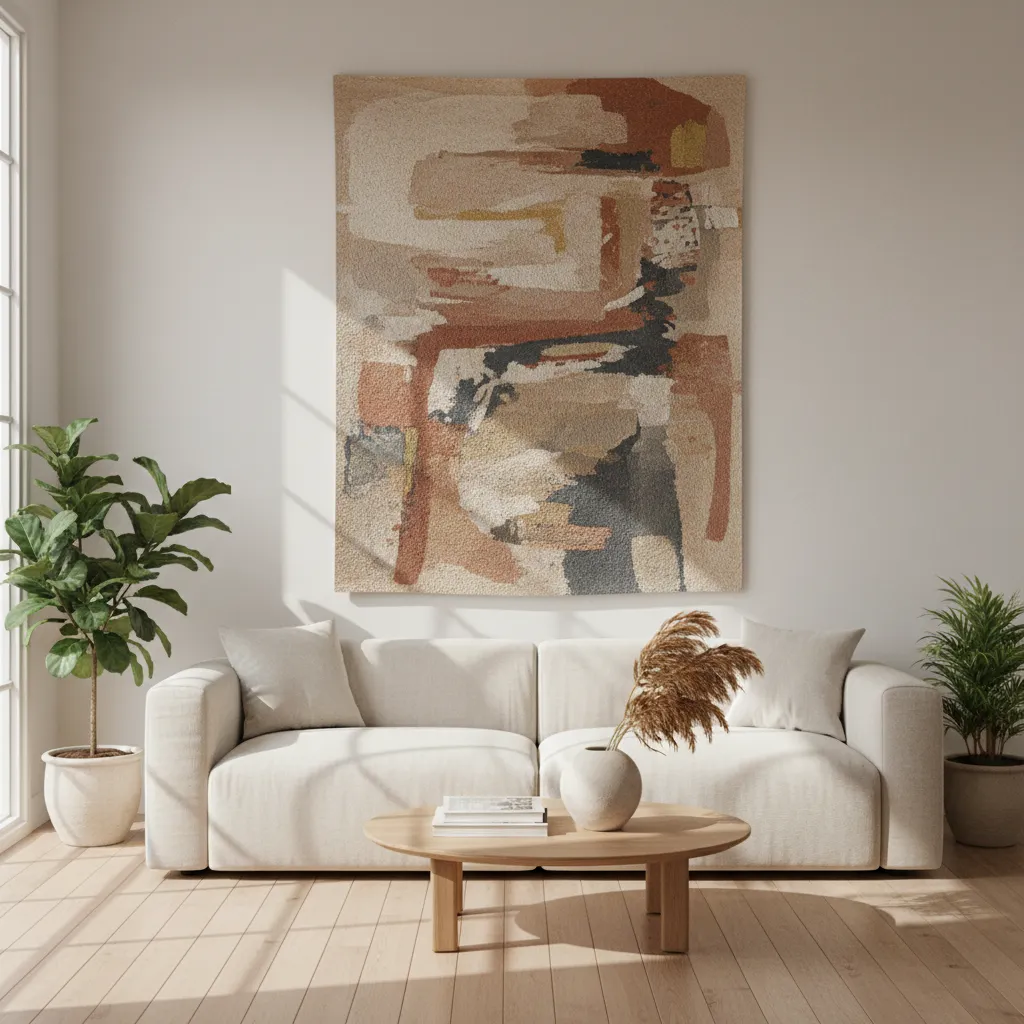
Choosing a tapestry is an exercise in balancing visual appeal with tactile sensation. The right piece complements your decor and defines the room’s atmosphere.
It’s not just a picture on fabric. It’s a statement piece whose material and design work together to create a specific mood, from cozy to dramatic.
Matching Style to Your Space
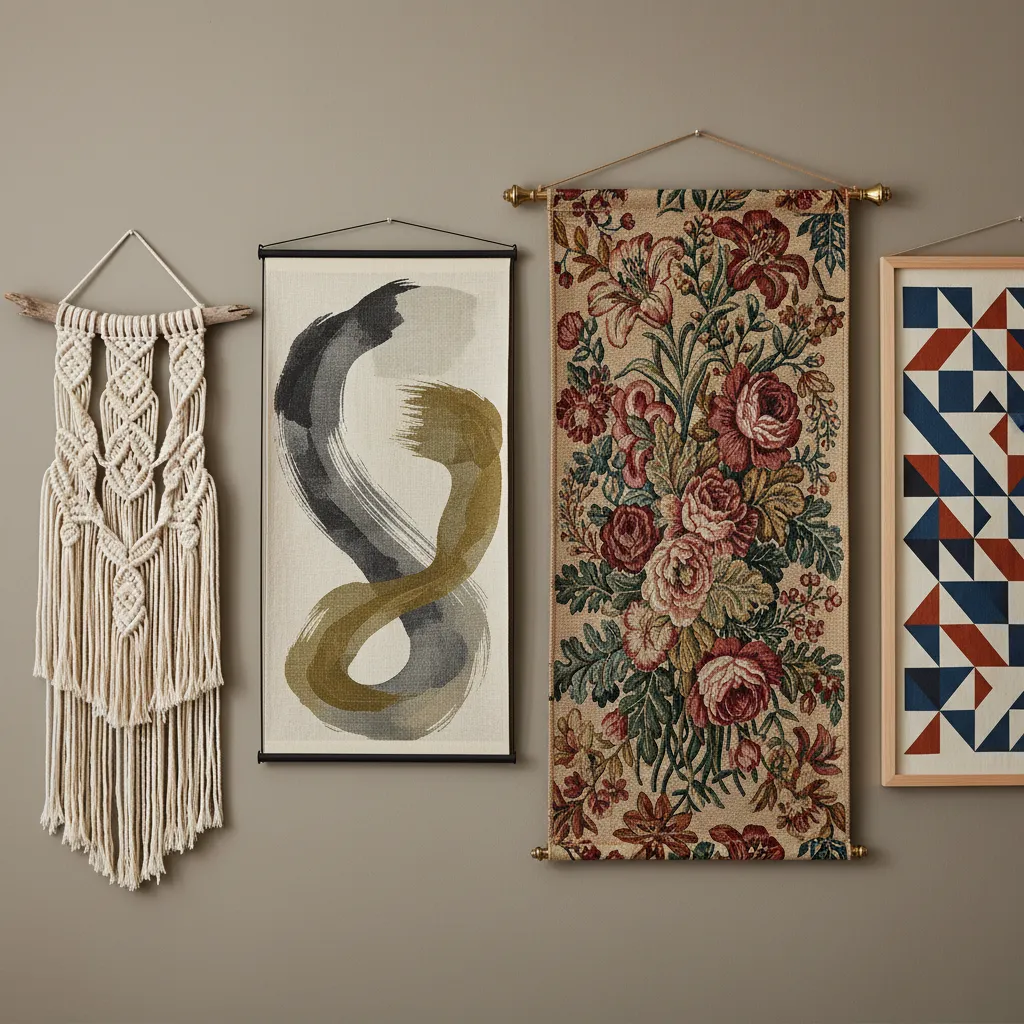
Your tapestry should echo your home’s personality. Aligning its style with your existing decor ensures a cohesive and curated look that feels intentional.
- Bohemian & Eclectic: Characterized by free-spirited patterns, mandalas, and fringe. These often use natural fibers like macrame or coarse cotton to add organic texture.
- Modern & Abstract: Bold geometric shapes, clean lines, and vibrant color blocking define this style. They act as a dynamic focal point in a contemporary setting.
- Scandinavian & Minimalist: These favor simplicity, muted color palettes, and subtle texture. A linen or wool tapestry adds warmth and softness, creating a sense of hygge.
- Vintage & Traditional: Featuring classic woven scenes, intricate florals, or historical motifs. These heavy, often wool tapestries add depth and a timeless elegance.
A tapestry’s design captures the eye, but its material defines the room’s atmosphere.
A Guide to Tapestry Materials
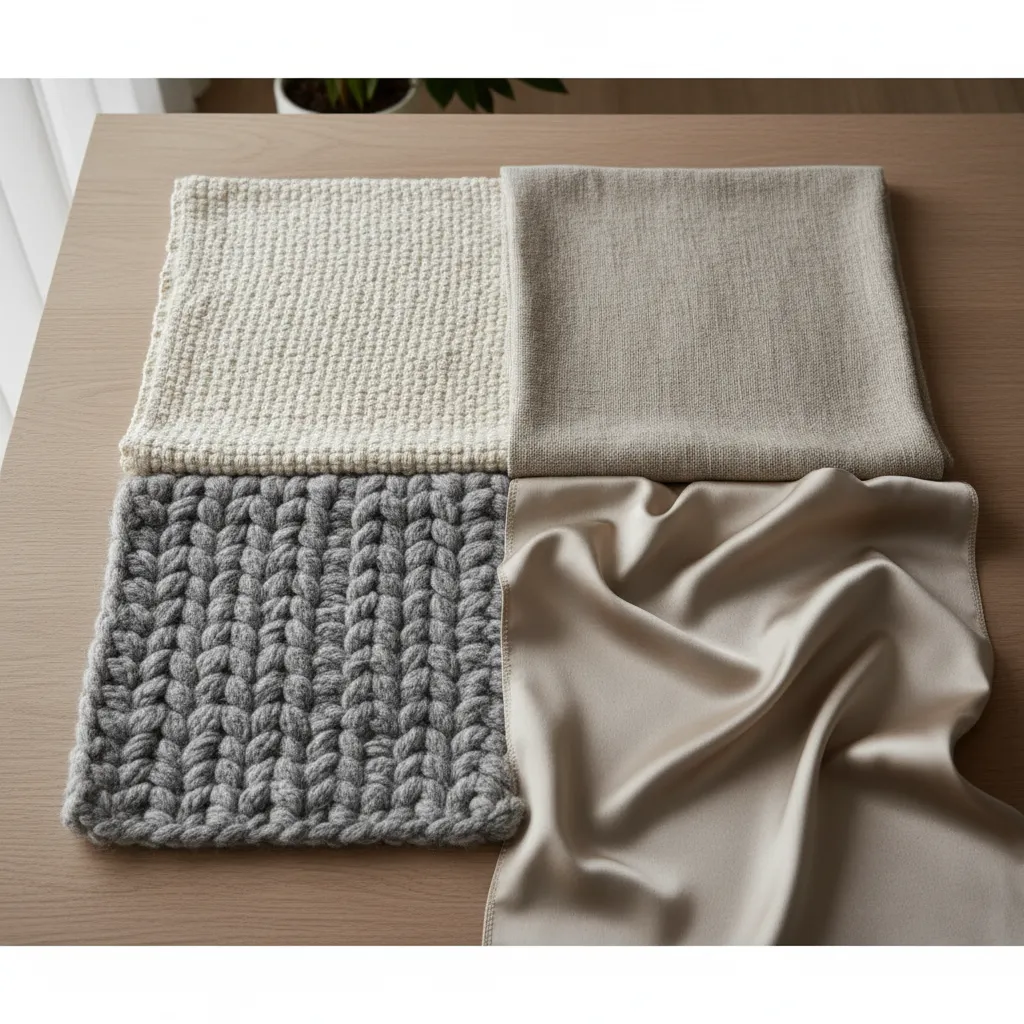
The material of your tapestry impacts its look, feel, and longevity. It also affects how the piece hangs and interacts with light in your space.
Beyond aesthetics, consider functionality. Wool offers sound-dampening qualities for noisy rooms, while durable synthetics are perfect for high-traffic areas.
| Material | Texture & Feel | Best For | Care & Durability |
|---|---|---|---|
| Cotton | Soft, smooth, versatile | Bohemian, Modern, Kids’ Rooms | Machine washable, good durability, can fade in sun |
| Wool | Heavy, rich, excellent insulator | Traditional, Scandinavian, Rustic | Spot clean or dry clean, naturally durable |
| Linen | Crisp, lightweight, organic | Minimalist, Coastal, Farmhouse | Prone to wrinkling, durable, softens with age |
| Synthetics | Varies (silky to coarse), vibrant colors | Abstract, High-Traffic Areas | Highly durable, fade-resistant, easy to clean |
I use a lot of raw, natural materials in my work. They have a sense of warmth and simplicity, and they ground a space and give it a feeling of permanence.
Kelly Wearstler, MyDomaine
Ultimately, selecting a tapestry is a personal choice. Trust your instincts to find a piece that not only looks beautiful but also feels right for your home.
Designers’ Weave Wisdom
- Assess your room’s existing style and wall dimensions first; a tapestry should enhance, not overpower, your current decor.
- Consider the sensory impact of materials: wool adds warmth and sound absorption, linen brings crisp texture, while synthetics offer vibrant durability for high-traffic zones.
- Prioritize care requirements alongside aesthetics. Machine-washable cotton suits busy homes, whereas wool or delicate linen may call for professional cleaning.
Masterful Hanging: Damage-Free Methods for Every Surface
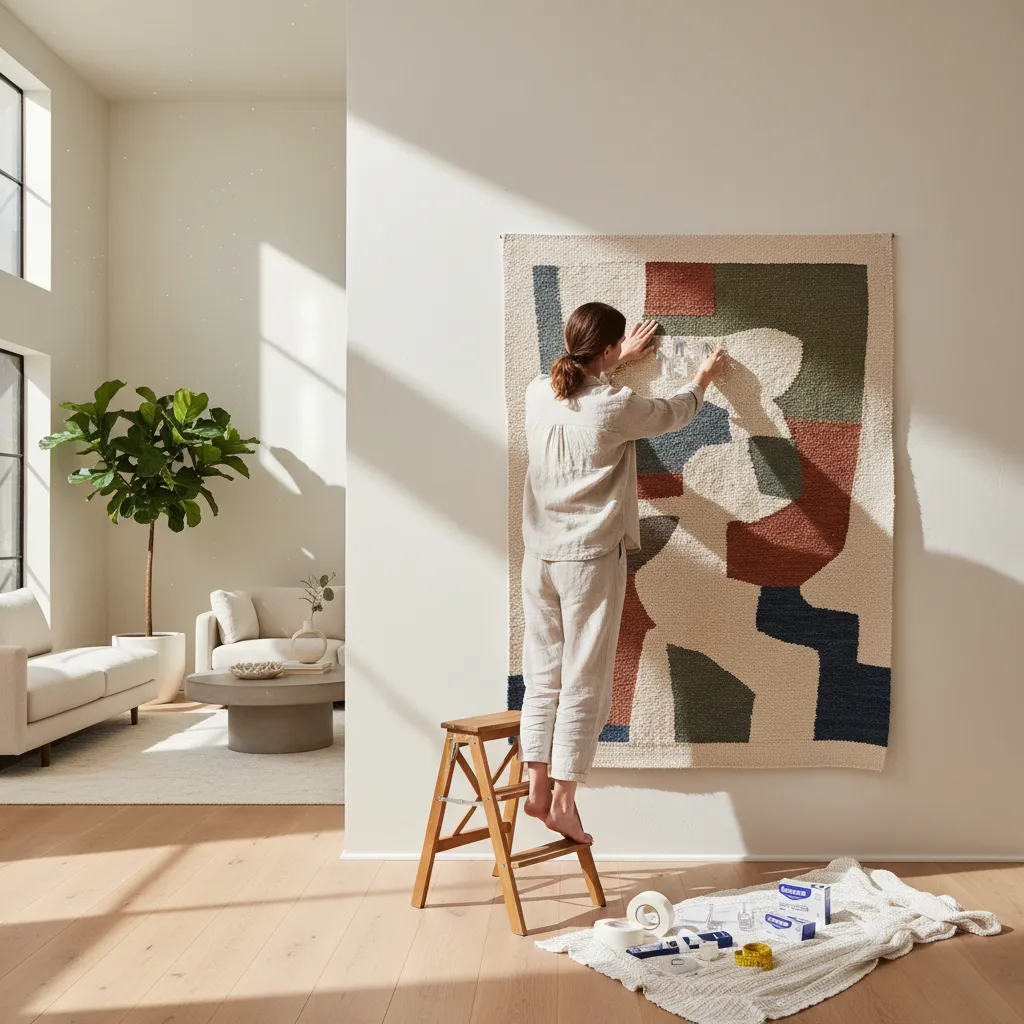
A beautiful tapestry can transform a room, but the fear of damaging walls often holds us back. Fortunately, modern solutions offer secure and elegant ways to hang your piece.
The goal is to preserve both the fabric’s integrity and your wall’s smooth finish. This ensures the tapestry becomes a stunning focal point without any lasting impact.
Lightweight Solutions for Renters
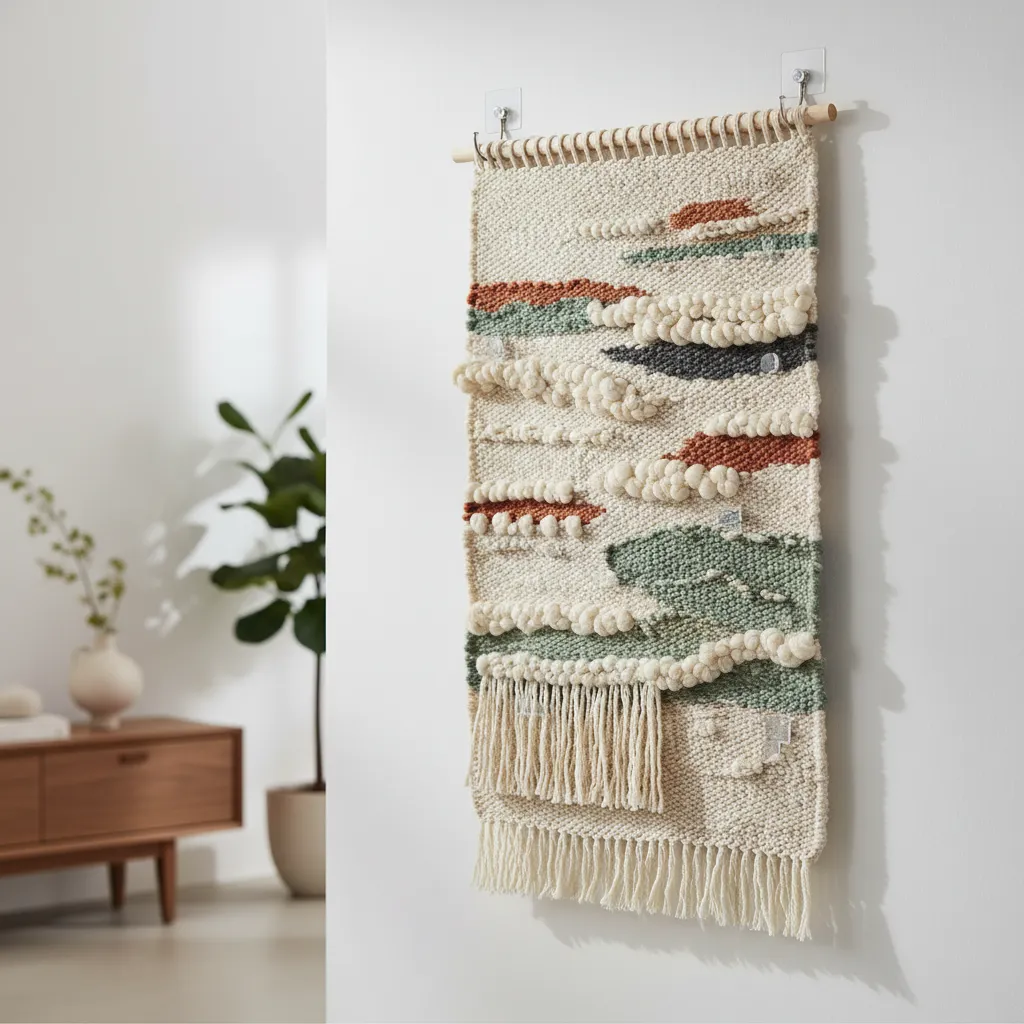
For those in apartments or dorms, damage-free options are essential. Adhesive strips and hooks are the perfect tools for lightweight to medium-weight tapestries.
These methods allow for easy removal, which is ideal for temporary displays or for renters who need to leave walls pristine. This approach is central to many dorm wall decor ideas.
My personal favorite is using Command strips because they don’t damage walls, which is especially important for renters.
Shani Core, Apartment Therapy
- Adhesive Hooks: Best for tapestries with loops or a rod pocket. They are simple to apply and create a clean, minimalist look. Choose hooks rated for your tapestry’s weight.
- Velcro Strips: Ideal for a flat, flush mount against the wall. Attach one side to the wall and the other to the tapestry’s top edge for a secure, invisible hold.
The Classic Rod and Bracket Method
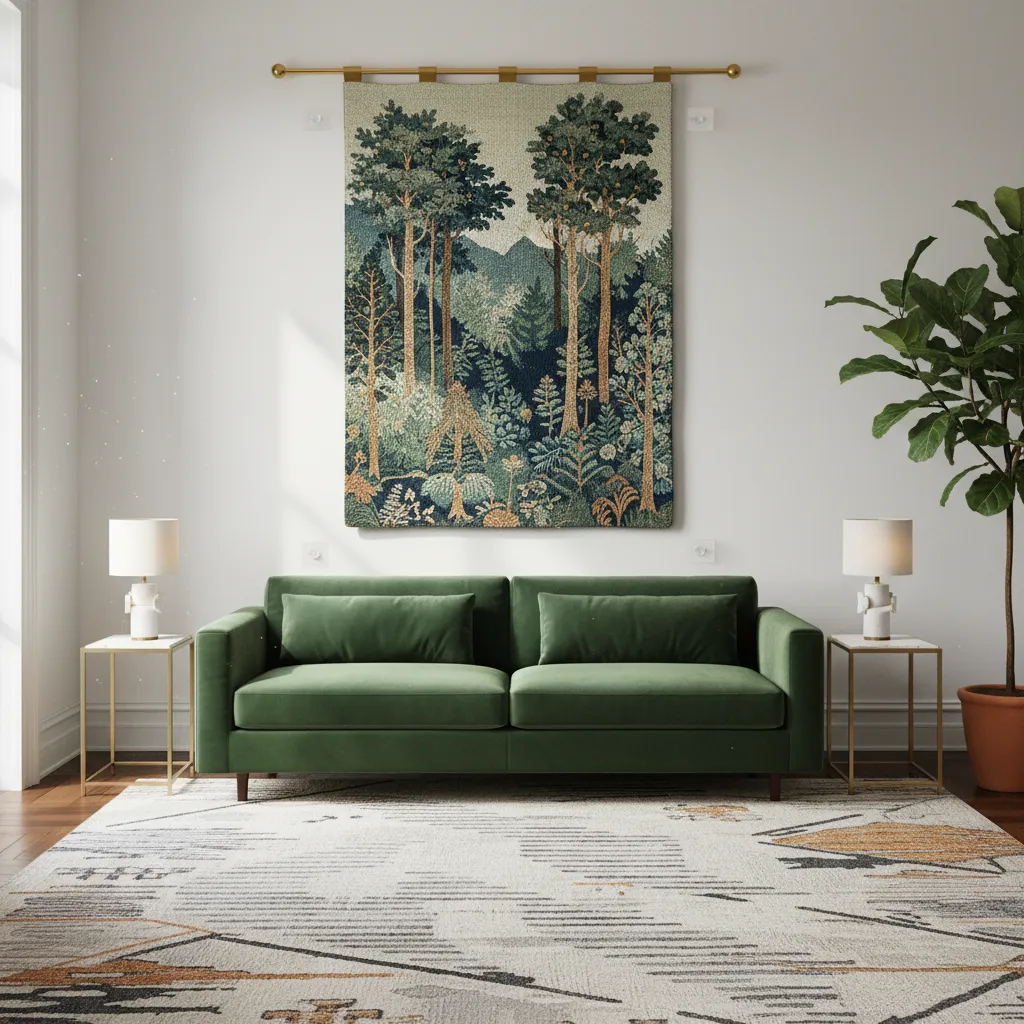
For heavier textiles or a more traditional aesthetic, a wooden dowel or curtain rod is a superb choice. This method distributes weight evenly, preventing stretching.
It creates a polished, gallery-like presentation. Simply slide the rod through the tapestry’s pocket and rest it on small nails or decorative brackets.
The choice of rod finish, from raw wood to sleek brass, can complement your existing decor. It frames the art and enhances the room’s entire palette and texture.
The way you hang your art is the final brushstroke on your masterpiece of a room.
This approach elevates the tapestry from a simple wall covering to a true statement piece. It is one of many creative decorating ideas to make your room cozy and curated.
Damage-Free Decor Secrets
- For lightweight tapestries, embrace adhesive strips or hooks (like Command products) for a renter-friendly solution that ensures easy, damage-free removal, preserving your walls.
- If your tapestry has a rod pocket or loops, utilize adhesive hooks rated for its weight; this offers a clean, minimalist display without needing nails or permanent fixtures.
- For heavier textiles or a more traditional, polished look, opt for a decorative rod and brackets to evenly distribute weight, prevent fabric stretching, and elevate your tapestry into a sophisticated statement piece.
Enhancing Spaces: Functional Benefits Beyond Decor
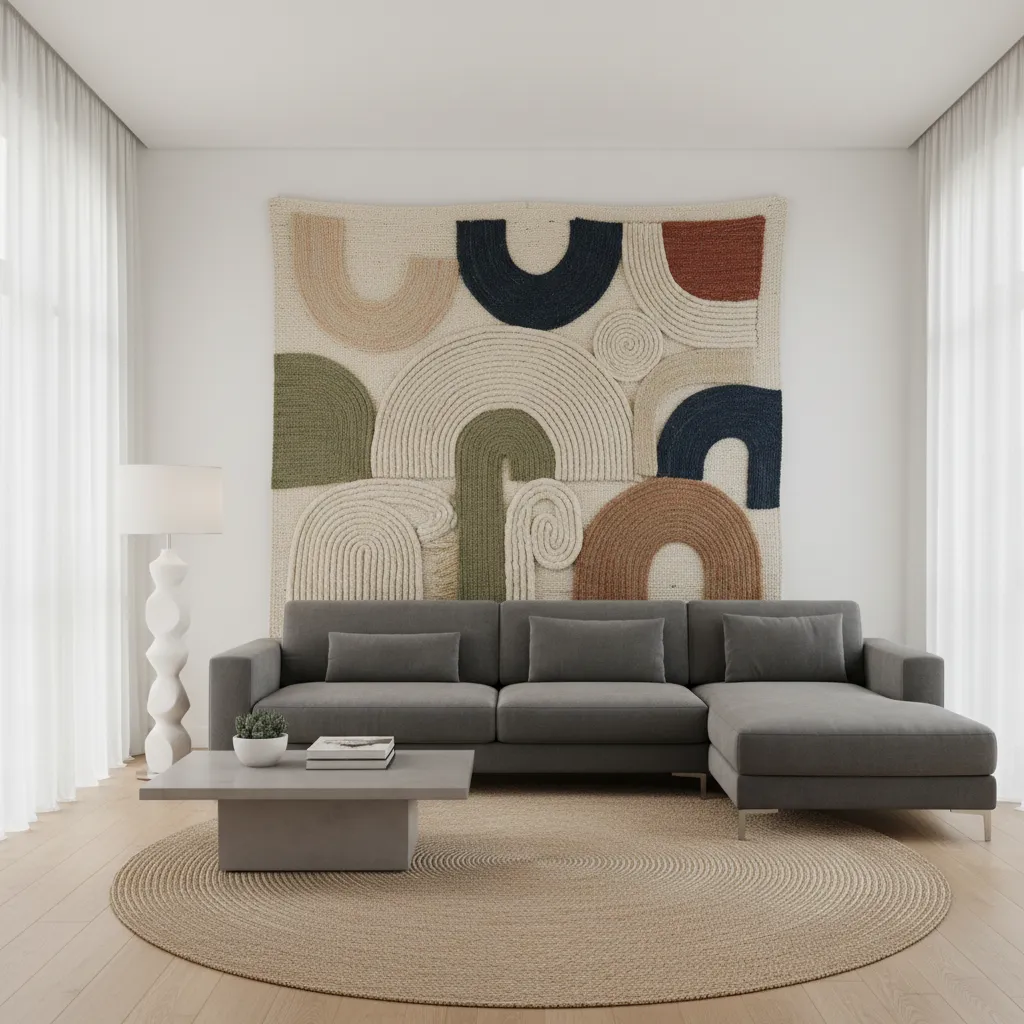
While tapestries are celebrated for their visual appeal, their practical benefits are often overlooked. They are hardworking decor elements.
These woven pieces do more than fill a blank wall. They actively improve a room’s atmosphere, comfort, and even its acoustics.
Acoustic Softening and Sound Dampening
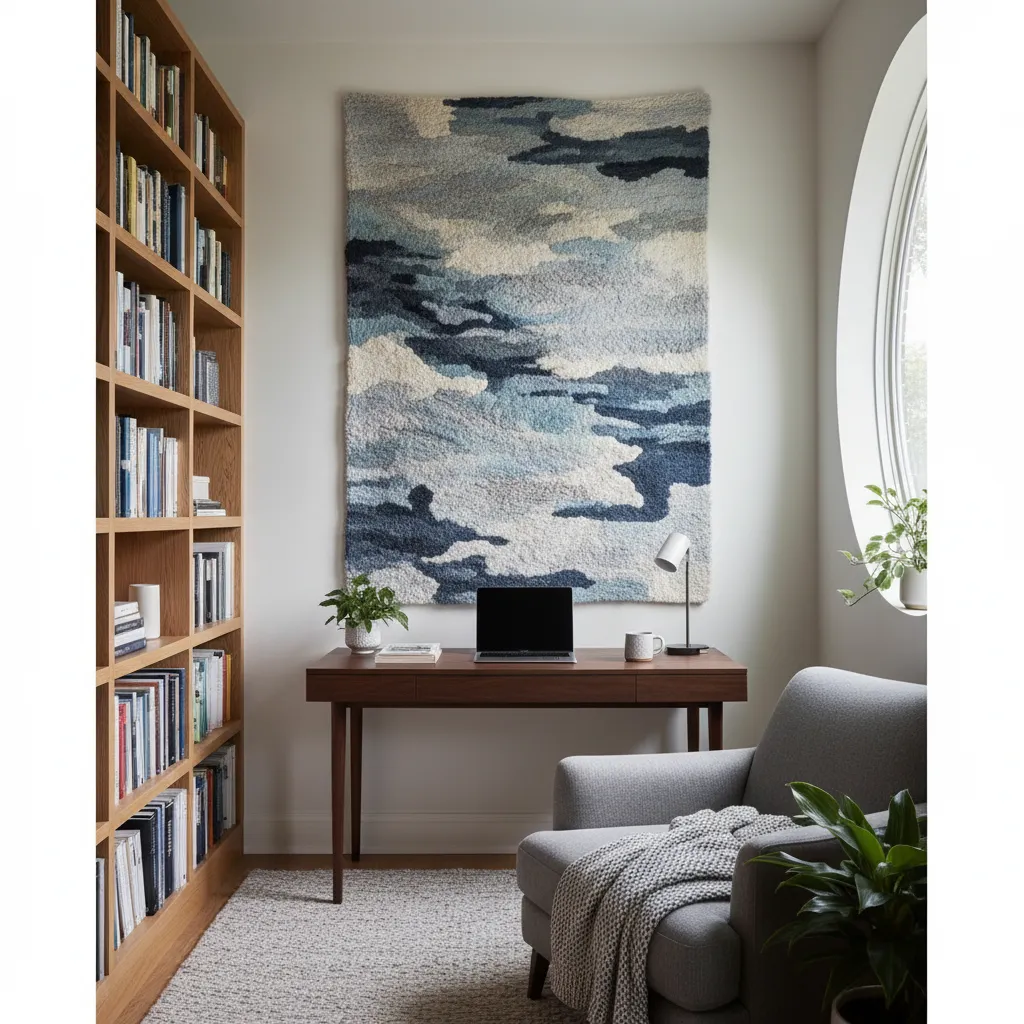
Large rooms with hard surfaces often suffer from echo. A tapestry’s fabric composition is ideal for absorbing sound waves.
This creates a quieter, more serene environment. It is perfect for living rooms, bedrooms, or home offices where noise can be a distraction.
The thicker the weave and material, like wool or dense cotton, the more effective its sound-dampening properties will be.
A tapestry works twice as hard, beautifying a room while solving its practical problems.
Thermal Insulation for Coziness
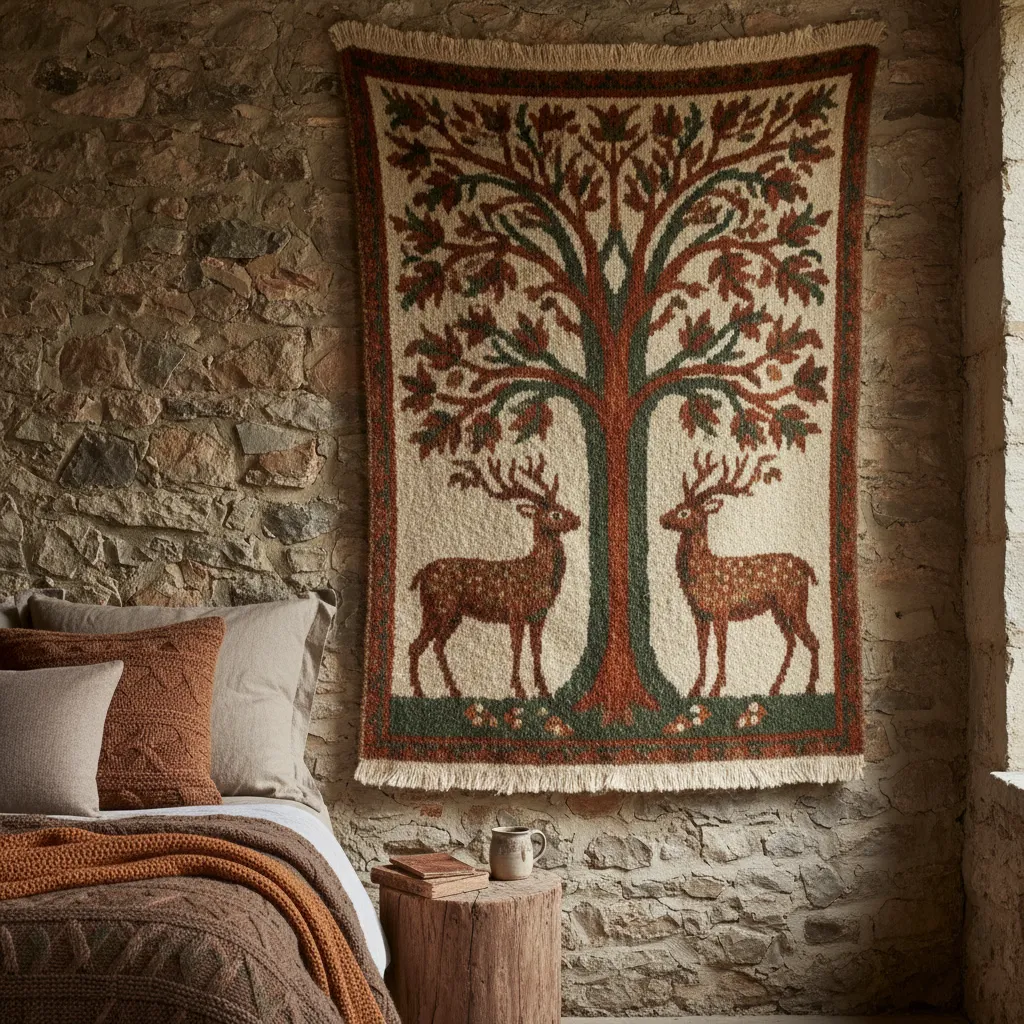
Fabric is a natural insulator. Hanging a large tapestry on an exterior wall adds a layer of protection against the cold.
This helps maintain a room’s temperature, making the space feel cozier and potentially reducing energy costs over time.
This traditional technique is one of the many creative decorating ideas to make your room cozy and comfortable, especially in colder climates.
Fabric wall coverings can help to absorb sound, making it a great option for a media room or a home office where you want to reduce noise levels.
Mikel Welch, The Spruce
An Elegant Way to Conceal Imperfections
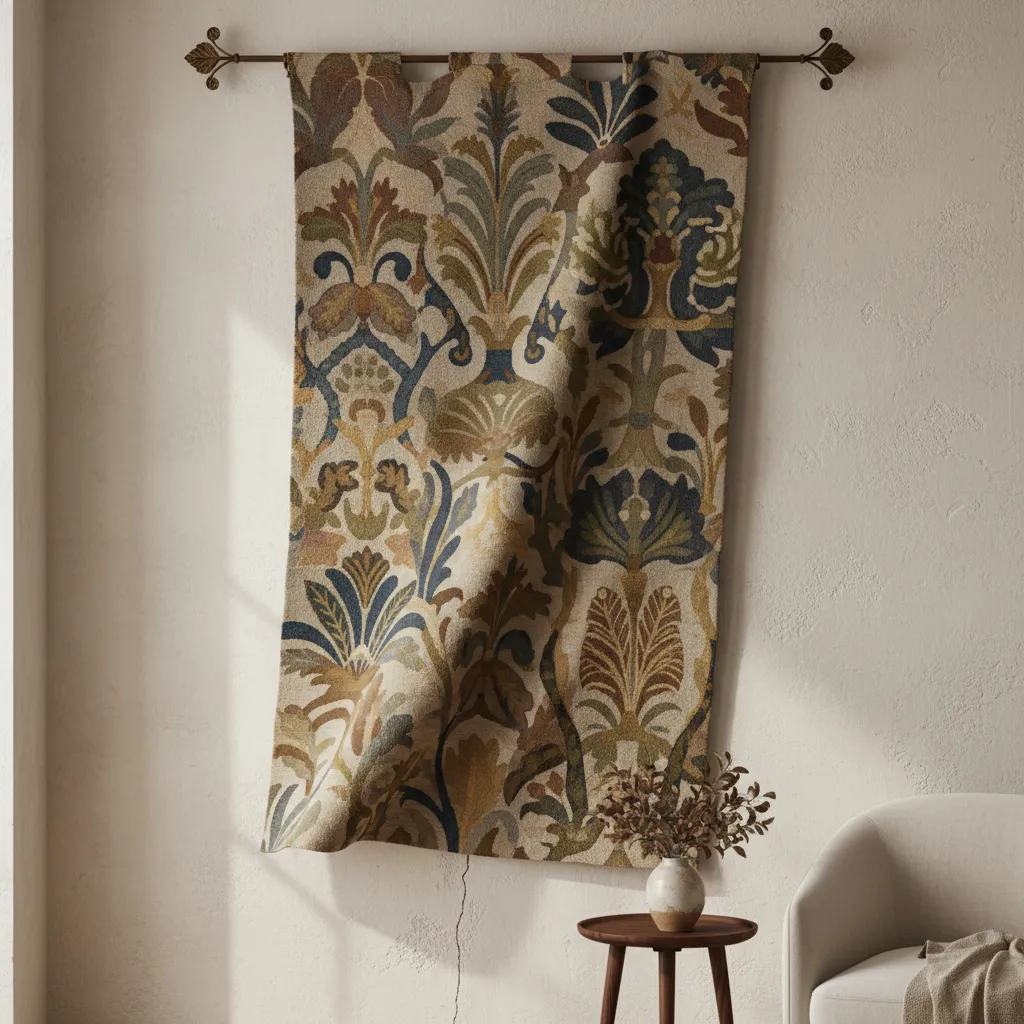
Not every wall is perfect. Tapestries offer a stylish solution for hiding minor cracks, scuffs, or uneven paint jobs.
They can also discreetly cover utility panels or awkward architectural features without the need for costly repairs or renovations.
Unlike framed art, their scale and texture provide broad coverage, creating a seamless and intentional focal point.
Comparing Wall Treatments: Functionality at a Glance
When considering wall decor, it helps to see how different options stack up on a practical level. Here’s a quick comparison.
| Feature | Tapestry | Framed Art | Paint |
|---|---|---|---|
| Sound Dampening | High | Low | None |
| Thermal Insulation | Moderate | Low | None |
| Conceals Flaws | Excellent | Limited | Requires Prep |
| Installation | Easy (DIY) | Moderate | Labor-Intensive |
Style Secret
- Maximize comfort and quiet by hanging a thick, large tapestry on an exterior or echo-prone wall to naturally absorb sound and provide an extra layer of thermal insulation.
- Effortlessly camouflage wall imperfections, unsightly utility panels, or awkward structural elements with a statement tapestry, saving you time and money on renovations.
Advanced Care & Longevity for Your Decorative Tapestries
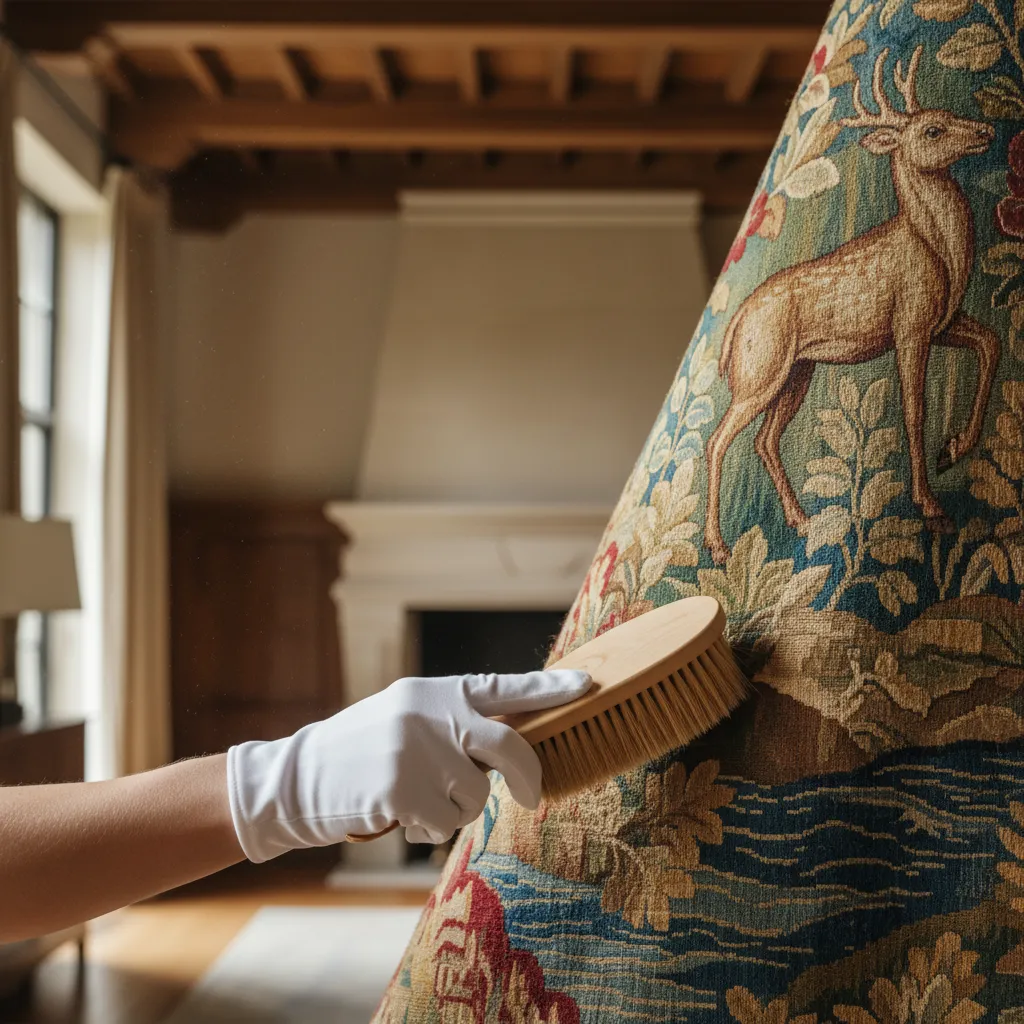
A beautiful tapestry is more than decor; it’s a textile investment. Proper care ensures its rich colors and intricate weaves remain vibrant for years.
Understanding advanced preservation techniques protects the delicate fibers from damage, maintaining the tapestry’s texture and structural integrity.
Protecting Against Environmental Factors
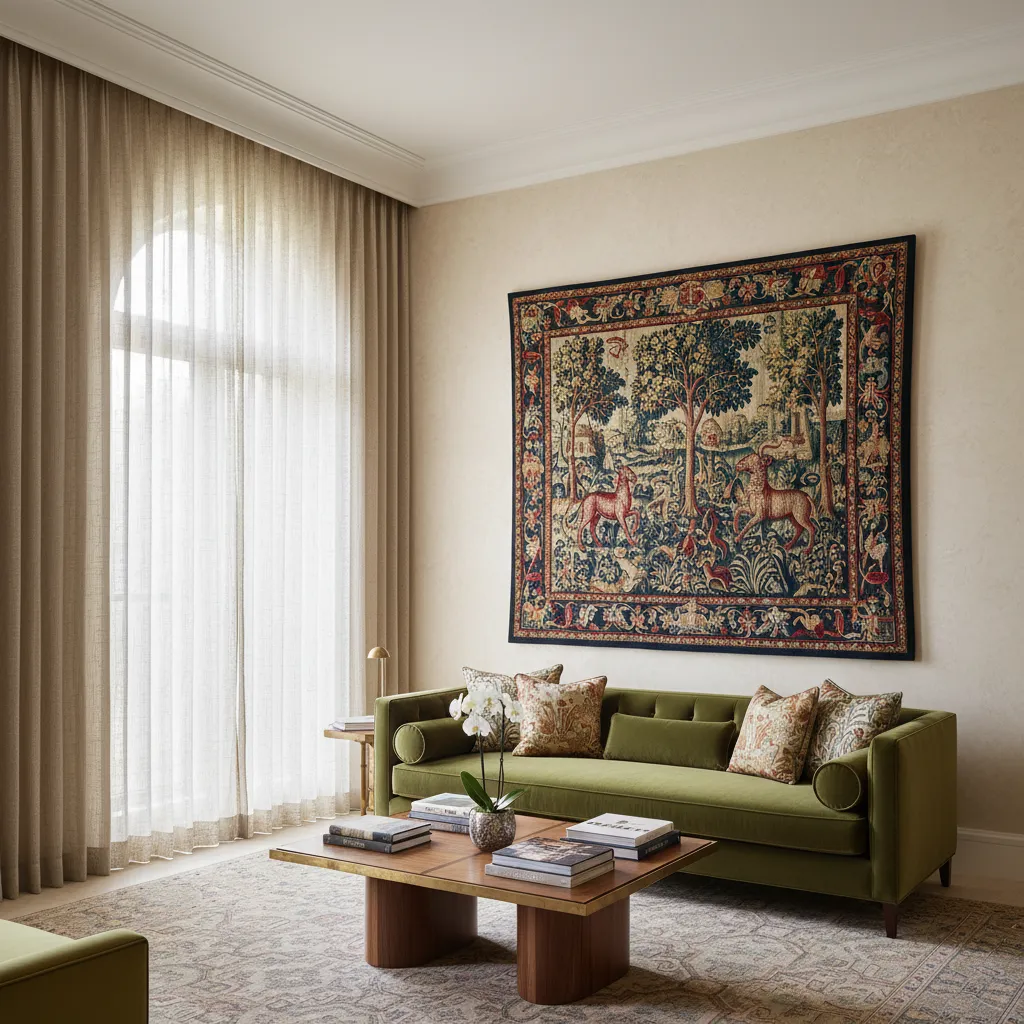
The biggest threats to your tapestry are often invisible. Sunlight, humidity, and temperature fluctuations can cause irreversible harm over time.
Direct sunlight contains UV rays that fade vibrant dyes and weaken natural fibers like wool and cotton. Place your art on a wall that does not get harsh light.
High humidity encourages mold and mildew growth, while very dry air can make fibers brittle. Aim for a stable indoor environment to preserve its condition.
Sunlight and fluorescent light contain high levels of ultra-violet (UV) radiation, which is very damaging to textiles. The damage is cumulative and irreversible.
V&A Museum, Caring for your textiles
Professional Cleaning vs. Gentle DIY Methods
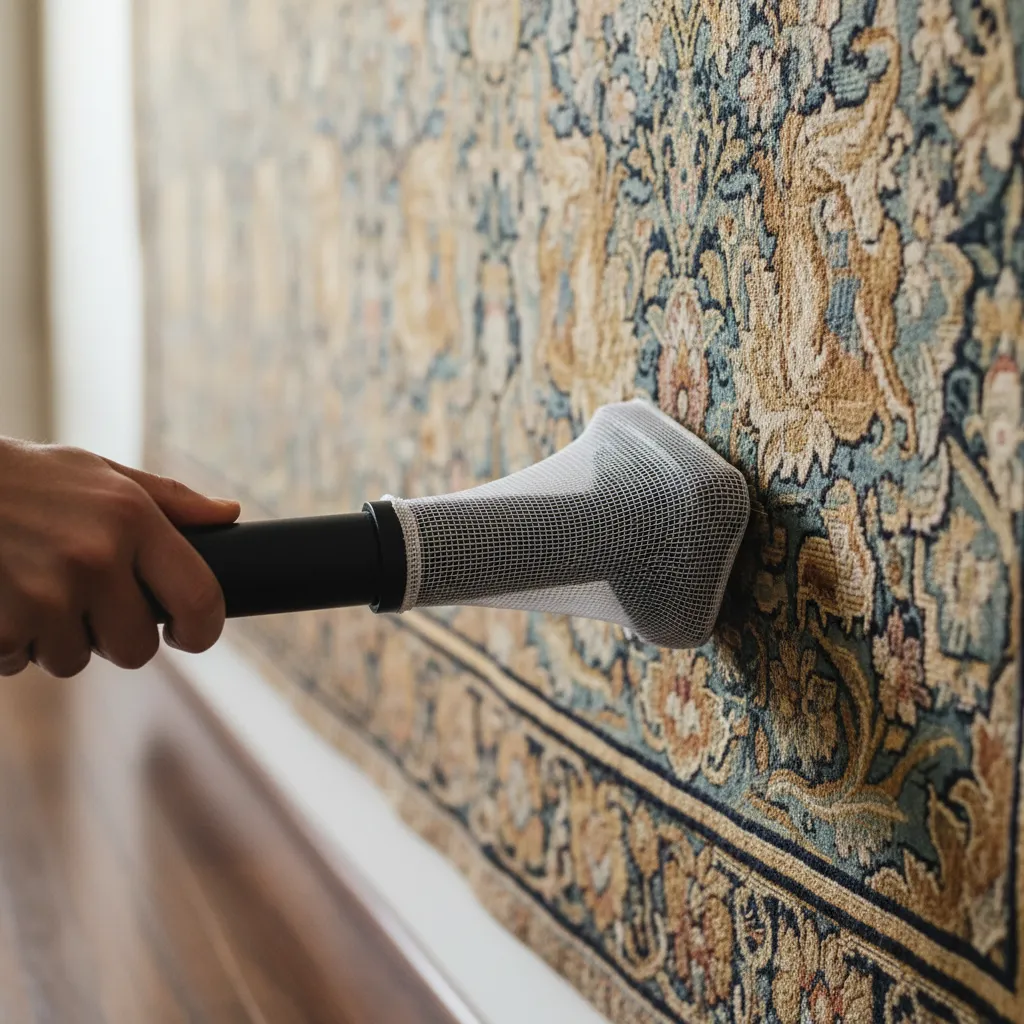
For routine maintenance, simple DIY methods are effective. However, deep cleaning, especially for antique or silk pieces, should be left to professionals.
Regularly dusting your tapestry prevents dirt from embedding into the fibers. This simple step is crucial for maintaining the fabric’s original look and feel.
For a gentle surface clean, follow these steps:
- Take the tapestry down and lay it on a clean, flat surface.
- Place a piece of nylon or fiberglass window screen over a section.
- Use a vacuum with a low-suction upholstery attachment over the screen.
- Move the screen and repeat until the entire surface has been cleaned.
This method removes dust without pulling on the delicate threads. Proper care helps maintain the piece’s role in creating a warm, inviting space.
Preserving your tapestry is not just cleaning; it’s protecting a piece of art for generations to come.
Proper Storage Solutions
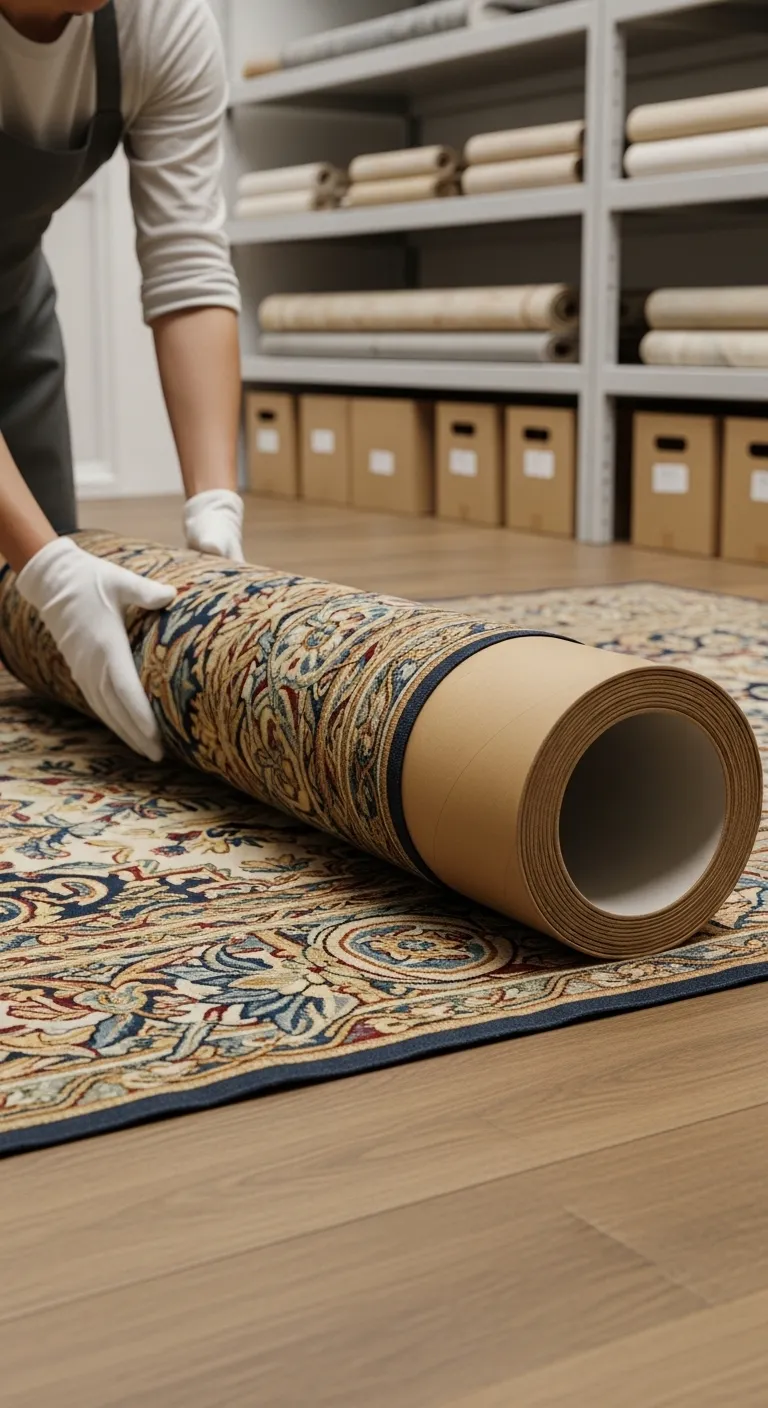
If you need to store your tapestry, folding is not recommended. Folds create permanent creases that can weaken and eventually break the fibers.
The best method is rolling. Use a wide, acid-free cardboard tube. First, lay a clean cotton sheet on the floor, and place the tapestry face-up on top.
Place the tube at one end and carefully roll the tapestry and sheet together. This prevents the textile from touching the cardboard directly.
Store the rolled tapestry in a climate-controlled area, avoiding attics or basements. This maintains the right conditions to foster one of many hygge living room ideas when you’re ready to display it again.
Tapestry Preservation Secrets
- Safeguard your tapestry from UV damage by avoiding direct sunlight and maintaining consistent room temperature and humidity to prevent fading or mildew.
- For routine cleaning, gently vacuum the tapestry’s surface through a nylon screen using a low-suction upholstery attachment to remove dust without stressing fibers.
- When storing, always roll your tapestry with an acid-free cotton sheet onto a wide, acid-free tube instead of folding, and store it in a climate-controlled space.
Weave Your Story on the Walls
A tapestry is more than decor; it’s a statement piece that infuses your room with personality, texture, and warmth.
By matching the style and material to your existing decor, you create a cohesive and intentionally designed space.
Whether you choose cozy wool or a modern print, the right tapestry is waiting to complete your home’s unique narrative.
Design Dilemmas Solved
For lightweight tapestries, use removable adhesive hooks. For heavier ones, a curtain rod or wooden dowel will distribute the weight and prevent wall damage.
Synthetic materials like polyester are ideal for sunny spots. They are designed to be fade-resistant, ensuring your tapestry’s colors stay bright and true.
Absolutely! Thick, heavy tapestries, especially those made of wool, are fantastic at dampening sound and reducing echo in larger, more open spaces.
Aim for a tapestry that covers about two-thirds of the wall space above a major piece of furniture, like a bed or sofa. This creates a balanced focal point.
