
Table of Contents
- Upcycled Botanical Entryway Wreath: Budget-Friendly Door Decor
- Pastel Ombre Linen Throw Pillows: Beginner-Tier Fabric DIY
- Nature-Inspired Moss and Floral Centerpiece: Intermediate Tablescape Project
- Layered Botanical Art Mantel: Advanced Seasonal Styling Guide
- A Season of Fresh Beginnings
- Spring Design Dilemmas Solved
As the days grow longer and sunlight filters through the windows, there is a natural urge to refresh our living spaces.
Spring is the perfect season to blend high-end design principles with the charm of handmade touches.
By focusing on light textures and organic palettes, you can create a home that feels both sophisticated and deeply personal.
Revitalizing your decor does not require a complete overhaul or a massive budget.
Practical projects such as botanical wall art or custom linen pillows offer a high impact with minimal effort. These DIY tasks allow you to curate an environment that balances professional styling with the cozy functionality of a lived-in space.
Elevating your home is about more than just aesthetics; it is about crafting a sanctuary that inspires daily joy.
Whether you are painting a thrifted cabinet or rearranging a gallery wall, the goal is to reflect your unique style.
Let these creative ideas guide you as you transform your rooms into a vibrant celebration of the new season.
Creative Spring Decorating Ideas for the Home DIY Projects
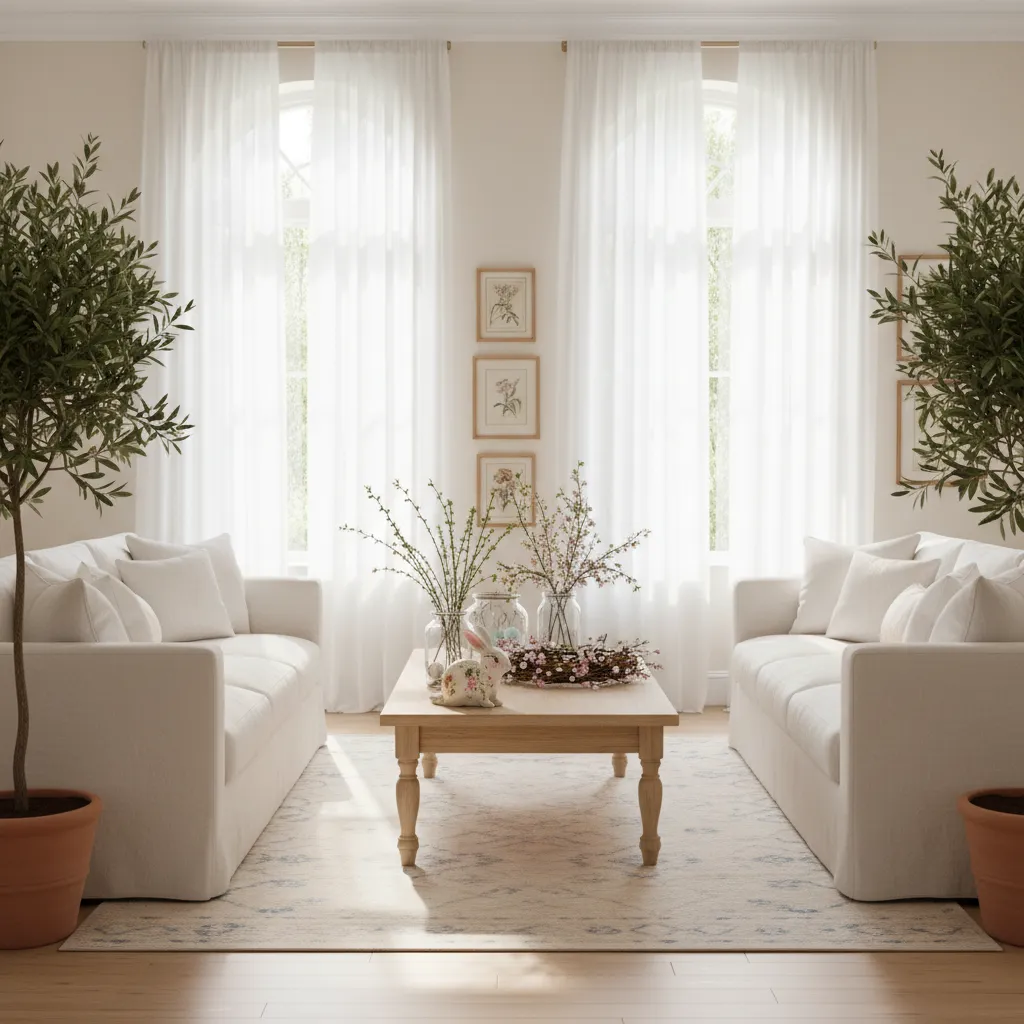
Spring invites a sense of renewal into your home through light textures and soft colors. It is the perfect time to swap heavy winter blankets for airy linen throws.
Lighter fabrics improve spatial flow by making rooms feel more open. These materials catch the morning sun, creating a warm ambient glow in your living space.
Breathable Textiles and Organic Textures
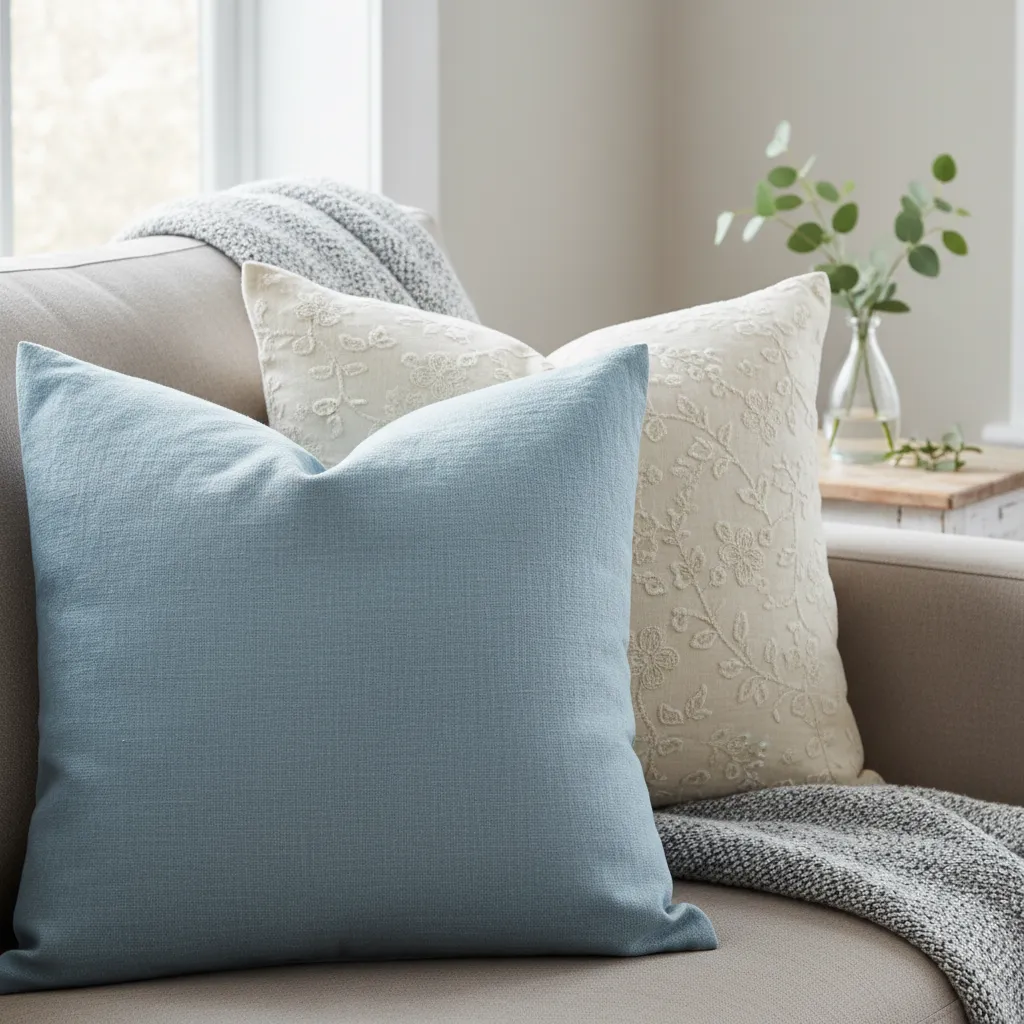
Refreshing your home for the season starts with a shift in tactile elements. Replacing velvet with raw cotton creates a crisp, clean atmosphere that feels revitalizing.
Your home should be a reflection of the season’s energy, moving from the cozy hibernation of winter to the airy freedom of spring.
Incorporate woven seagrass baskets to store winter leftovers. This organic material adds a grounded, earthy feel to your curated space while improving functional storage.
The easiest way to make a room feel like spring is to lighten up the window treatments and let the sun do the work.
Bobby Berk, Interior Designer & Author
DIY Botanical Accents and Greenery
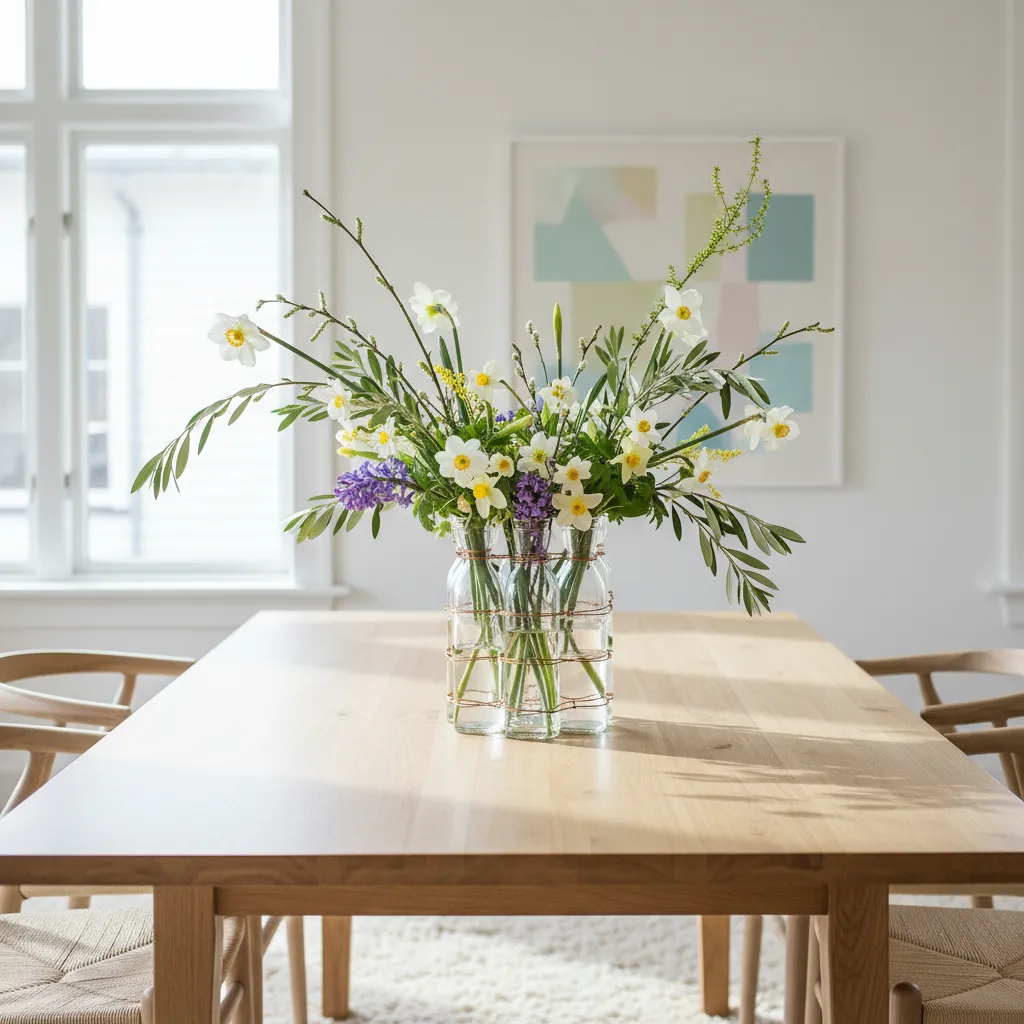
Bringing the outdoors in is a core principle of spring design. You can easily create custom spring dining table centerpieces using found objects and fresh greenery.
Try pressing early wildflowers between glass frames for a modern botanical display. This project adds a personal touch to your walls while celebrating local flora.
Consider these spring decor ideas for the living room to maximize natural light and improve spatial flow through greenery.
| Material | Spring Utility | DIY Difficulty |
|---|---|---|
| Raw Oak | Adds natural warmth | Medium |
| Linen | Breathable texture | Easy |
| Brass | Reflects soft light | Easy |
Simple shifts in hardware can also transform a room. Swapping heavy iron knobs for polished brass or ceramic pulls adds a bright, sophisticated finish to cabinets.
Focusing on these small, creative projects ensures your home feels refreshed without a full renovation. Spring is about the beauty of light and the joy of new beginnings.
Designer’s Style Secrets
- Revive tired cotton pillow covers with a quick dip in organic fabric dye using soft sage or terracotta tones to match the season’s palette.
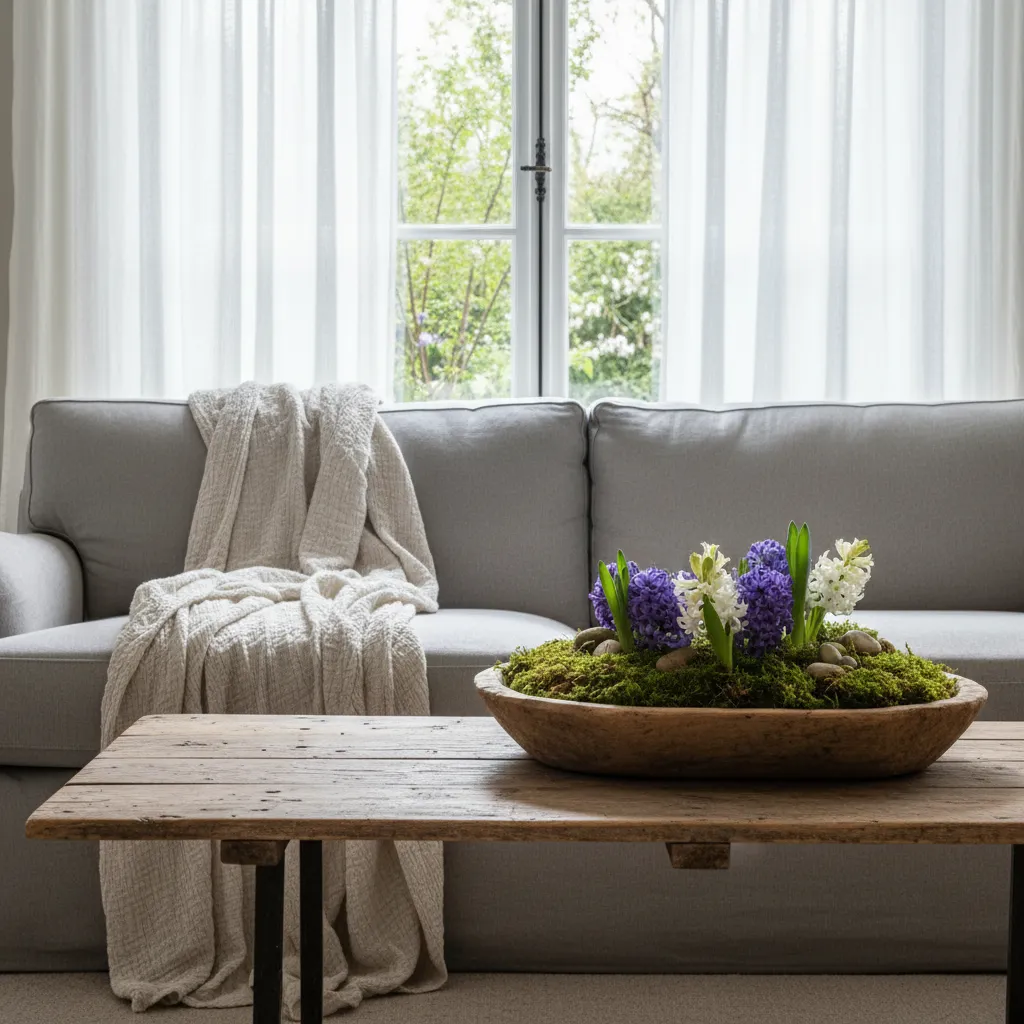
- Fashion a ‘living’ centerpiece by layering moss, river stones, and spring bulbs like hyacinths in a shallow wooden dough bowl.
- Instantly elevate thrifted frames by pressing local wildflowers behind double-pane glass for a high-end, gallery-style botanical display.
Upcycled Botanical Entryway Wreath: Budget-Friendly Door Decor
<Header Image: wide architectural shot of a styled room>
Your entryway sets the mood for the entire home. A spring wreath is the perfect way to welcome the season with style and charm.
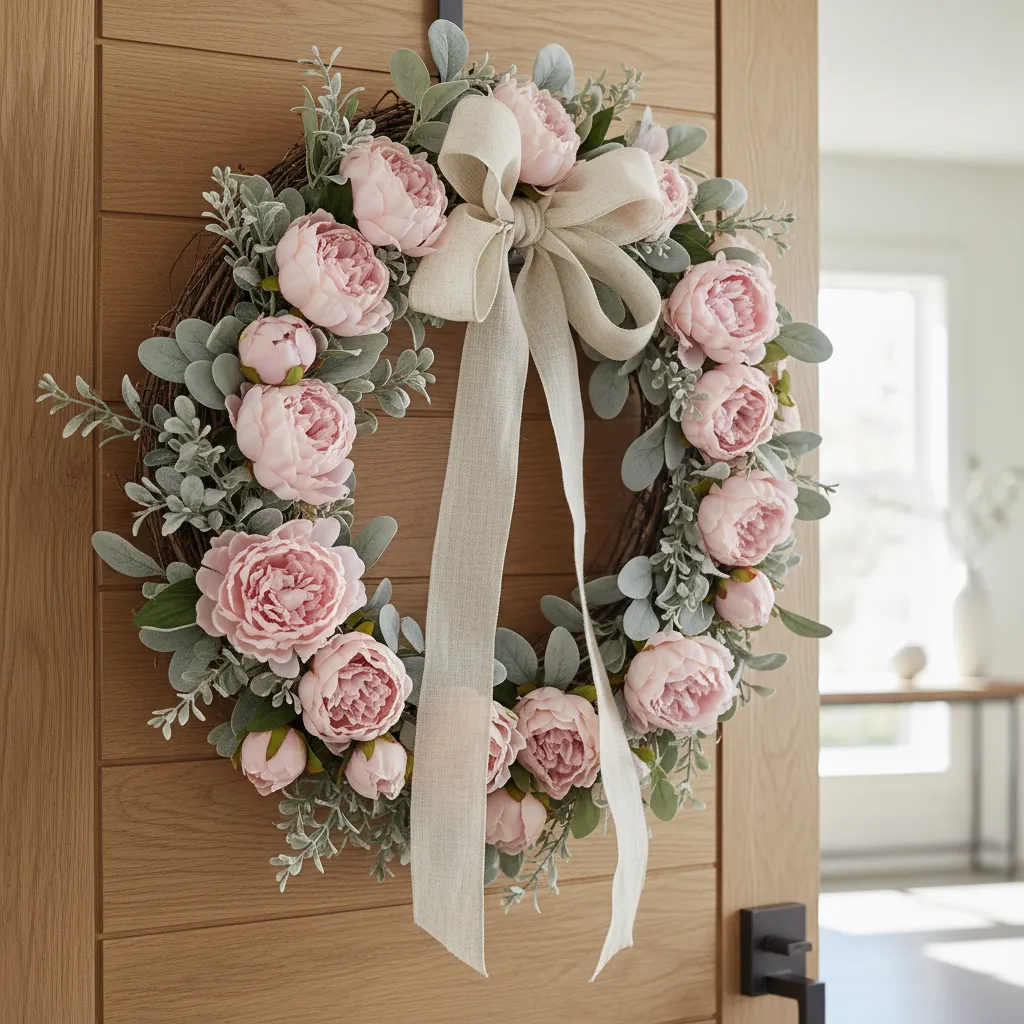
Start with a reclaimed grapevine base for a rustic feel. This organic texture provides a sturdy foundation for delicate silk blooms.
Choosing Sustainable Materials
Layer in faux eucalyptus or lamb’s ear for a soft, silvery green. These materials offer a lifelike appearance without the wilting.
Pair these with a few statement peonies in soft blush or cream. This creates a focal point that draws the eye from the sidewalk.
For more inspiration on making a great first impression, explore 25 front door ideas to instantly boost your home’s curb appeal for your entryway.
A handmade wreath on the door is like a warm hug before your guests even step inside.
Assembling Your Seasonal Design
Secure stems using thin florist wire to ensure durability. A well-constructed piece can withstand the occasional spring breeze.
Finish with a simple linen ribbon for a touch of elegance. The fabric adds a soft, tactile contrast to the rough wood of the base.
Your front door is the first thing guests see. It’s an opportunity to show off your style and make people feel welcome.
Shea McGee, Studio McGee
This project is a great way to use leftover craft supplies. It transforms an old frame into a fresh, inviting piece of art.
| Material | Texture | Durability |
|---|---|---|
| Grapevine | Rough, Organic | High |
| Silk Flowers | Soft, Delicate | Medium |
| Eucalyptus | Waxy, Leafy | High |
Place your wreath under a covered porch to protect it from rain. This ensures the colors stay vibrant throughout the entire season.
Check your local craft stores for seasonal sales on greenery. High-quality faux stems often go on discount during the early spring months.
You can also find similar textures in other areas of the house. See these spring decoration ideas for farmhouse styles to coordinate your look.
Designer Curb Appeal Hacks
- Spray your silk flowers with a UV-resistant clear coat to prevent sun fading if your door receives direct afternoon sunlight.
- Save money by sourcing grapevine bases from thrift stores and stripping down old, dated holiday wreaths to their core.
- Use a hot glue gun for small accents, but stick to floral wire for heavier stems to ensure they don’t shift during temperature changes.
Pastel Ombre Linen Throw Pillows: Beginner-Tier Fabric DIY
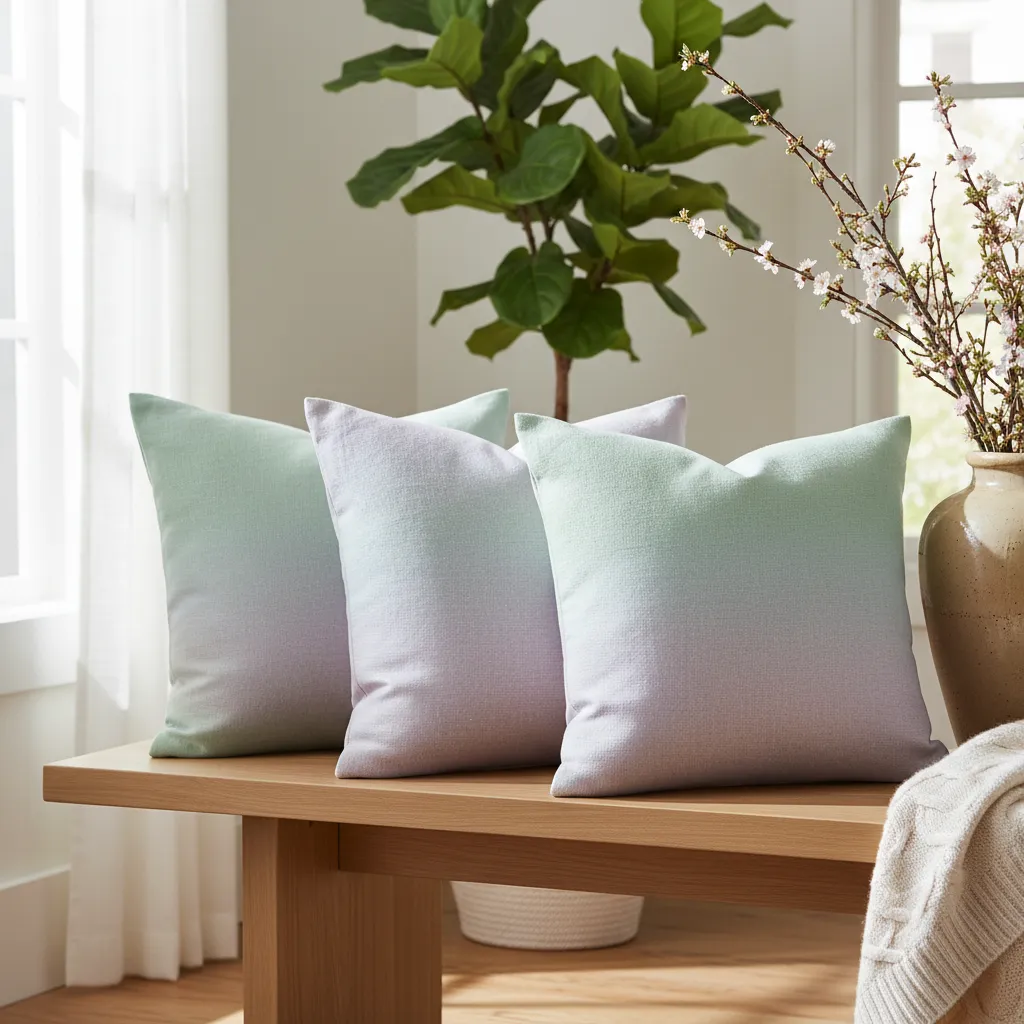
Linen pillows bring a raw, organic texture to any seating area. Their breathable weave feels light for the warmer months. This fabric adds a tactile depth that synthetic materials often lack.
The ombre effect adds a modern, painterly touch to your sofa. This project is a simple way to refresh your space on a budget. It allows for a custom palette tailored to your home.
Adding custom pillows is one of many spring decor ideas for living room layouts that boost comfort. They improve usability by providing soft support during afternoon lounging.
Linen ombre pillows are the perfect marriage of raw texture and soft spring color.
Essential Supplies for Your Fabric Project
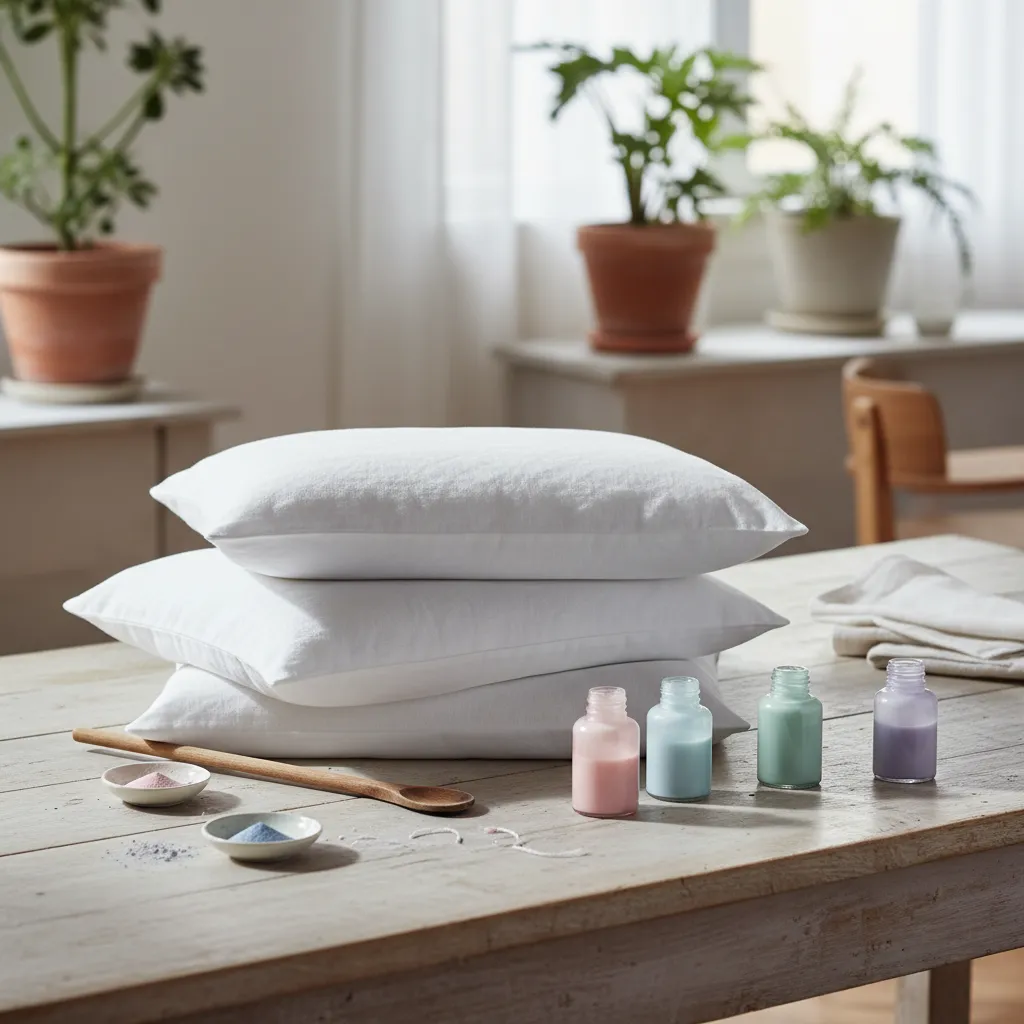
Before you begin, gather your materials to ensure a smooth spatial flow in your workspace. Organizing your tools helps keep the process relaxing and creative.
- White Linen Covers: Choose a heavy-weight linen for durability and rich texture.
- Fabric Dye: Select soft shades like sage, blush, or muted sky blue.
- Large Basin: Use a plastic tub that allows the fabric to move freely.
- Salt: This acts as a fixative to ensure the color stays vibrant over time.
If you enjoy working with textiles, you might also like these DIY tote bag painting ideas for your next craft afternoon. Both projects celebrate the beauty of handmade finishes.
The beauty of dip-dyeing is that no two pieces are ever exactly the same.
Martha Stewart, Ombre Dyeing: How-To
Mastering the Dip-Dye Technique
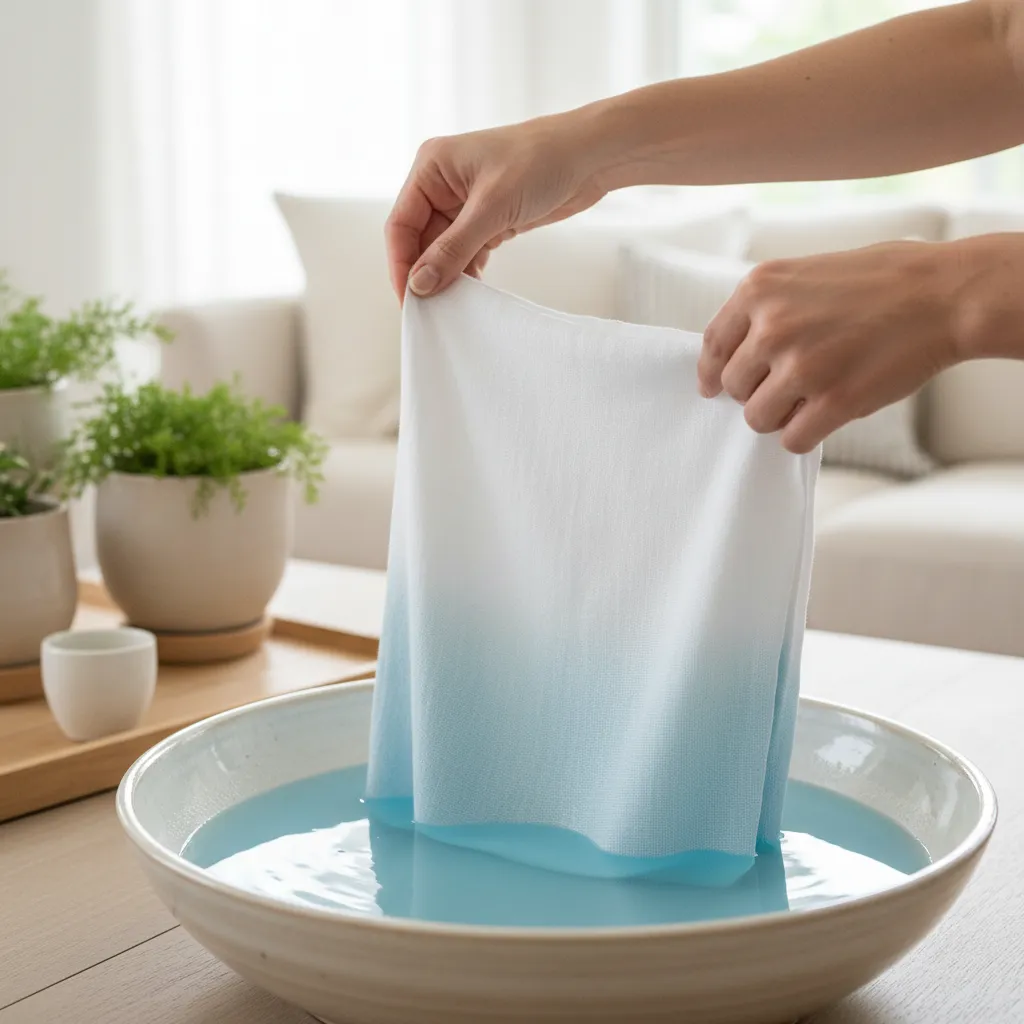
Begin by soaking the bottom half of your linen cover in clean water. This helps the dye travel upward, creating a soft, blurred edge between the white and colored sections.
Gradually lower the fabric into the dye bath. For a professional look, leave the bottom edge in the longest to achieve a deeper, more saturated tone.
Linen catches the warm ambient glow of the spring sun beautifully. This subtle gradient creates a focal point that draws the eye without overwhelming the rest of your decor.
To learn more about achieving a professional finish with fabric, you can consult this official dip-dyeing guide for expert ratios. Proper rinsing is essential for long-term use.
Artisan Insight
- Test your dye intensity on a small linen scrap first, as the natural fibers may absorb color more deeply than expected.
- For a seamless gradient, keep the fabric moving slightly while it is submerged to avoid harsh tide lines between shades.
- Hang your pillows to air-dry away from direct sunlight to preserve the delicate pastel tones and prevent premature fading.
Nature-Inspired Moss and Floral Centerpiece: Intermediate Tablescape Project
Moss adds a lush, velvety texture to your table. It creates a serene forest floor aesthetic. This organic layer brings instant life to any room.
Pair damp, green moss with rough bark or sleek ceramic. This tactile contrast makes the arrangement feel curated and intentional. It is a sophisticated way to welcome spring.
A well-placed centerpiece anchors the room. It directs the eye and creates a natural gathering point for guests.
This project enhances the 21 dining room table centerpieces you might already be considering.
Design is often about the layers we cannot see, but the textures we can feel.
Selecting Your Foundation and Materials
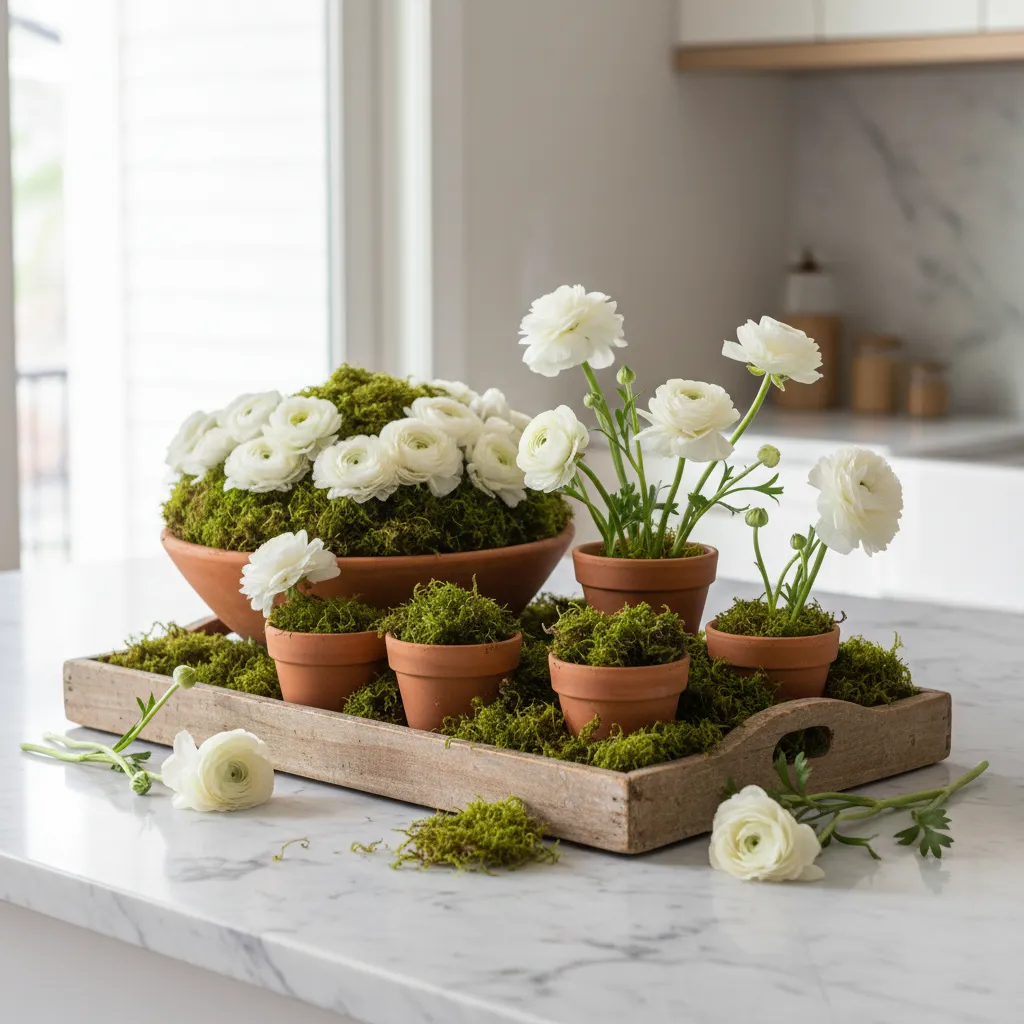
Start with a shallow wooden tray or stone vessel. This contains any moisture and provides a sturdy base. The vessel defines the spatial flow of your table.
Use preserved moss for longevity or live moss for a vibrant scent. Add floral foam to keep your blooms fresh and upright. This ensures the arrangement lasts through the week.
Natural elements like moss and stone bring an grounded, architectural quality to a table that flowers alone cannot achieve.
Bunny Williams, Interior Designer & Author
Assembling the Moss Layer
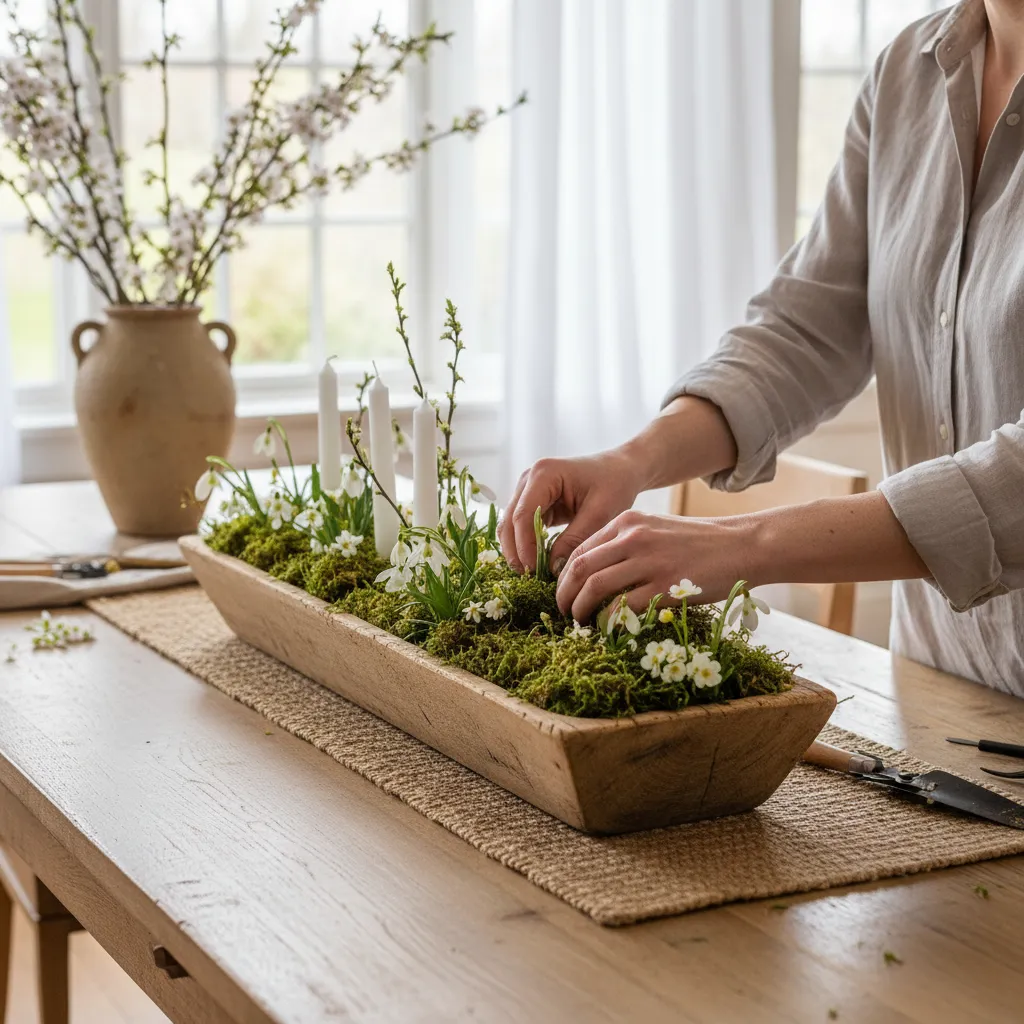
Lay the moss in thick, overlapping sheets. Hide the edges of the tray for a seamless look. This creates the illusion of a living landscape on your table.
Press the moss firmly into the corners. Ensure there are no gaps where the foam shows through. A dense application looks more professional and high-end.
For more inspiration on seasonal styling, view these spring dining table centerpieces. They offer modern ways to use greenery in the home.
| Material | Visual Effect | Functionality |
|---|---|---|
| Sheet Moss | Velvety and uniform | Covers large base areas |
| Mood Moss | Clumped and hilly | Adds height and dimension |
| Reindeer Moss | Spongy and light | Provides color contrast |
Adding the Floral Accents
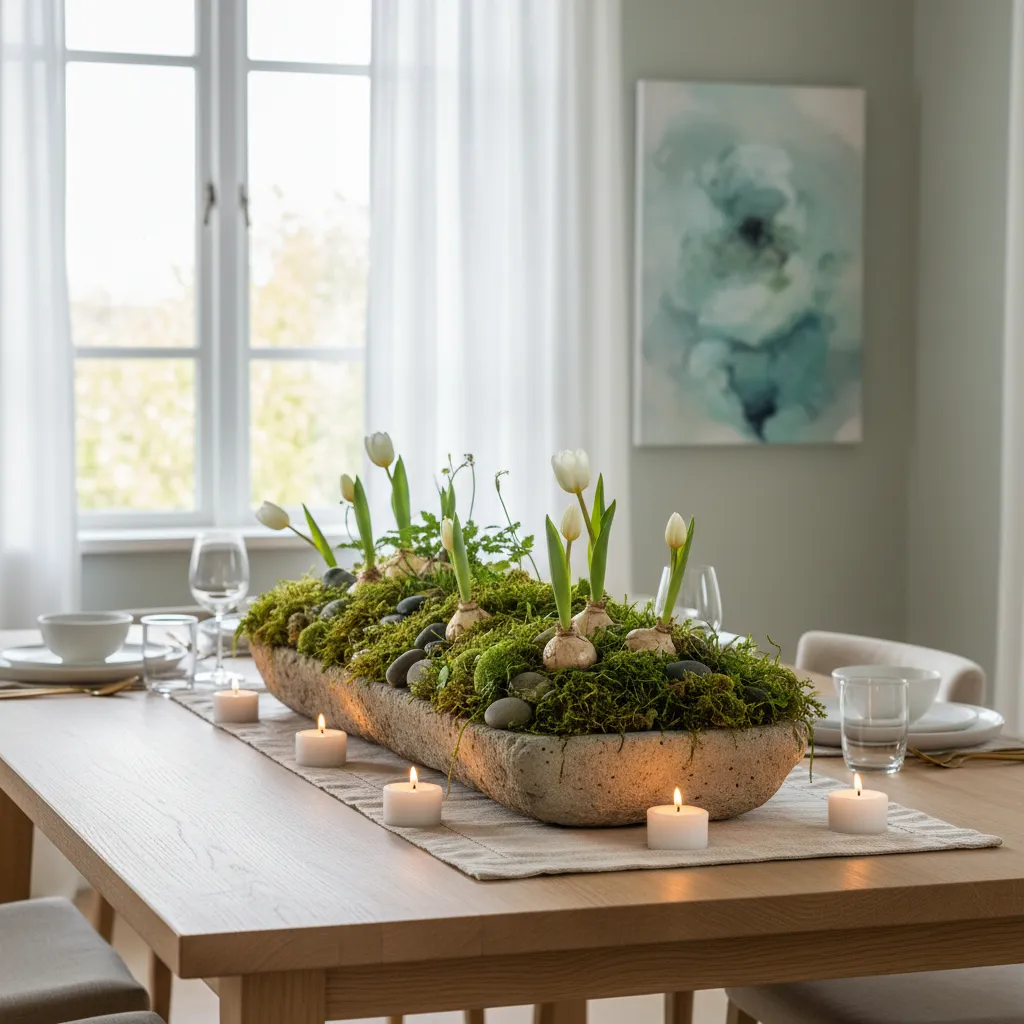
Poke small holes in the moss to insert stems. Use delicate blossoms like tulips or lily of the valley. These soft colors pop against the deep green base.
Keep the arrangement low to encourage conversation. This functional choice ensures guests can see one another. It maintains an airy and minimal feel in the space.
Finish with small pebbles or glass votives. The warm ambient glow of candles reflects beautifully off the damp moss. It creates a hygge atmosphere for evening meals.
Check the moisture levels daily to keep live moss hydrated. Use a fine mist spray bottle for a gentle touch. This simple care routine preserves the organic beauty.
The Botanical Stylist’s Secret
- Create a miniature topography by layering different moss varieties like Mood and Reindeer moss to mimic the natural rise and fall of a forest floor.
- Secure your moss sheets with discreet U-shaped floral pins to prevent shifting and ensure a seamless, professional finish that hides the mechanics beneath.
- Use a fine-mist spray bottle to hydrate live moss daily, but protect delicate flower petals with a paper towel during misting to prevent spotting.
Layered Botanical Art Mantel: Advanced Seasonal Styling Guide
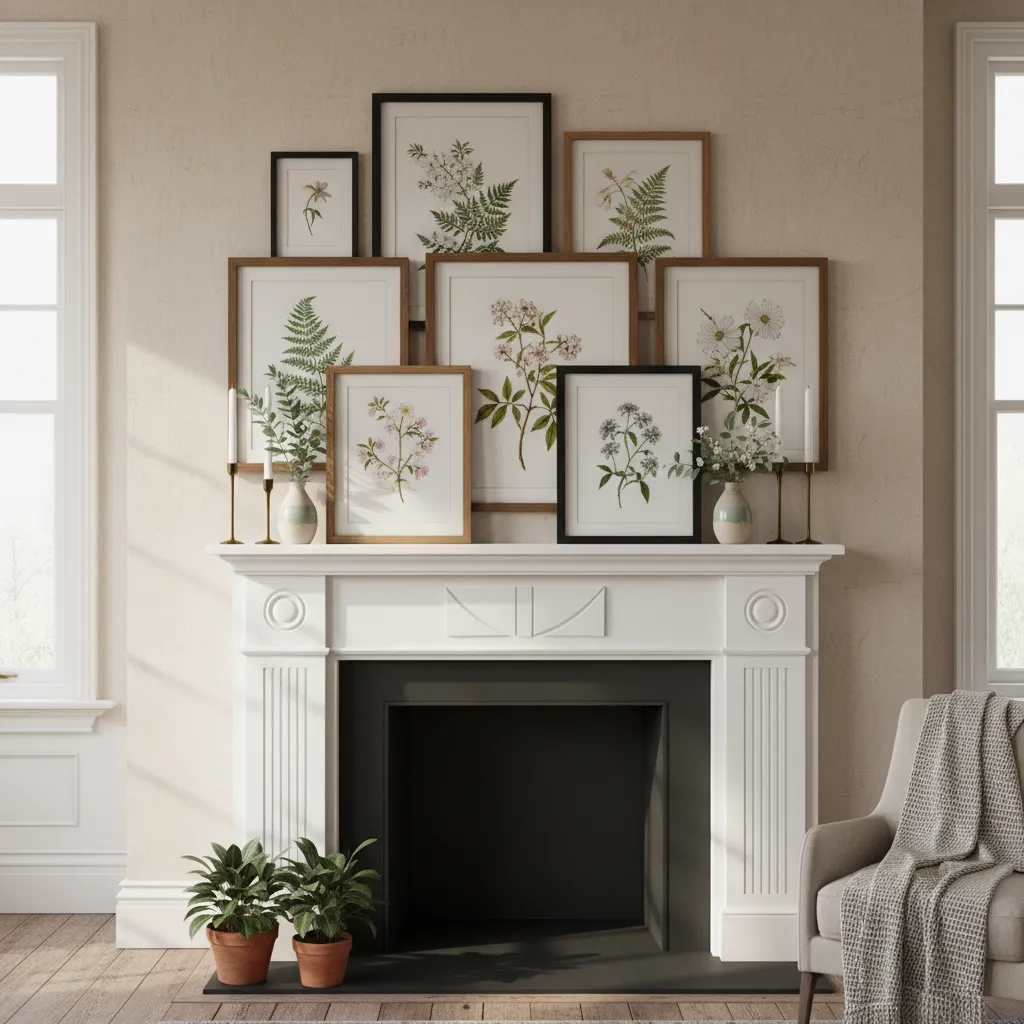
A mantel serves as the soul of a living room. In spring, it offers a canvas for fresh growth and light. This space should feel airy and minimal.
Layering botanical art creates a curated look. This technique adds depth and interest to flat walls. It helps transition the room into a new season.
For a cohesive palette, choose frames in similar finishes. Oak and brass provide a warm, organic feel. They complement the soft greens of spring plants.
Layering is the secret to a mantel that feels like a story rather than just a shelf.
Selecting the Right Botanical Prints
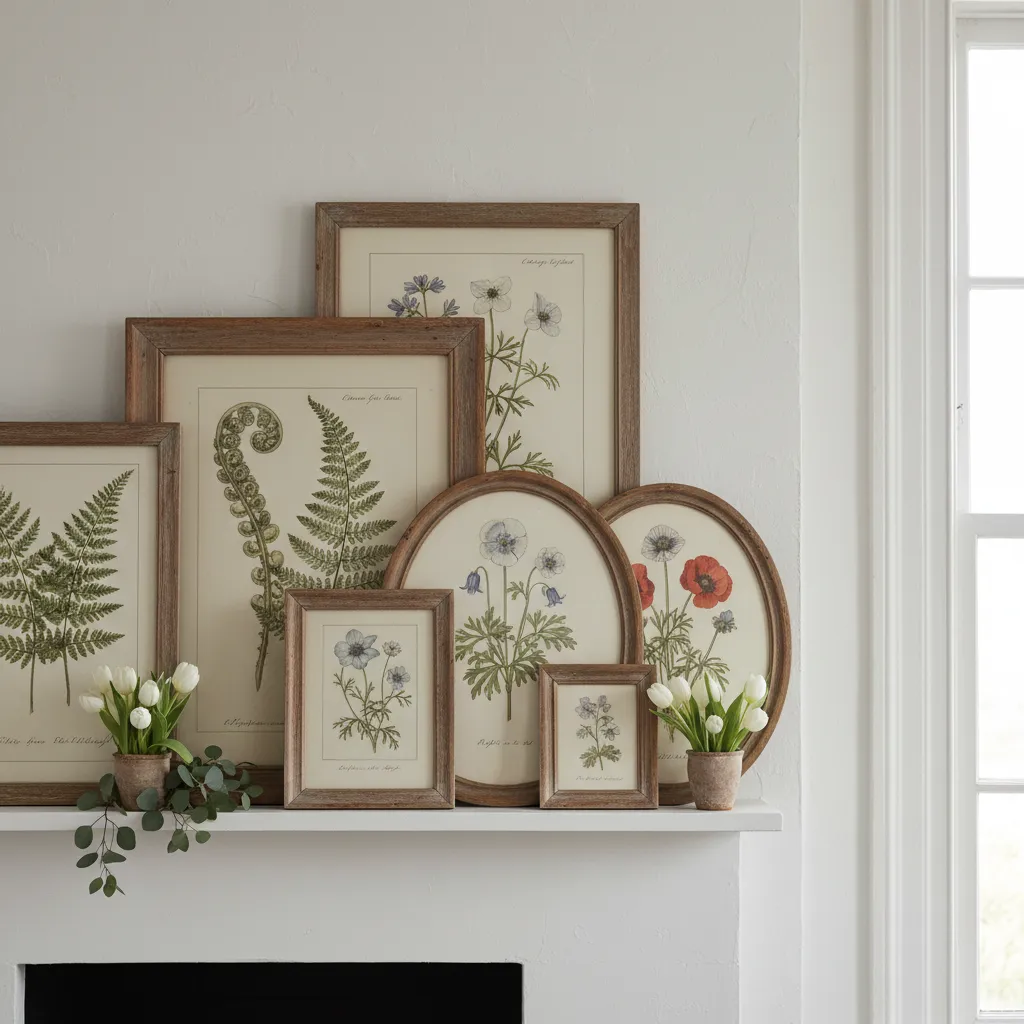
Start with a large focal point. A raw wood frame with pressed ferns adds an organic, grounding element. This piece sets the scale for the display.
Mix different artistic styles for variety. Combine vintage illustrations with modern, abstract leaf prints. This creates a sophisticated, eclectic spatial flow.
The functionality of this layout is key. Leaning frames instead of hanging them allows for easy updates. You can swap art as the garden begins to bloom.
Consider the lighting effects in the room. Natural light highlights the intricate details of the prints. It makes the colors appear more vibrant and fresh.
When styling a mantel, start with a large anchor piece, then layer in smaller items at varying heights to create a sense of movement.
Emily Henderson, Style by Emily Henderson
Arranging Textures and Objects
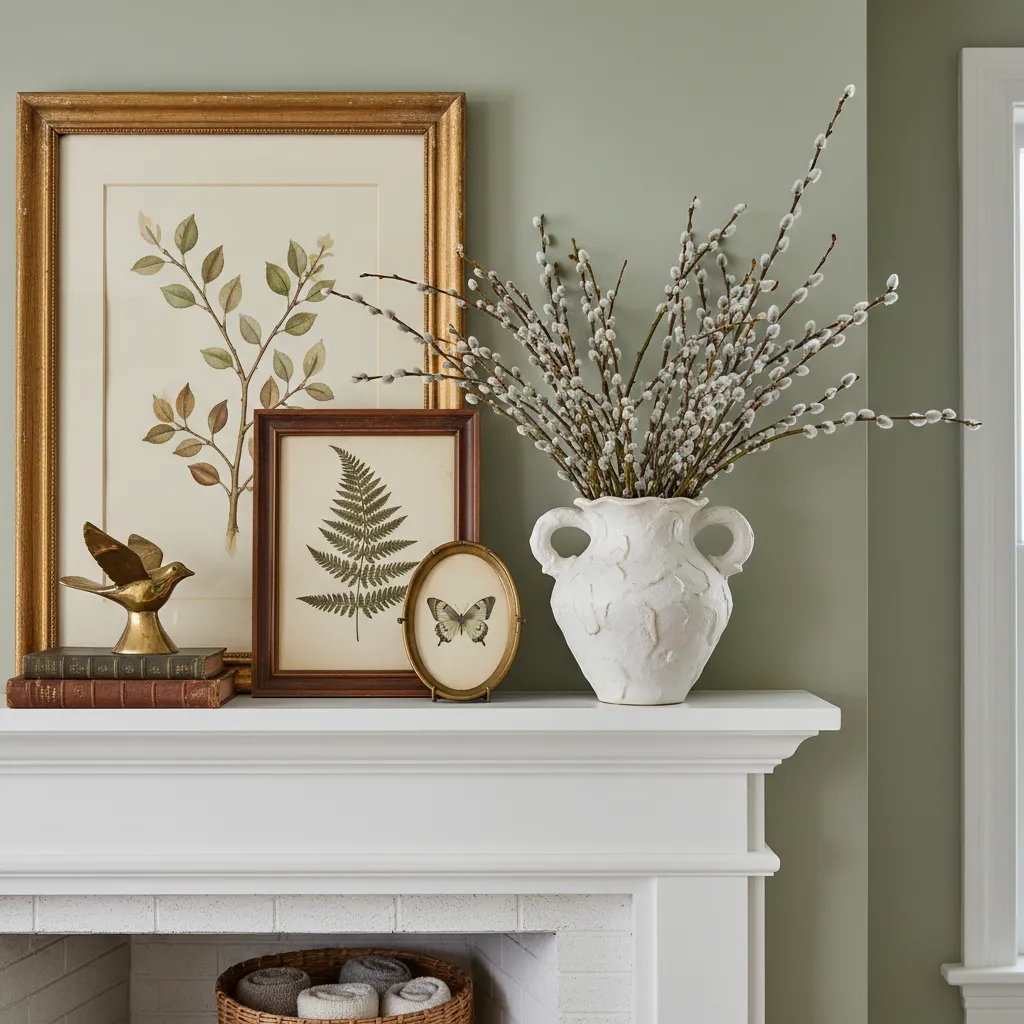
Introduce tactile depth with natural materials. Woven baskets or linen ribbons add a soft touch. These elements balance the sharp lines of the art frames.
You can find more inspiration for your hearth by exploring 22 cozy fireplace looks for any room. This helps define your personal aesthetic.
Add small vignettes between the frames. A cluster of matte ceramic vases works well. Use varying heights to keep the viewer’s eye moving across the mantel.
Tabletop greenery improves the usability of the space. It brings the outdoors inside, freshening the air. It also provides a lush, hygge atmosphere.
| Decor Element | Texture Type | Design Function |
|---|---|---|
| Oak Frames | Raw Wood | Visual Anchor |
| Pressed Ferns | Delicate Leaf | Organic Pattern |
| Ceramic Vases | Matte Clay | Height Variation |
| Linen Ribbon | Soft Fabric | Tactile Softness |
Finish the look with subtle ambient lighting. Thin taper candles in brass holders add elegance. Their warm glow creates a cozy mood during spring evenings.
If you prefer a more rustic approach, check out 17 spring decoration ideas for farmhouse styles. This adds a charming, country-inspired twist.
Remember to leave some negative space. This prevents the mantel from looking cluttered. It maintains the airy and minimal vibe essential for the season.
Curated Styling Secrets
- Use adhesive museum putty on the base of leaning frames to prevent sliding while maintaining that effortless, non-permanent look.
- For instant depth, overlap your frames by at least two inches, placing the largest piece slightly off-center as your visual anchor.
- Store off-season botanical prints directly behind the current ones inside the frame for a quick, five-minute seasonal transition.
A Season of Fresh Beginnings
Spring is the perfect time to let your home breathe again. By swapping heavy textures for light linens and organic woods, you create a space that feels both airy and restorative.
Focusing on small DIY touches like botanical frames or fresh greenery brings nature indoors. These simple updates prove that a home refresh does not require a major renovation.
Embrace the natural light and soft textures that define the season. With creative projects, your living space will reflect the vibrant energy and renewal of the world outside.
Spring Design Dilemmas Solved
Opt for lightweight, breathable materials like linen and raw cotton. These fabrics allow better air circulation and catch the soft spring sunlight beautifully in any room.
Focus on upcycling. Create DIY wreaths from foraged greenery or swap cabinet hardware for brass accents. Small, tactile changes make a huge impact without a high cost.
Soft pastels, warm neutrals, and botanical greens are ideal. These shades mimic the natural world and help make your interiors feel more open and energized for the season.
