
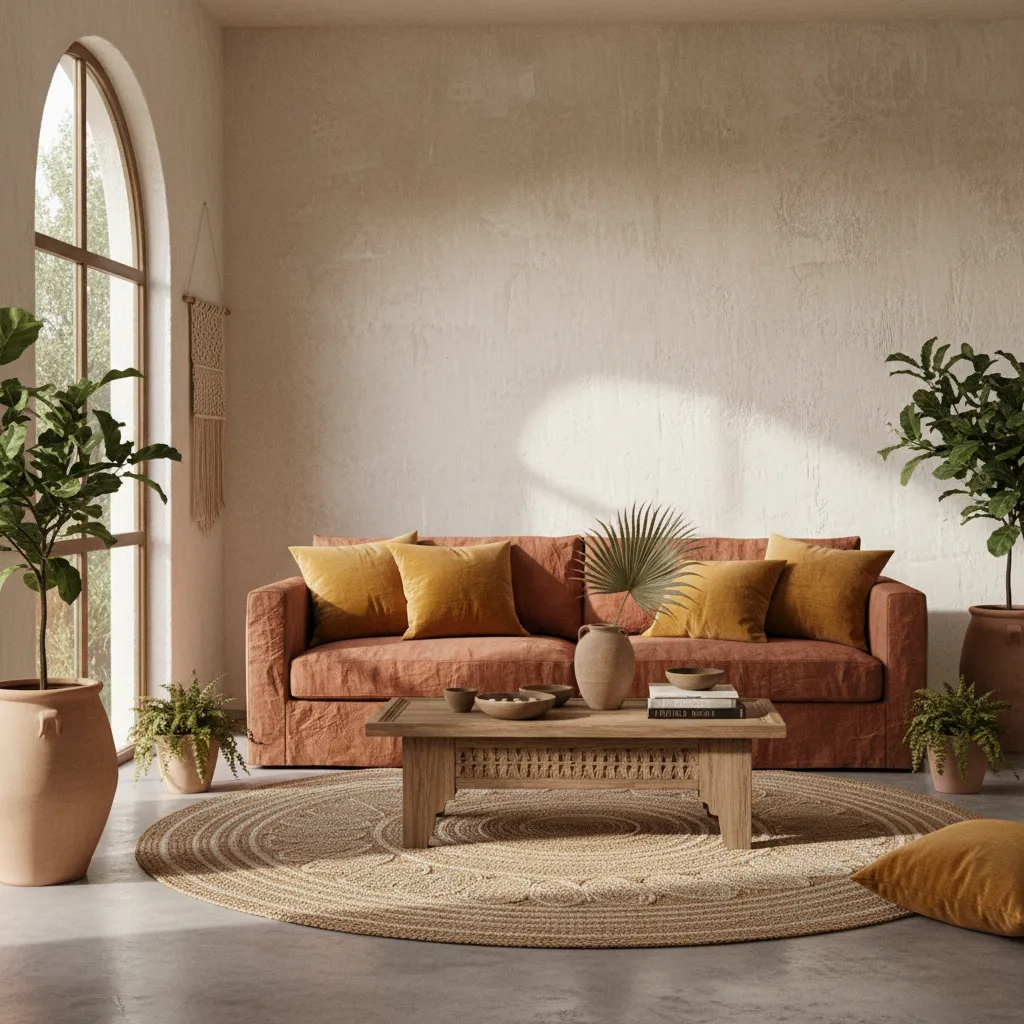
Table of Contents
- Layering Earthy Textiles in Terracotta and Ochre
- DIY Removable Lime-Wash Walls for Urban Dwellers
- Best Mediterranean Indoor Plants for Low-Light Cities
- Stylizing with Wrought Iron and Reclaimed Wood Decor
- Mediterranean Arches and Mosaics Using Peel-and-Stick Accents
- Your Sun-Drenched Sanctuary Awaits
- Mediterranean Design Dilemmas Solved
Mediterranean design captures the essence of coastal living, blending sun-drenched warmth with effortless sophistication.
Whether you live in a seaside villa or a modern city apartment, bringing this aesthetic home is about more than just a color palette.
It involves creating a tactile experience through natural materials, soft textures, and a seamless connection between the indoors and the outside world.
You do not need a massive renovation budget to achieve this timeless look. Simple changes like swapping heavy curtains for airy linen or adding hand-painted ceramic details can instantly elevate your space.
Focus on earthy tones and rustic finishes that prioritize comfort; these elements ground a room while making it feel expensive and curated.
Achieving a chic Mediterranean interior is a balance of functional choices and creative expression.
By layering light-reflecting whites with deep ocean blues, you create a sanctuary that feels both organized and inviting.
Use these practical styling tips to transform your home into a beautiful retreat that works for your daily life.
Layering Earthy Textiles in Terracotta and Ochre
Mediterranean design thrives on the warmth of the earth. These shades reflect sun-baked landscapes and historic clay architecture.
This palette creates an inviting atmosphere. It bridges the gap between the rugged outdoors and a cozy, curated indoor sanctuary.
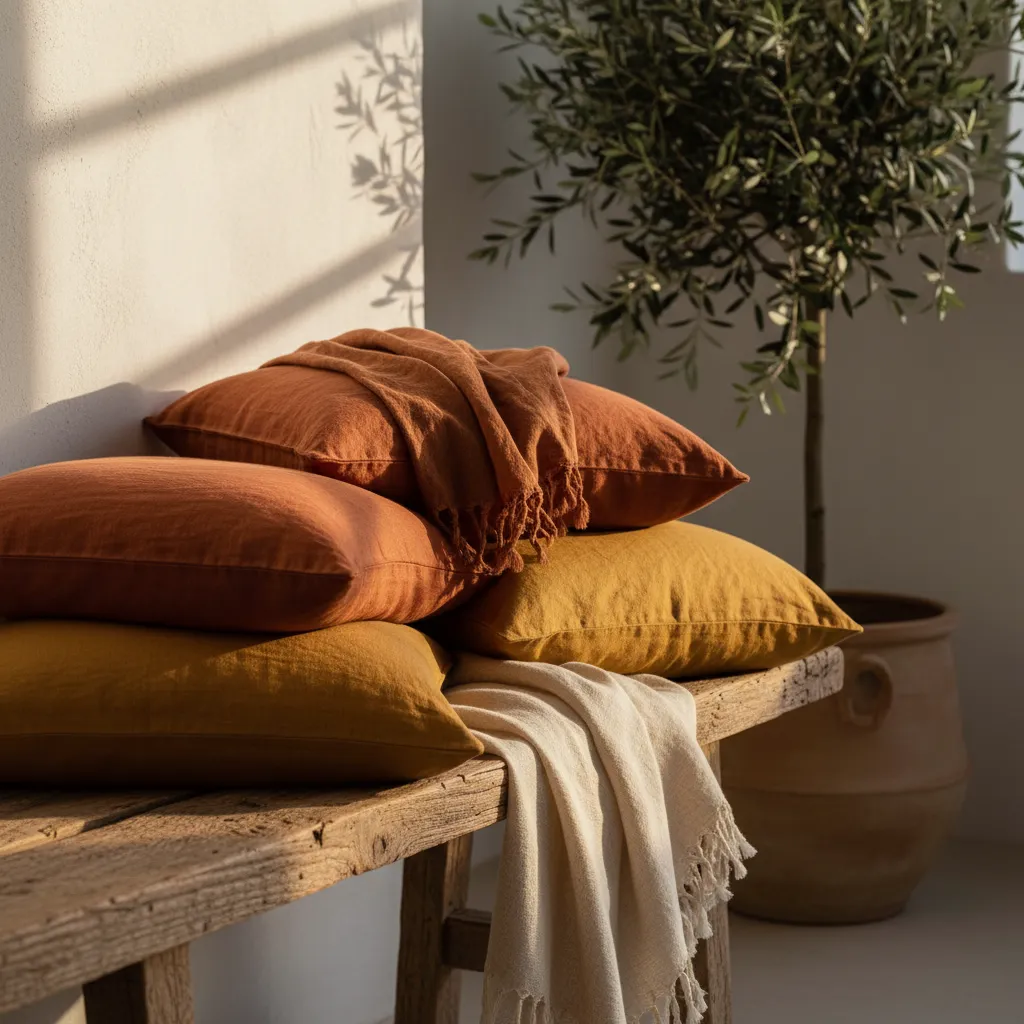
The Magic of Sun-Baked Palettes
Terracotta provides a grounded, clay-like base. Ochre adds a golden luminosity that mimics the glow of the late afternoon sun.
Together, they create a balanced energy. The room feels vibrant yet remains deeply restful and inviting for your guests.
Earthy tones like terracotta are more than colors; they are memories of the sun captured in every fiber of the fabric.
Using these tones helps establish a clear focal point. They draw the eye toward seating areas, making large rooms feel much more intimate.
Terracotta is a neutral in my book. It brings an earthy soulfulness to any space it touches.
Justina Blakeney, Founder of Jungalow
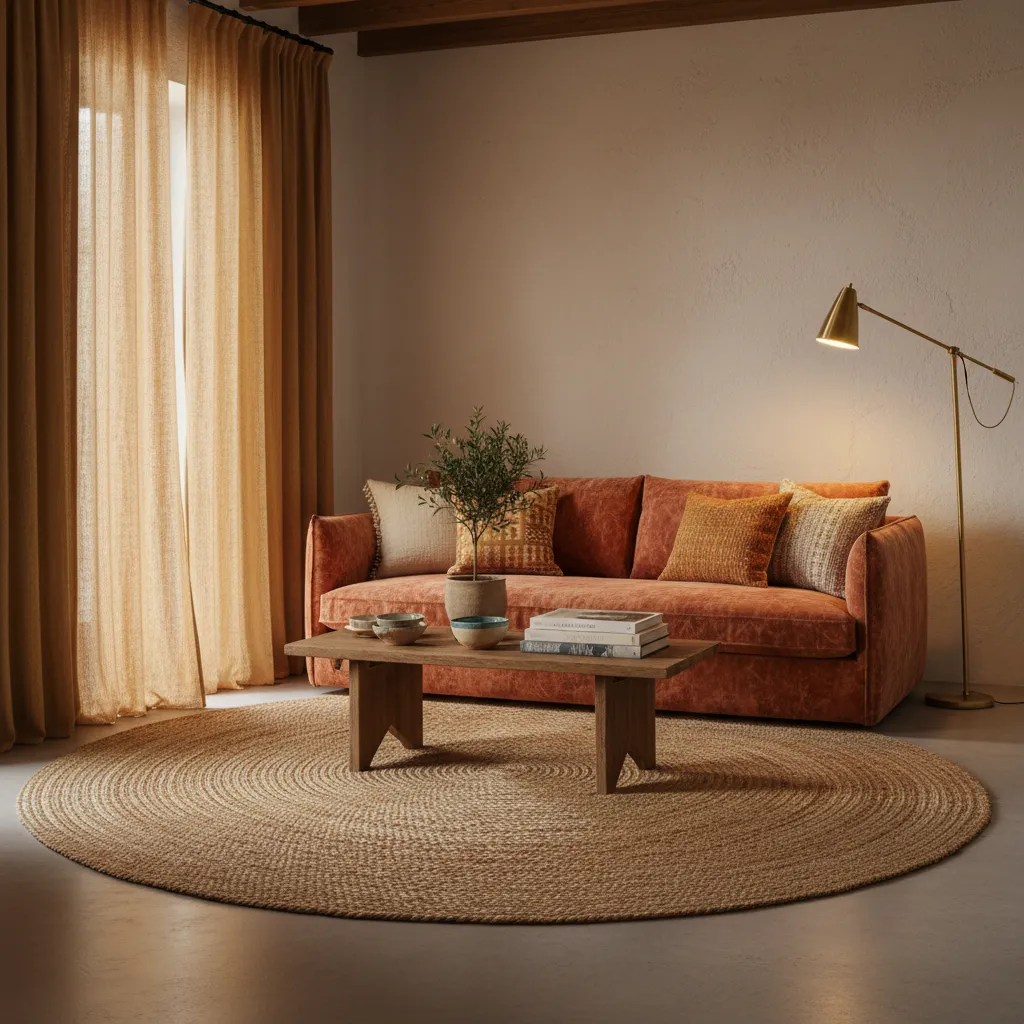
Mixing Textures for Visual Depth
Start with a base of heavy linen. Its raw, slubby texture adds immediate character and organic charm to any sofa or armchair.
Layer in wool throws and cotton cushions. These varying weights prevent a warm palette from looking flat or visually repetitive.
Adding a touch of velvet in deep ochre can elevate the space. This mix successfully balances rustic charm with modern luxury.
| Material | Tactile Feel | Best Application |
|---|---|---|
| Linen | Breathable and crisp | Drapery and sofa slips |
| Jute | Rough and organic | Area rugs and floor baskets |
| Velvet | Soft and luminous | Accent pillows and ottomans |
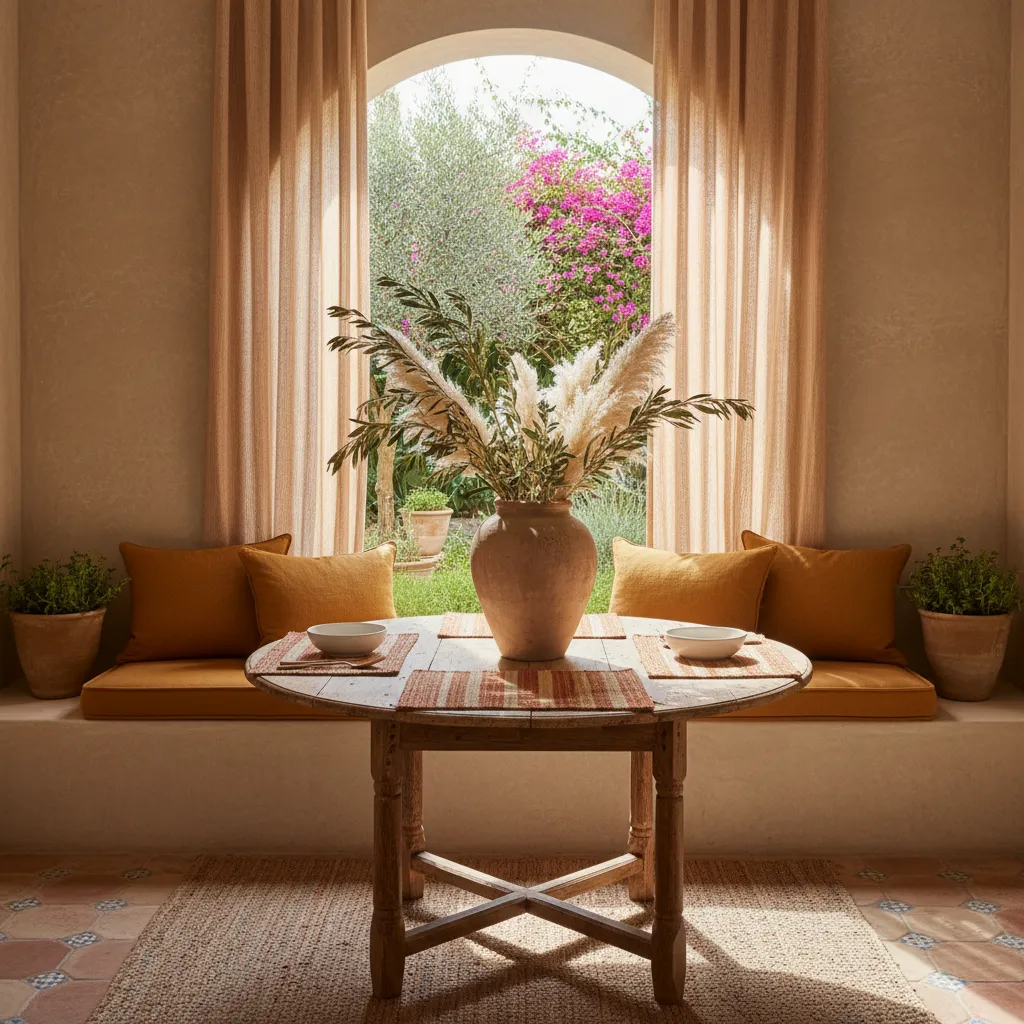
Functional Warmth and Spatial Flow
Earthy textiles offer more than beauty. They significantly improve the acoustic quality of large, tiled Mediterranean rooms.
Heavy drapes help regulate temperature during summer. They keep the space cool while maintaining a soft, warm ambient glow.
To create a cohesive feel, extend these tones through the room. This creates a seamless spatial flow throughout your entire living environment.
For more inspiration on nature-inspired shades, explore these 20 earth-tone paint colors for a serene retreat.
This approach works well even in limited spaces. You can adapt these principles for very small balcony apartment ideas to add warmth.
Artisan Styling Secrets
- Contrast matte terracotta linen with luminous ochre velvet to prevent your warm palette from looking flat and one-dimensional.
- Position ochre-toned accents near natural light sources to amplify the golden hour glow within your living space.
- Ground your earthy textiles with a jute or sisal rug to provide a raw, organic foundation that highlights the richness of clay-inspired hues.
DIY Removable Lime-Wash Walls for Urban Dwellers
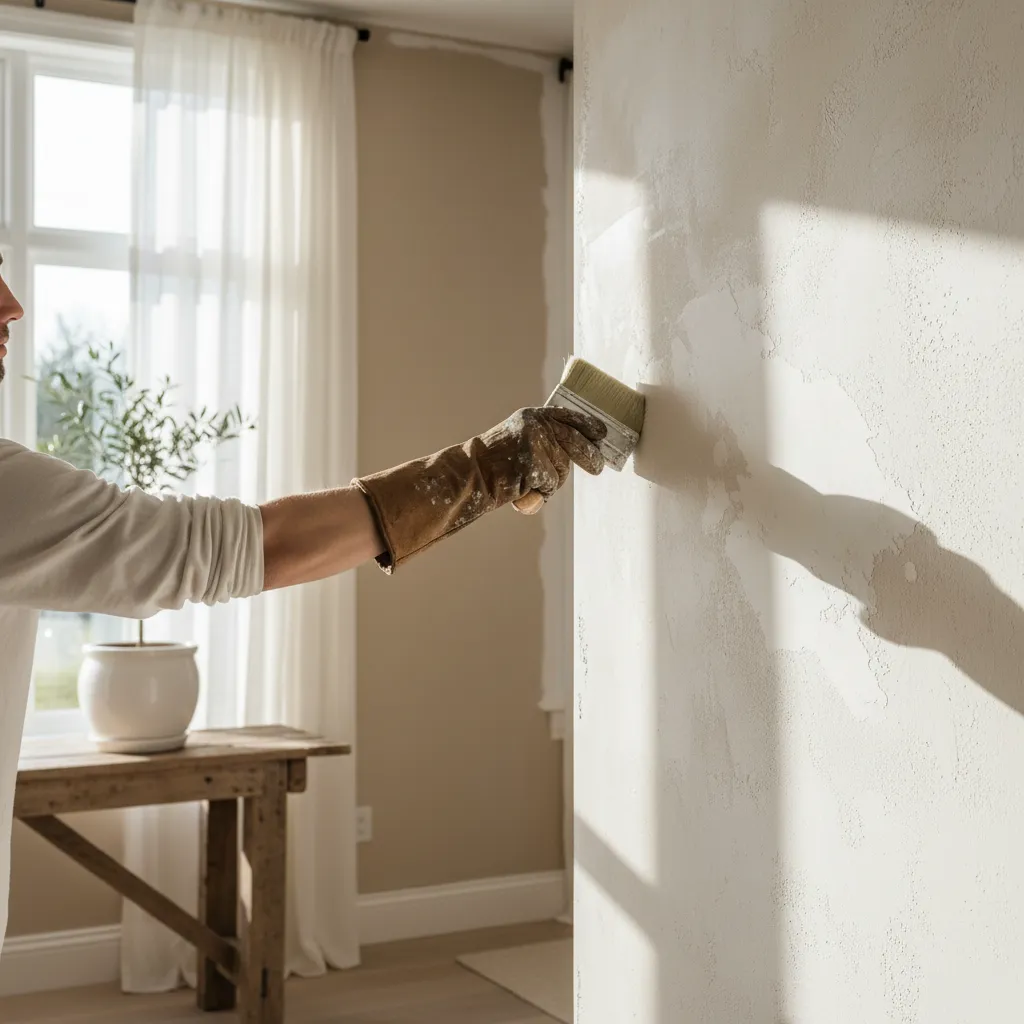
Mediterranean charm often begins with textured walls. Urban renters rarely have the luxury of permanent changes. Traditional lime-wash is caustic and permanent.
You can achieve the same look with removable chalk paint. This creates a suede-like texture that mimics raw stone. It adds depth to sterile white walls.
The matte finish softens the glare of overhead lights. It adds a layer of organic warmth to modern spaces. This technique is perfect for creating a curated mood.
These palettes pair beautifully with paint colors guaranteed to make your guests swoon. The result is a space that feels old-world yet fresh.
| Feature | Traditional Lime | Removable Alternative |
|---|---|---|
| Texture | Gritty and raw | Velvety and soft |
| Removal | Sand and scrape | Soap and water |
| Application | Multiple coats | One to two coats |
Choosing the Right Mineral Finish
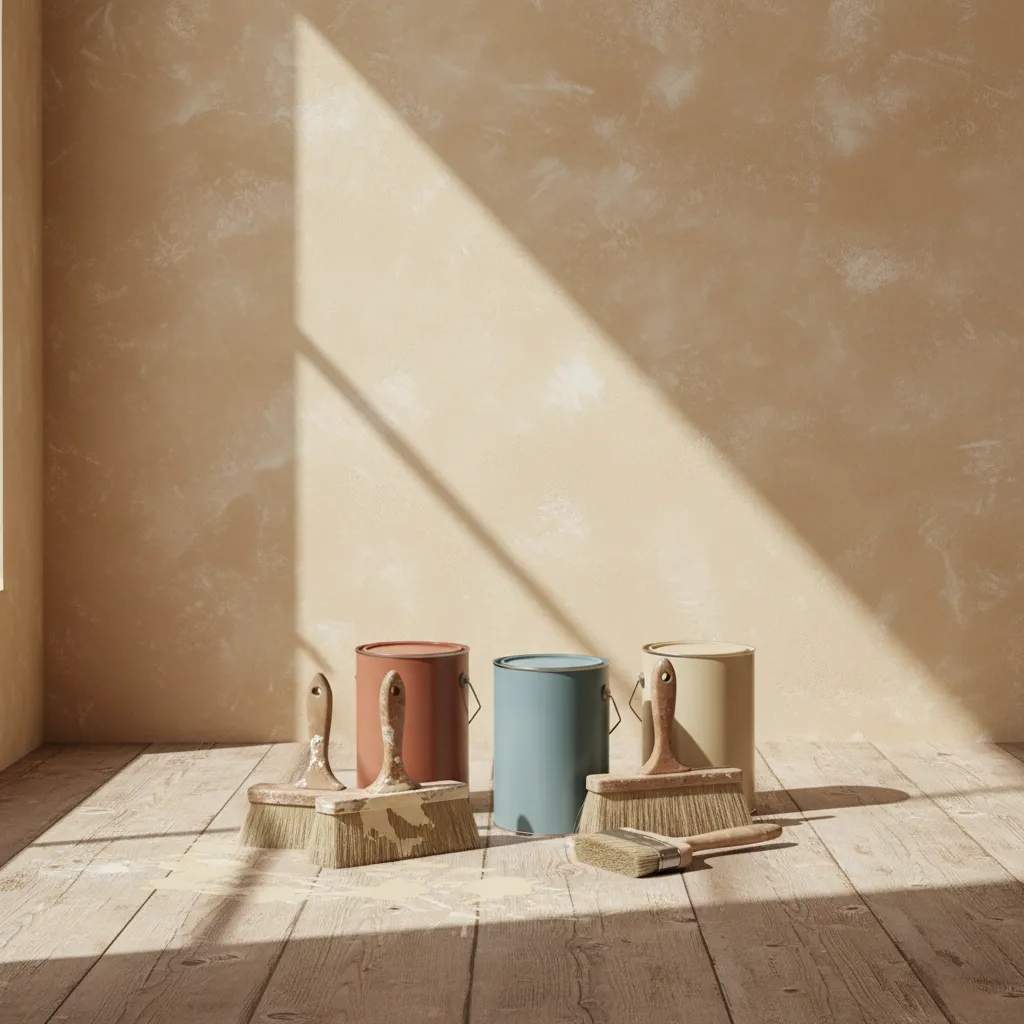
Look for clay-based or chalk-based paints. These provide the porous look of an Italian villa. They are breathable and eco-friendly for small homes.
Lime wash is more than just paint: it is a finish that lives and breathes with the light in the room.
Jamie Davis, Architectural Digest
Apply the paint in a random, “X” motion with a brush. This creates the signature cloudy effect of age. It hides imperfections in the drywall beneath it.
This approach works wonders for living and dining room combo ideas for small apartments. It defines the space without using heavy furniture.
Pair the walls with raw wood and linen. The contrast between the matte wall and brass accents is stunning. It improves the spatial flow of any room.
Texture is the secret language of a Mediterranean home.
The Renter’s Edge
- Use a wide, natural-bristle brush and paint in large, overlapping ‘X’ strokes to build authentic, mottled depth without needing professional masonry skills.
- Mimic natural mineral variations by using two slightly different shades of the same color; dab the lighter hue onto the wall while the base is still damp to create a ‘cloudy’ effect.
- Before painting the whole room, test your technique on a piece of foam board to find the right amount of pressure for that perfectly weathered, sun-bleached look.
Best Mediterranean Indoor Plants for Low-Light Cities
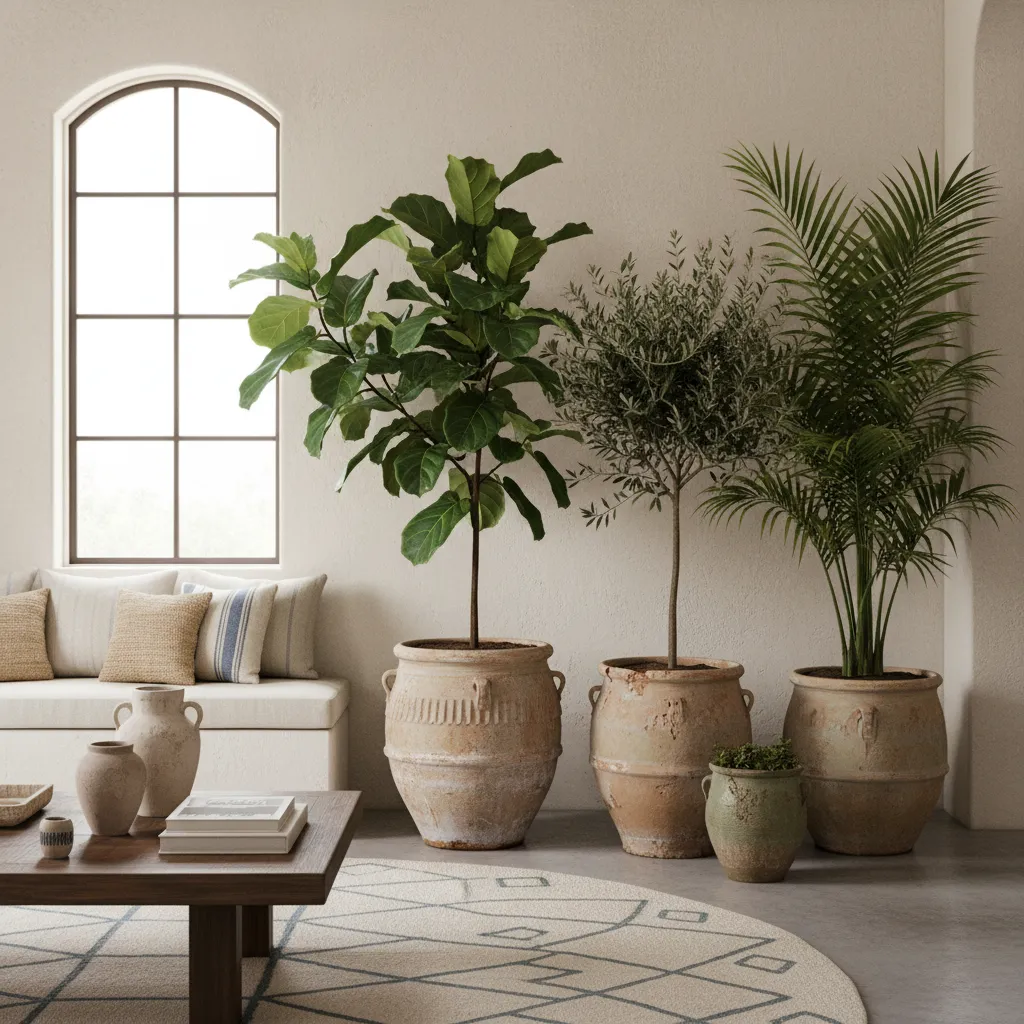
Mediterranean style usually thrives on abundant light. In grey cities, choosing hardy greenery maintains that airy, coastal soul without needing direct sun.
Combine organic textures like raw terracotta with plants that endure shadow. This creates a curated, living vignette that feels grounded and lush.
To maximize brightness, pair your greenery with the best paint colors for low-light rooms. This helps the space feel expansive and airy.
Sculptural Silhouettes for Dim Corners
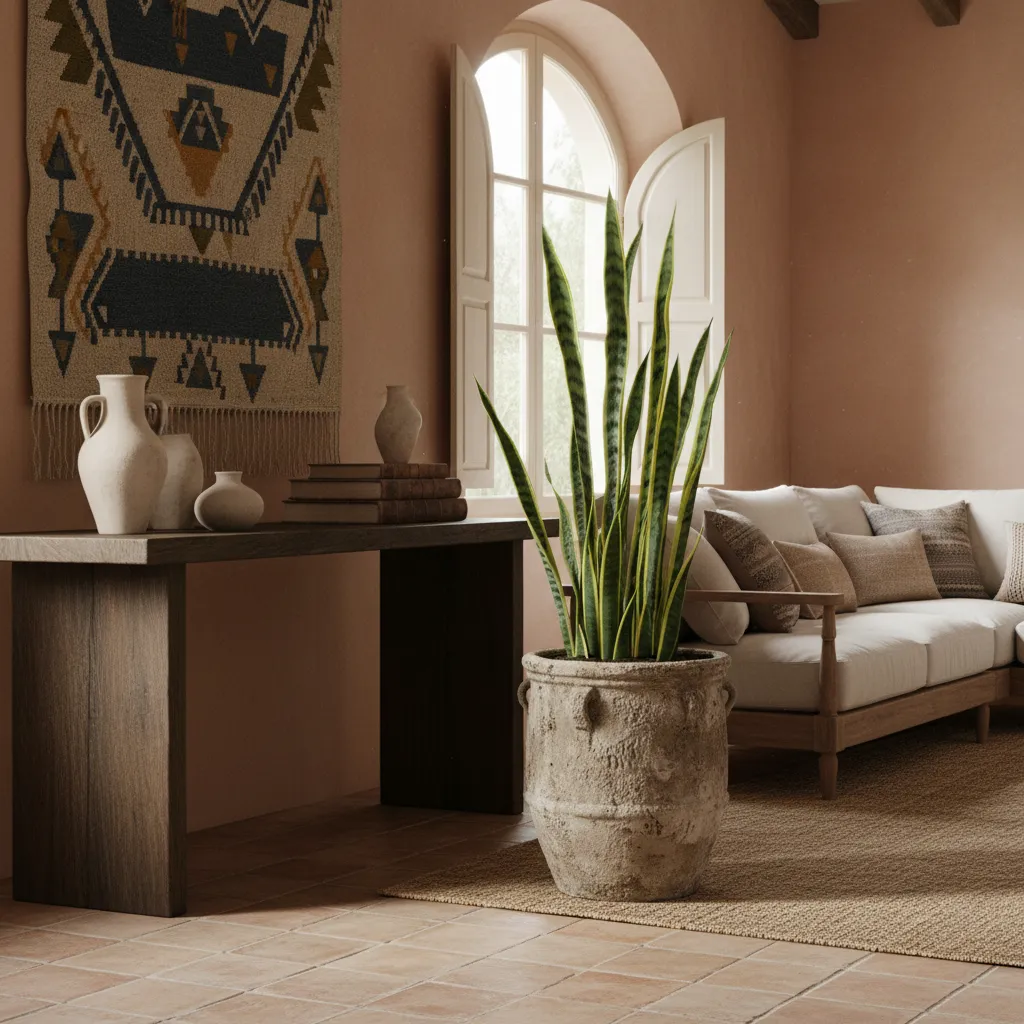
The Snake Plant offers a sharp, upright form. It mimics the structural look of Mediterranean agave but survives easily in low-light apartments or offices.
Its stiff, sword-like leaves add a modern touch to traditional settings. This plant improves air quality while requiring very little maintenance from the owner.
Low light doesn’t mean no light, but it does mean choosing the right plant for the right spot.
Hilton Carter, Architectural Digest
For a deeper green, the ZZ plant is a perfect choice. Its waxy leaves reflect ambient light, adding a subtle glow to shadowy hallways or small corners.
Greenery is the heartbeat of a Mediterranean home, bridging the gap between wild nature and refined interior comfort.
Durable Greenery for Coastal Vibes
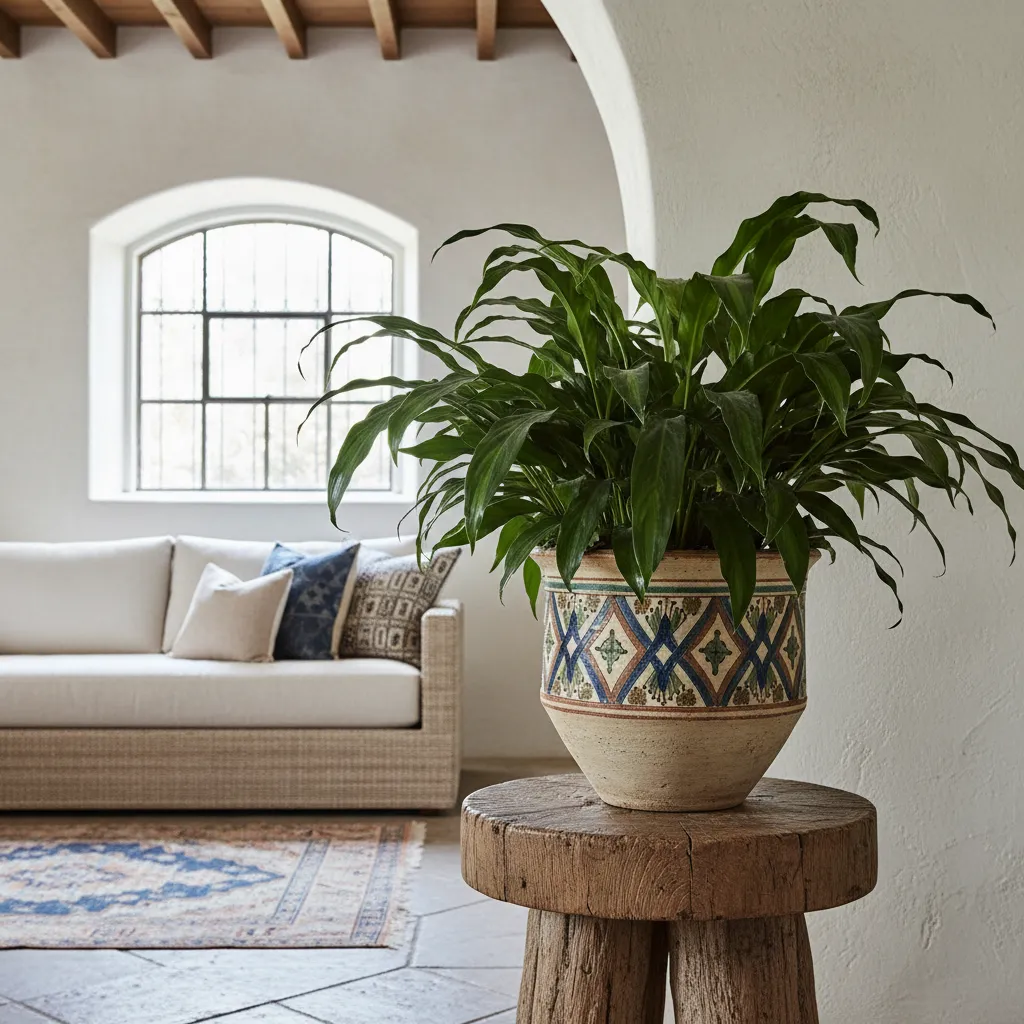
The Cast Iron Plant is legendary for its durability. Its broad, dark leaves provide a rich forest texture that complements raw wood and linen fabrics perfectly.
Incorporate these plants into your best fall plant pot ideas to keep your decor feeling fresh through every season.
If you crave the look of an olive tree without the sunlight, consider a high-quality faux version. This provides the iconic silvery foliage without the shedding.
| Plant Species | Visual Texture | Light Requirement |
|---|---|---|
| Snake Plant | Architectural, Sharp | Low to Medium |
| ZZ Plant | Waxy, Glossy | Very Low |
| Cast Iron Plant | Broad, Organic | Low to Deep Shade |
| Pothos | Trailing, Soft | Medium to Low |
Proper spatial flow is key when placing large pots. Ensure they frame doorways or windows to guide the eye toward natural focal points in the room.
Use ambient lighting to highlight leaf textures at night. A soft warm glow from a floor lamp makes the greenery feel cozy rather than dark or imposing.
Coastal Soul Secrets
- Position mirrors opposite your greenery to double the available natural light and enhance the Mediterranean glow.
- Choose unglazed terracotta pots to help soil breathe, preventing moisture buildup in cooler, low-light environments.
- Wipe waxy leaves with a damp cloth every two weeks to ensure they can absorb every bit of ambient light.
Stylizing with Wrought Iron and Reclaimed Wood Decor
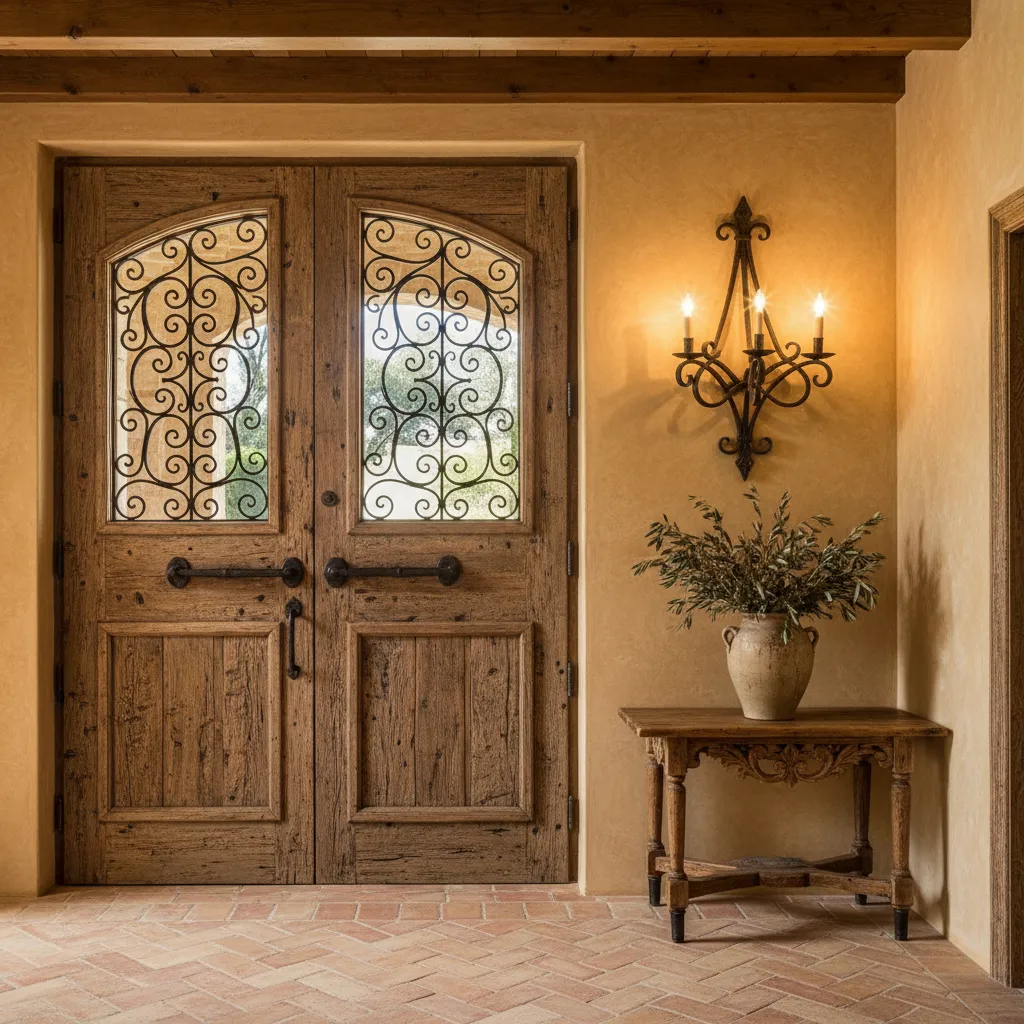
Mediterranean design thrives on the contrast between cool metals and warm timbers. This pairing creates a grounded, historic feel in any modern home. It balances strength with organic softness.
Wrought iron offers a delicate yet strong silhouette. It serves as a visual anchor, drawing the eye toward architectural details like curved archways or high ceilings in spacious rooms.
The Elegance of Wrought Iron Accents
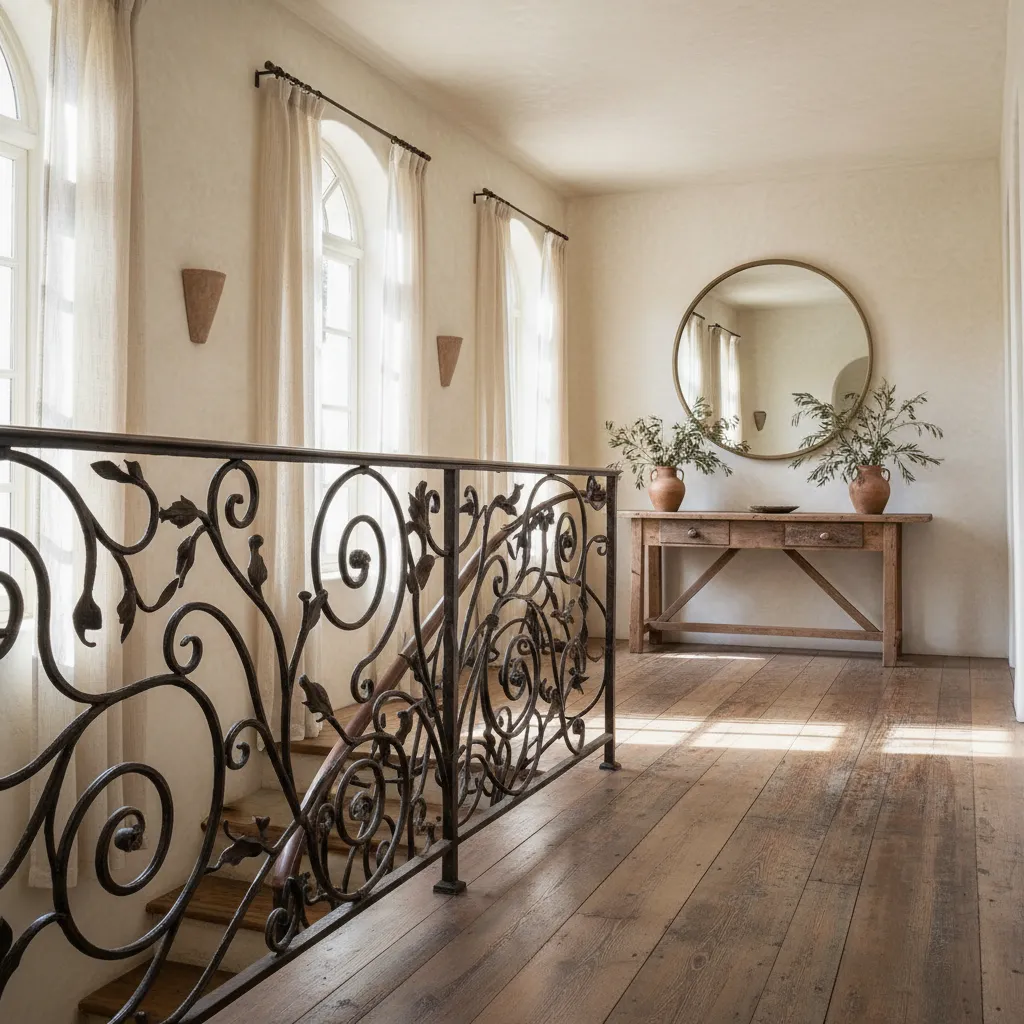
Ornate scrollwork on banisters or window grilles adds a layer of curated mystery. These pieces catch the light, casting soft, intricate shadows across textured, lime-washed walls during the day.
The best rooms are the ones that have a sense of history and soul. Wrought iron and aged wood provide that instant narrative.
Nate Berkus, Architectural Digest
Incorporating these materials helps bridge the gap between indoor and outdoor spaces. This technique is essential for achieving the timeless look found in 20 Vintage Living Room Decor Ideas.
Reclaimed Wood for Warmth and Character
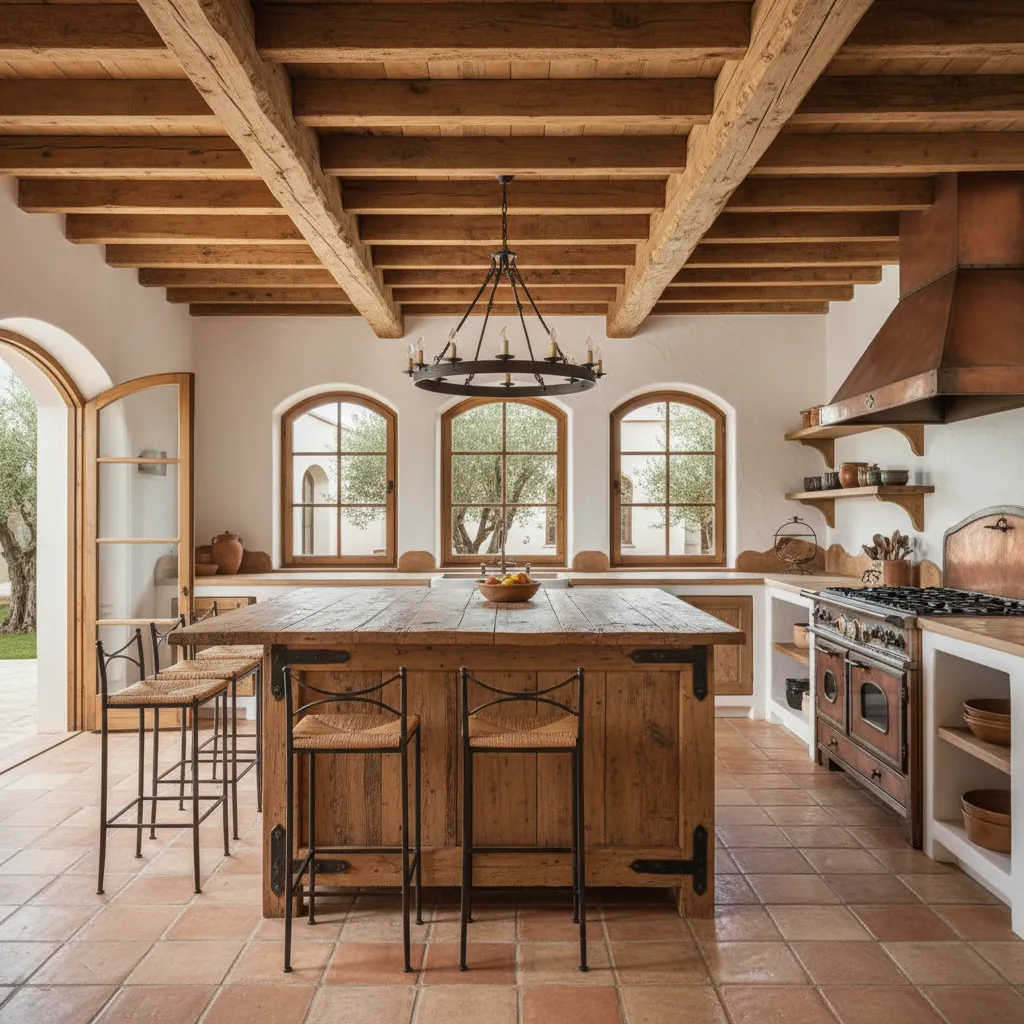
Reclaimed wood brings an organic, tactile depth to the space. Using raw oak for exposed ceiling beams or heavy dining tables grounds the airy palette typically found in coastal homes.
Reclaimed wood is the soul of a Mediterranean home, whispering stories of the past through every knot and grain.
Wood creates a sense of hygge and comfort. This is particularly effective when designing a rustic kitchen, as seen in these 15 DIY Rustic Farmhouse Kitchen Backsplash Ideas for more inspiration.
Research suggests that using natural wood in interiors can lower stress levels.
According to a report by Scientific Reports, wood surfaces contribute to a 10 percent increase in overall occupant well-being.
| Material | Application | Atmospheric Effect |
|---|---|---|
| Wrought Iron | Lighting, Hardware, Railings | Structural, sophisticated, and historic. |
| Reclaimed Wood | Beams, Flooring, Large Tables | Warm, earthy, and inviting. |
| The Pairing | Furniture, Shelving units | Balanced, timeless, and grounded. |
Functionality remains key when selecting these materials. Wrought iron is incredibly durable for high-traffic areas, while reclaimed wood hides wear and tear beautifully over many years of use.
Artisan Styling Secrets
- Swap standard cabinet hardware for hand-forged wrought iron pulls to instantly ground a light, airy space with historic character.
- Layer reclaimed wood shelves against lime-washed walls to create a tactile, organic backdrop for your favorite Mediterranean ceramics.
- Soften the heavy visual weight of iron and timber by introducing light linen textiles or plush rugs to ensure the room feels cozy rather than industrial.
Mediterranean Arches and Mosaics Using Peel-and-Stick Accents
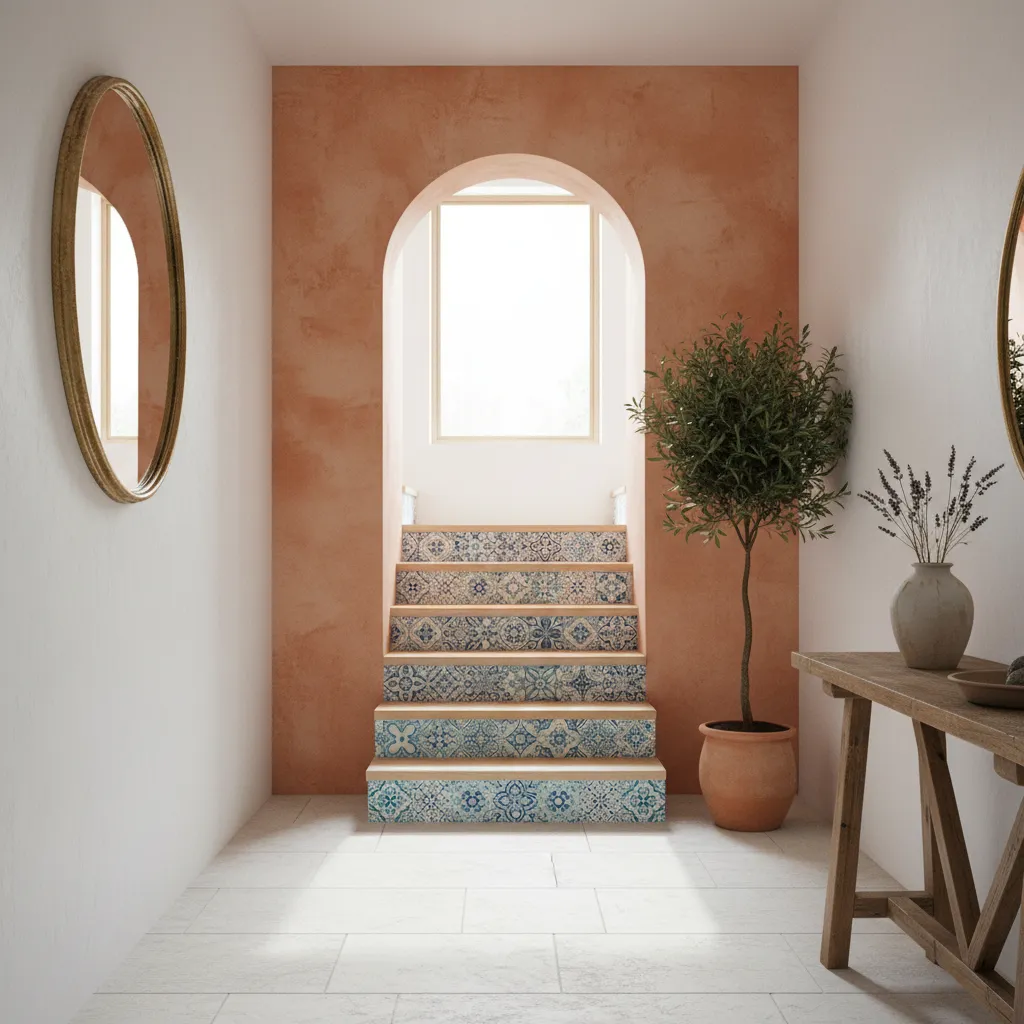
Arches define Mediterranean architecture, yet structural changes are costly. You can mimic this flow using curved peel-and-stick decals.
These decals soften rigid corners, creating an airy and minimal transition between rooms. This improves the spatial flow of small homes.
Mosaics are the jewelry of a Mediterranean home, adding color and soul to every corner.
Matte vinyl decals provide an organic, plaster-like texture. This mimics the raw beauty of ancient coastal villas without the mess.
Peel-and-stick tiles are a great way to update a space without having to commit to a long-term renovation.
Bobby Berk, How to Update Your Kitchen Backsplash
Pair these accents with warm ambient lighting to highlight patterns. This creates a curated, historical feel on a strict budget.
Strategic Placement for Visual Depth
Peel-and-stick mosaics add tactile depth to stair risers. This creates a rhythmic pattern as you move between different floor levels.
In the kitchen, these stickers serve as a striking focal point. They protect walls while adding a splash of cobalt or ochre hues.
For more budget-friendly tiling tips, look at these DIY kitchen backsplash ideas for extra inspiration.
Consider using these accents to frame a doorway or window. It draws the eye upward, making your ceilings feel much taller and grander.
If you want to redefine your room boundaries further, explore half wall makeover ideas that add unique character.
Follow this simple checklist for a professional, bubble-free application that looks like authentic masonry or hand-painted tile:
- Surface Prep: Clean the wall with alcohol to ensure the adhesive bonds firmly to the surface.
- Leveling: Use a laser level to keep the arch perfectly straight, preventing a slanted or messy look.
- Smoothing: Work from the center outward with a squeegee to remove air pockets and create a flat finish.
- Heat Set: Briefly use a hair dryer on low heat to help the vinyl mold to slightly textured walls.
This DIY approach allows you to experiment with bold patterns. You can easily update the look as your personal style evolves over time.
Coastal Design Secret
- Create instant depth by tracing the printed ‘grout’ lines of your decals with a matte grey paint pen to mimic the look of real mortar.
- For a curated feel, mix two complementary mosaic patterns on stair risers to emulate the eclectic charm of traditional Greek villas.
- To ensure a seamless arch, overlap decal edges by 1/8 inch to prevent gaps if the vinyl shrinks slightly due to temperature changes.
Your Sun-Drenched Sanctuary Awaits
Mediterranean decor is a lifestyle of warmth and relaxation. By layering earthy tones and organic textures, you invite the soul of the coast into your home for a timeless feel.
Whether you use lime wash or linen drapes, these choices create a serene haven. Start with simple textiles to see how natural light transforms your space into a cozy, soulful retreat.
Mediterranean Design Dilemmas Solved
Stick to sun-baked shades like terracotta, ochre, and sandy neutrals. These colors mimic the landscape, creating a warm, grounded, and inviting atmosphere in any room of the house.
Yes! Use light lime wash and breathable textiles like linen. These elements add depth and character without overwhelming the space, making small rooms feel much more airy and expansive.
Mix rustic materials like jute with sleek accents like velvet. Balancing raw, organic textures with clean-lined furniture creates a contemporary look that feels soulful and lived-in.
Definitely. Tiled floors can sound echoey. Layering heavy linen drapes and jute rugs absorbs sound, making your living area feel much quieter and more intimate for family gatherings.
