
Table of Contents
- Structural-First Minimalism: Calculating Weight Loads for Safe Zoning
- The Wind-Resistant Sanctuary: Aerodynamic Privacy Screens and Vertical Greenery
- The Automated Oasis: Integrating Smart Irrigation and App-Controlled Lighting
- Modern Groundwork: Floating Porcelain Pavers and Composite Decking
- High-Altitude Horticulture: Drought-Tolerant Plants for Exposed Microclimates
- Elevating Your Urban Sanctuary
- Rooftop Design Dilemmas Solved
Transforming a barren rooftop into a lush sanctuary is the ultimate design dream for city dwellers. It offers a rare opportunity to escape the concrete jungle without ever leaving your home.
Whether you possess a sprawling terrace or a modest balcony, the potential to create a breathtaking outdoor retreat sits right above your head.
Successful modern terrace design relies on balancing architectural structure with organic softness.
You need to choose weather-resistant furniture that invites lounging while selecting plants that can thrive in exposed conditions.
Layering textures through outdoor rugs, warm lighting, and vertical greenery adds depth to the space, making it feel like a seamless extension of your interior living area.
We have curated a collection of stunning ideas to spark your creativity and guide your renovation journey. From budget-friendly lighting hacks to sophisticated layout strategies, these tips are designed to be accessible for every skill level.
Get ready to turn your unused rooftop into a stunning oasis that perfectly reflects your personal style and maximizes your square footage.
Structural-First Minimalism: Calculating Weight Loads for Safe Zoning
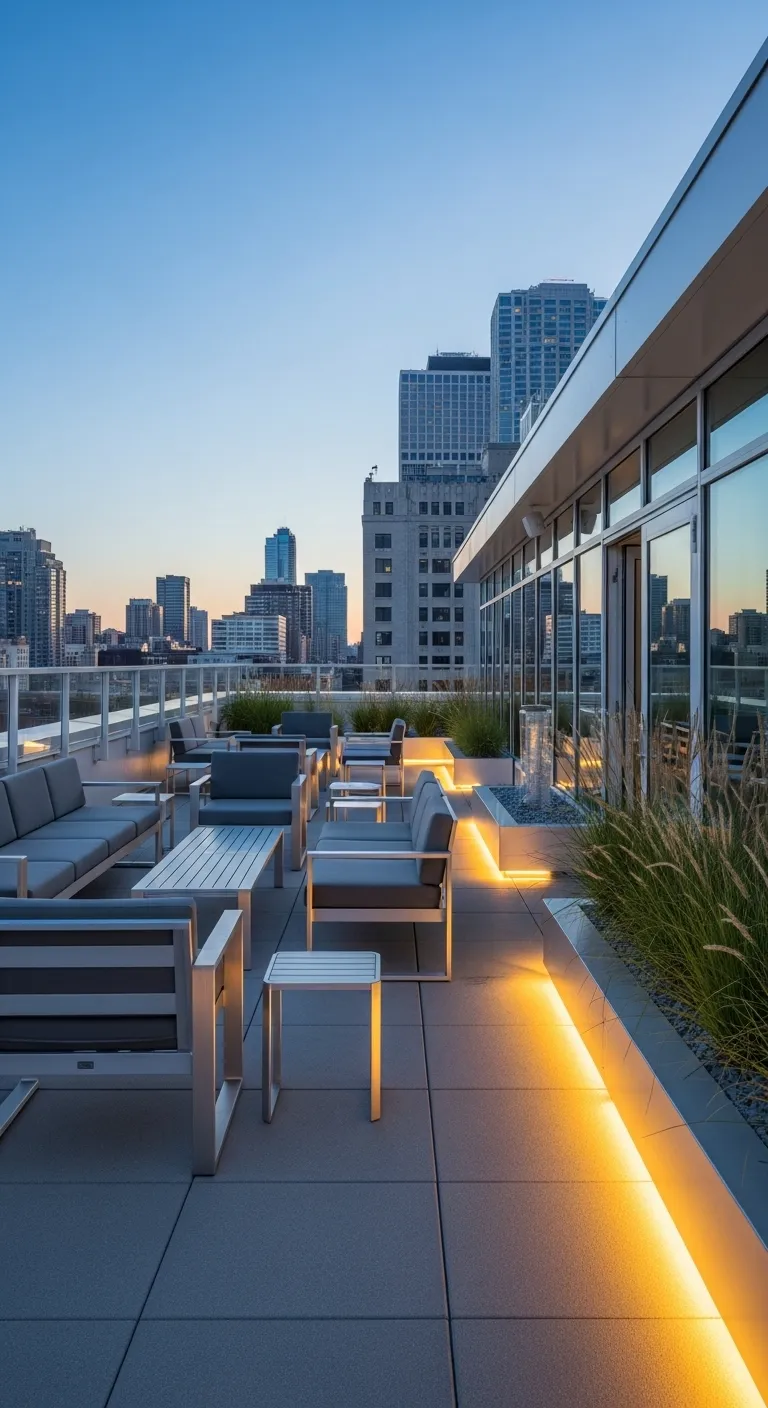
Creating a sanctuary in the sky requires more than just aesthetic vision. It demands a respect for the building beneath your feet.
Before buying a heavy concrete planter, consider your roof’s limits. Structural safety is the foundation of modern minimalist design.
Consult a structural engineer to determine your “live load” capacity. This number dictates how many people and pots your roof can hold.
Ignore the temptation to clutter every corner. Minimalism helps you stay within safe weight limits while keeping the visual flow airy.
Soil is heavy, and wet soil is even heavier. A cubic foot of wet soil can weigh as much as 100 pounds, so lightweight containers are essential.
Marie Iannotti, The Spruce
Structural Savvy
- Place your heaviest planters along the perimeter or over load-bearing walls where structural support is strongest, rather than in the center of the roof span.
- Swap dense garden topsoil for a lightweight, soil-less potting mix with perlite to drastically reduce weight, especially when wet.
- Fill the bottom third of deep containers with empty plastic bottles or foam blocks to cut down on heavy soil volume without affecting plant health.
Choosing Lightweight Materials
Achieving a luxe look does not require heavy stone. Modern technology offers finishes that mimic natural textures without the density.
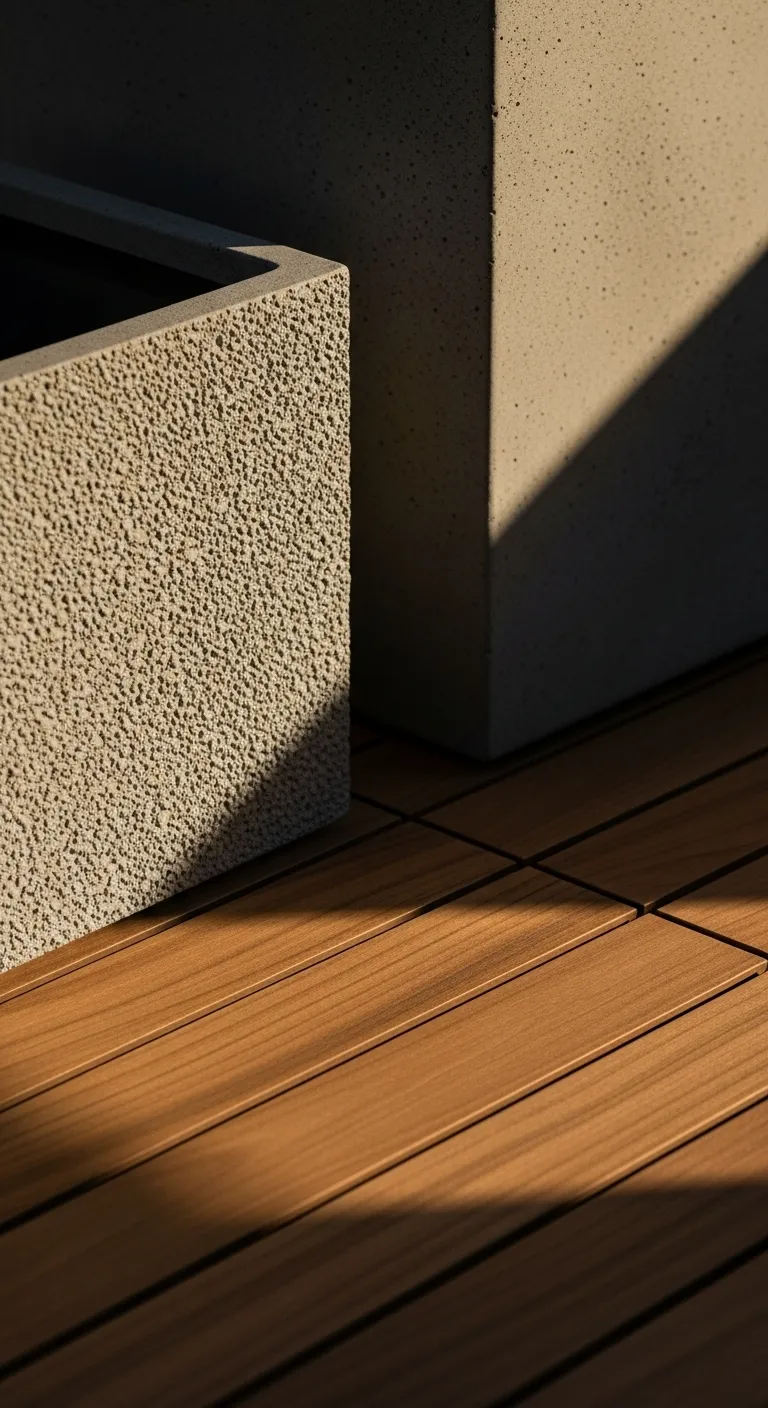
Opt for fiberglass or resin containers instead of terracotta. These materials provide the matte finish of stone but are easy to move.
Use expanded shale or foam peanuts at the bottom of pots. This improves drainage and drastically reduces the total weight of the soil.
For flooring, consider modular wood tiles or composite decking. These float above the roof membrane, protecting it while adding warmth.
If you are looking for inspiration on maximizing limited footprints, explore these simple balcony apartment ideas for clever layouts.
| Material Type | Approx. Weight (Empty) | Durability | Aesthetic Vibe |
|---|---|---|---|
| Concrete Planter (Large) | 150+ lbs | High | Industrial, Raw |
| Fiberglass Planter (Large) | 15-20 lbs | High | Sleek, Modern |
| Natural Stone Pavers | 25 lbs/sq ft | Very High | Classic, Heavy |
| Composite Deck Tiles | 3-5 lbs/sq ft | High | Warm, Linear |
Gravity-Defying Tactics
- Anchor Your Assets: While fiberglass and resin pots save structural weight, they are vulnerable to high rooftop winds. Place a single heavy brick or a layer of gravel at the very bottom of the planter to keep it stable during gusts.
- The Recycling Hack: If you don’t have expanded shale, fill the bottom third of deep planters with crushed empty plastic bottles (caps on). They create necessary volume for drainage and root health without adding a single pound of load.
Strategic Zoning and Flow
Where you place items matters as much as what you choose. Strategic zoning protects the structure and defines the atmosphere.
Place the heaviest items near the perimeter. The load-bearing walls are usually located at the edges of the building, offering support.
Keep the center of the terrace open. This creates a “vignette” of space that feels expansive and reduces stress on the central joists.
Use tall, lightweight grasses to create privacy screens. This mimics the function of yard dividers and fences without the wind resistance issues.
True luxury in rooftop design is the seamless balance between structural safety and effortless style.
Incorporate aluminum furniture frames with weather-resistant cushions. The metal reflects the sky, enhancing the feeling of openness.
Focus on low-profile furniture. Keeping sightlines clear maintains a connection with the view, which is the rooftop’s best asset.
Add ambient lighting with solar LED spikes in planters. This avoids heavy electrical conduit runs and adds a soft, magical glow at night.
Elevation Secrets
- Anchor heavy planters and seating along the perimeter load-bearing walls to ensure structural safety while maximizing central floor space.
- Opt for low-profile furniture to maintain unobstructed sightlines, ensuring the skyline remains the focal point of your terrace.
- Use tall, lightweight grasses as natural privacy screens; they filter wind effectively without acting as heavy sails during gusts.
The Wind-Resistant Sanctuary: Aerodynamic Privacy Screens and Vertical Greenery
High winds are the biggest challenge for any elevated outdoor space. Without proper buffering, a rooftop can feel chaotic rather than calming.
Creating a wind-resistant sanctuary requires smart design choices. You need barriers that diffuse air rather than block it completely.
Aerodynamic screens allow a gentle breeze to pass through. This prevents the turbulence caused by solid walls, keeping your seating area serene.
A true sanctuary creates a pause in the wind, allowing nature and comfort to coexist in silence.
The Wind-Taming Toolkit
- Opt for perforated materials like lattice, horizontal slats, or laser-cut metal. These semi-permeable barriers break up wind force effectively, whereas solid walls often create turbulent eddies on the other side.
- Select flexible, aerodynamic plants such as bamboo or ornamental grasses for your vertical greenery. These species sway with the gusts rather than snapping, creating a soothing soundscape instead of a chaotic one.
- Ensure all vertical structures are bolted to the subframe and prioritize heavy, low-center-of-gravity planters to prevent tipping during high-altitude squalls.
Strategic Zoning with Permeable Barriers
The key to comfort is filtering the wind, not fighting it. Solid walls often create a vacuum effect that creates swirls of dust and debris.
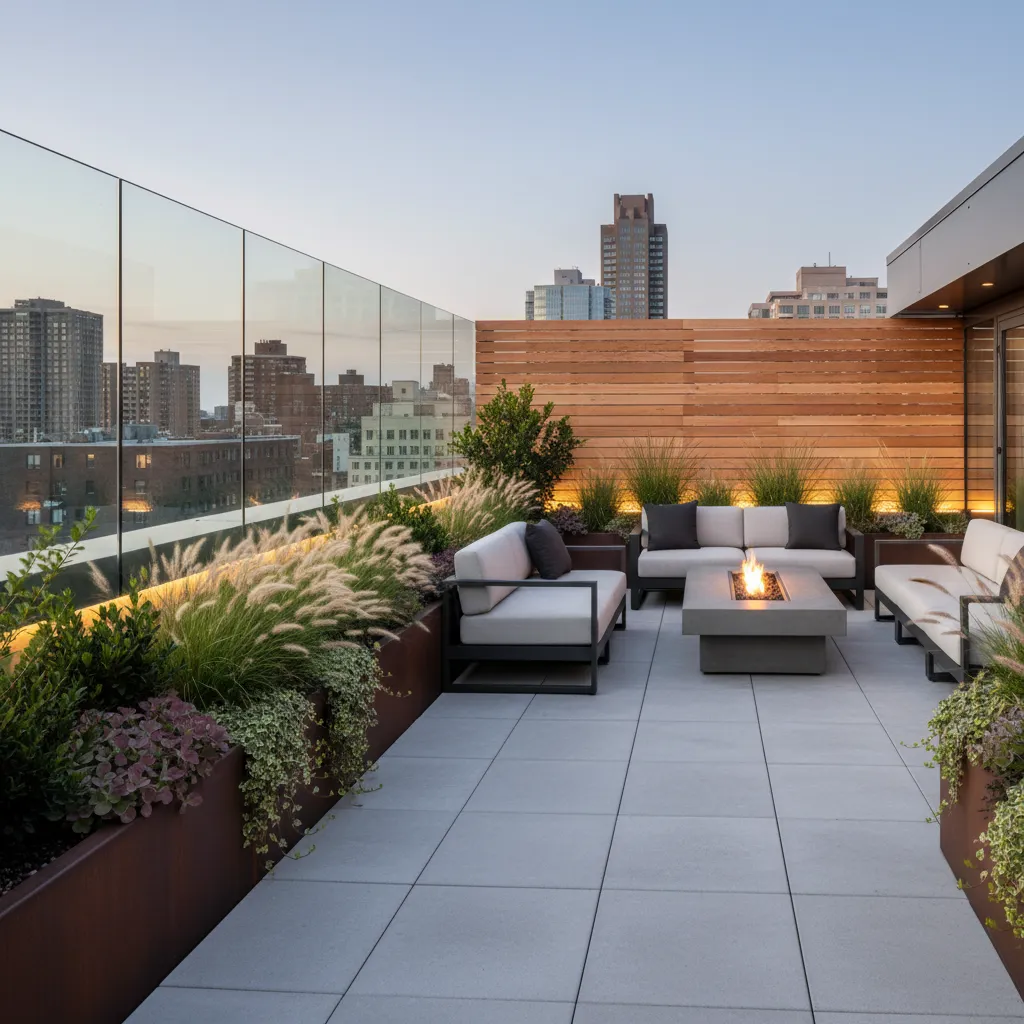
Slatted wood screens are a sophisticated solution. They break the wind’s force while maintaining a visual connection to the skyline.
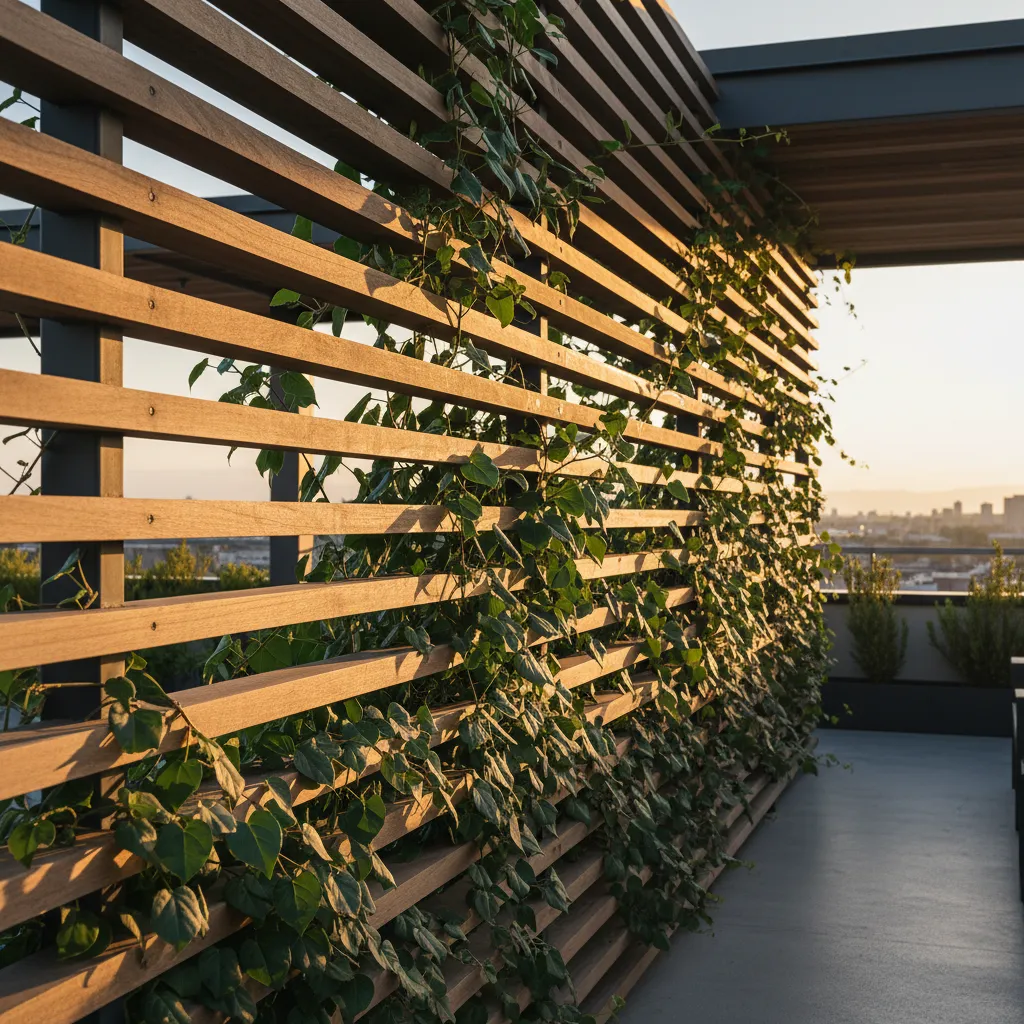
For those who refuse to sacrifice the view, tempered glass is essential. It provides an invisible shield against strong gusts.
Incorporating beautiful yard divider and fence ideas tailored for high altitudes ensures safety without losing style.
On a roof terrace, wind filtering is better than wind blocking. A solid wall creates turbulence on the leeward side, whereas a semi-permeable screen filters the wind.
Adolfo Harrison, Homes & Gardens
Wind-Wise Design
- Avoid the turbulence trap: Skip solid masonry walls that cause swirling dust vacuums on the leeward side. Instead, choose horizontal wood slats or trellis structures that let air pass through gently.
- Clear protection: If you are dealing with high-altitude gusts but have a million-dollar view, install frameless tempered glass panels. They act as an invisible shield without creating the visual bulk of a fence.
Vertical Greenery as Living Insulation
Plants are the most natural windbreak available. Dense foliage absorbs sound and softens the harsh architectural lines of a city roof.
Vertical gardens serve a dual purpose here. They maximize floor space while creating a lush, organic wall that dampens noise.
This approach is perfect for compact areas. You can adapt top modern simple very small balcony apartment ideas to scale up for larger terraces.
Choose hardy plants like bamboo or ornamental grasses. These varieties flex with the wind rather than snapping under pressure.
Top Wind-Resistant Design Elements
Integrating the right materials ensures longevity. This checklist focuses on durability and aerodynamic flow.
- Tempered Glass Balustrades: Maintains panoramic views while blocking direct gale-force winds.
- Horizontal Cedar Slats: distinct aesthetic that allows air to pass through, reducing structural stress.
- Corten Steel Planters: Heavy enough to stay anchored during storms and adds a modern industrial texture.
- Clumping Bamboo: Provides a dense, renewable green screen that hisses soothingly in the breeze.
- Weighted Furniture: Prevents items from toppling; choose cast iron or heavy teak bases.
Lighting also plays a role in the atmosphere. Low-level LED strip lighting along the base of these screens creates a warm, grounded glow.
This lighting technique highlights the texture of the wood or stone. It draws the eye inward, enhancing the feeling of a cozy nest.
The Living Buffer Edit
- Wind significantly accelerates evaporation, so install a hidden drip-irrigation line to keep your vertical garden hydrated without the daily maintenance.
- Maximize noise reduction by mixing broad-leafed species with fine grasses; the varied textures trap sound waves more effectively than a uniform wall.
- Prevent tall planters from tipping during storms by lining the bottom with heavy river rocks or bricks to lower the center of gravity.
The Automated Oasis: Integrating Smart Irrigation and App-Controlled Lighting

A modern terrace requires a delicate balance of nature and engineering. Integrating smart systems allows you to enjoy the view rather than laboring over it. It makes maintenance effortless.
The textures of raw wood decking and velvet cushions remain pristine when not dragged by hoses. Smart tech hides the work, leaving only the ambient glow and lush greenery to enjoy.
Precision Watering for Lush Foliage
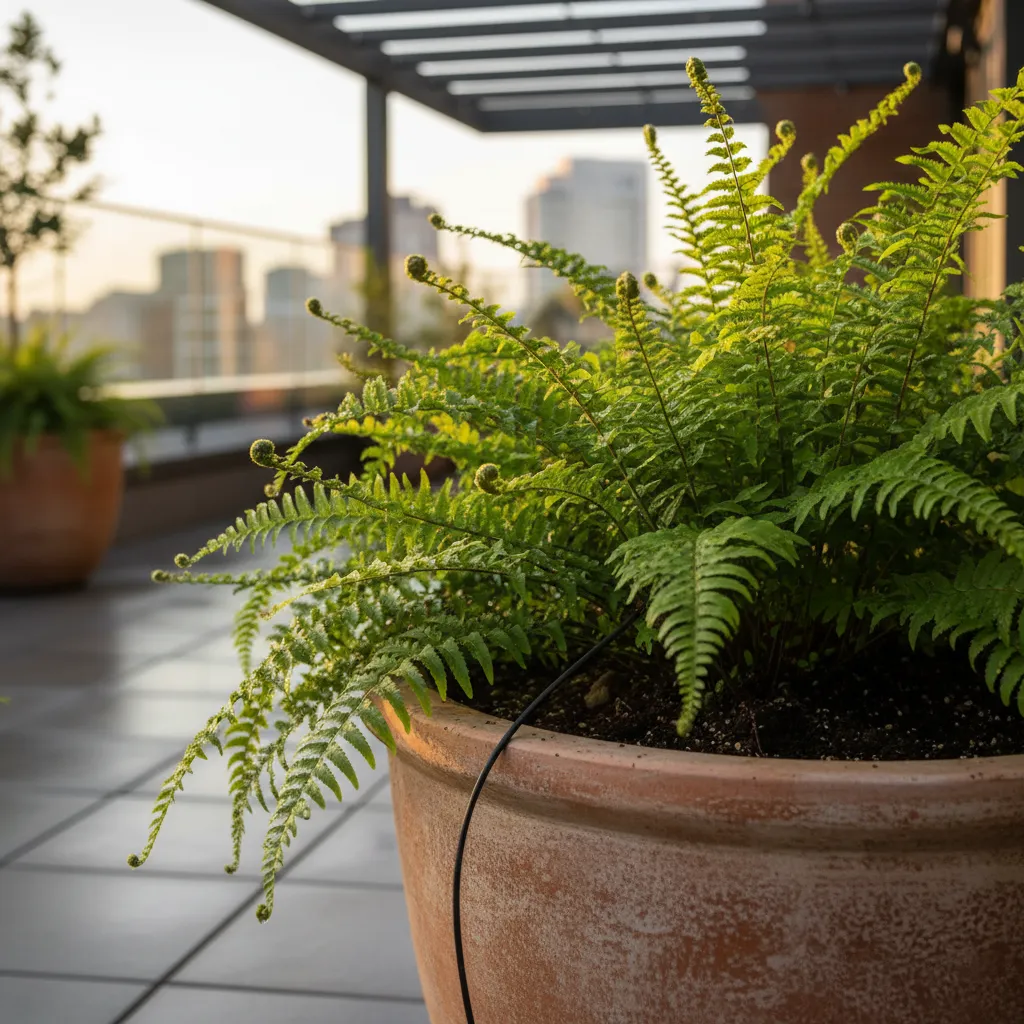
Rooftop plants face harsh wind and intense sun. Automated drip irrigation delivers precise moisture directly to the roots. This ensures your seasonal plant pots remain vibrant without water waste.
Sensors detect rainfall and adjust schedules automatically. This prevents overwatering and protects the structural integrity of the roof. It is a functional necessity for urban gardening.
True luxury is when your garden thrives effortlessly, blending nature with the ease of modern technology.
Atmospheric Lighting Control
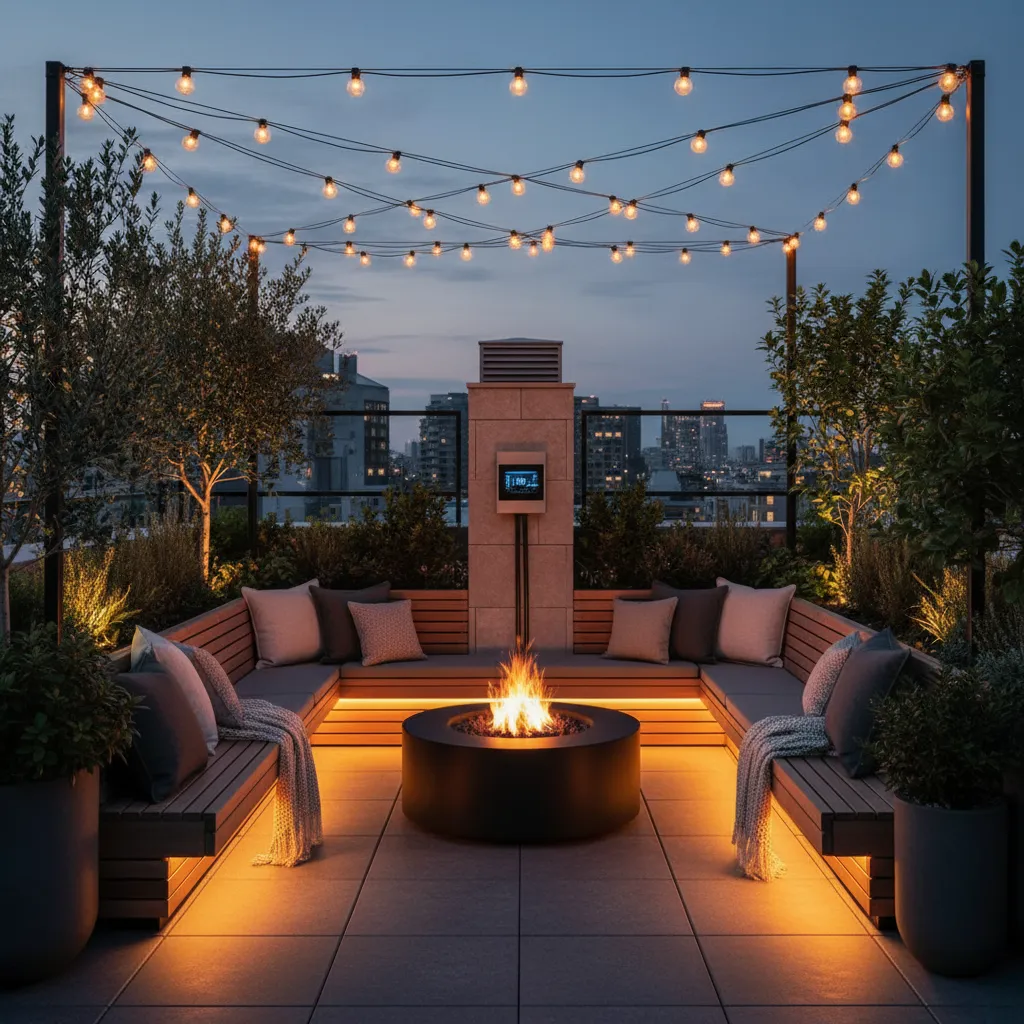
Lighting defines the evening atmosphere. App-controlled systems allow you to dim overhead festoons or brighten pathway markers. You can curate the mood from a phone screen instantly.
Use warm LED tones to soften concrete surfaces. Highlighting architectural features creates a sophisticated vignette. This extends the usability of your outdoor living space into the night.
To create a subtle effect, grazing is a technique that involves placing the fixture close to a textured surface and aiming the light up.
Janet Lennox Moyer, The New York Times
Essential Smart Terrace Features
Incorporating the right hardware ensures your system is durable and effective. Here are the key components for a connected outdoor space.
- Soil Moisture Sensors: These communicate with the water controller to prevent root rot in expensive planters.
- Wi-Fi Bridge: A strong outdoor signal is vital for ensuring your lights respond instantly to app commands.
- RGBW Bulbs: These allow you to shift from bright white task lighting to warm amber hues for entertaining.
- Weatherproof Hubs: Ensure all electrical connections are rated for heavy rain and UV exposure.
Designer’s Digital Toolkit
- Hide unsightly drip irrigation tubing beneath a layer of decorative pebbles or bark mulch; this conceals the technical hardware while reducing soil evaporation.
- Create preset lighting ‘scenes’ in your app; such as ‘Cocktail Hour’ or ‘Stargazing’; to instantly toggle between functional brightness and moody ambience without manual adjustments.
- Position uplights within 6 inches of textured walls to master the ‘grazing’ effect, which highlights surface details like brick or wood grain rather than just washing the area with light.
Modern Groundwork: Floating Porcelain Pavers and Composite Decking
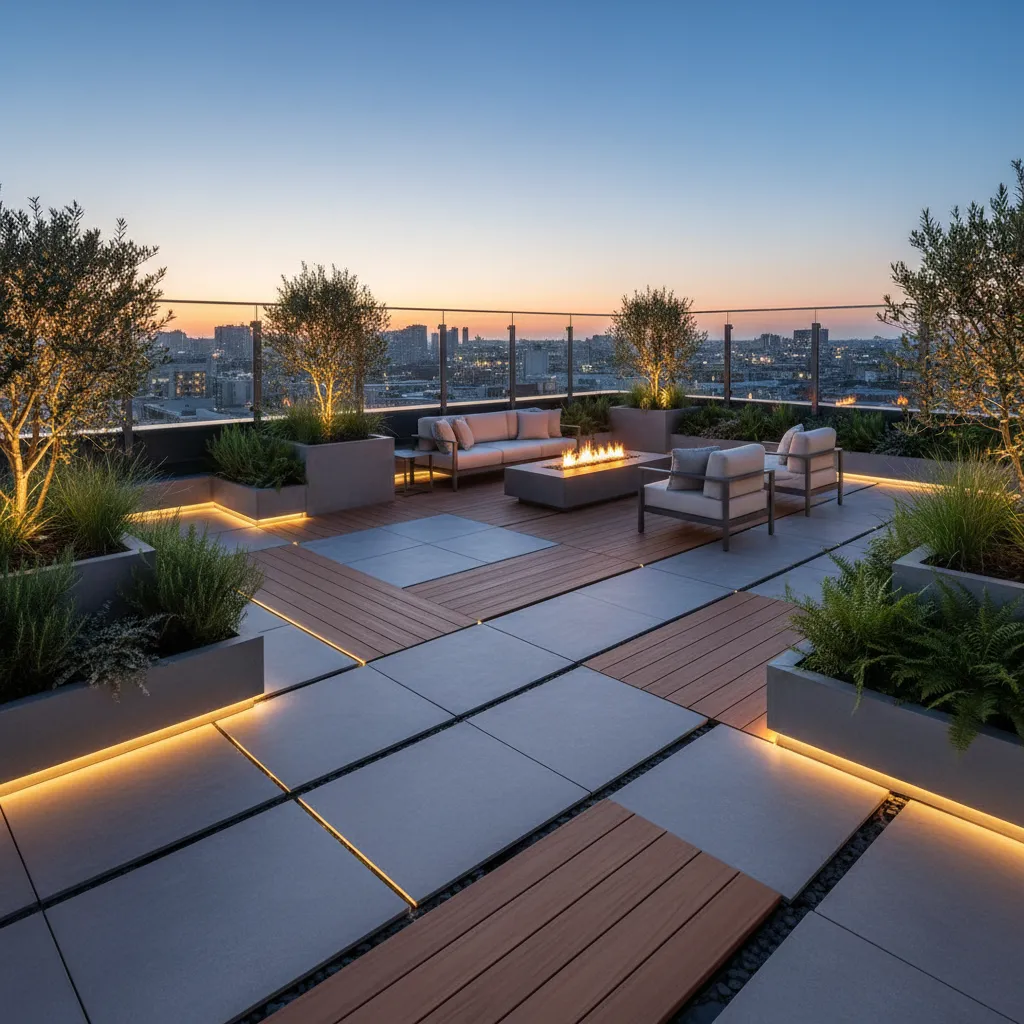
The floor you choose acts as the canvas for your entire rooftop oasis. It dictates the spatial flow and sets the tone for your furniture vignettes.
Selecting the right material is not just about aesthetics. It is about creating a durable foundation that withstands wind, sun, and rain.
You can dramatically alter the atmosphere by mixing materials. Combining cool stone looks with warm wood tones creates a sophisticated contrast.
Great design starts from the ground up. Choose a foundation that feels as good to the touch as it looks to the eye.
The Magic of Floating Porcelain Pavers
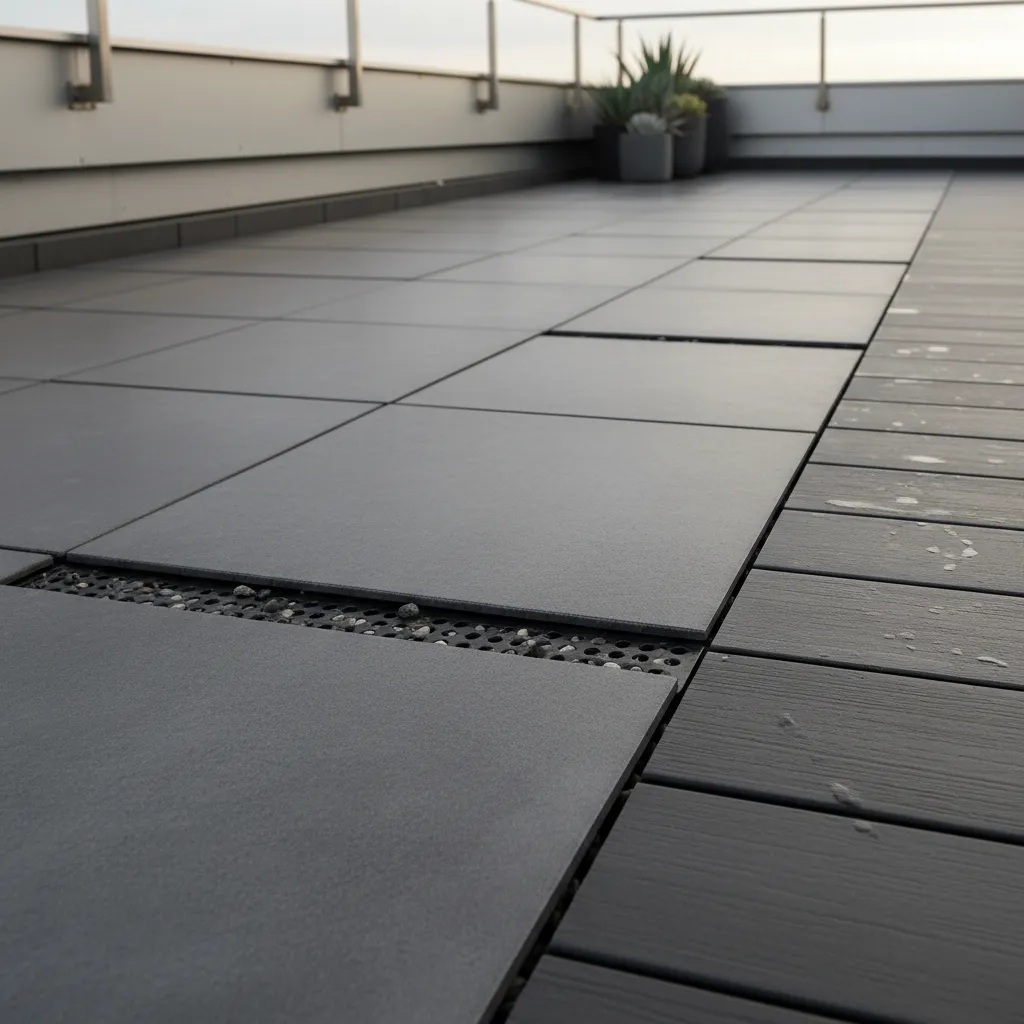
Floating paver systems are a game-changer for flat roofs. They sit on adjustable pedestals, allowing water to drain freely underneath the surface.
This system creates a perfectly level floor without permanent adhesion. The look is ultra-modern, often mimicking natural stone or polished concrete.
Porcelain is incredibly resistant to scratching and staining. It maintains its color even under intense UV exposure, unlike some natural woods.
If you love a sleek aesthetic, choose large-format gray tiles. This pairs beautifully with 15 Modern Exterior Colors That Wow for a cohesive facade.
Warmth with Composite Decking Zones

Composite decking offers the tactile warmth of wood without the high maintenance. It resists fading and splintering, which is vital for bare feet.
Use decking to define specific zones, like a dining area or lounge. The material shift visually separates spaces without needing physical walls.
For a cozy vignette, place your decking in the sunniest corner. Add large textured pots from our guide on 30 Best Fall Plant Pot Ideas for Seasonal Home Decor.
Rich amber or mocha tones bring an organic feel to the city skyline. This softness balances the harsh concrete often found in urban environments.
The most important thing about a roof garden is that it should feel like a room without a ceiling. The flooring is the carpet that ties it all together.
Edmund Hollander, Architectural Digest
Strategic Layout Checklist
Before installing your groundwork, consider how the layout affects functionality. A smart design ensures your rooftop is usable year-round.
- Pedestal Height: Ensure your adjustable pedestals can level out the roof’s natural slope for a flat surface.
- Weight Distribution: Check that your building structure supports the weight of pavers, especially if adding heavy planters.
- Wind Uplift: Choose heavy pavers or interlocking deck tiles that will not shift during high wind gusts.
- Material Transitions: Use metal edging strips between pavers and decking for a crisp, intentional line.
- Heat Absorption: Lighter colors reflect heat, keeping the floor cooler for walking during peak summer months.
The Rooftop Blueprint
- Define your zones without walls by swapping materials; use cool porcelain for high-traffic walkways and warm composite decking to anchor your lounge area.
- Beat the urban heat by selecting lighter paver shades, which reflect sunlight and keep the floor temperature comfortable for bare feet during summer.
- Create a polished, professional look by installing slim metal edging strips where pavers meet decking to ensure a crisp line and trip-free transition.
High-Altitude Horticulture: Drought-Tolerant Plants for Exposed Microclimates
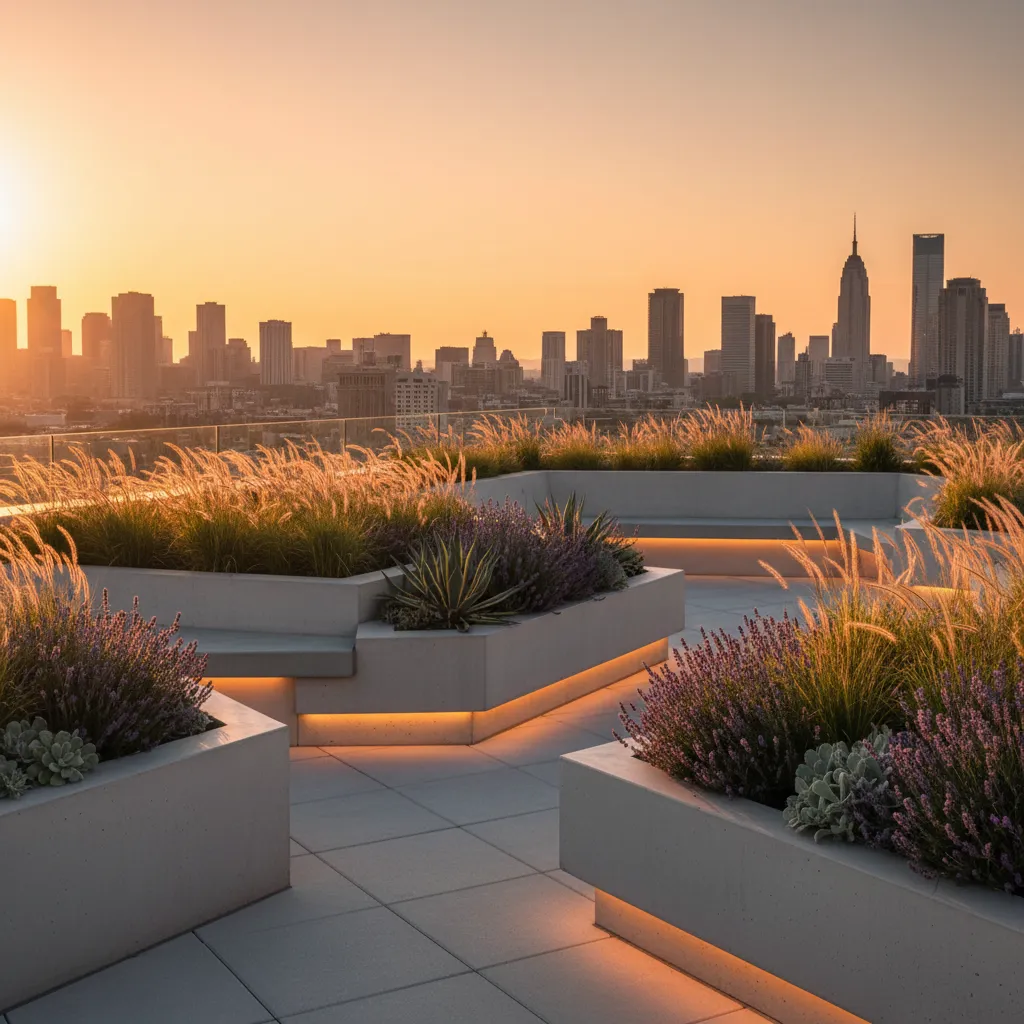
Creating a lush oasis above the city requires a specific strategy. Rooftops are often windy, exposed to intense sun, and lack natural ground insulation.
You must choose botanical survivors that thrive in these harsh microclimates. The goal is to curate a palette that looks delicate but acts tough.
Opt for plants that originate from coastal or mountainous regions. These species have evolved to withstand drying winds and direct solar exposure.
The Resilient Plant Palette

Texture is your best design tool here. Silver-leaved plants like Lavender and Artemisia reflect sunlight, keeping the foliage cool and hydrated.
Incorporating 15 modern exterior colors that wow into your planter choices can highlight these silver tones.
Succulents are naturally equipped for rooftop life. Stonecrop and Sempervivum store water in their leaves, reducing the need for constant irrigation.
Design a rooftop that flows with the wind, not against it. Choose plants that dance in the breeze rather than break.
Ornamental Grasses for Movement
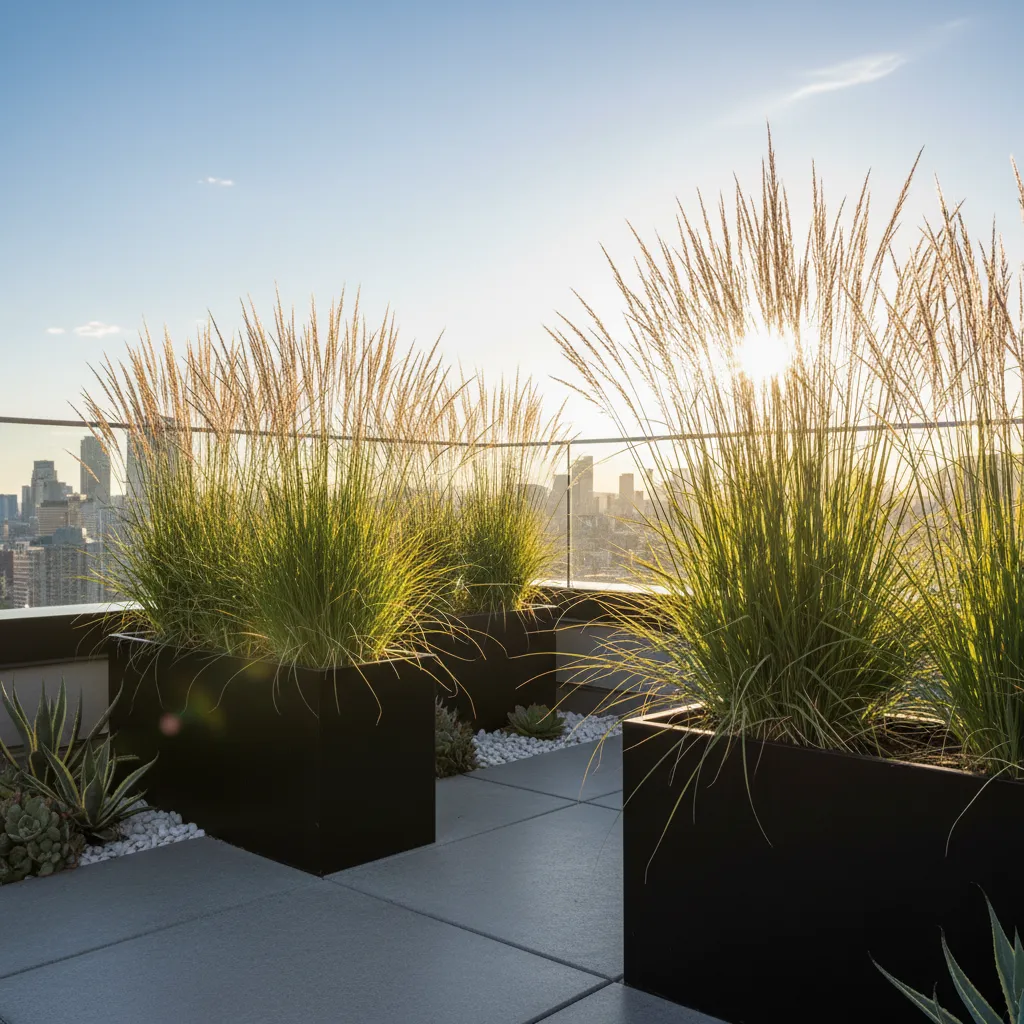
Rigid plants can snap in high gusts. Ornamental grasses, however, bend and sway. This adds a dynamic, kinetic energy to your outdoor spatial flow.
Feather Reed Grass and Blue Fescue provide vertical interest without blocking light. Their rustling sound creates a soothing, ambient auditory experience.
These grasses soften the hard architectural lines of a terrace. They create a “prairie in the sky” aesthetic that feels organic and unforced.
On a rooftop, the wind is a desiccating force. Grouping pots together creates a microclimate where plants shelter each other, reducing moisture loss and wind damage.
Matt James, Gardeners’ World
Strategic Container Selection
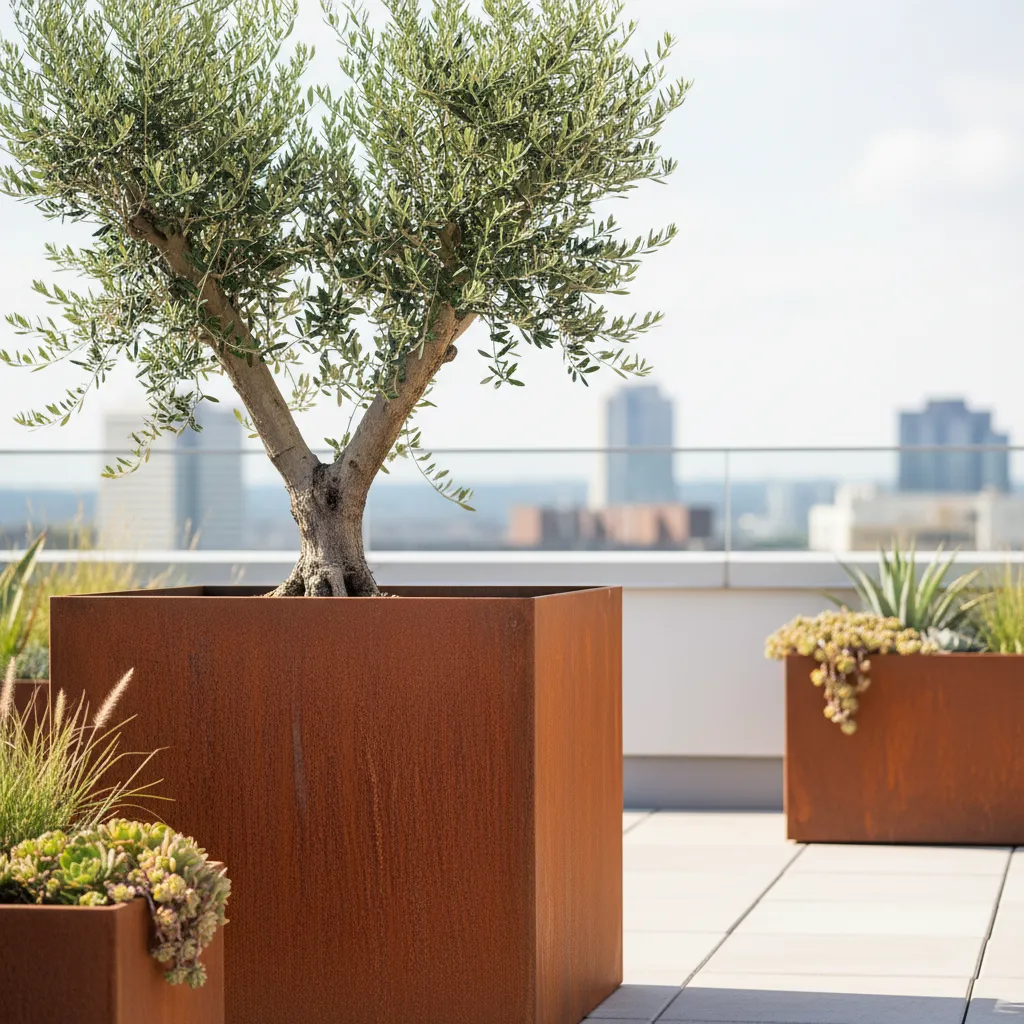
The vessel is as important as the plant. Small pots dry out instantly in rooftop heat. Use large, insulated planters to protect root systems.
Materials like Corten steel or thick fiberglass offer durability and style. Avoid unsealed terracotta, which cracks during freeze-thaw cycles.
Ensure your containers have excellent drainage. Rooftops need heavy-duty grit mixed into the soil to prevent waterlogging during heavy storms.
For colder months, consider winter decor ideas for the home outside to try to keep the space inviting.
Rooftop Plant Performance Guide
Use this guide to select plants based on the specific exposure of your terrace zones.
| Plant Variety | Primary Texture | Wind Tolerance | Best Visual Application |
|---|---|---|---|
| Russian Sage | Airy, purple spires | High | Softening concrete edges or corners. |
| Japanese Silver Grass | Tall, metallic blades | Very High | Privacy screening and noise reduction. |
| Sedum ‘Autumn Joy’ | Thick, waxy rosettes | Moderate | Low-maintenance ground cover in shallow pots. |
| Olive Tree | Silvery, small leaves | High (needs shelter) | Structural focal point for Mediterranean vibes. |
Sky-High Styling Secrets
- Go big with your vessels. Small pots dry out rapidly in rooftop heat, so invest in large, insulated planters to maintain stable root temperatures and reduce watering frequency.
- Cluster your containers to create a defensive microclimate. Grouping plants together shields them from desiccating winds and traps humidity, helping them survive harsh exposure.
- Look for the silver lining. Foliage with grey or silver tones (like Artemisia) reflects intense UV rays, acting as a natural sunscreen that prevents leaf scorch.
Elevating Your Urban Sanctuary
Designing a rooftop terrace is a balancing act between safety and style. By choosing lightweight materials and respecting weight limits, you can create a stunning retreat.
Remember to keep heavy pots near load-bearing walls. This simple trick ensures structural integrity while maximizing your open floor space for entertaining.
With smart planning and modern composites, your rooftop will become a safe haven. Enjoy the view, knowing your personal oasis is built on a solid foundation.
Rooftop Design Dilemmas Solved
Yes. Roofs are designed to keep weather out, not hold parties. Only a pro can confirm your specific “live load” capacity to ensure the building is safe.
Interlocking deck tiles are perfect. They float over the existing surface, require no glue or nails, and can be removed easily when you move out.
Avoid it. Regular soil gets very heavy when wet. Mix in perlite or use a dedicated lightweight roof garden mix to reduce strain on the structure.
Use semi-permeable screens rather than solid walls. Solid walls create turbulence, while lattice or plants filter the wind gently to protect your garden.
