

Is your backyard a little too… open? An undefined space with no privacy, leaving you feeling exposed to the neighbors? You’re in the right place to change that.
A yard divider shouldn’t just be a barrier; it should be the frame for your outdoor life, a backdrop for summer barbecues, quiet garden moments, and cherished memories.
This is your creative playbook for transforming that boundary line into a feature that’s not only beautiful and functional but feels deeply, personally you.
We’ll explore dreamy designs, decode the secrets of landscape style, and walk through the practical steps to bring it all to life.
By the end, you’ll see your property line not as a problem to be solved, but as a canvas waiting for your story.
Before You Begin: Dreaming Up Your Perfect Outdoor Room
The most beautiful yards start with a little bit of soul-searching, not just a trip to the nursery.
Before you dig a single post hole, let’s lay the groundwork for a design that you’ll love for years to come. What is the primary job of this divider? Is it for total privacy, to keep a pet safe, to screen an unsightly view, or simply to create a beautiful, decorative boundary?
The Secrets of Style: Simple Rules for a Stunning Look
Landscape design theory sounds intimidating, but it’s really just about what makes a space feel right. Here are a few simple secrets:
Getting the Scale Right: Your fence should feel like a graceful extension of your home, not an imposing fortress. A great little trick: for front yards or decorative fences, aim for a height that is about one-third the height of your home’s first story. For privacy fences, scale them to human height (around 6 feet) but break up long runs with posts or plantings to reduce their visual weight.
Balancing Hardscape & Softscape: A fence is a strong, hard architectural element. You need to balance it with soft, living elements.
- To soften a solid fence: Plant climbing vines or a lush garden bed along its base.
- To enhance an open fence: Use it as a literal frame for beautiful specimen plants or a distant view.
The 3-Color Landscaping Rule: This is a foolproof recipe for a harmonious outdoor color palette:
- Dominant Color: The main color of your house.
- Secondary Color: Your trim color. A great choice for your fence color is to match the trim, which instantly makes it feel connected to the home.
- Accent Color: Pull a vibrant color from your flowering plants, outdoor cushions, or a brightly painted gate.
Let the Star Shine: Decide what the focal point is. A highly decorative fence is the focal point. A simple, solid fence is the quiet backdrop that lets a stunning flower bed or a beautiful water feature be the hero.
What’s the Real Effort? A No-Fuss Project Breakdown
| The Approach | Estimated Cost | What Your Money Buys | The Little Extras (Don’t Skip These!) |
| The Weekend Screen | $100 – $400 | • Lattice panels or reed screening • Simple wooden posts • A trellis and a climbing plant | • A post-hole digger • A level and string line • Good quality exterior screws |
| The DIY Fence Project | $800 – $3,000 | • Materials for a wood picket or horizontal slat fence • Bags of concrete mix • A nail gun (rent or buy) | • A circular or miter saw • Proper safety gear • Wood stain or sealant |
| The Professional Install | $4,000 – $15,000+ | • Vinyl, composite, or custom wood fencing • Labor for installation • Potential permit fees | • Potential survey costs • Debris removal fees • Gate hardware upgrades |
The Design Menu: Finding Your Signature Style
Here are the ingredients for your perfect yard divider. Each one comes with a breakdown to help you choose with confidence.
1. The Classic White Picket Fence
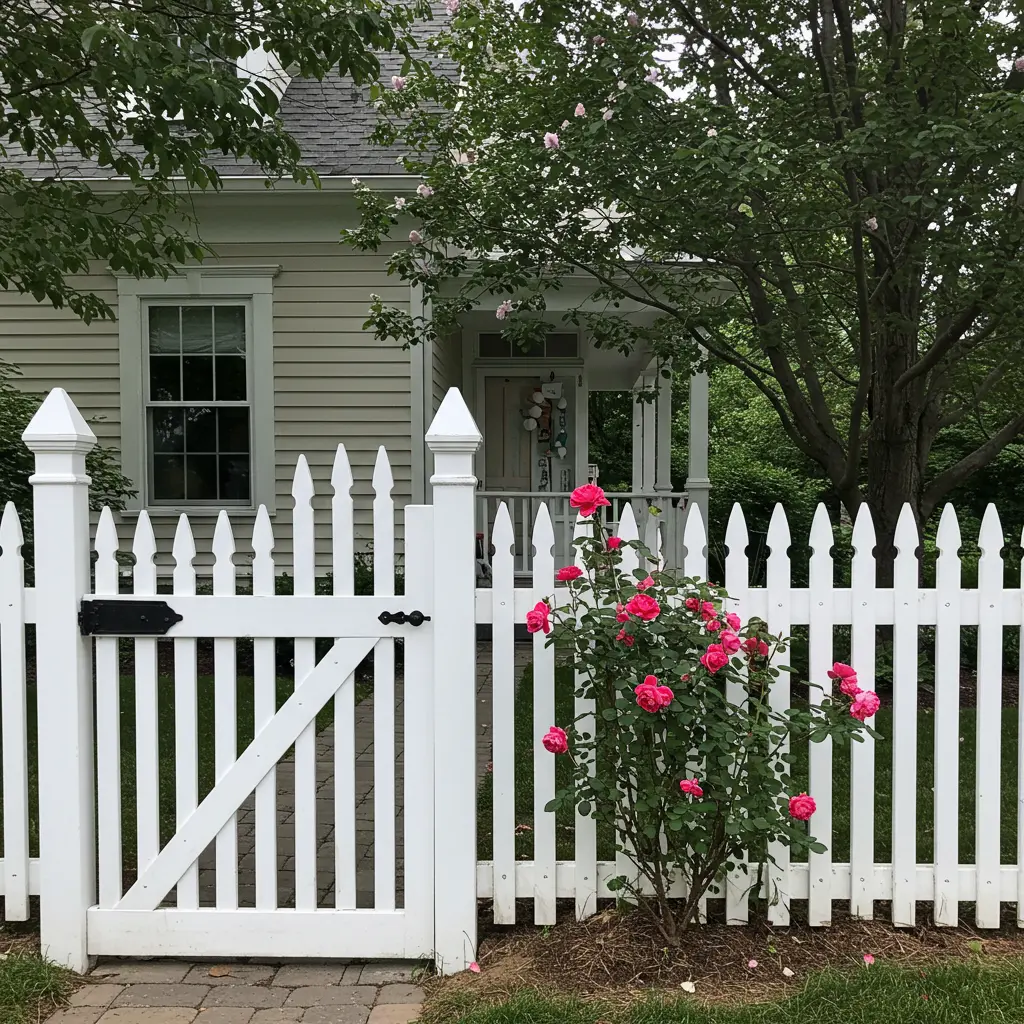
- Best For: Cottage, Colonial, and traditional homes. It creates a charming, friendly boundary without blocking views.
- Key Consideration: This is a decorative fence, not a privacy fence. It’s more about defining space and adding curb appeal. Wood requires regular painting; vinyl offers a maintenance-free alternative.
- Pro-Tip: The shape of the picket top (dog-ear, pointed, rounded) can completely change the feel. Choose a style that mimics architectural details on your home.
- Styling Cue: A picket fence is the perfect partner for a rose bush or a climbing clematis, creating an idyllic, storybook garden look.
2. The Stately Privacy Fence
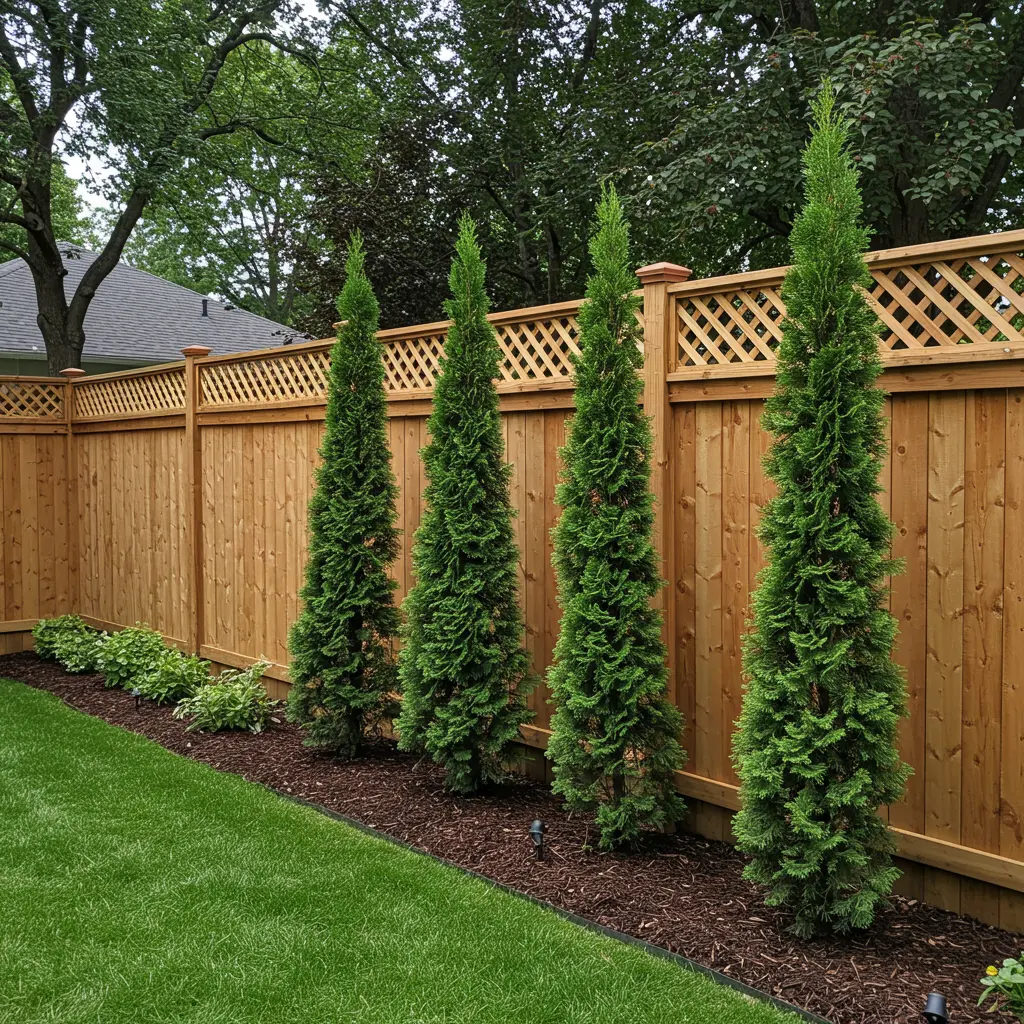
- Best For: Suburban backyards, creating a safe enclosure for pets and kids, and blocking undesirable views or noise.
- Key Consideration: A 6-foot solid wall of wood can feel imposing. Breaking up the design with a top lattice section or varying board-and-batten patterns can add style and reduce the “fortress” effect.
- Pro-Tip: “Shadowbox” style fences, with boards alternating on either side of the rails, look good from both your side and your neighbor’s side, making for a friendlier boundary.
- Styling Cue: Plant a row of slender, upright trees like Italian Cypress or Sky Pencil Holly in front of the fence to add vertical interest and soften its look.
3. The Rustic Split-Rail Fence
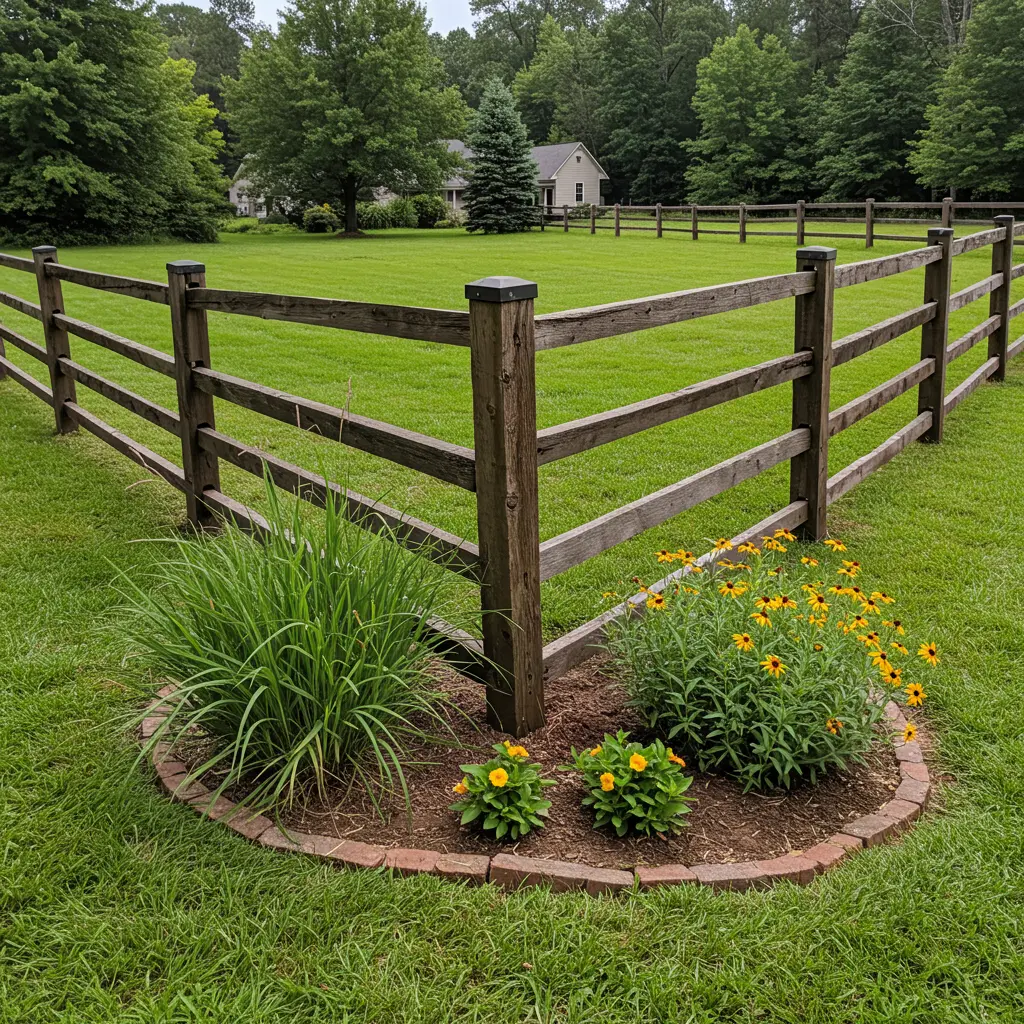
- Best For: Farmhouse, rustic, and ranch-style homes, especially on larger properties. It’s perfect for defining a large area without obstructing scenic views.
- Key Consideration: This fence offers no privacy and will not contain small pets unless you add wire mesh.
- Pro-Tip: For a more finished look, use a dark stain on the wood. It provides a beautiful contrast against a lush green lawn or field.
- Styling Cue: Let a corner of the split-rail fence be the anchor for a wildflower garden or a cluster of ornamental grasses.
4. The Sleek Horizontal Slat Fence
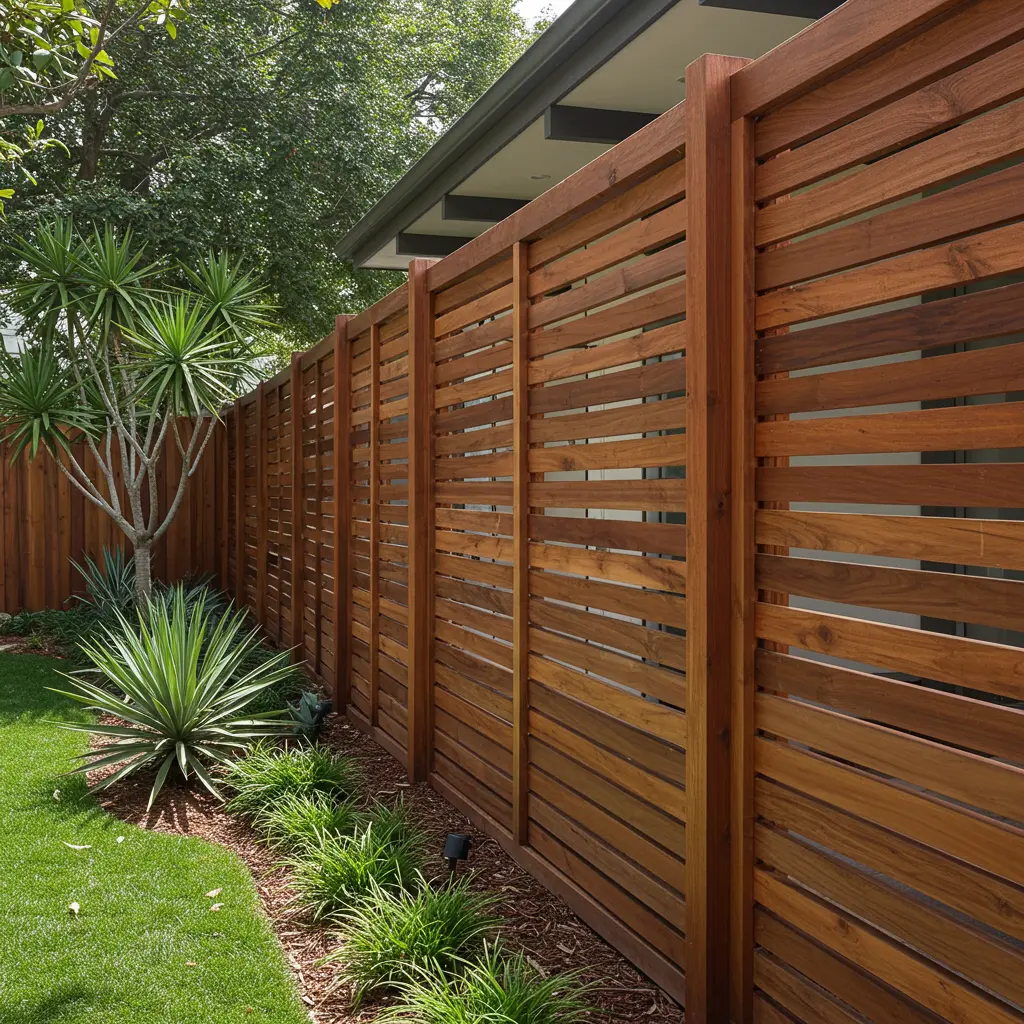
- Best For: Modern, Mid-Century Modern, and contemporary homes. Adds a clean, architectural, and high-end feel.
- Key Consideration: The spacing between the slats determines the level of privacy. Wood choice is critical for the look cedar has warm tones, while Ipe offers a rich, dark, and durable option.
- Pro-Tip: For a truly custom look, vary the width of the slats. A pattern of a wide slat followed by a narrow one creates a sophisticated rhythm.
- Styling Cue: This fence is a stunning backdrop for spiky, architectural plants like agave, yucca, or horsetail reeds.
5. The Industrial Corrugated Metal Panel
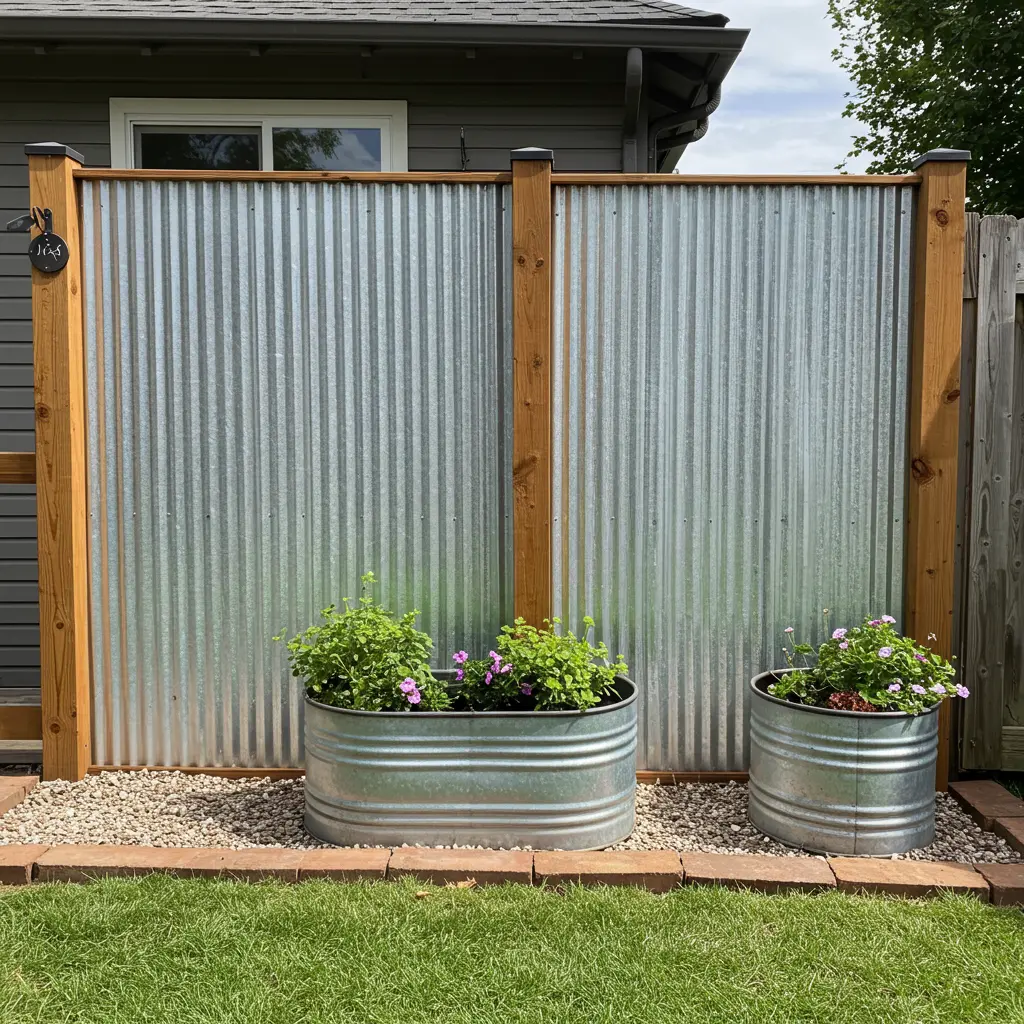
- Best For: Modern farmhouse, industrial, and eclectic styles. It’s durable, low-maintenance, and surprisingly affordable.
- Key Consideration: Can reflect a lot of heat and glare. It’s best used in areas where this won’t impact a seating area or delicate plants.
- Pro-Tip: Frame the metal panels with chunky wood posts and rails (stained black or a warm cedar). The mix of materials adds warmth and sophistication.
- Styling Cue: Pair with galvanized metal stock tank planters to carry the modern-rustic theme throughout your yard.
6. The Chic Gabion Wall
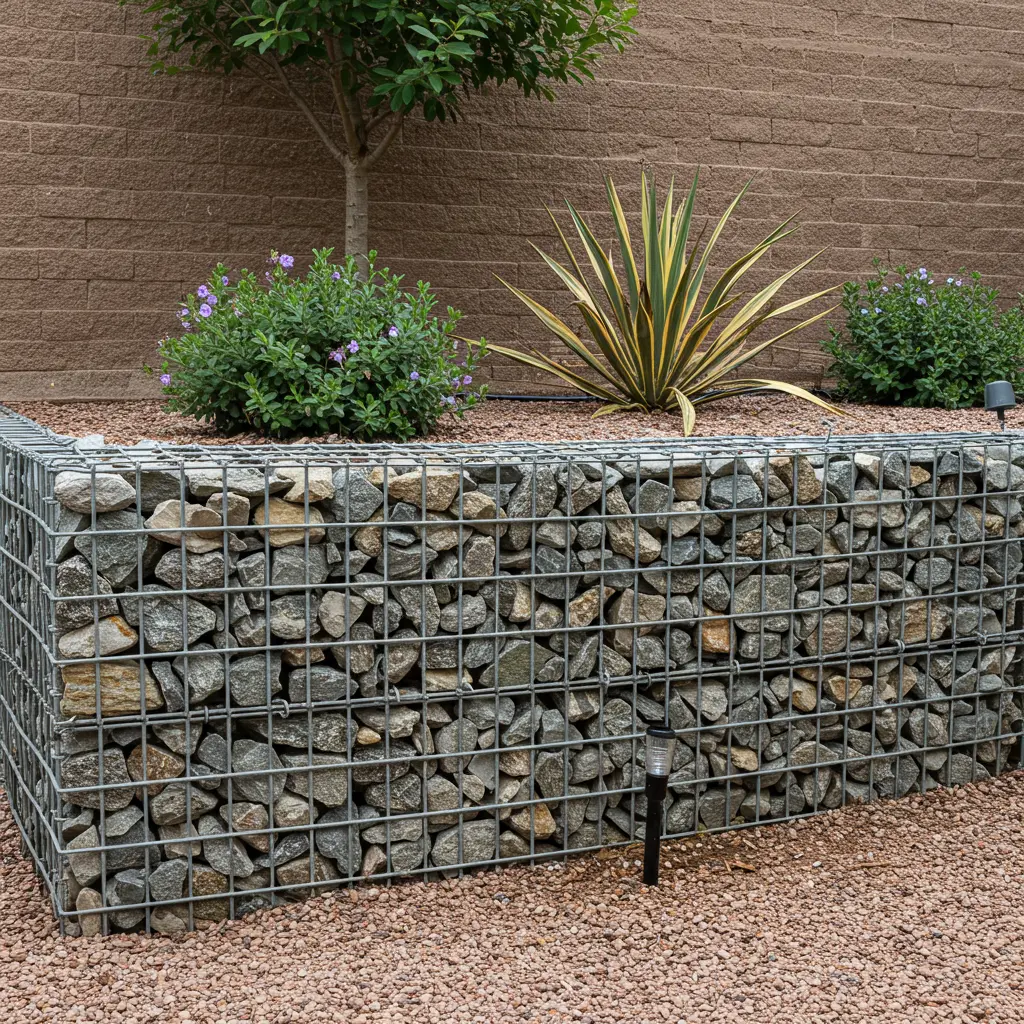
- Best For: Modern, industrial, and desert landscapes. A gabion is a wire cage filled with rocks, creating incredible texture and a permanent, structural feel.
- Key Consideration: This is a heavy, substantial wall. It requires a properly prepared, level base. The cost is highly dependent on the type of stone you choose to fill it with.
- Pro-Tip: Mix in a few solar-powered string lights or recycled glass chunks among the rocks for a beautiful glow at night.
- Styling Cue: Use a low gabion wall as a retaining wall for a raised garden bed, combining function and high style.
7. The Lush Living Wall / Hedge
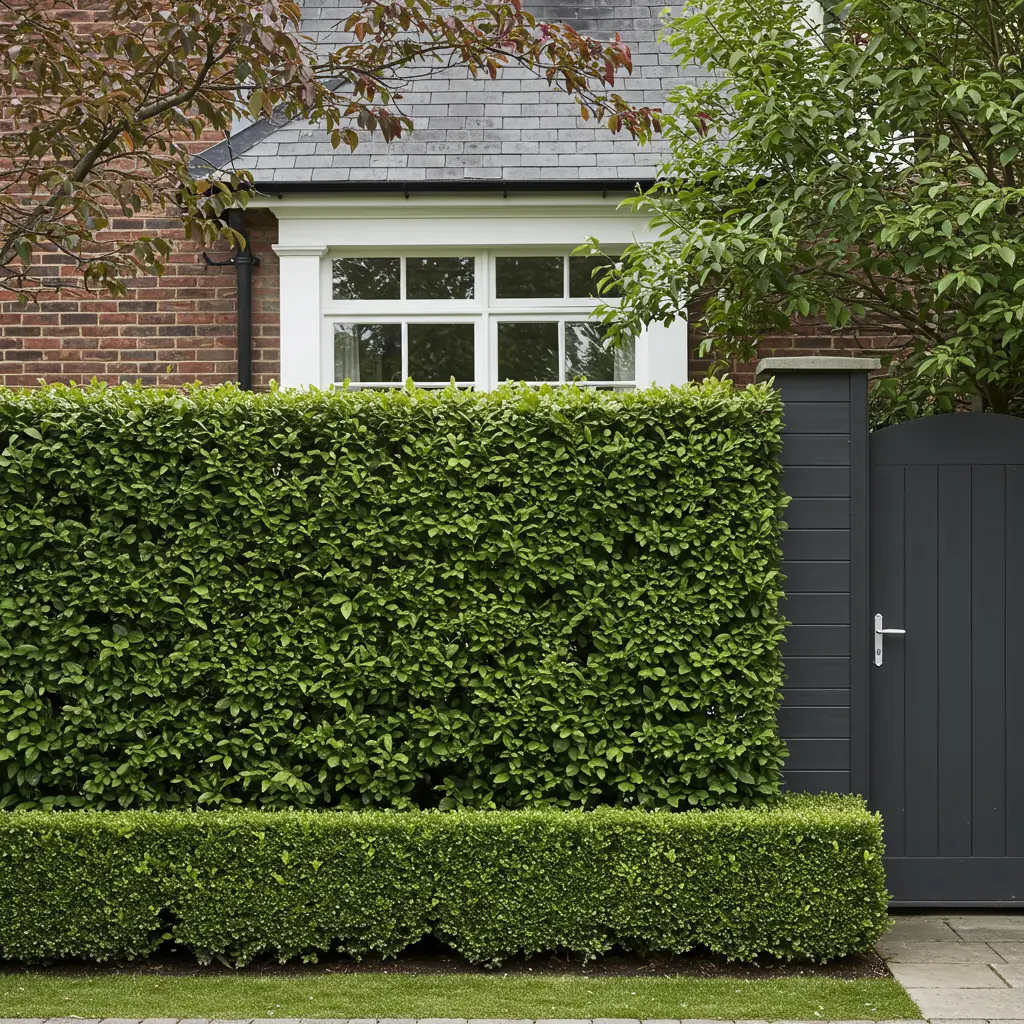
- Best For: Creating the softest, most natural privacy screen. It absorbs sound, provides a habitat for birds, and changes with the seasons.
- Key Consideration: Hedges require time to grow to full height and need regular trimming to stay neat. Choose plants suited to your climate and sun exposure.
- Pro-Tip: For faster privacy, create a “living fence” by planting fast-growing vines on a simple wire or chain-link fence.
- Styling Cue: Classic boxwood hedges create a formal, elegant boundary, while a flowering hedge of lilac or forsythia provides a burst of seasonal color.
8. The Graceful Bamboo Screen
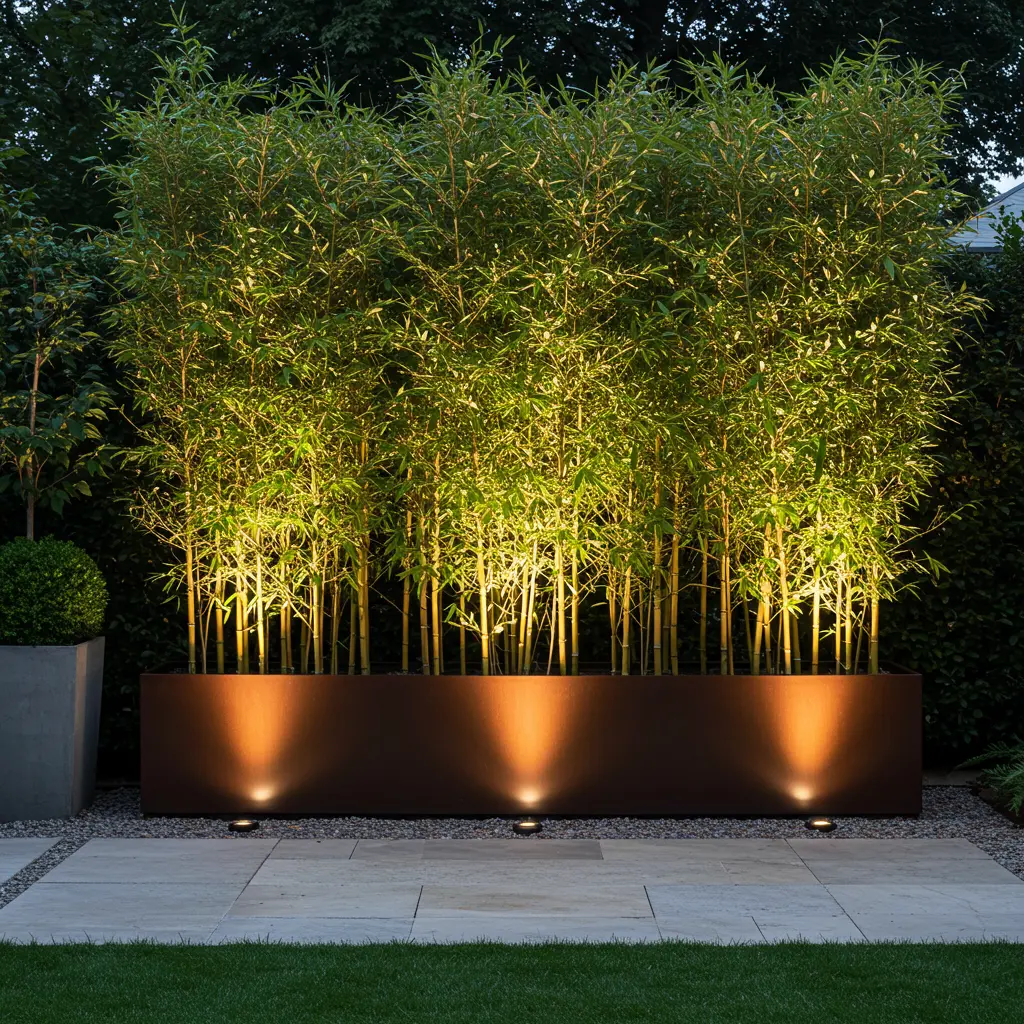
- Best For: Zen, spa-like, and tropical-themed gardens. It grows incredibly fast, providing an almost instant screen.
- Key Consideration: You MUST choose a “clumping” variety, not a “running” one. Running bamboo is highly invasive and will take over your (and your neighbor’s) yard.
- Pro-Tip: Plant bamboo in a long, narrow metal or concrete planter. This looks modern and chic, and it’s the safest way to ensure it stays contained.
- Styling Cue: Underlight the bamboo with low-voltage landscape lighting to create dramatic shadows and a serene nighttime ambiance.
9. The Charming Trellis with Climbing Vines
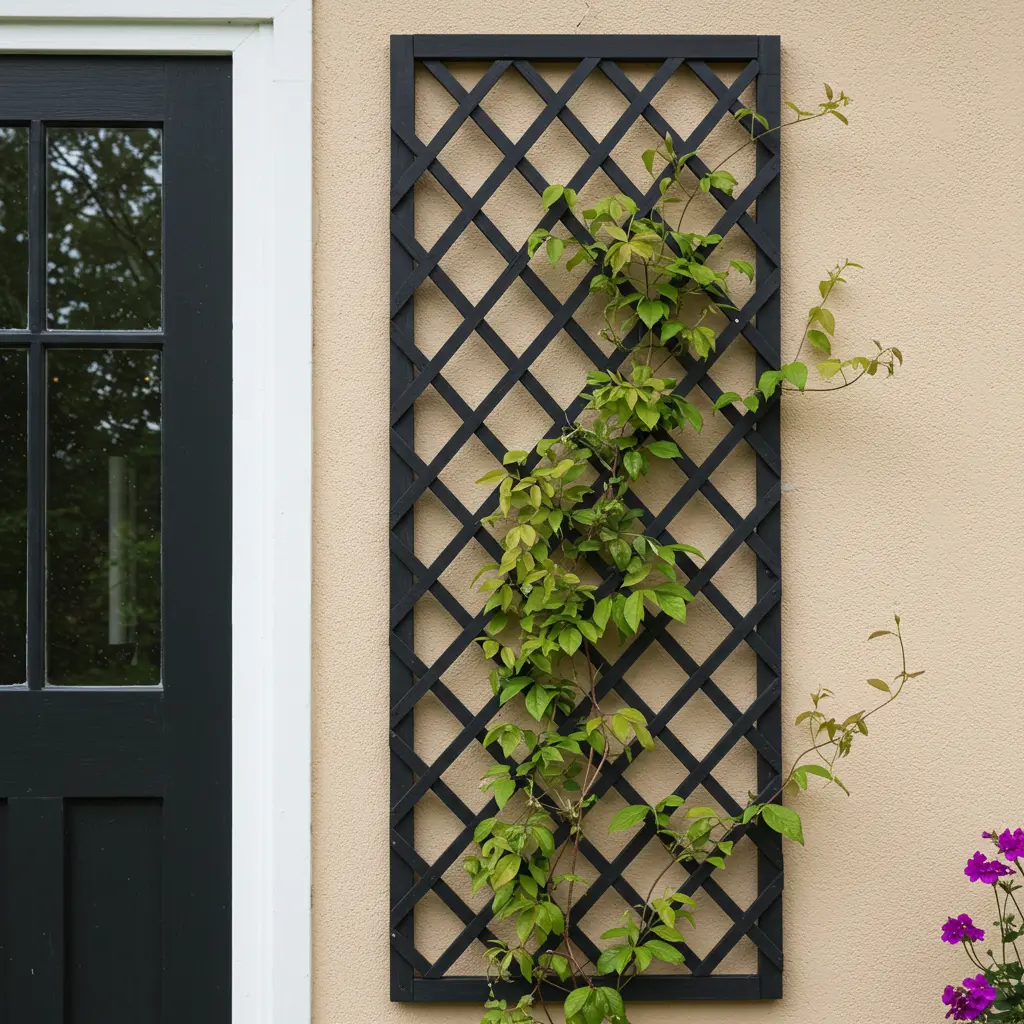
- Best For: Cottage gardens, patios, and small spaces. A trellis takes up virtually no ground space while adding beautiful vertical interest.
- Key Consideration: Choose a vine that matches the sturdiness of your trellis. A heavy wisteria will demolish a flimsy trellis, while a delicate clematis is a perfect match.
- Pro-Tip: Install the trellis a few inches away from the wall or fence. This allows for good air circulation, which helps keep the plant healthy.
- Styling Cue: Paint a simple wooden trellis black. The dark color will recede into the background, making the vibrant green leaves and colorful flowers of the vine pop.
10. The Artistic Laser-Cut Metal Screen

- Best For: Creating a stunning focal point, screening a specific view (like an AC unit), or as a decorative panel within a larger fence.
- Key Consideration: These can be expensive, but even one or two panels can make a huge design impact. Corten steel will develop a beautiful, stable rust patina; powder-coated aluminum comes in many colors.
- Pro-Tip: Install outdoor LED strip lights behind the panel. At night, the light will shine through the cutouts, turning the screen into a magnificent piece of landscape art.
- Styling Cue: Use a screen with a botanical or geometric pattern as the backdrop for a simple, modern bench and a single large planter.
11. The Versatile Lattice Panel
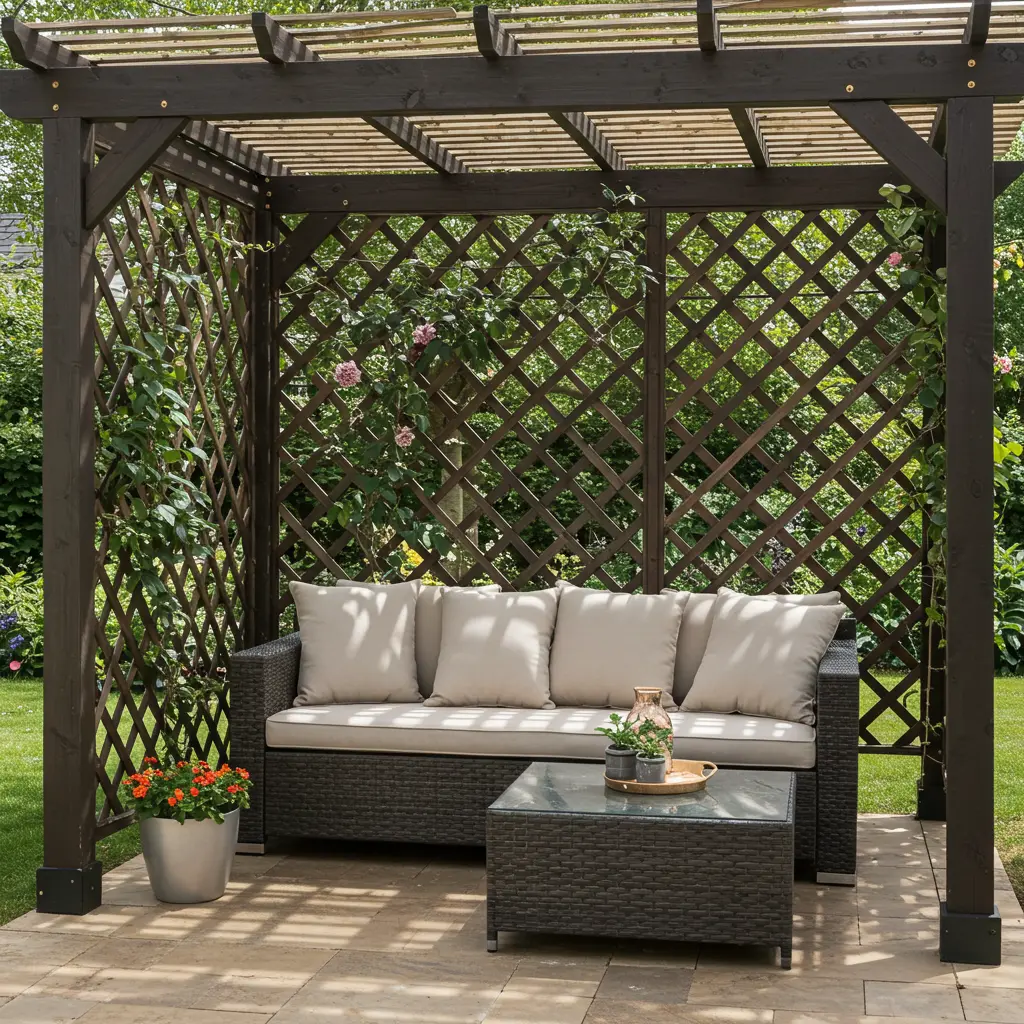
- Best For: A budget-friendly, semi-private divider that is perfect for supporting climbing plants.
- Key Consideration: Standard hardware store lattice can be flimsy. Build a sturdy frame for it or buy pre-framed, “privacy” style lattice with smaller openings for a more robust and high-end look.
- Pro-Tip: Don’t just leave it as raw wood. Painting or staining lattice a dark color (like charcoal or black) instantly elevates its appearance from cheap to chic.
- Styling Cue: Create a cozy patio enclosure by installing framed lattice panels between the support posts of your pergola.
12. The Reclaimed Pallet Divider
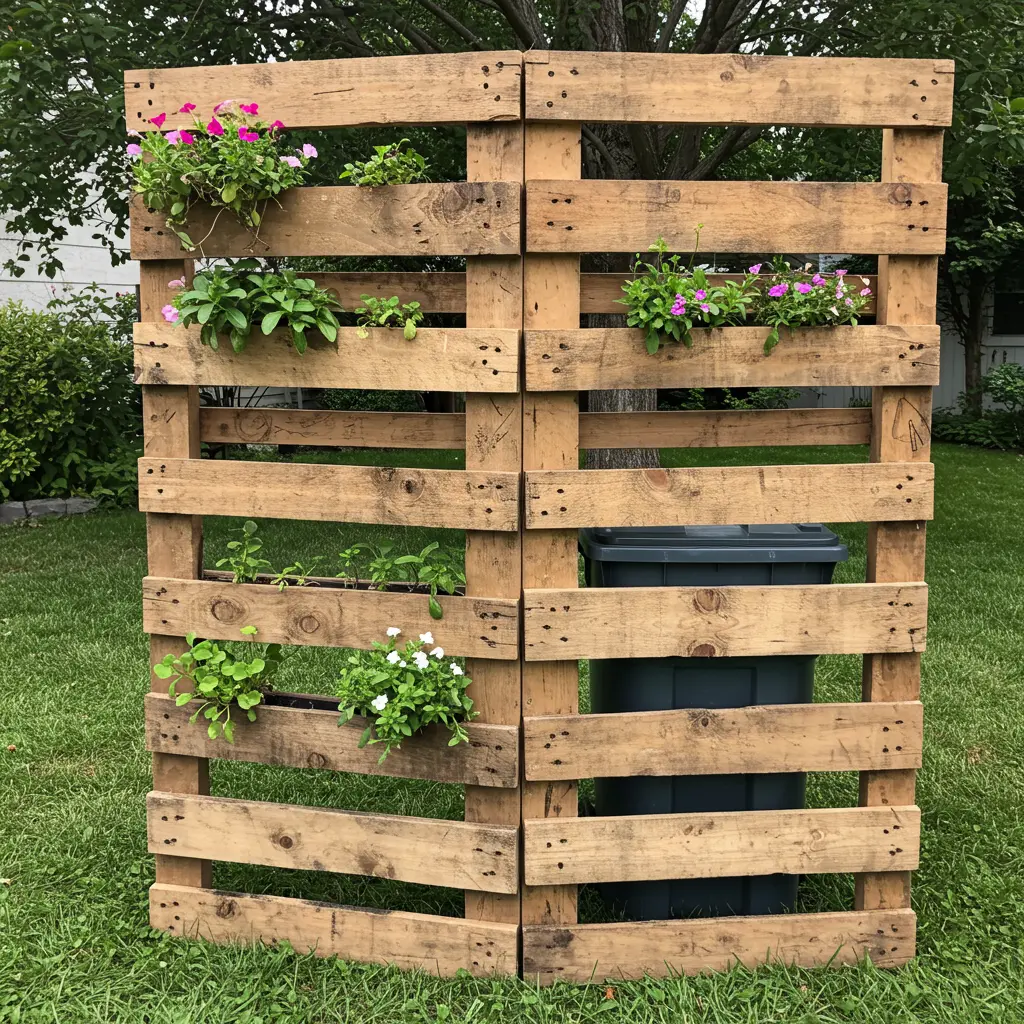
- Best For: A super budget-friendly, rustic DIY project. Perfect for creating a small screen or a vertical garden.
- Key Consideration: Ensure the pallet is heat-treated (stamped with “HT”), not chemically treated (stamped with “MB”), especially if you plan to grow herbs or edibles in it.
- Pro-Tip: Stand a pallet upright and staple landscape fabric into the openings to create pockets for planting flowers or herbs. It’s an instant vertical garden.
- Styling Cue: Give the pallet a quick, rustic whitewash finish and use it to screen your compost bin or garbage cans.
13. The Modern Wood & Metal Combo
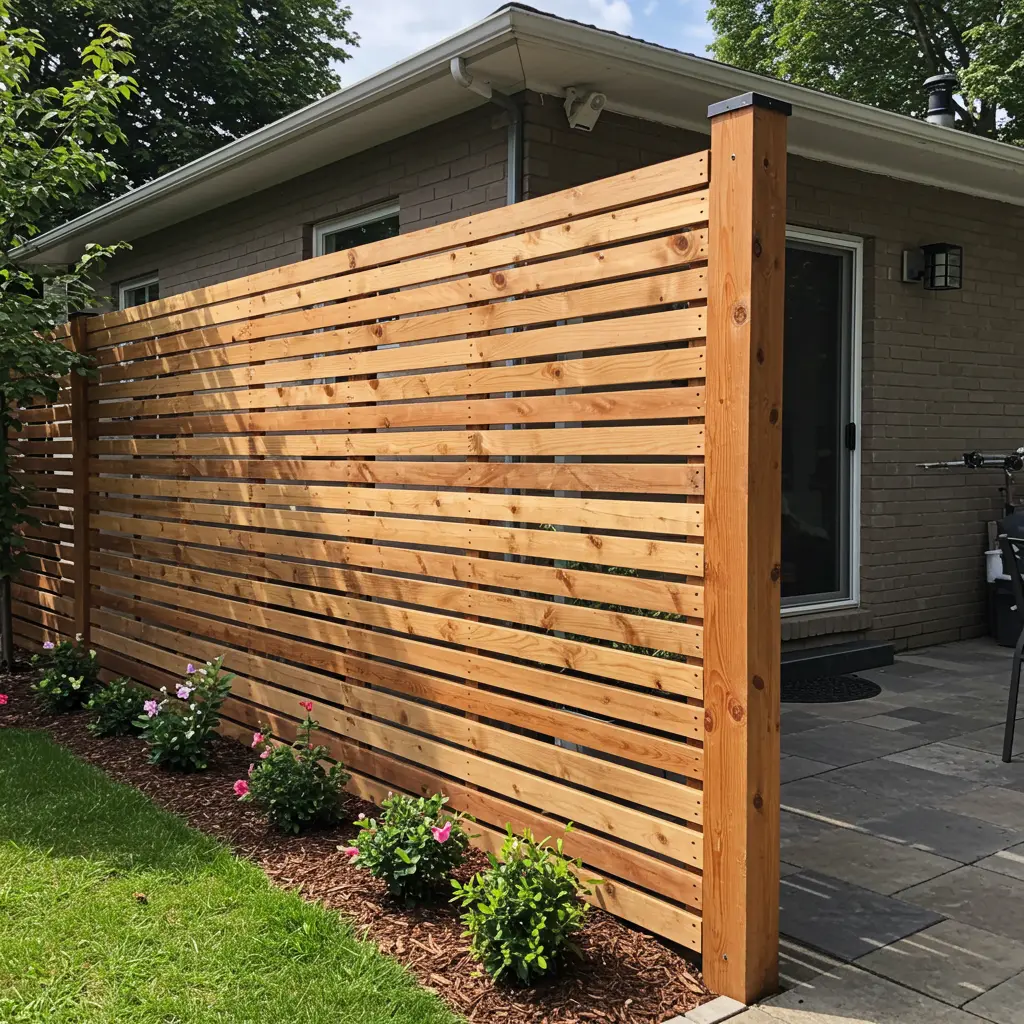
- Best For: A custom, high-end look that blends the warmth of wood with the sleekness of metal.
- Key Consideration: This is often a custom job, requiring careful planning. Ensure the metals used are rated for outdoor use to prevent rust.
- Pro-Tip: Use sturdy metal posts (powder-coated steel or aluminum) and run horizontal wood slats between them. This provides the durability of metal with the classic look of a wood fence.
- Styling Cue: Match the metal of the fence posts to other elements in your yard, like your patio furniture or window frames, for a cohesive, designer look.
14. The Low Retaining Wall Garden Bed
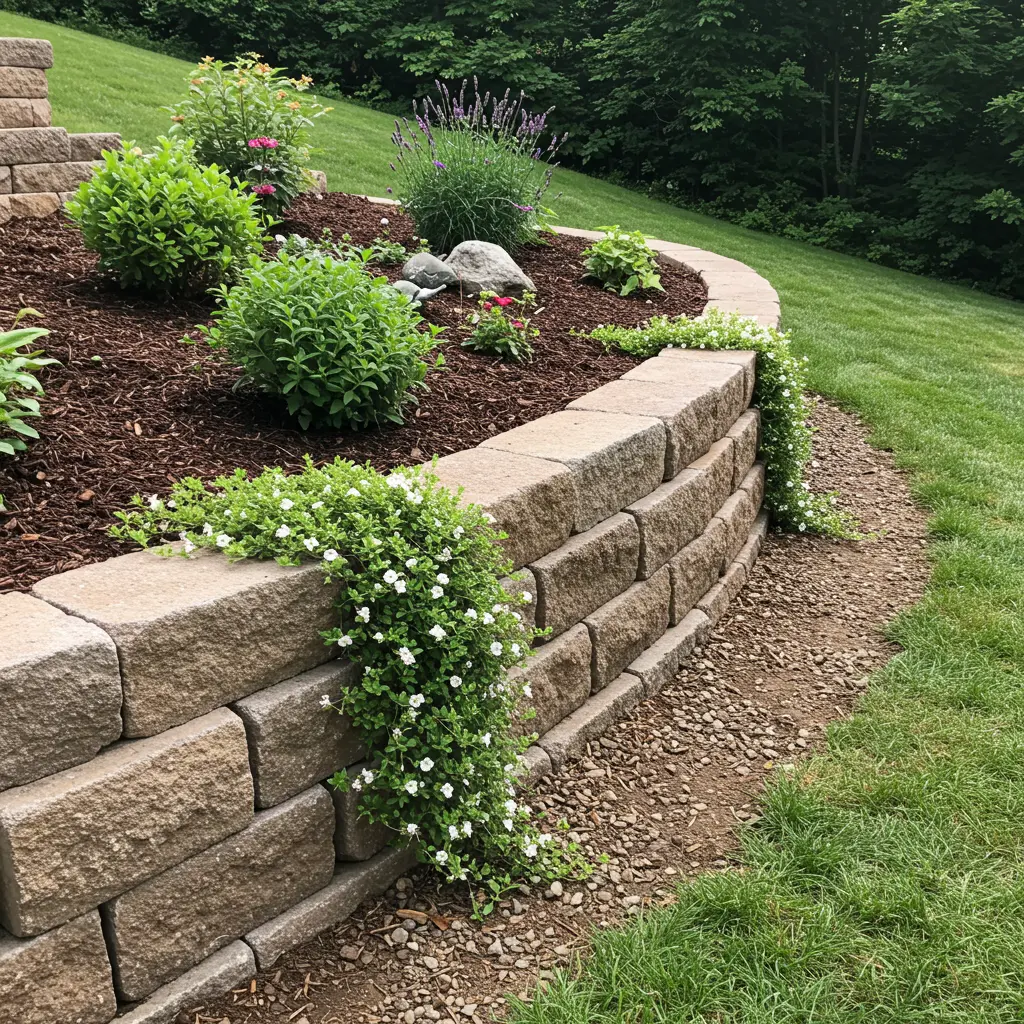
- Best For: Defining different “zones” in a yard (like separating a patio from the lawn) or for properties on a slope.
- Key Consideration: A wall over a few feet high may require professional engineering and permits. For a low DIY wall, ensure you have a proper gravel base for drainage.
- Pro-Tip: Cap the wall with a flat, wide stone. This gives it a finished look and creates bonus, informal seating for guests.
- Styling Cue: Plant trailing plants like creeping thyme or alyssum at the top of the wall, allowing them to spill over the edge for a soft, romantic effect.
15. The Simple Rope & Post Divider
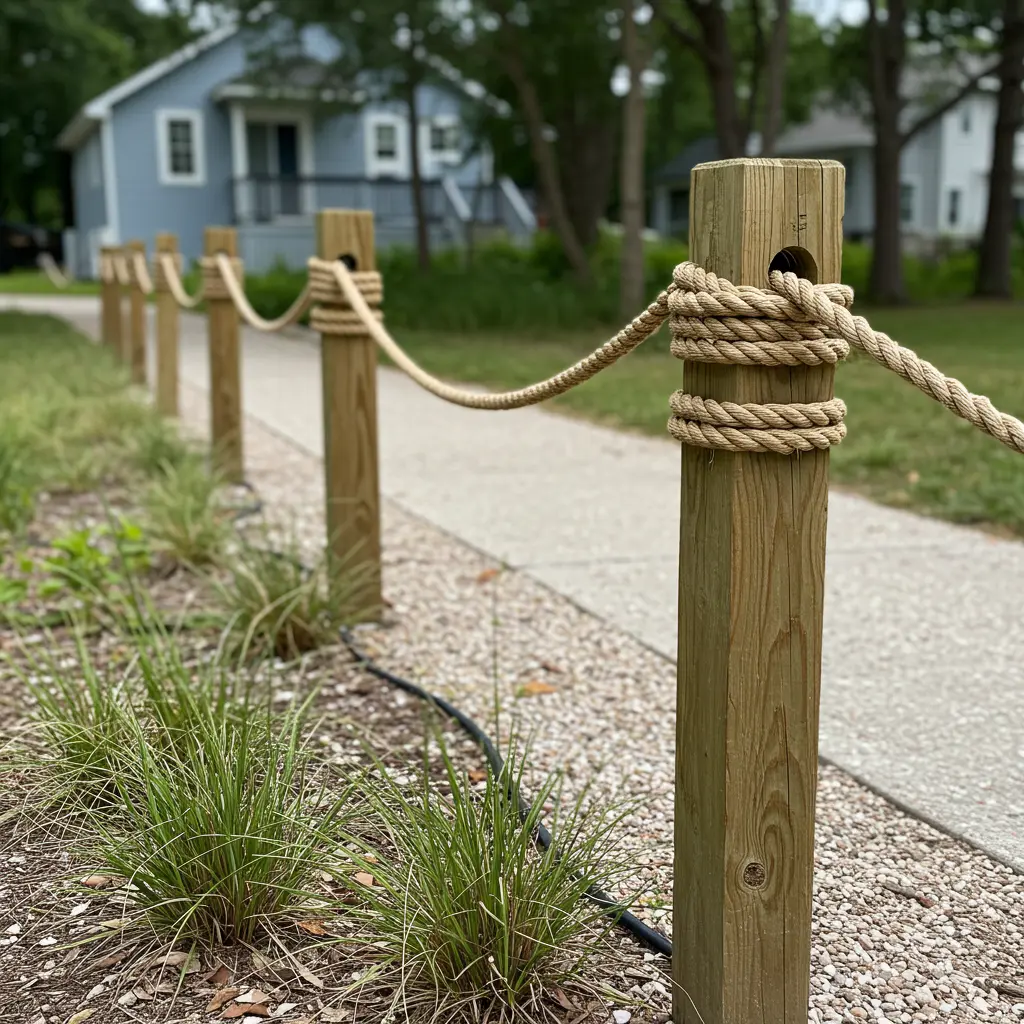
- Best For: A purely decorative, nautical, or rustic boundary. Perfect for lining a walkway or protecting a garden bed from foot traffic.
- Key Consideration: This is a visual suggestion, not a physical barrier. It provides zero privacy or security.
- Pro-Tip: Use thick, natural manila rope for a classic nautical look, or black nylon rope for a more modern, durable option. Drill holes through the posts rather than just wrapping the rope around them for a cleaner look.
- Styling Cue: This is the perfect divider for a coastal home’s front walkway, paired with sea grasses and crushed shell ground cover.
Conclusion: Your Backyard’s Next Act
And just like that, you’re no longer just looking at a property line you’re looking at a world of possibilities. You have the ideas, the inspiration, and the know-how to create a yard divider that is beautiful, functional, and a true extension of your home.
This isn’t just about building a fence; it’s about creating an oasis, a private retreat, and a beautiful frame for your outdoor life.
It all starts with a single choice. Pick a style that made your heart skip a beat, and take the first small step. You’ve got this.
