
Table of Contents
- Understanding the Mechanics: The 50/50 Regeneration Zone Rule
- Blueprint Idea 1: The Organic EPDM Liner Pond for Small Budgets
- Blueprint Idea 2: The Formal Concrete Tank with Separate Wetland Filter
- Blueprint Idea 3: Converting a Stock Tank into a Natural Plunge Pool
- Vital Vegetation: Selecting Plants for Climate-Specific Bio-Filtration
- Your Personal Lagoon Awaits
- Natural Pool Design Dilemmas Solved
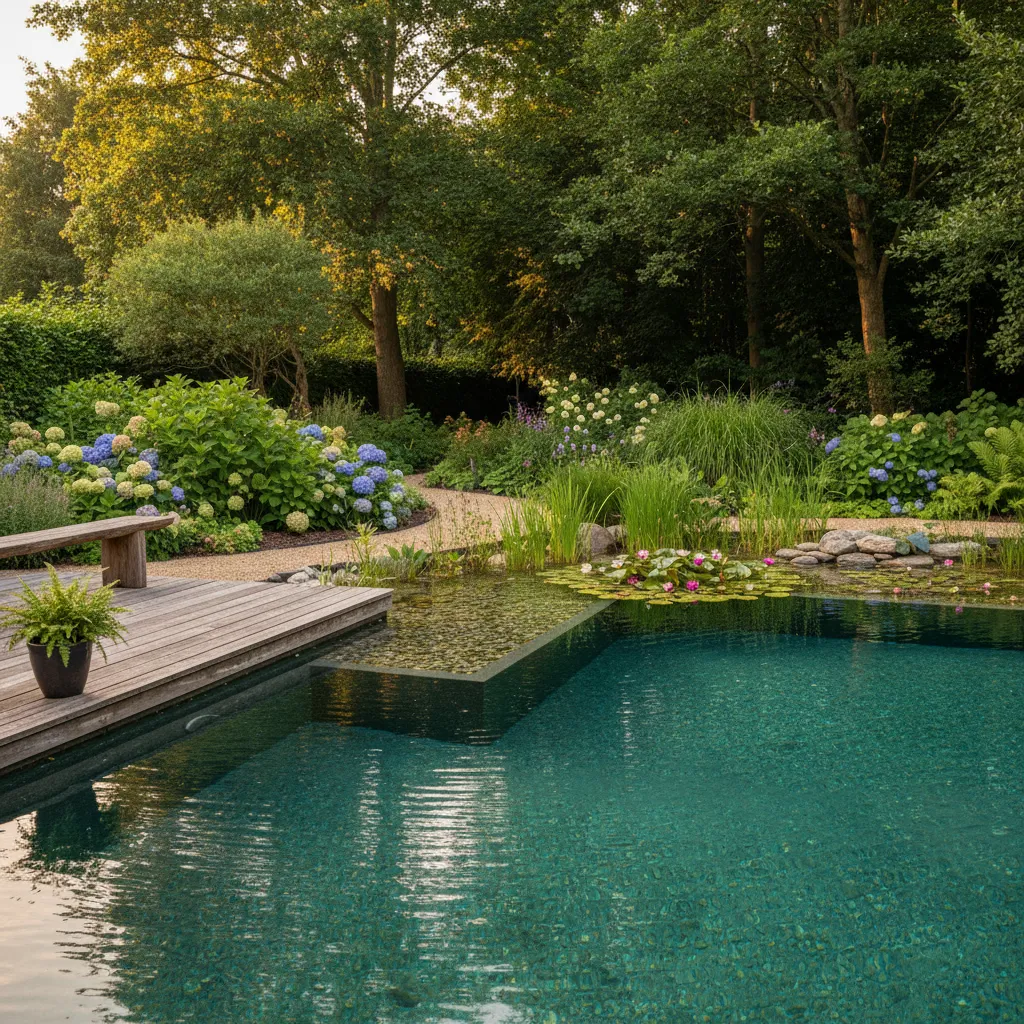
Transform your backyard into a serene escape with the beauty of a natural swimming pool. These eco-friendly havens blend seamless design with biological filtration, offering a chemical-free alternative to traditional basins.
By integrating aquatic plants and stone textures, you create a living landscape that feels both high-end and deeply connected to nature.
Designing your own oasis does not require a massive renovation budget if you focus on smart material choices. From reclaimed rocks to carefully selected flora, the secret lies in balancing aesthetics with functional water management.
You can achieve a professional look by layering textures and prioritizing a layout that complements your existing garden architecture.
This guide explores five practical DIY projects to help you build a refreshing retreat at home. Whether you are working with a compact patio or a sprawling lawn, these ideas provide the inspiration needed to start digging.
Embrace the creative process as you craft a sustainable sanctuary that enhances your outdoor living experience.
Understanding the Mechanics: The 50/50 Regeneration Zone Rule
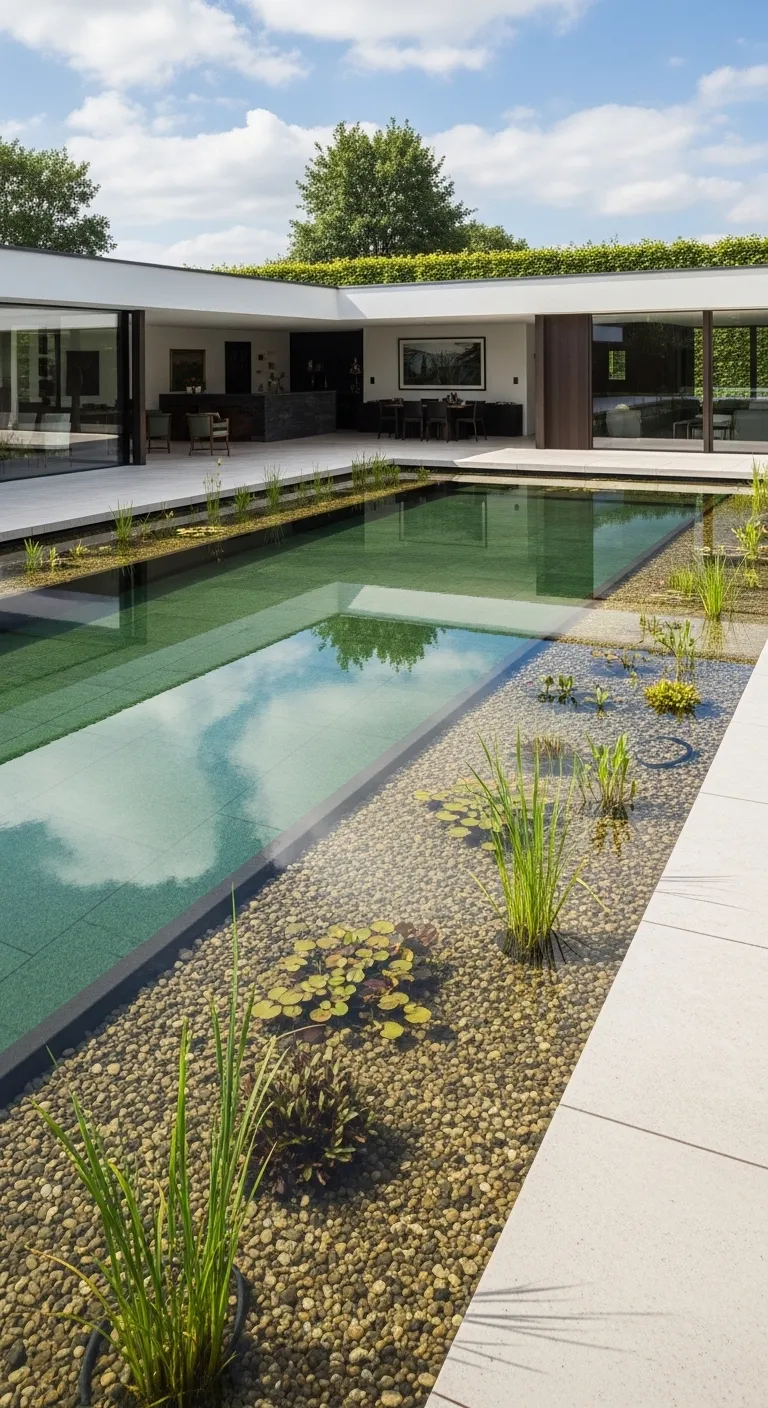
The secret to crystal-clear water without harsh chemicals lies in a specific spatial ratio. A functional natural pool typically requires a split design.
You must dedicate fifty percent of the surface area to swimming and the other half to regeneration. This balance is critical for a healthy ecosystem.
The regeneration zone acts as the pool’s biological filter, similar to a kidney. It processes impurities through layers of gravel and plant roots.
Visually, this zone adds a soft, organic texture to your yard. It creates a seamless flow from your garden landscaping to the water’s edge.
The regeneration zone is the engine room of the swimming pond. It is where the water is cleaned by the action of microorganisms and plants.
David Pagan Butler, Organic Pools UK
Choosing the Right Filtration Aggregates
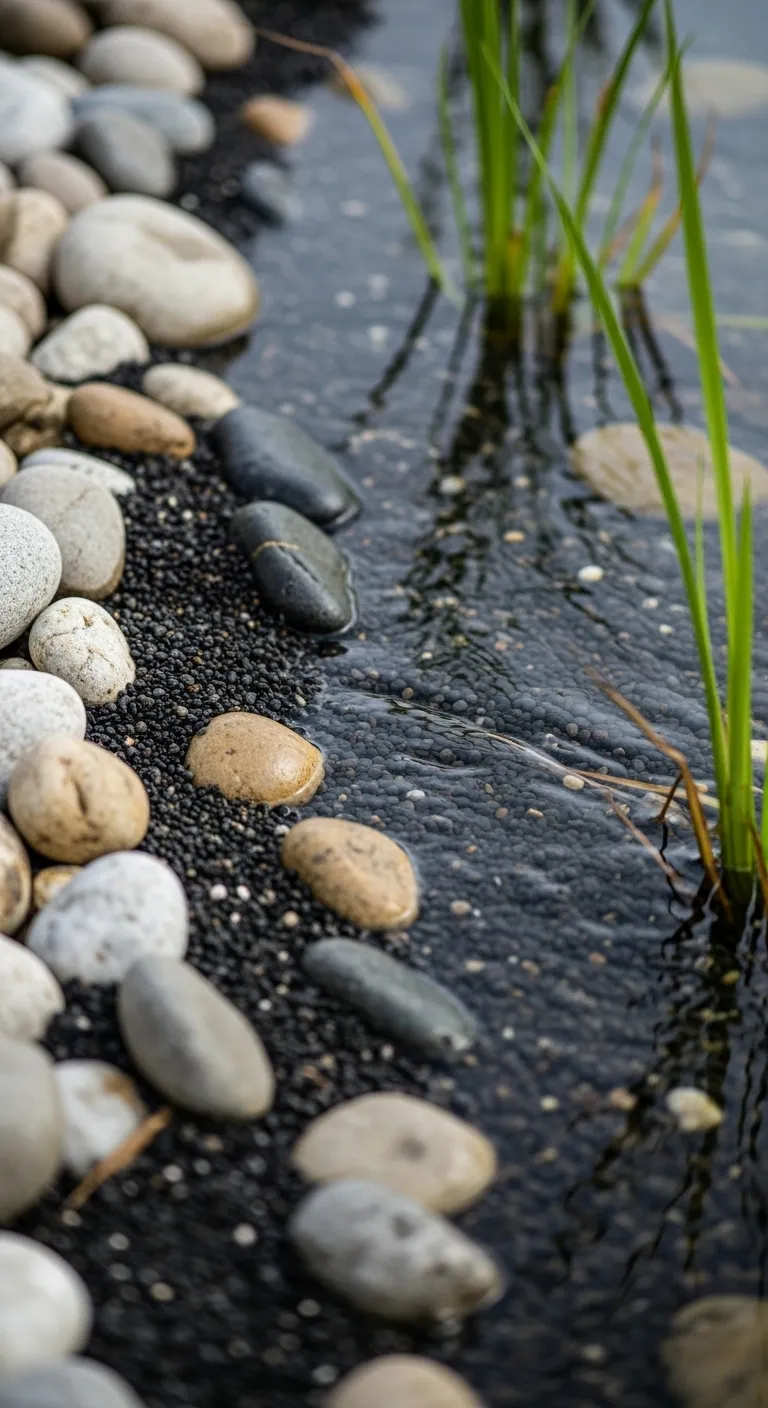
The base of your regeneration zone relies on specific aggregates to house beneficial bacteria. The texture of these stones defines the pool’s character.
Water continually circulates through these porous materials. This movement allows good bacteria to colonize the rocks and digest organic debris.
For those planning efficient backyard landscaping designs, selecting local stone helps blend the pool into the environment naturally.
| Material | Visual Texture | Filtration Function |
|---|---|---|
| Washed Gravel | Smooth, multi-colored, organic look | Provides surface area for bacteria; stabilizes plant roots. |
| Zeolite | Pale, angular, modern industrial vibe | Absorbs ammonia directly; polishes water clarity effectively. |
| Lava Rock | Dark, porous, rustic contrast | Extremely high surface area for maximum biological filtration. |
Planting for Function and Flow
Aquatic plants are the visible stars of the regeneration zone. They consume excess nutrients that would otherwise feed unwanted algae blooms.
Incorporate marginal plants like rushes to create height and separation. They act as a beautiful natural yard divider between the swim zone and the garden.
Submerged oxygenators are less visible but vital for water quality. They breathe oxygen into the water during the day, keeping it fresh and sparkling.
A natural pool isn’t just a swimming spot; it’s a living garden that invites you to dive in.
Floating plants, such as water lilies, offer essential shade for the water surface. This shade regulates temperature and prevents the water from overheating.
The result is a cool, chemical-free swim experience. The water feels soft on the skin and smells like a fresh river rather than chlorine.
The Natural Builder’s Secret
- Strictly adhere to the 50/50 ratio during layout planning; reducing the regeneration zone below 50% often compromises water clarity and increases maintenance needs.
- incorporate high-porosity aggregates like lava rock or zeolite in your filtration bed to maximize the surface area available for water-cleansing bacteria.
- Deploy floating plants like water lilies in the regeneration zone to provide essential shade, which naturally regulates water temperature and inhibits aggressive algae growth.
Blueprint Idea 1: The Organic EPDM Liner Pond for Small Budgets
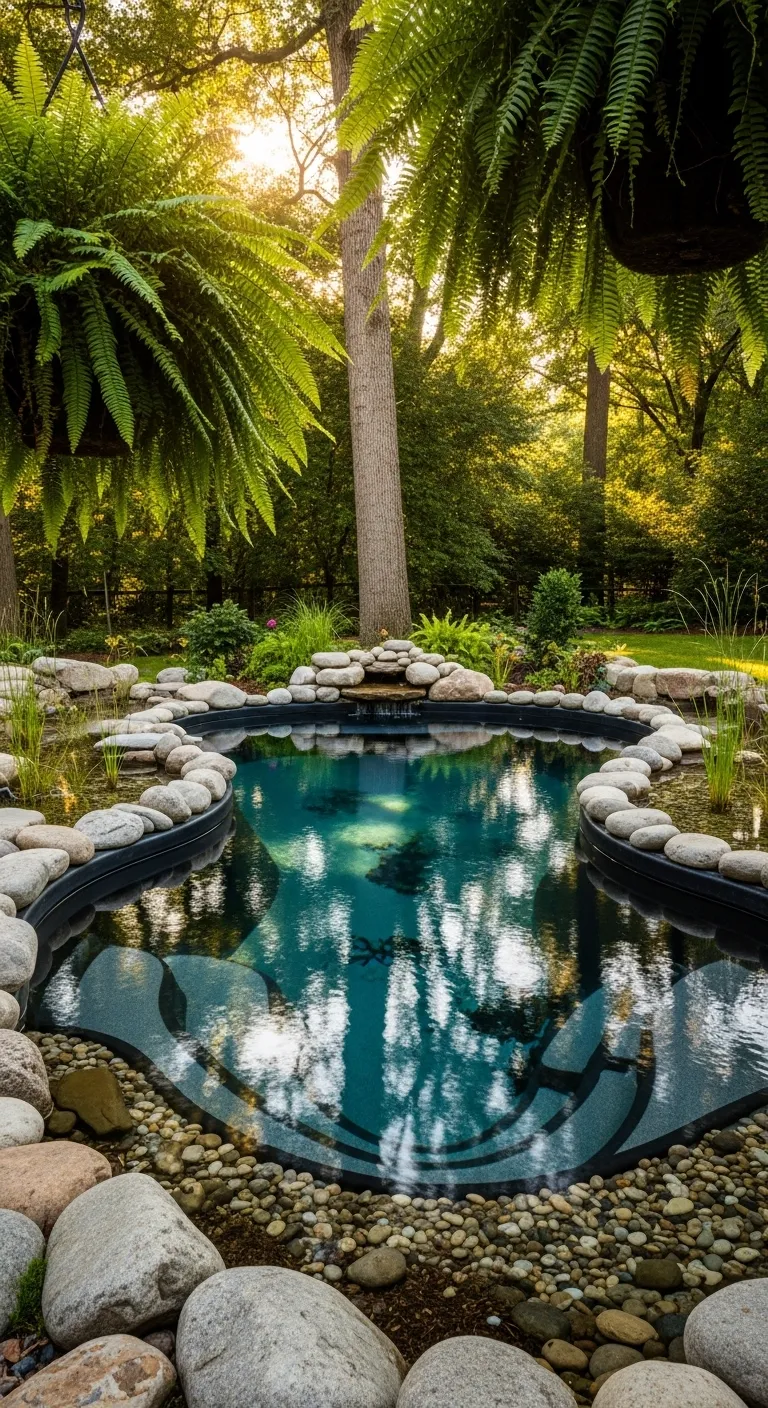
Creating a natural swimming oasis does not require a massive construction crew. The use of an EPDM liner is the secret to organic shapes.
This synthetic rubber material is flexible, durable, and surprisingly affordable. It allows you to dig a free-form hole that mimics a wild pond.
Visually, the black liner creates the illusion of infinite depth. The dark bottom reflects the sky and overhanging branches like a mirror.
True luxury is a private dip in a pool that feels like a secluded lagoon rather than a concrete box.
To achieve a seamless look, you must hide the liner edges completely. Use varied sizes of river rock and flat flagstones to cover the rubber lip.
Integrating this water feature into your existing layout is easier than you think. You can blend it with Chic & Easy Backyard Landscaping Designs on a Budget to create a cohesive retreat.
Key Construction Elements
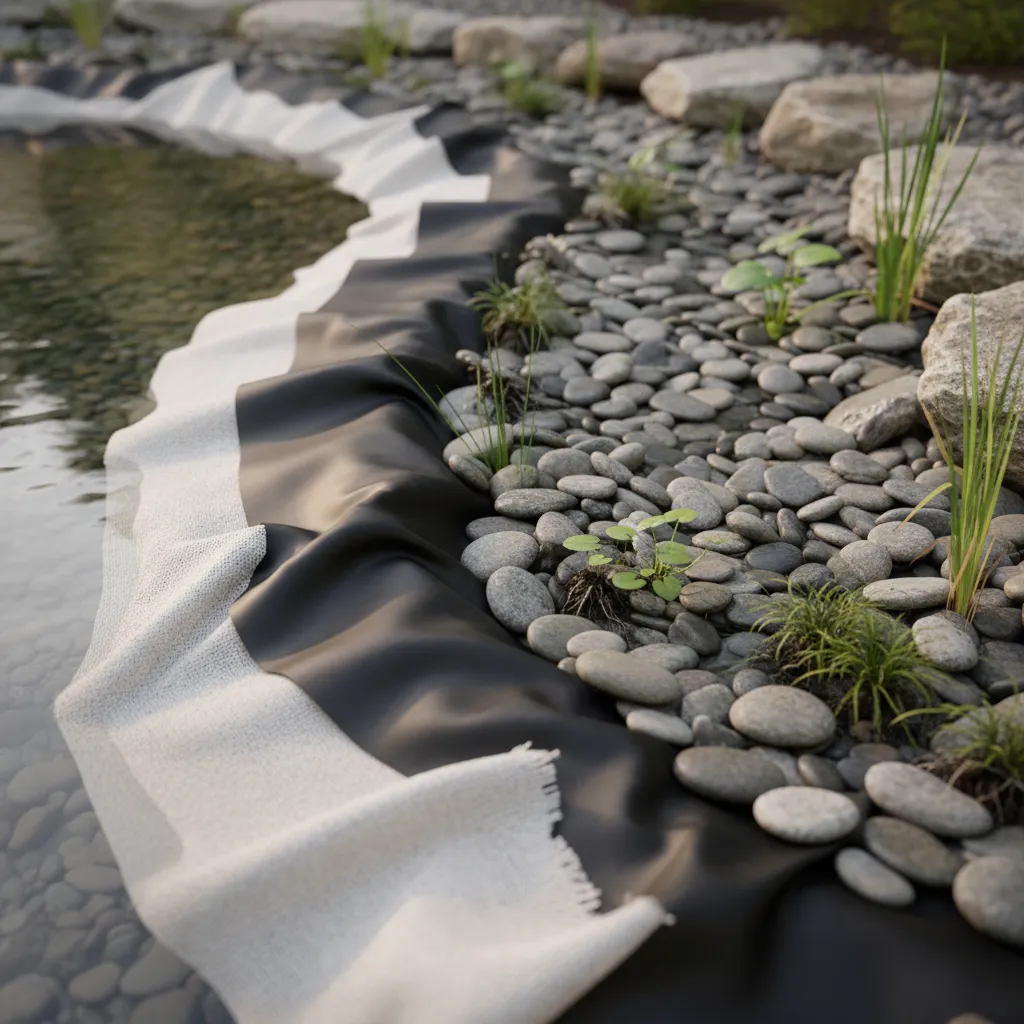
Functionality relies on proper excavation techniques. You should dig “shelves” or steps into the earth rather than a straight vertical drop.
These shelves hold gravel and aquatic plants, which are vital for filtration. The plants consume excess nutrients and keep the water clear naturally.
For privacy around your new lagoon, consider adding structure. Implementing 15 Beautiful Yard Divider and Fence Ideas for Every Backyard helps create a secluded vignette.
Texture plays a huge role in the atmosphere here. Contrast the smooth, cool water with rough limestone boulders and soft, feathery ferns.
The most important part of a liner pond is the underlayment. Always use a high-quality geotextile fabric to protect the rubber from sharp roots and rocks below.
The Editors, Family Handyman
Durability is a major benefit of EPDM. It resists UV damage and temperature fluctuations, making it a long-term solution for DIY natural swimming pool ideas.
Ensure you plan for water circulation. A small solar pump can move water through a gravel filter, creating a gentle, relaxing trickle sound.
Essential Materials Checklist
Before breaking ground, gather these core components to ensure a smooth workflow.
| Material Category | Specific Items Needed | Function |
|---|---|---|
| Containment | 45 mil EPDM Liner, Geotextile Underlayment | Waterproofing and puncture protection. |
| Filtration | Washed Gravel, Solar Pump, Bio-falls box | Biological cleaning and water circulation. |
| Aesthetics | River Rock, Flagstone, Aquatic Plants | Hides liner and integrates into landscape. |
| Structural | Sand (for leveling), PVC Piping | Base stability and plumbing connections. |
This approach allows you to build the pool in stages. You can excavate one weekend and install the liner the next, spreading out the physical labor.
The result is a tranquil, custom-shaped body of water. It serves as a cooling dip pool in summer and a stunning reflective feature in winter.
Eco-Builder Pro Tips
- Let your EPDM liner sit in the sun for 30 minutes before installation to make it more pliable and easier to mold into the curves of your excavation.
- Dig your planting shelves with a slight inward slope to keep gravel and aquatic plant containers from sliding toward the deeper center area.
- Extend the liner at least 12 inches beyond the pond edge and secure it in a shallow ‘anchor trench’ filled with heavy stones to prevent the rubber from shifting over time.
Blueprint Idea 2: The Formal Concrete Tank with Separate Wetland Filter
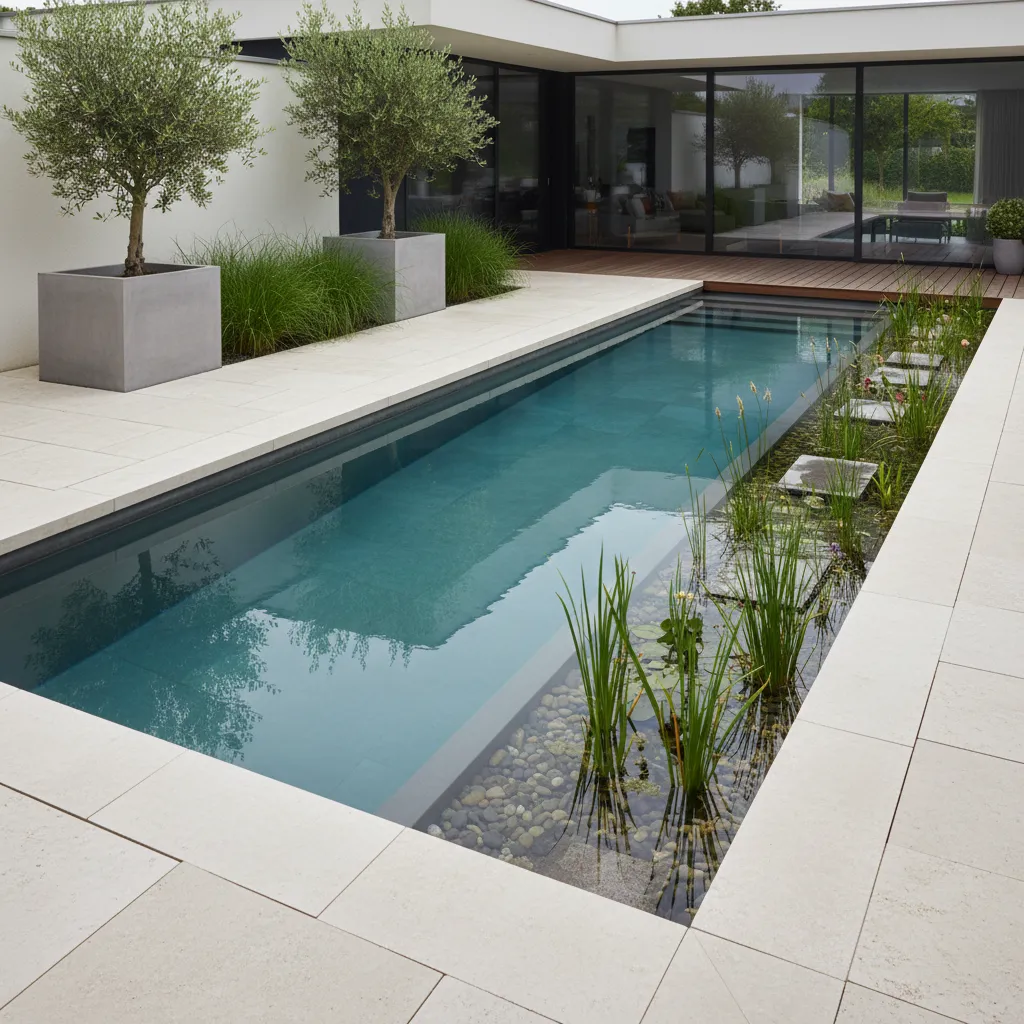
This design blueprint is for the homeowner who loves the concept of chemical-free water but prefers a structured, modern aesthetic over a pond-like appearance.
The “Formal Tank” separates the swimming area from the regeneration zone using a physical barrier. This creates a clean, architectural look that fits contemporary homes.
You essentially build two distinct boxes. One is a deep vessel for swimming, and the other is a shallow gravel bed for aquatic plants to do their work.
Architecture meets ecology: where clean lines frame living water.
Constructing the Split System
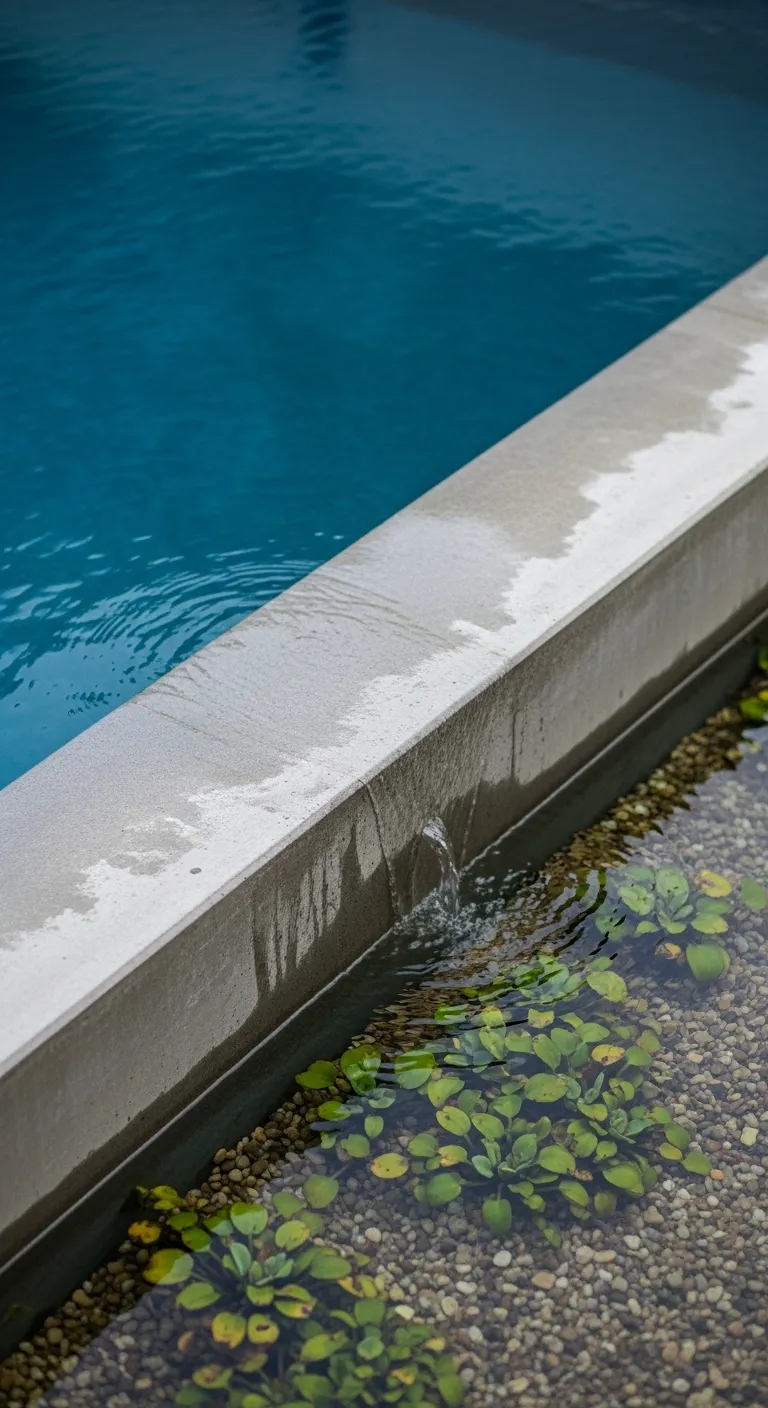
The magic of this design lies in the plumbing. Water is pumped from the swim tank into the wetland area, where it percolates through layers of gravel and roots.
Once filtered, the water cascades back into the main pool. This creates a soothing auditory backdrop of running water, enhancing the sensory experience.
Using raw concrete or grey blockwork offers a cool, industrial texture. This contrasts beautifully with the soft, organic forms of cattails and water lilies.
If you are planning the layout of your backyard, consider how this rectangular shape aligns with your home’s footprint. This approach often mirrors the geometry found in modern villa summer architecture.
Key Components for Success
To ensure this system functions correctly, you must manage the flow rate carefully. The water needs to move slowly enough for the biological filter to process nutrients.
- The Swim Vessel: A waterproofed concrete box, typically 6-8 feet deep, devoid of soil or gravel to keep the swimming floor smooth and clean.
- The Partition Wall: A submerged or slightly raised wall that keeps the filter gravel from spilling into the swim zone while allowing water to circulate.
- The Skimmer: A mechanical device placed downwind to catch floating leaves before they sink and decompose on the pool floor.
- The Decking: Surround the hard concrete edge with warm timber. Ipe or teak wood adds a soft tactile element underfoot for swimmers exiting the water.
The regeneration zone is not just a filter; it is a living ecosystem. For the water to remain clear, this zone must act as a nutrient sink, outcompeting algae for food.
Patrick Nadeau, Architectural Digest
For the surrounding area, focus on relaxation. Since the pool has a clean edge, you can place furniture right up to the water without worrying about mud.
Consider installing a suspended seat nearby. A stylish hanging chair can turn a corner of the deck into a perfect reading nook. You can find inspiration in DIY modern outdoor swing design ideas to complement the sleek pool lines.
The “Formal Tank” brings you the best of both worlds. You get the hygiene and clarity of a traditional lap pool with the soft, silky water quality of a mountain lake.
The Architect’s Edge
- Install a variable-speed pump to precisely control the flow rate; slower water movement ensures the wetland microbes have sufficient contact time to effectively strip nutrients.
- Maintain the minimalist aesthetic by choosing vertical, structured aquatic plants like Horsetail or Pickerelweed that echo the geometric lines of the concrete structure.
- Apply a dark-charcoal waterproof coating to the swim vessel’s interior to create a sophisticated mirror effect while camouflaging minor organic sediment on the floor.
Blueprint Idea 3: Converting a Stock Tank into a Natural Plunge Pool
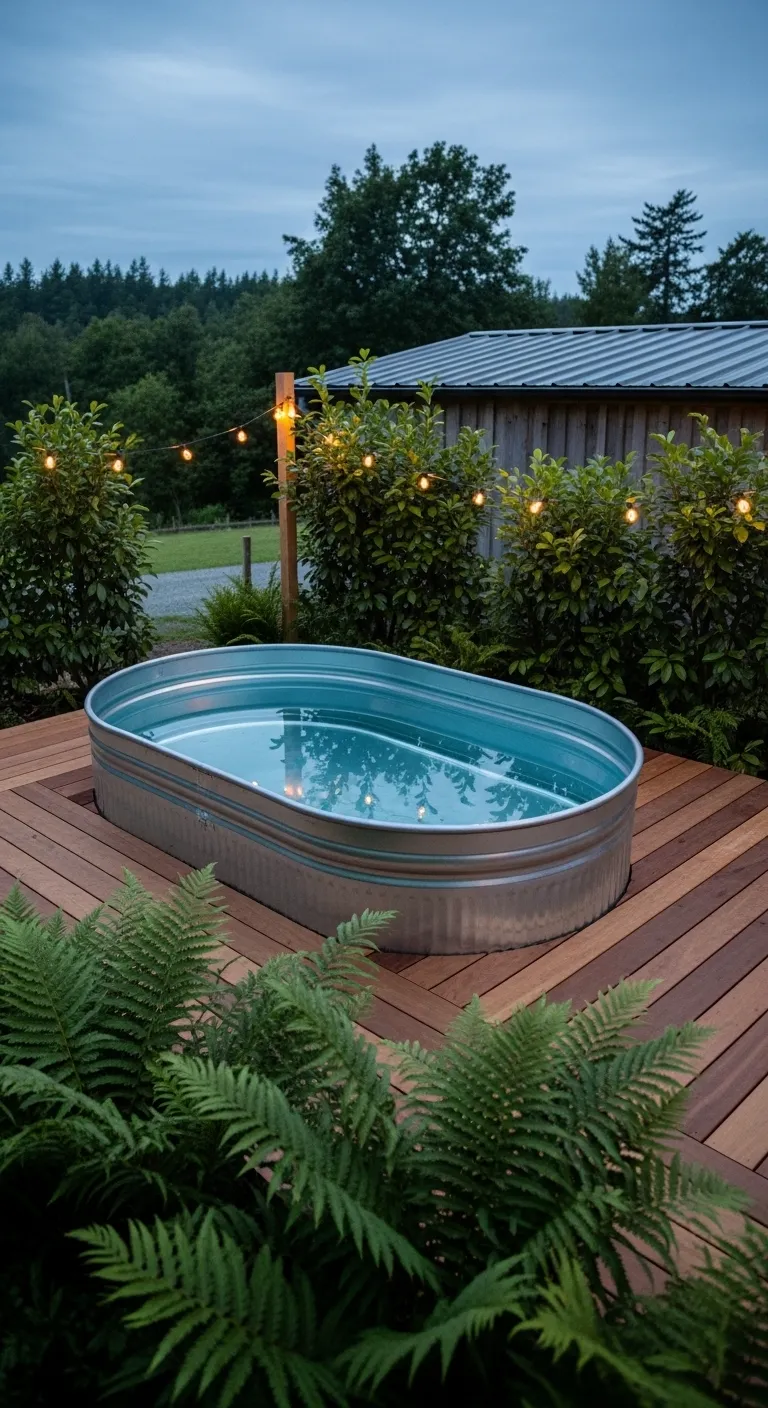
For a rustic yet modern aesthetic, the stock tank pool is a top contender. Originally for livestock, these galvanized steel tubs offer charm.
They are incredibly durable and budget-friendly. This makes them an accessible entry point for DIY enthusiasts wanting a water feature.
Imagine the cool touch of metal against warm cedar decking. Sunlight reflects off the water, creating dancing patterns on the rim.
It feels intimate, like a private spa tucked in a secret garden. The spatial flow works best in compact urban yards or cozy patio corners.
True luxury is not about the size of the pool, but the tranquility of the water.
Setting the Foundation
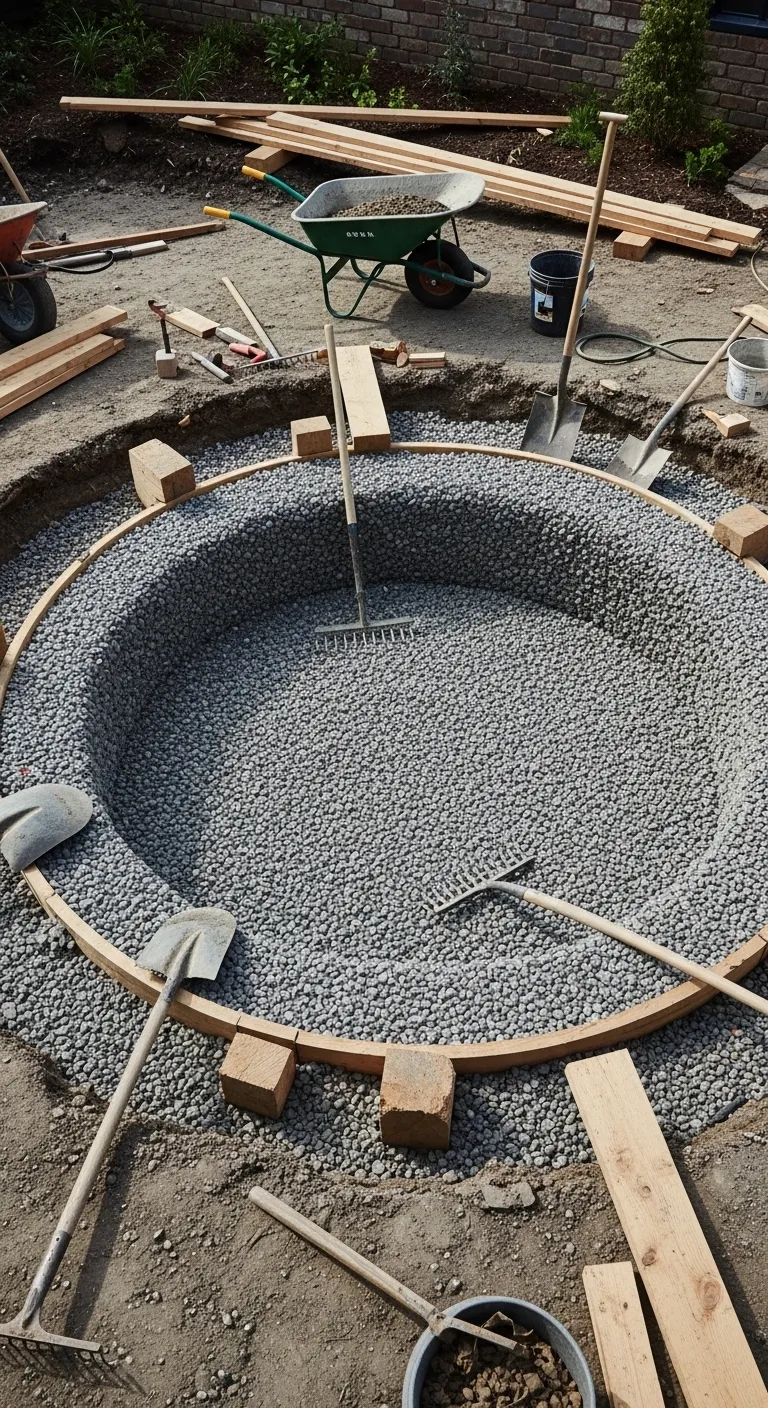
The most critical step is creating a level base. A tank full of water is extremely heavy and can settle unevenly without support.
Use compacted pea gravel or a concrete slab. This ensures the structure remains stable and prevents the metal from warping over time.
Consider the surrounding area as an extension of your living space. You can draw inspiration from stunning rooftop garden modern terrace designs ideas for decking layout.
The Natural Filtration Hack
To keep it “natural” and avoid harsh chemicals, you must build a biological filter. This usually involves a secondary, smaller vessel.
Water is pumped from the main tank into a bog filter. This smaller container is filled with gravel and specific aquatic plants.
The plants consume excess nutrients, while the gravel houses beneficial bacteria. This mimics the cleaning cycle of a natural pond.
You can use large planters for this filtration system. Look into 30 best fall plant pot ideas for seasonal home decor to find vessels that match your aesthetic.
The key to a natural pool is the regeneration zone. It acts as a living kidney for the water, removing impurities through biological processes rather than chemical ones.
David Pagan Butler, Mother Earth News
Essential Components for Conversion
Converting a stock tank requires specific hardware. This list breaks down the non-negotiable items for a functional system.
| Component | Function | Material Suggestion |
|---|---|---|
| Tank Body | Holds the water volume. | Galvanized Steel (8ft recommended) |
| Bog Filter | Cleans water biologically. | Small Trough or Heavy Planter |
| Submersible Pump | Circulates water to filter. | Variable Speed Eco-Pump |
| Filter Medium | Houses healthy bacteria. | Expanded Clay Pellets or Lava Rock |
| Interior Sealer | Prevents rust (optional). | Rubberized Paint or Epoxy |
Styling for Atmosphere
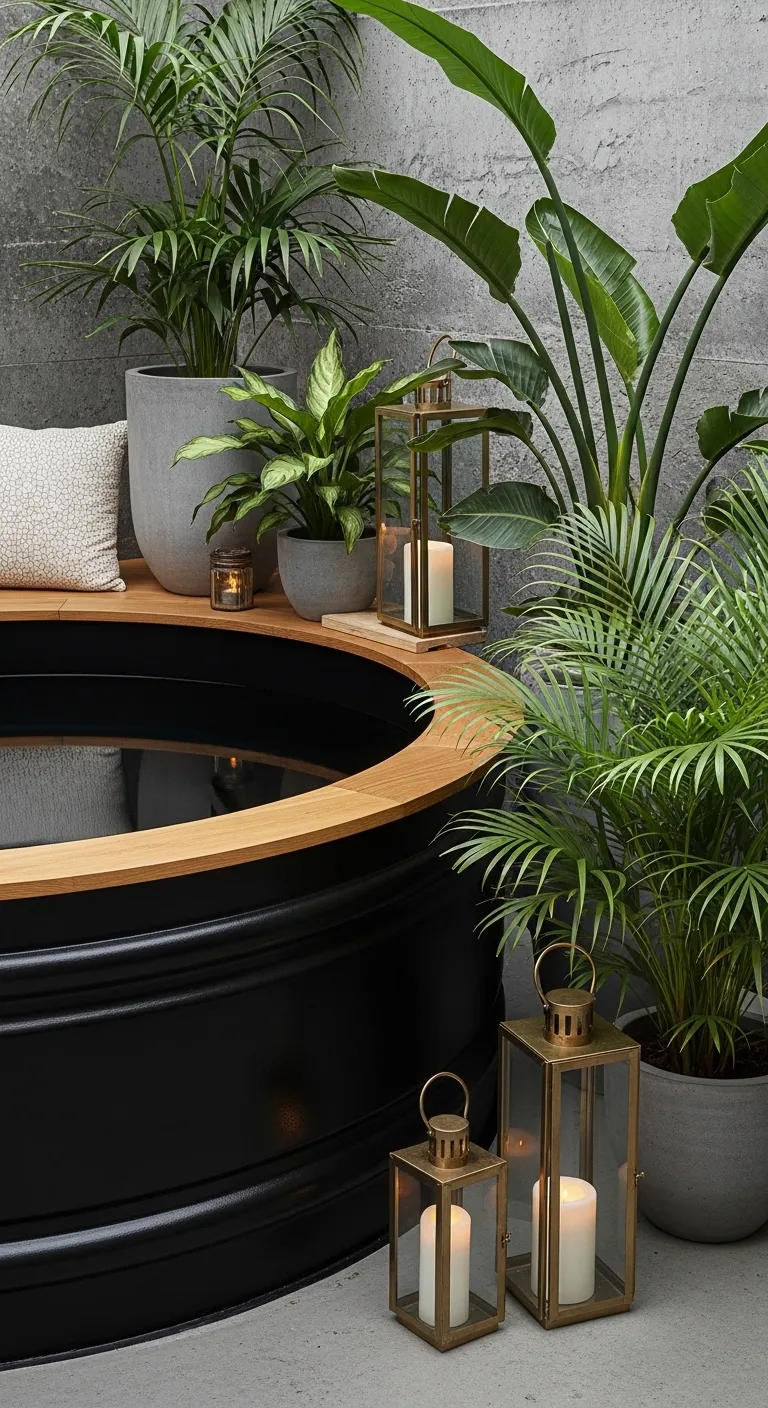
A bare metal tank can look too industrial for some tastes. Soften the edges with a custom wooden rim that doubles as a drink shelf.
Paint the exterior black to absorb heat. This passive solar heating keeps the water comfortable without expensive heaters.
Surround the area with tall grasses or bamboo. This adds privacy and enhances the organic, hidden-oasis vibe of the plunge pool.
Plunge Pool Playbook
- Apply a marine-grade epoxy or rubberized sealant to the interior seams and bottom before filling to prevent corrosion and extend the tank’s lifespan indefinitely.
- Install a magnetic pool light against the interior steel wall for an instant evening ambiance without the need for permanent drilling or complex electrical modifications.
- Place a layer of rigid foam insulation beneath the tank during the leveling phase to prevent heat loss through the ground and keep your soak warmer for longer.
Vital Vegetation: Selecting Plants for Climate-Specific Bio-Filtration
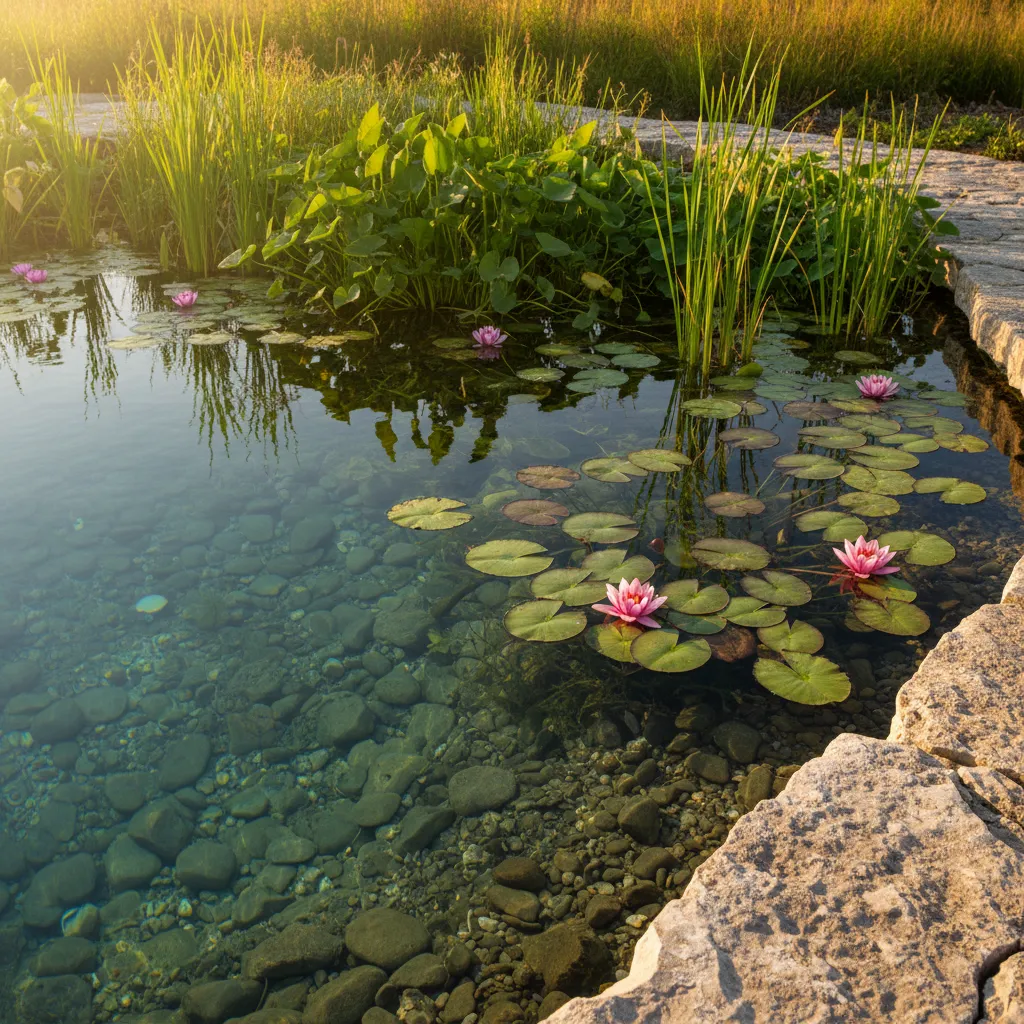
The regeneration zone is the biological heart of your natural pool. It acts as a living filter that keeps the water pristine and safe for swimming.
This planted area should ideally cover fifty percent of the total surface. It utilizes nature rather than harsh chemicals to clarify the water.
Visually, this zone creates a seamless flow between the water and your garden. The texture of tall rushes against flat water creates a calming vignette.
Functionality is key here. The roots of these plants house beneficial bacteria. These bacteria consume the nutrients that algae would otherwise eat.
Design a pool where the water feels like a secret lagoon, not a chemical bath. Let nature do the heavy lifting.
Oxygenators and Floating Flora
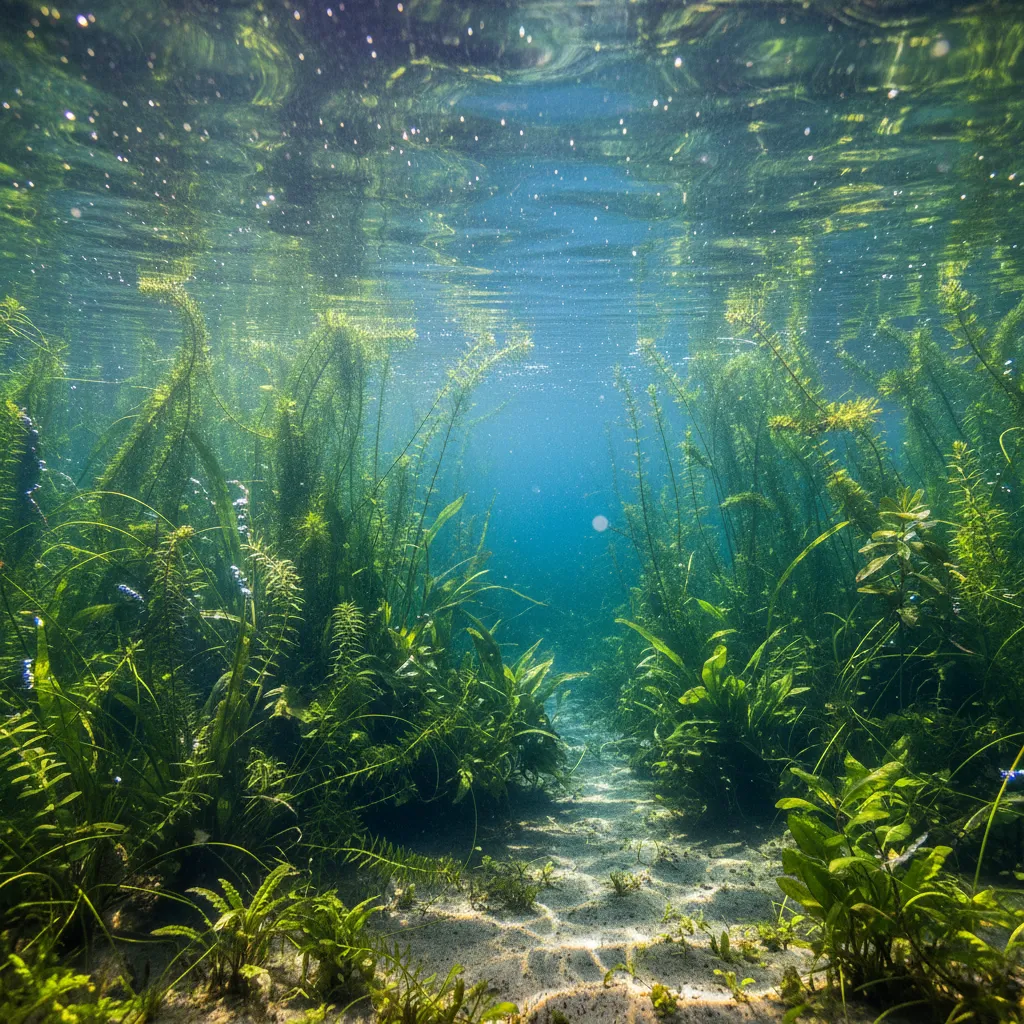
Submerged plants are the workhorses of the ecosystem. Varieties like Hornwort or Elodea stay underwater and pump oxygen directly into the pool.
These plants provide a fern-like texture beneath the surface. They are essential for maintaining a healthy aerobic environment for good bacteria.
Floating plants like Water Lilies offer crucial shade. They cool the water temperature, which naturally slows down aggressive algae growth.
Incorporating these layers connects your water feature to your broader landscaping ideas. It ensures a cohesive look across the yard.
The key to a successful natural pool is the balance between the planted zone and the swimming zone. The plants strip nutrients from the water, starving algae and keeping the water clear.
James Scott, Homes & Gardens
Climate-Specific Plant Selection
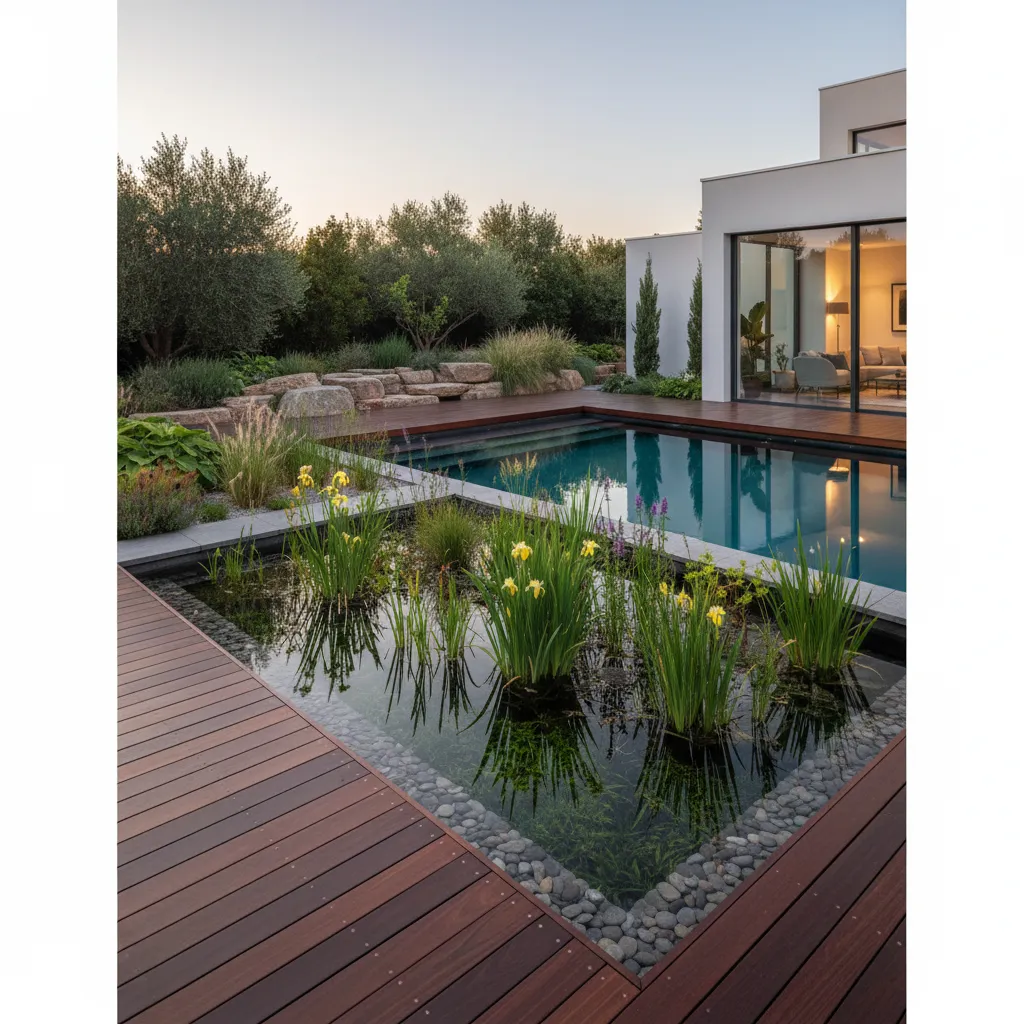
Your local climate dictates which bio-filters will survive winter. Native plants are always the most resilient choice for low-maintenance filtration.
In warmer zones, you can utilize broad-leafed tropicals like Taro. These add a dramatic, sculptural element to the pool edge with their massive leaves.
For cooler climates, hardy perennials are necessary. Marsh Marigolds provide early spring color and withstand freezing temperatures without dying back.
Some aquatic blooms are stunning enough to be used for flower decoration ideas inside. Bringing clippings indoors connects your interior to the exterior.
To assist in your planning, here is a breakdown of plant types based on their specific filtration role and aesthetic contribution.
| Plant Category | Primary Function | Aesthetic & Texture | Best Placement |
|---|---|---|---|
| Marginals (e.g., Rushes, Sedges) | Nutrient absorption from soil | Vertical structure, linear lines | Shallow edges (0-6 inches deep) |
| Deep Water (e.g., Water Lilies) | Shading & cooling water | Flat, floating pads, focal points | Central plant zone (18+ inches) |
| Oxygenators (e.g., Hornwort) | Releasing oxygen, clarifying | Feathery, dense underwater volume | Submerged fully in deep zones |
| Bog Plants (e.g., Iris, Pitcher Plant) | Filtration of runoff water | Lush foliage, bright pops of color | Wet soil at the pool perimeter |
Always consult a local nursery for invasive species warnings. Some effective filters can overtake a pond if not contained properly in baskets.
Layering these plants creates a visual hierarchy. It moves from low floating pads to high architectural reeds, enhancing the spatial flow of the garden.
Eco-Design Secrets
- Contain aggressive spreaders by planting them in perforated aquatic pots or baskets. This keeps the regeneration zone organized and makes dividing plants significantly easier.
- Stick to the 50/50 ratio: ensure the planted regeneration zone equals the size of the swimming area to guarantee the ecosystem has enough biological power to process nutrients and starve algae.
- Match plants to your hardiness zone. Prioritizing local natives ensures your bio-filter survives winter freezes or summer heatwaves without requiring constant replacement.
Your Personal Lagoon Awaits
Building a natural swimming pool creates a sanctuary, not just a place to swim. It merges sophisticated design with the raw beauty of a biological ecosystem.
By respecting the regeneration zone rules and choosing the right plants, you ensure crystal-clear water without harsh chemicals. It is a sustainable choice.
Whether you opt for a budget-friendly liner or a sleek concrete finish, the result is the same: cool, soft water that feels amazing on your skin.
Start planning your layout today. Embrace the challenge of DIY and transform your garden into a living, breathing retreat for years to come.
Natural Pool Design Dilemmas Solved
Often, yes. While excavation costs are similar, DIY natural pools save significantly on expensive pumps and chemicals. Long-term maintenance is also far cheaper.
Surprisingly, no. Moving water prevents larvae from hatching. Furthermore, the ecosystem attracts dragonflies and frogs that naturally control pests.
The 50/50 regeneration zone is key. Plants and gravel filter nutrients effectively. If designed correctly, this biological balance naturally starves algae.
Natural pools act like ponds in winter. You do not drain them. Simply trim back dead plants, shut down the pump, and let the ice form naturally.
Yes, but keep it mild. Solar heating works best. excessive heat can upset the plant balance, so aim for a gentle warmth rather than hot-tub temperatures.
