
Table of Contents
Transforming your garden into a curated sanctuary does not require a massive investment or a professional landscaping crew.
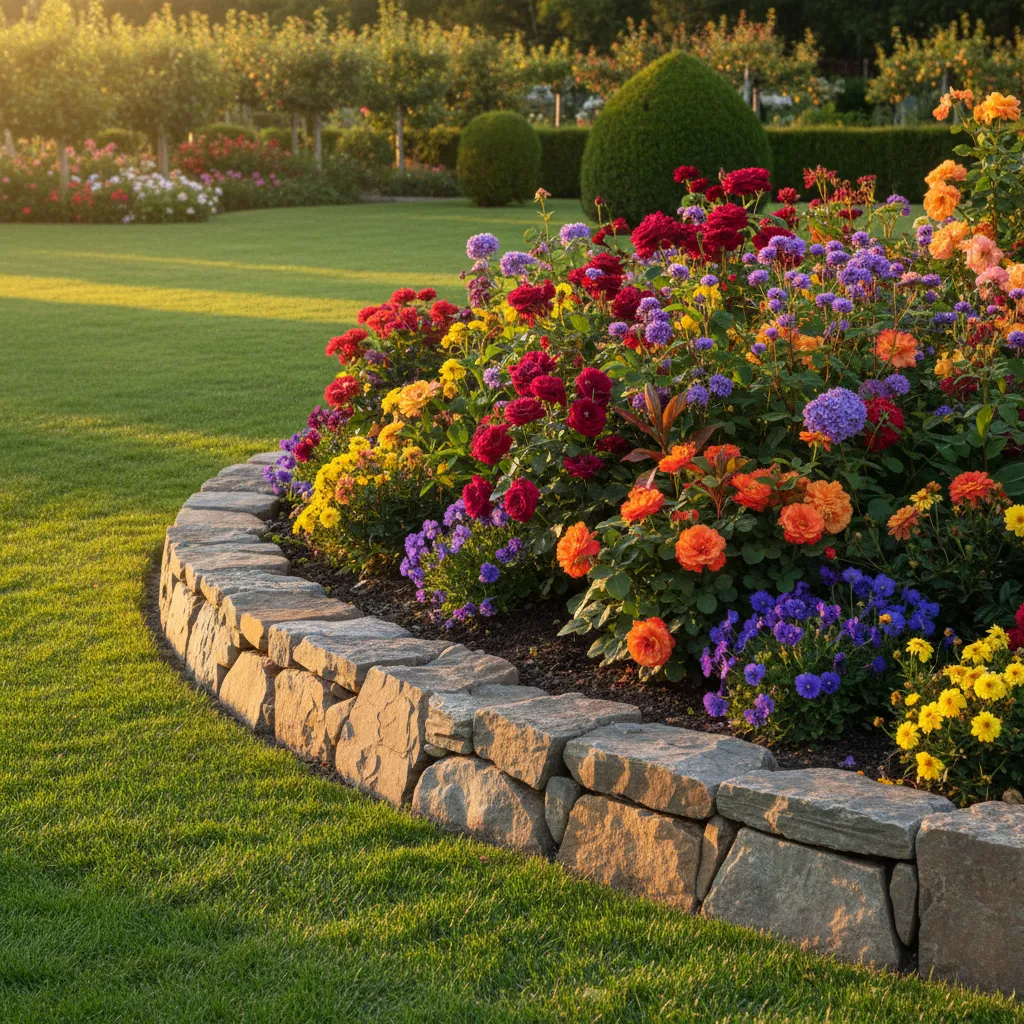
A well-defined border acts as the frame for your floral masterpiece; it provides structure and a polished finish that instantly elevates the overall aesthetic of your outdoor space.
By focusing on intentional design and simple materials, you can create a high-end look that feels both inviting and expertly styled.
Budget-friendly solutions often spark the most creative results when we look at everyday materials with a fresh perspective. From reclaimed stones to charming woven branches, these border ideas bridge the gap between functionality and visual appeal.
You can achieve a sophisticated edge without overspending, ensuring your flower beds look intentional rather than accidental.
Whether you prefer the rustic charm of natural wood or the clean lines of recycled pavers, there is a solution here to suit your personal style. These practical projects are designed for homeowners and renters alike, offering flexible ways to enhance curb appeal.
Explore these creative options to find the perfect boundary that complements your home and reflects your unique design sensibility.
Natural River Rock and Fieldstone Edging
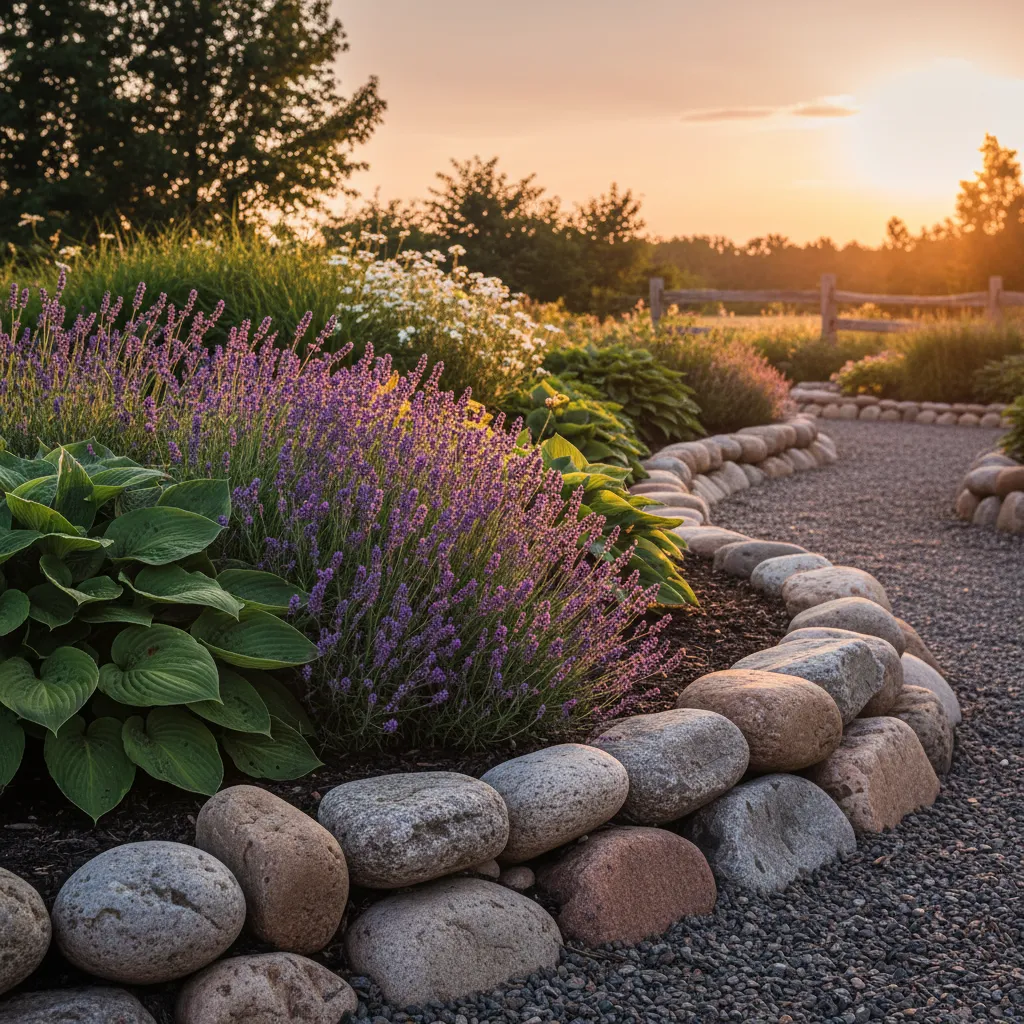
Natural stone borders create a grounded, organic atmosphere that synthetic materials cannot replicate; they feel permanent and timeless.
River rocks, with their water-smoothed surfaces, offer a serene and Zen-like quality to your garden beds. Their cool tones look elegant in any setting.
Fieldstones bring a rugged, hand-crafted feel that works perfectly for rustic or farmhouse styles. These stones feel sturdy and raw.
These materials are incredibly durable; they withstand heavy rain and frost without losing their charm or changing their structural shape.
Let the raw beauty of the earth frame your favorite blooms for a timeless garden look.
Sourcing Free Materials Locally
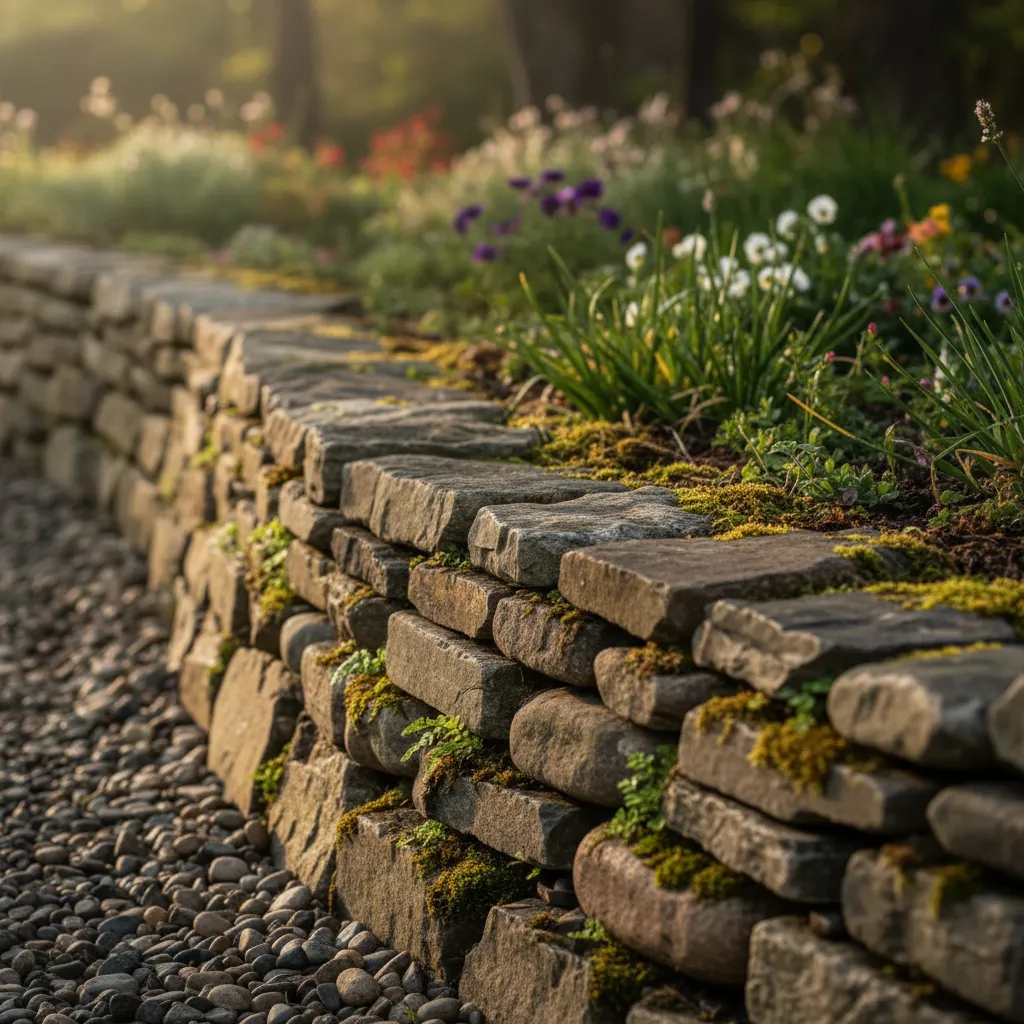
The biggest benefit of stone is the potential for zero cost. Many homeowners find usable rocks while digging in their own backyards.
Check local classifieds or construction sites for discarded rock piles; often, people are happy to let you haul away their excess stones.
Using local materials ensures your garden matches the natural landscape, which creates a seamless transition between your home and nature.
For more inspiration on saving money, explore these backyard landscaping designs on a budget to elevate your exterior.
Stone is the most permanent of all landscape materials and the one that looks most at home in the garden.
Martha Stewart, MarthaStewart.com
Creating Spatial Flow with Rock Layers
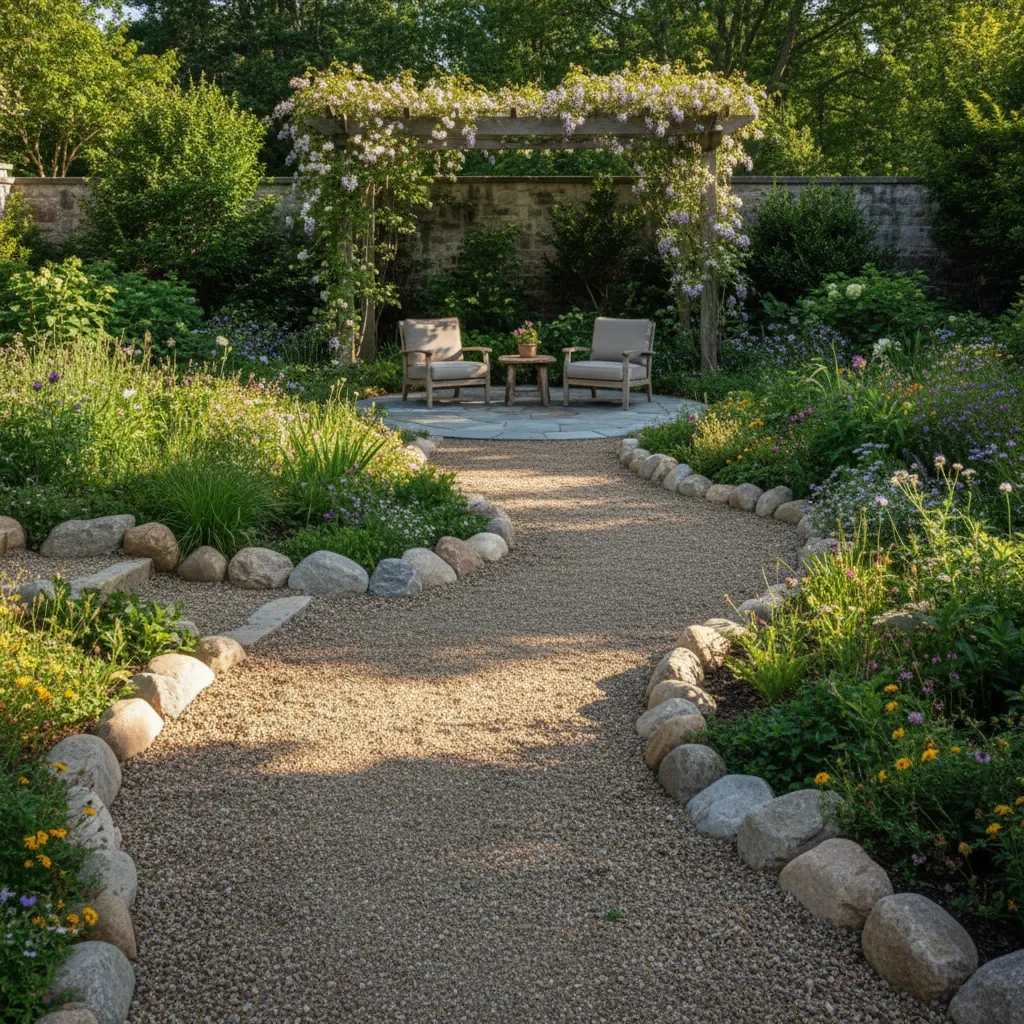
Varying the sizes of your stones adds tactile depth. Mix large anchor rocks with smaller pebbles to fill gaps and create a finished look.
This layering technique prevents soil from washing onto your lawn; it improves drainage while keeping your mulch neatly tucked inside the bed.
A curved stone border guides the eye through the space, softening the harsh lines of a house and adding a sense of movement to the yard.
If you are working with a limited area, these front yard landscaping ideas offer great advice on using stone effectively.
| Stone Type | Visual Texture | Best Garden Style |
|---|---|---|
| River Rock | Smooth, rounded, and cool-toned. | Modern, Zen, or Minimalist. |
| Fieldstone | Angular, rugged, and earthy. | Cottage, Farmhouse, or Rustic. |
| Cobblestone | Uniform, vintage, and sturdy. | Traditional or Colonial. |
Heavy stones act as a natural barrier against weeds, staying in place much longer than plastic or wood edging options do over time.
Placement is key for functionality; dig a shallow trench before laying your stones to ensure they sit firmly and do not shift during rain.
Natural Edge Secrets
- Dig a two-inch trench before laying your stones to nestle them into the earth, preventing movement and creating a more professional, integrated look.
- Place a strip of landscape fabric beneath your stones to suppress weed growth and prevent smaller river rocks from sinking into the soil over time.
- Use a mix of sizes by placing large anchor stones first, then tucking smaller pebbles into the gaps to create a natural, multi-dimensional appearance.
Upcycled Glass Wine Bottle Borders
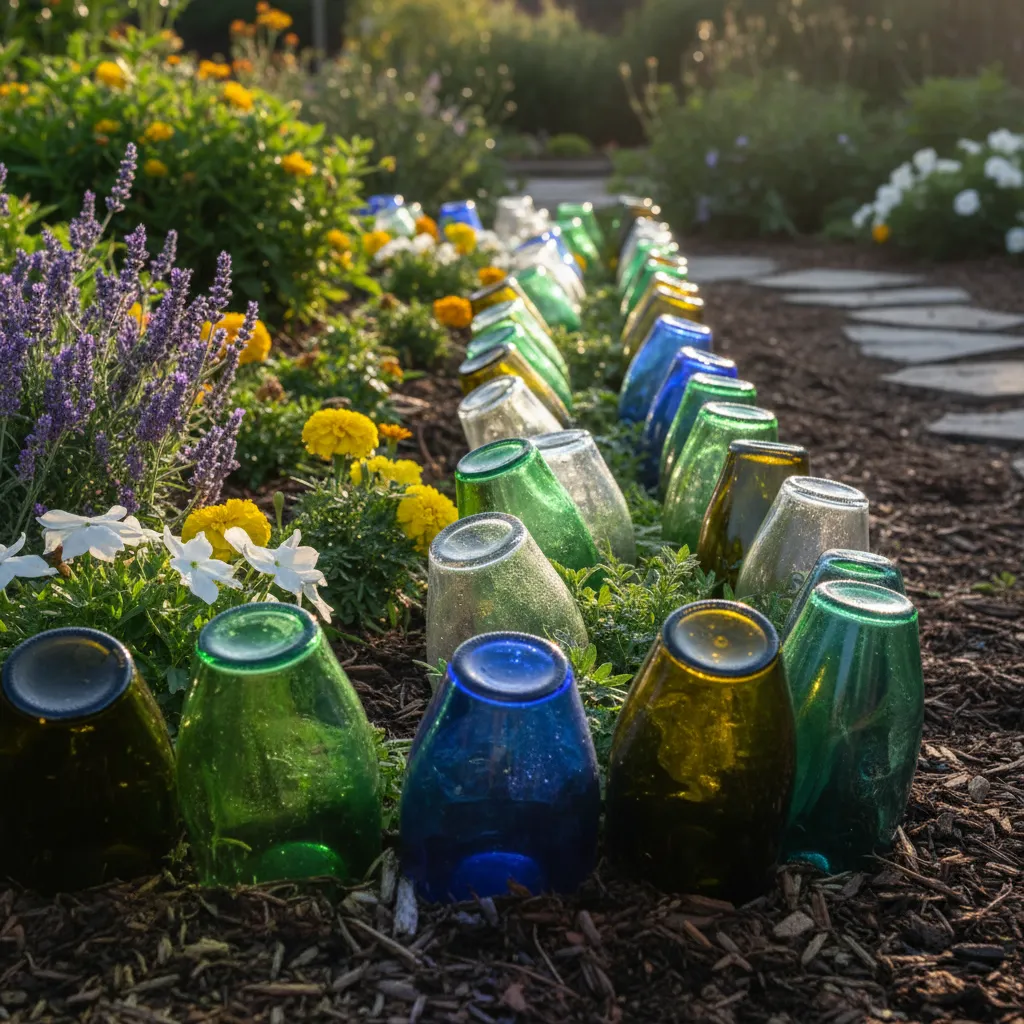
Upcycling glass bottles is an eco-friendly way to add flair. The glass acts as a prism, scattering soft light across your flower beds.
This method is incredibly cost-effective; it repurposes waste into a durable barrier that keeps soil in place during heavy rain.
Selecting and Prepping Your Bottles
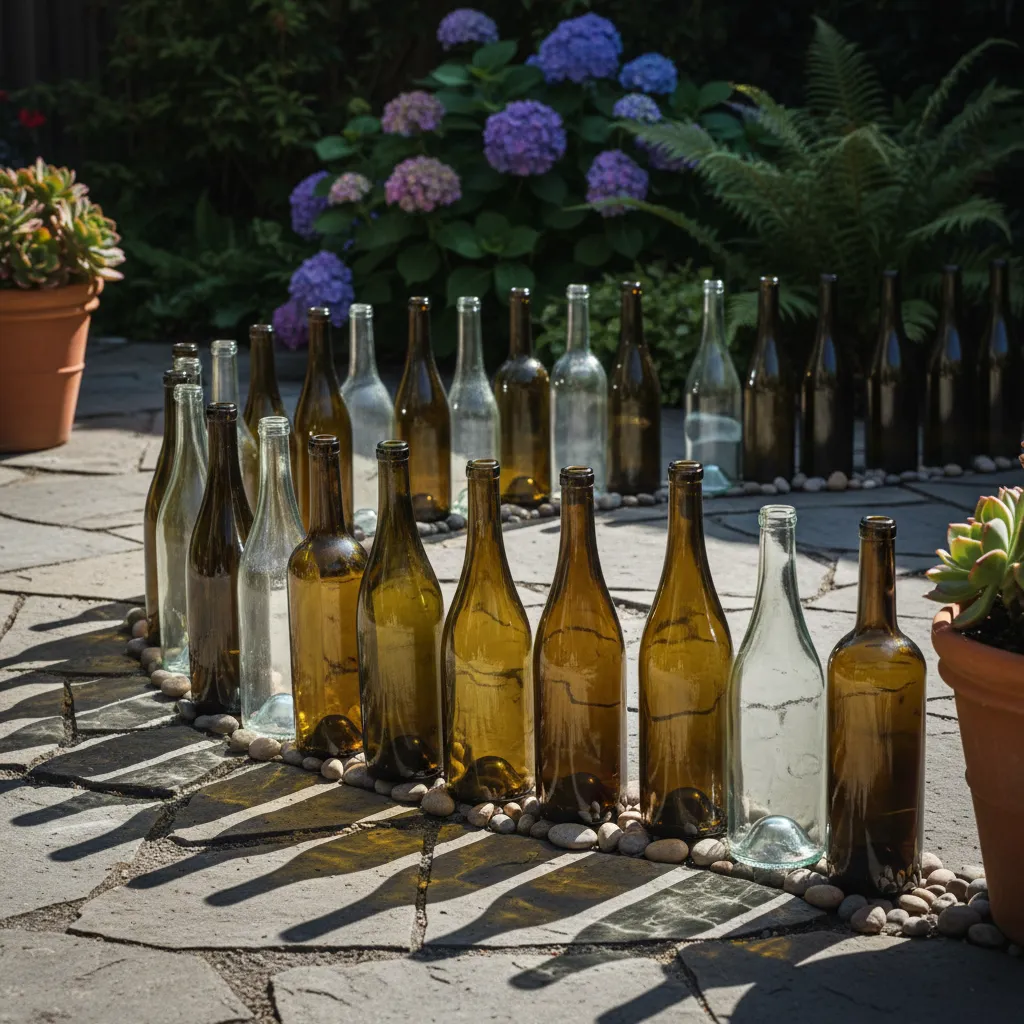
Choose bottles with rich colors like deep emerald or amber, as these organic tones blend beautifully with lush greenery and dark mulch.
Remove labels for a cleaner look by soaking them in warm water; this simple step ensures your garden maintains a curated, high-end feel.
Installation Techniques for Flow
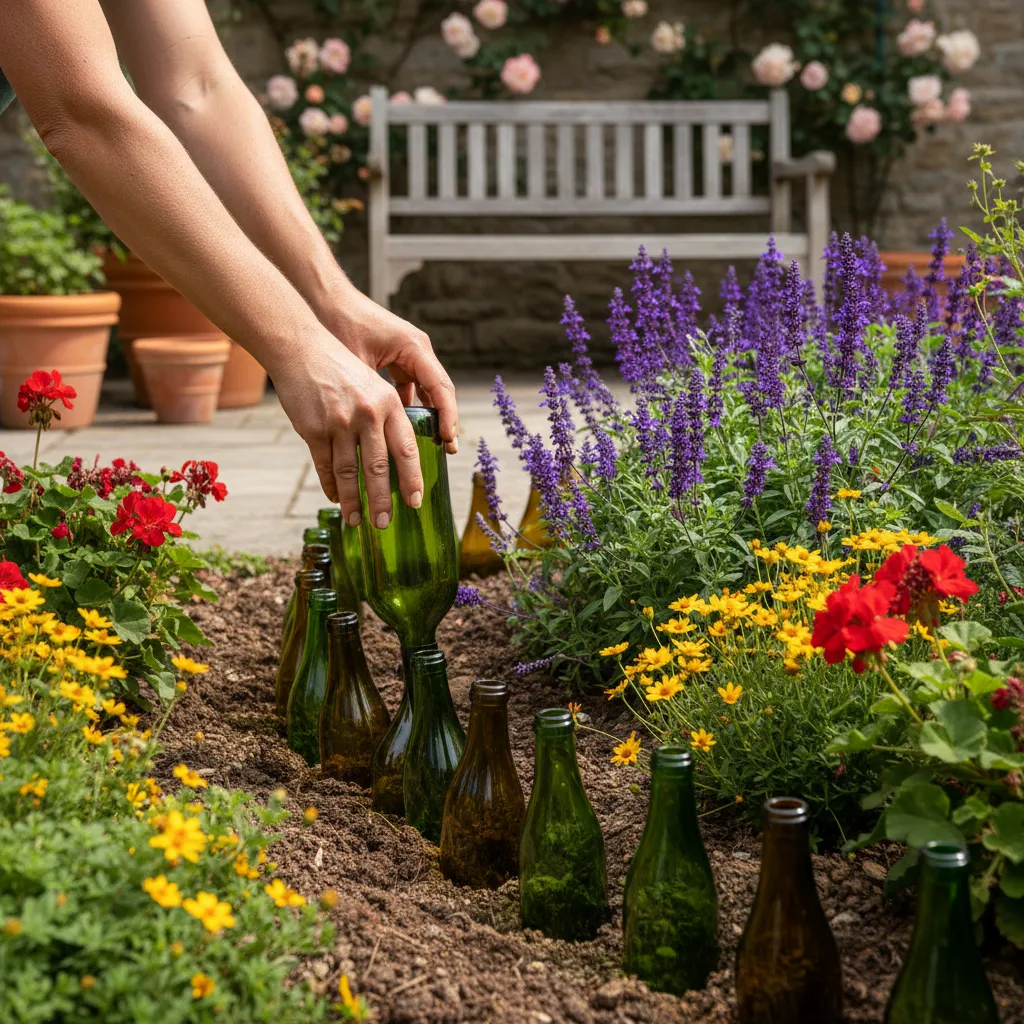
Dig a trench about six inches deep and place bottles neck-down for stability. This creates a uniform height that defines the spatial flow.
A clear border makes a yard feel spacious; these bottles improve small front yard landscaping by adding height and light.
Pair this project with other chic backyard landscaping designs to create a cohesive and stylish outdoor retreat.
Pack soil tightly around the bases to prevent shifting; this results in a sturdy edge that withstands lawn mowers and foot traffic.
- Choose bottles with matching heights for a clean line.
- Deeply bury the necks to ensure the border stays upright.
- Mix blue and green glass for a coastal, airy atmosphere.
- Use a rubber mallet to gently tap bottles into the soil.
Visual Impact and Color Theory
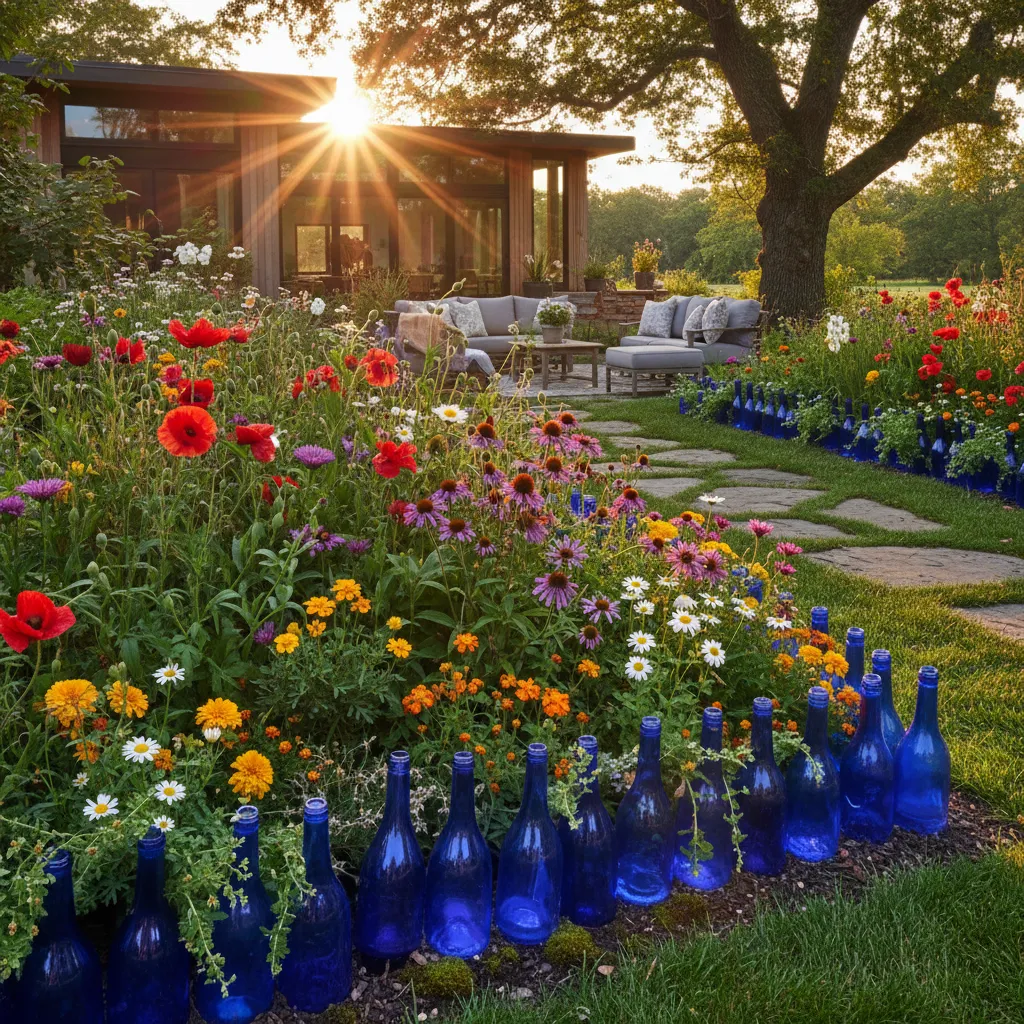
Monochromatic blue bottles create a serene vibe, while mixing colors offers a playful, eclectic look that adds tactile depth to your landscape.
The smooth glass texture contrasts elegantly with raw wood mulch. This balance makes your garden feel like a designed sanctuary.
The reuse of glass bottles in the garden is a brilliant way to add color and light without spending a dime.
Jan Johnsen, Gardening with Jan
Upcycling transforms everyday waste into a curated garden focal point that captures the sun.
Sustainable Style Secrets
- Fill bottles with sand or water before burying them to provide extra weight and prevent shifting during heavy frost or rain.
- For stubborn adhesive residue, use a paste of baking soda and cooking oil to achieve a perfectly clean, professional look.
- Incorporate solar-powered fairy lights into a few clear bottles to create a soft, magical glow along your garden path at night.
Reclaimed Red Brick Trench Edging
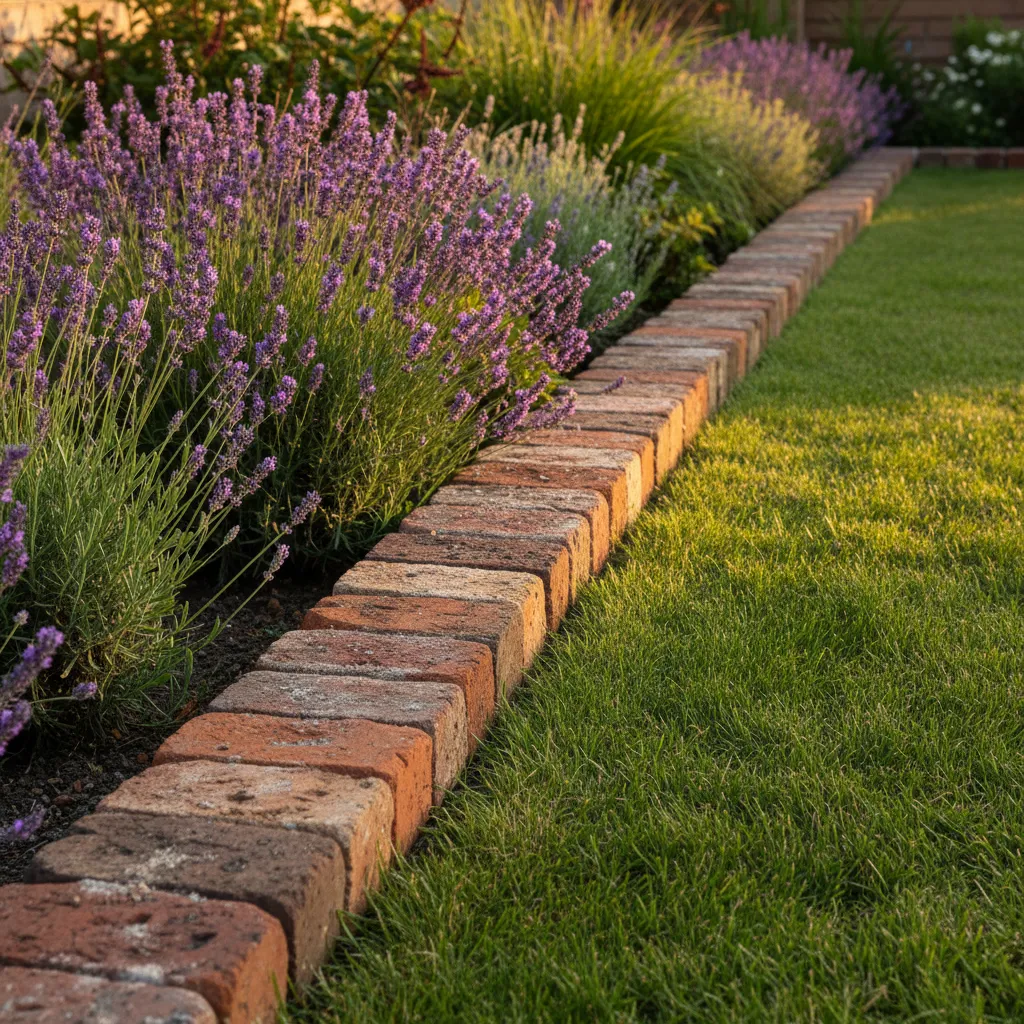
Reclaimed red bricks bring a sense of history to your yard. Their weathered clay texture adds instant character while providing a sturdy, organic barrier for any bed.
Using salvaged materials is a smart way to find beautiful yard divider ideas without a high price tag; these bricks feel warm and grounded.
Garden edges should be crisp and clean. Brick offers a timeless, tactile boundary that beautifully grounds colorful floral blooms.
Bunny Williams, Bunny Williams Interior & Garden Design
The Classic Trench Installation
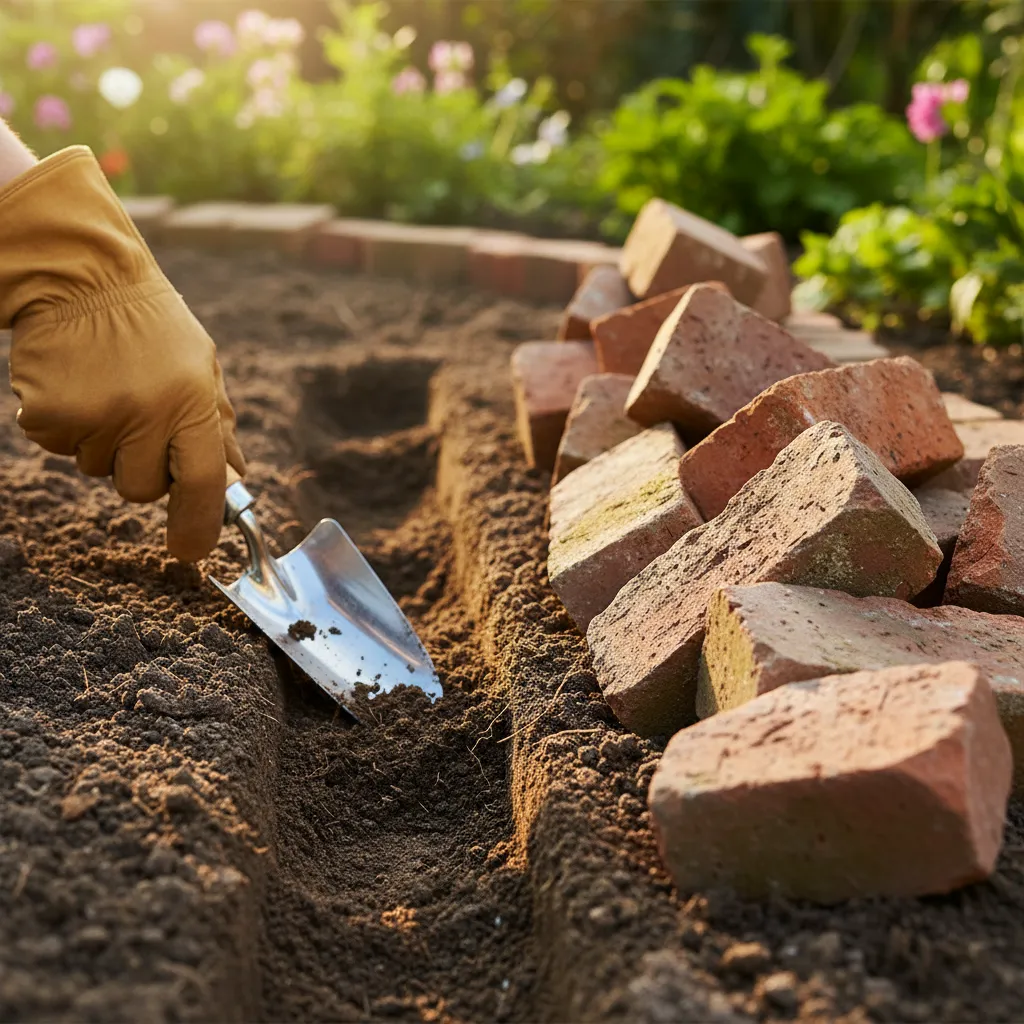
This method uses a hand-dug trench to hold the bricks, securing the clay units without expensive mortar; this allows for natural drainage and easy repairs.
Digging into the cool, damp earth creates a clean line where the contrast between dark soil and red clay is striking, defining the spatial flow of your lawn.
- Cost: Often free if found on local marketplaces.
- Durability: Clay bricks withstand frost and heavy rain.
- Flexibility: Easily adjusted for new plant growth over time.
A border of reclaimed brick is the perfect bridge between wild nature and curated home design.
Styling and Practical Benefits
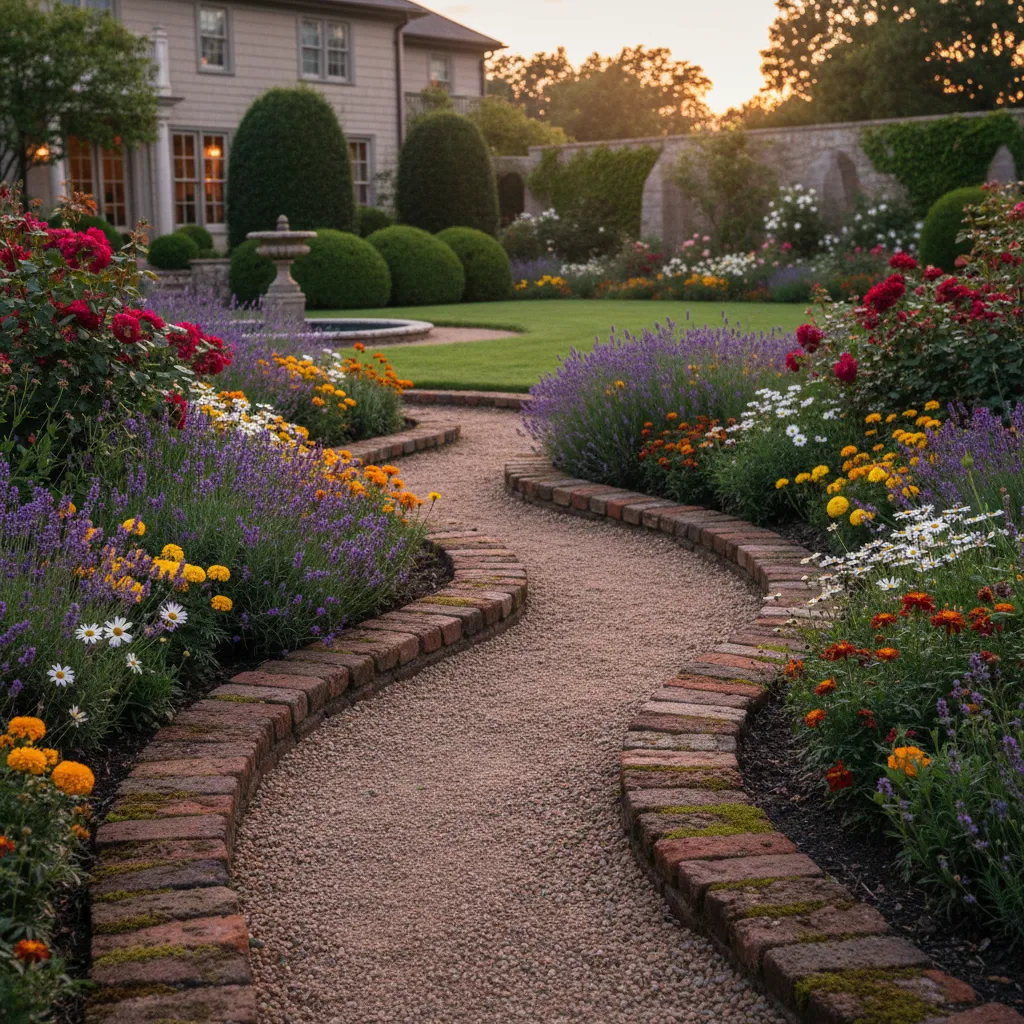
Place bricks vertically for a modern look or angle them for a serrated, vintage feel; this choice changes the mood from minimal to cozy instantly.
The brick line acts as a mow-strip for your lawn, protecting delicate stems from mower blades. This improves the usability and maintenance of your green space.
For more ways to elevate your outdoor areas, consider stunning terrace designs that use similar organic materials. Bricks fit any theme perfectly.
Designer Edging Hack
- To ensure long-term stability without mortar, line your trench with a thin layer of sand or crushed stone before placing the bricks to prevent them from sinking or shifting over time.
- When using salvaged bricks, use a wire brush or hammer to remove old mortar chunks; this allows the bricks to sit flush against each other for a cleaner, professional-looking line.
- For a ‘sawtooth’ vintage effect, tilt your bricks at a 45-degree angle; this creates a striking serrated edge that aids in water runoff while adding visual depth to your garden beds.
Rustic Fallen Log and Timber Barriers
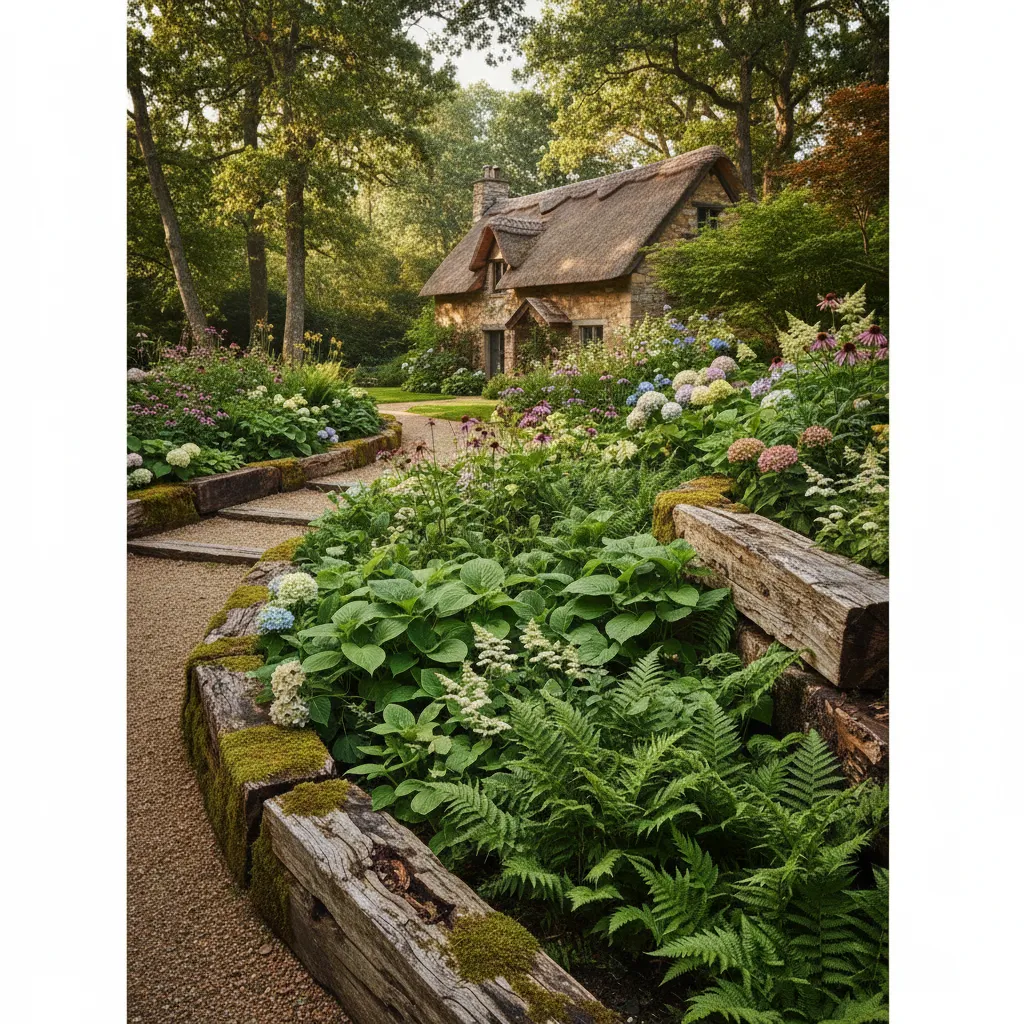
Using fallen logs creates an organic, woodland atmosphere. The raw, peeling bark adds tactile depth to your garden beds.
These natural barriers manage soil erosion perfectly, keeping mulch in place during rain while looking curated and intentional.
Let nature define your garden edges with the raw, unrefined beauty of weathered timber.
Sourcing and Placing Natural Timber
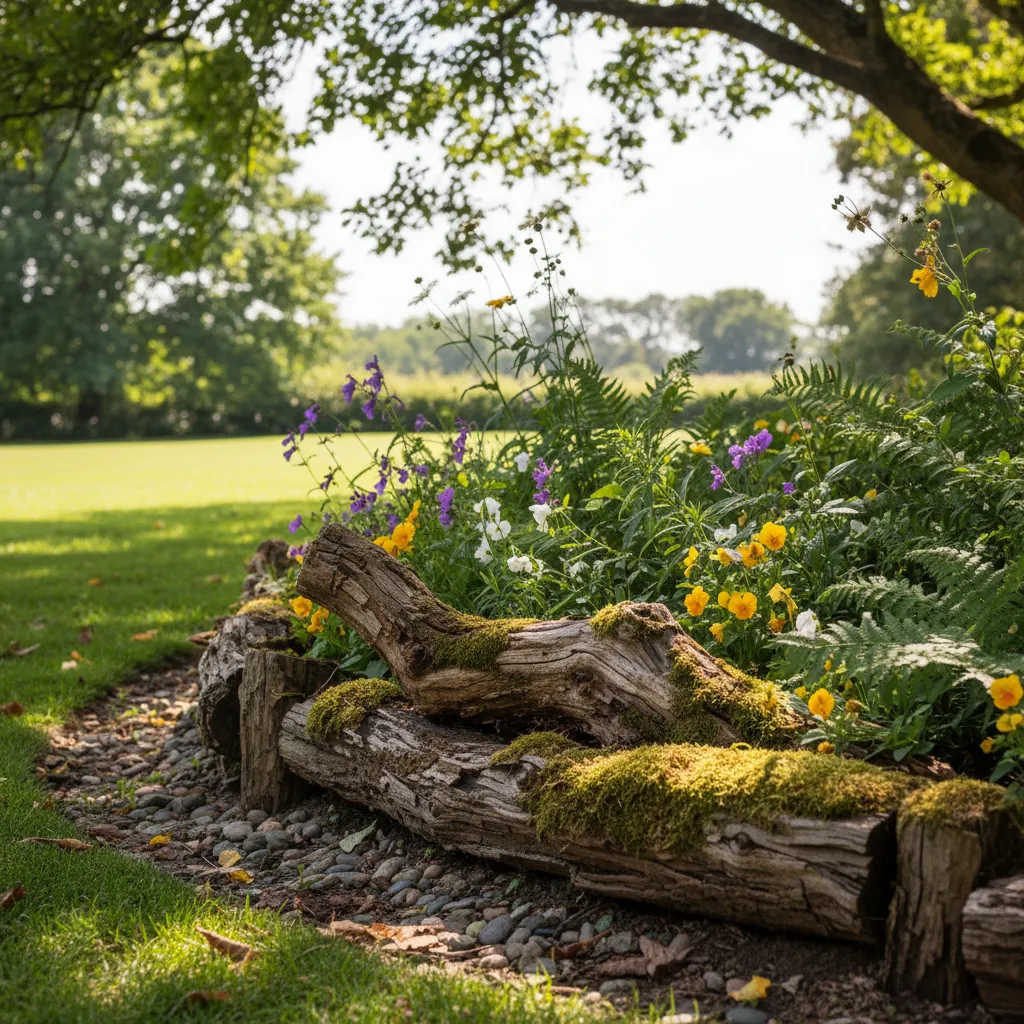
Fallen logs pair beautifully with a cottage aesthetic; the silvery wood contrasts with vibrant green foliage.
Log borders are budget-friendly because you can often find them for free. Check your local area after storms for downed branches.
For more structured separation, consider these backyard divider ideas to elevate your spatial flow.
Using logs as borders is a sustainable way to recycle garden waste into a sculptural element that naturally defines space.
Dan Pearson, Dan Pearson Studio
When placing timber, dig a shallow trench first. This ensures the wood sits securely and prevents grass from creeping underneath.
| Wood Type | Durability | Visual Style |
|---|---|---|
| Cedar | High | Warm, reddish tones |
| Oak | Medium | Classic, rugged grain |
| Pine | Low | Soft, light cream finish |
Select logs with interesting curves to create movement. This organic flow makes small yards feel more expansive and soft.
Over time, the wood will decompose and feed the soil; this functional benefit improves the health of your flowers and shrubs.
Forest-Floor Secrets
- Secure logs on slopes by driving short wooden stakes or rebar into the ground on the downward side to prevent shifting or rolling over time.
- If you prefer a cleaner look that lasts longer, strip the bark before placement to reduce moisture retention and slow down natural decay.
- Boost your garden’s ecosystem by drilling small holes into the logs to create nesting sites for solitary bees and other beneficial pollinators.
Comparative Guide: Cost-Per-Foot and Maintenance Ratings
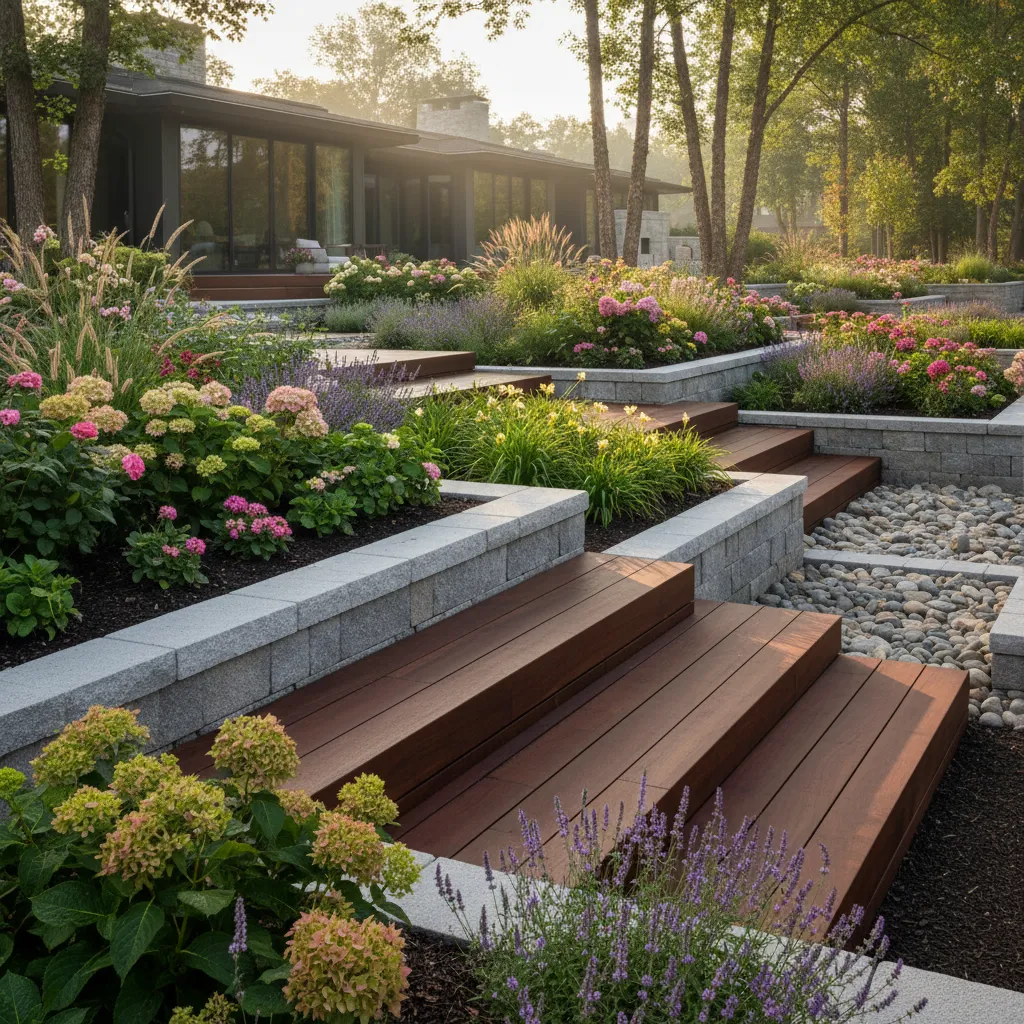
Balancing beauty and budget is essential for a successful DIY garden. A well-defined edge creates a clean spatial flow, separating lush textures from manicured lawns.
Choosing materials involves weighing initial costs against long-term care; some cheap options require more labor over time, while others offer a set-and-forget solution for your yard.
Budget Breakdown for Borders
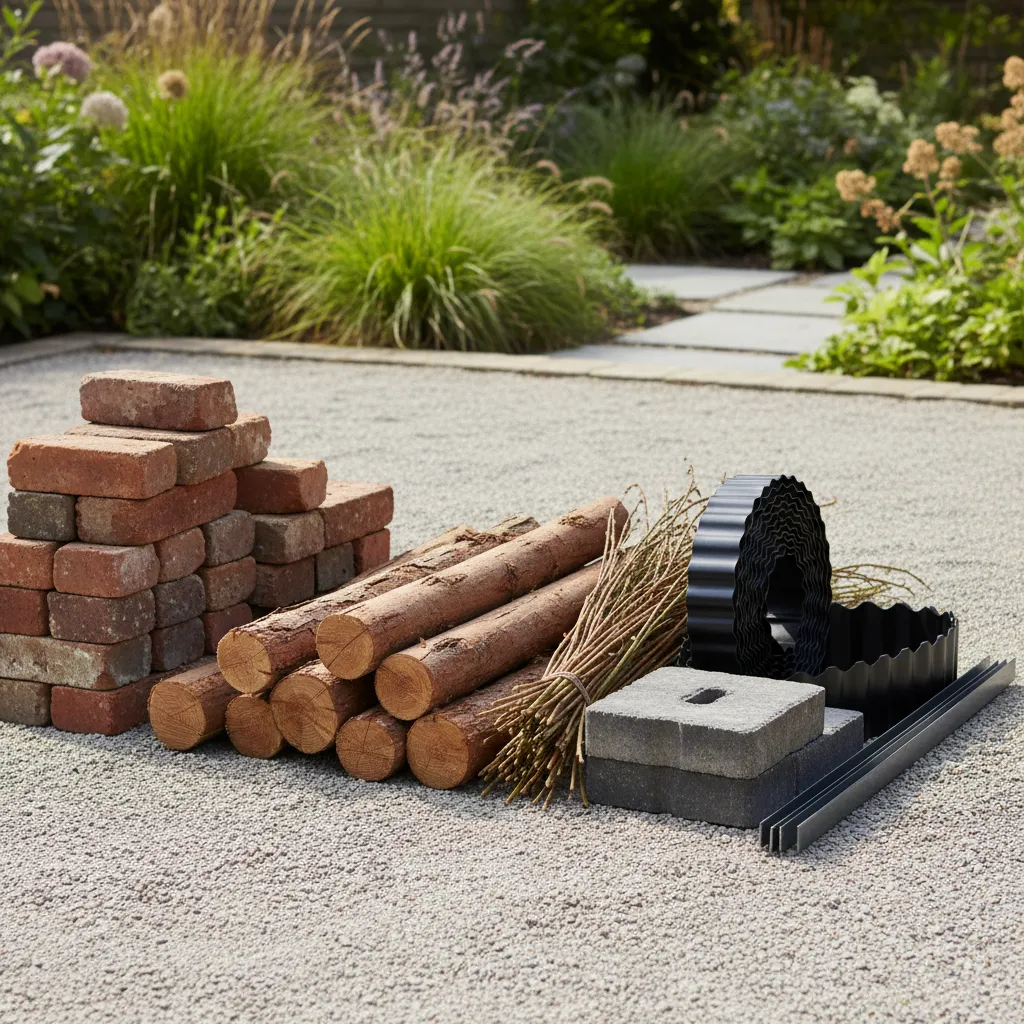
Finding the right balance between cost and style is vital. Plastic edging is the most affordable choice, providing a flexible, organic curve for modern landscapes.
According to the Royal Horticultural Society, a permanent border can reduce seasonal weeding by nearly 40 percent.
| Material Type | Est. Cost/Foot | Durability | Best For |
|---|---|---|---|
| Plastic Strip | $0.50 – $1.00 | Low | Curved Beds |
| Trench Edge | $0.00 | N/A | Natural Look |
| Pressure-Treated Wood | $1.50 – $3.00 | Medium | Straight Lines |
| Reclaimed Brick | $0.00 – $2.00 | High | Cottage Style |
While reclaimed wood is cheap, it may rot without treatment; using pressure-treated pine or cedar offers better durability while adding a warm, organic texture to the space.
A crisp border transforms a messy patch of dirt into a curated outdoor sanctuary.
Maintenance and Longevity
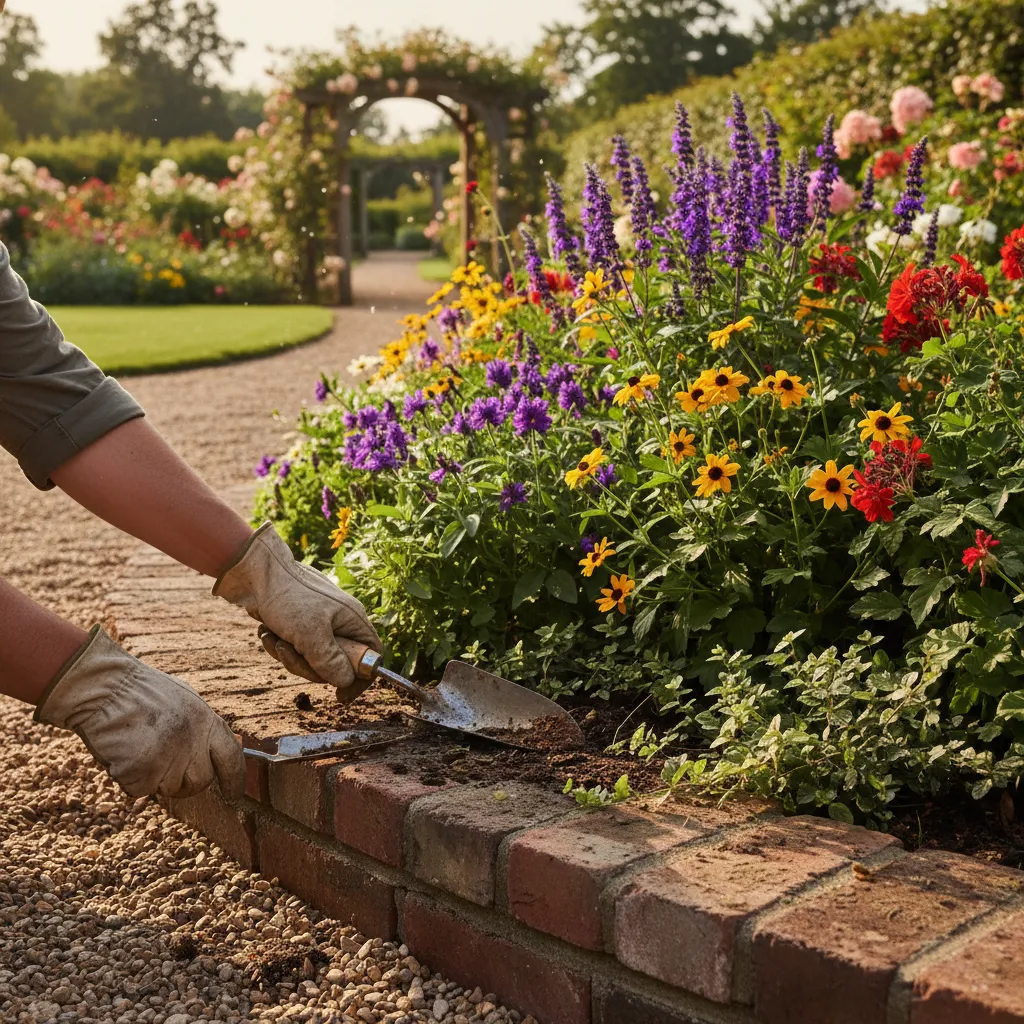
Low maintenance borders save time during the growing season; stone and brick require the least attention, as they resist rot and stand up to heavy weed trimmers.
A trench edge is free but needs frequent reshaping; it creates a deep shadow line that defines the spatial flow without adding new materials to the landscape.
If you are designing stunning rooftop gardens or modern terrace design ideas, consider lighter materials. Plastic or thin metal avoids adding unnecessary weight.
The most important part of the edge is what you don’t see. A deep cut keeps grass roots from migrating.
Roger Cook, This Old House
For those adding DIY modern outdoor swing design ideas for your patio, match the border to the swing. Consistent finishes create a sophisticated, curated atmosphere.
Pro Edging Insights
- To prevent aggressive grass roots from invading flower beds, ensure your edging strip or trench is installed at least 4 to 6 inches deep.
- Combine the zero-cost trench method with reclaimed brick for a high-end, cottage-style look that costs nothing but labor.
- Install plastic edging slightly below the soil line to protect it from lawnmower blades while maintaining a clean, organic curve.
Growing Your Garden’s Character on a Budget
Creating a stunning garden border doesn’t require a fortune. By using natural stones or reclaimed materials, you build a timeless frame for your favorite blooms.
These practical solutions blend durability with high-end style. Your outdoor space will feel grounded, sophisticated, and uniquely yours without the professional price tag.
Blooming Inquiries: Your Edging Questions Answered
The most budget-friendly method is using free natural stones found on your property or through local classifieds. Simple hand-dug trench edges also cost nothing but effort.
To prevent sinking, dig a shallow trench and line it with landscape fabric or a thin layer of sand. This provides a stable base that resists shifting during seasonal changes.
Absolutely! Old bricks, discarded roof tiles, or even upcycled wine bottles can create charming, eclectic borders that keep waste out of landfills and add personal flair.
Heavy stones act as a physical barrier. When paired with landscape fabric, they block sunlight and prevent grass from creeping into your beds, keeping maintenance low and easy.
